
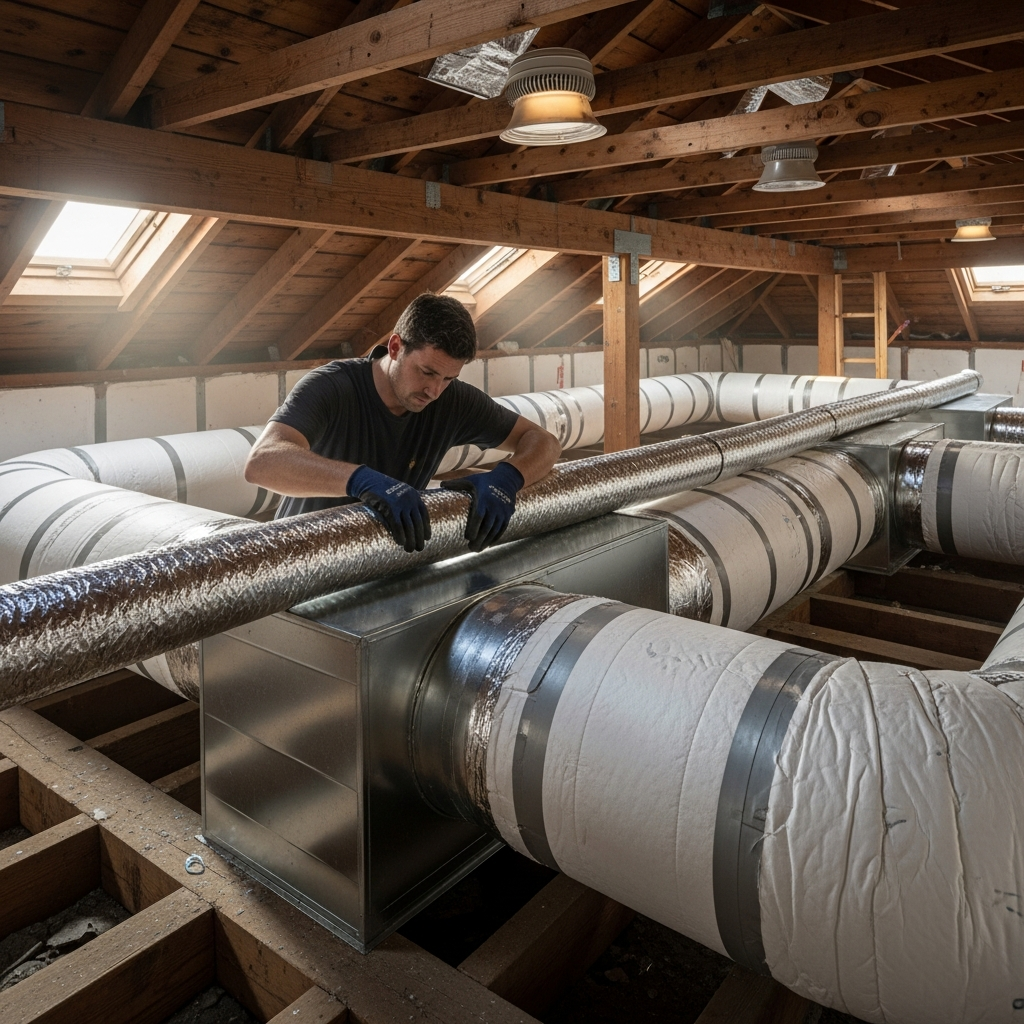
Along the Malibu shoreline, the ocean is both a blessing and a design constraint. Salt-laden breezes, cool marine layers, and sunbaked afternoons create a rhythm that shapes everything about how homes breathe. When neighbors ask what determines air duct replacement cost for coastal homes in Malibu, I remind them that “cost” is the sum of choices made to protect comfort and indoor air quality against our unique conditions. The first step isn’t a number on a page; it’s understanding what a coastal system must withstand, how your layout channels air, and how your family actually lives. With that perspective, a plan takes shape—and a conversation about smart, long-lasting duct replacement becomes far easier to navigate.
Coastal properties challenge ductwork in subtle ways. The same breeze that cools your evening patio carries fine salt particles that settle on fasteners, registers, and exposed sheet metal. Over months and years, that exposure encourages corrosion, loosens joints, and makes under-insulated runs sweat in cool morning air. Malibu’s microclimates matter, too; Broad Beach might stay foggy and cool long after Pepperdine’s hillsides have warmed. Ducts that serve rooms with different exposures require more than a simple swap—they need a distribution strategy that respects the building’s sunlight, shade, and wind patterns.
Layout, Access, and the Nature of Coastal Construction
Many Malibu homes were built to celebrate views and coastal breezes long before modern HVAC expectations existed. That means mechanical rooms tucked into compact corners, narrow attic hatches, and crawl spaces with limited headroom. For duct replacement, access is a major driver of scope. If crews must navigate tight spaces, reinforce platforms, or protect delicate finishes, careful staging takes time. That investment isn’t extravagance; it’s how you protect your home while ensuring connections are tight and insulation is continuous. A neat, well-thought plan minimizes disruption for you and sets the system up for a long, quiet life.
Zoning is another central consideration. A great room that opens to the deck faces different loads than a shaded bedroom down the hall. Replacing ducts one-for-one often preserves the very imbalances that frustrate homeowners: drafty corners, noisy branches, or rooms that never quite settle. A thoughtful redesign—smoother transitions, right-sized trunks, and well-placed returns—pays off in steadier temperatures and easier breathing on smoke or pollen days. Those refinements shape both the project and the lasting comfort you’ll feel after the tools are packed away.
Material Choices for a Marine Environment
Metal or flex? The answer depends on run length, route complexity, and acoustic goals. In straight, accessible routes, properly supported and sealed metal offers durability and low static pressure. In tight turns and branching runs, high-quality flex—correctly stretched and minimally compressed—can be the smarter option. Insulation is equally crucial. A robust vapor barrier prevents condensation in cool attic mornings, while quality wrap avoids sagging that can pinch airflow. In every case, sealing with long-lasting mastic and protecting hangers and fasteners from corrosion are nonnegotiable steps along the coast.
Don’t overlook registers and boots. The ocean’s influence reaches even these small details. Choosing components that resist corrosion and sit flush with finished surfaces reduces whistling and vibration over time. Replacement is the perfect moment to rethink register placement for quieter operation and better throw into each room. When you combine sturdy components with precise placement, the home feels calmer—less mechanical, more naturally comfortable.
Wildfire Smoke, Salt, and Indoor Air Quality
In recent years, Malibu homeowners have become keenly aware of wildfire smoke. Even without flames nearby, the haze and odor can linger for days. Duct systems that aren’t tightly sealed or that rely on compromised returns can draw in particulates. Replacement gives you a second chance at these fundamentals: fewer infiltration points, better return strategies, and a distribution system that works hand in glove with filtration. The result isn’t just cleanliness—it’s the peace of mind that comes from a quieter, more predictable home environment when outdoor air quality is poor.
Salt and smoke may be different pollutants, but both reward robust sealing and smart routing. These measures help keep conditioned air clean and reduce the load on filters. They also limit the subtle odors that some homeowners write off as “normal near the beach.” A well-executed system proves that such odors aren’t inevitable; they’re usually signatures of leakage or condensation issues waiting to be solved.
Permitting, Testing, and Local Expectations
Malibu’s permitting and inspection landscape emphasizes safety, efficiency, and documentation. Energy code requirements for duct leakage, insulation quality, and equipment pairing exist to ensure that the work you commission performs as designed. When your installer builds testing and verification into the plan, you get more than signed papers—you get a system whose numbers confirm its promise. The final results should align with what you feel: rooms that match the thermostat, fewer drafts, and calmer airflow through the day and night.
Post-install balancing is where the art meets the science. Adjustments to dampers, measured airflow at registers, and small tweaks to return pathways can eliminate long-standing comfort complaints. It’s a part of the project many homeowners never see up close, but it is essential. In coastal homes where window openings change room loads across the day, these refinements stabilize comfort and reduce noise, especially when the wind picks up in the afternoon.
Planning for Additions and Future Upgrades
Coastal homes evolve. Maybe you’re dreaming of a studio above the garage or contemplating a glassy sunroom that blurs the line between inside and out. During duct replacement, it’s smart to future-proof. That doesn’t mean overbuilding; it means leaving room in the design for sensible expansions, extra returns, or minor zoning changes later. A clear path forward prevents disruptive rework and preserves the integrity of today’s installation. In the middle of your design conversations, it helps to pause and reconfirm priorities; that’s an ideal time to ask detailed questions about duct replacement options that are durable enough for Malibu’s salty air and seasonal winds.
Homes on pilings or with partial basements present special opportunities during replacement. With better access from below, you can often improve return strategies, protect low runs from moisture, and add insulation where past retrofits fell short. These are the quiet upgrades that don’t make headlines but make living with the system feel effortless.
Comfort You Can Feel—and Not Hear
Many coastal homeowners learn to tolerate noise: a whistle here, a rattle there. Good duct design aims for silence. Smooth transitions, right-sized trunks, and secure mounting tame turbulence and vibration. The difference is especially noticeable at night, when the world quiets down and mechanical noise stands out. The ideal coastal duct system fades into the background, delivering even, gentle airflow with no surprises.
The reward shows up in routines. Morning coffee isn’t interrupted by a sudden blast from an over-pressurized branch. Afternoon reading doesn’t require adjusting the thermostat because one corner room drifts warm. Evening gatherings feel relaxed because the system doesn’t compete with conversation. Comfort becomes the default, not something you have to manage.
Protecting the Investment
Because Malibu’s environment is dynamic, protecting new ductwork is a commitment. Routine visual checks for insulation gaps, hanger wear, and early signs of corrosion are simple habits that pay dividends. Keep registers clean, but avoid harsh cleaners that can degrade finishes. Replace filters consistently, especially during smoke season, and keep an eye on attic and crawl-space conditions after the first foggy week in spring and the first hot, dry Santa Ana winds in fall. Your installer can recommend an interval for quick checkups that aligns with your home’s exposure and usage.
Documentation matters, too. Keep photos and a map of the new layout. If you ever add onto the home or adjust HVAC equipment, that record becomes gold. It ensures that future changes respect what’s been built and that performance remains steady as the home evolves.
Frequently Asked Questions
What makes coastal duct replacement different from inland projects?
Salt exposure, humidity swings, and wind demand materials and sealing practices that resist corrosion and condensation. Access and layout also tend to be more complex in Malibu’s diverse housing stock.
How do I know if my current ducts are underperforming?
Look for rooms that never settle, persistent drafts, frequent filter dust, musty smells on cool mornings, or excessive noise at registers. These are signs that routing, sealing, or sizing deserves a closer look.
Do I need zoning, or can I keep a single distribution path?
Zoning isn’t mandatory, but in homes with varying exposures or open plans that face the coast, it can significantly stabilize comfort. A professional assessment can identify modest layout changes that mimic zoning benefits without major complexity.
What role does testing play after the ducts are replaced?
Testing verifies leakage control and airflow delivery. Balancing and measurement ensure that paper designs match real-world performance so your home feels consistent in quiet, everyday ways.
Can I phase improvements if I’m planning future renovations?
Yes. A smart design leaves room for additional returns or minor zoning changes later, so today’s work remains compatible with tomorrow’s plans. That approach minimizes disruption and preserves performance.
If you want a coastal-focused plan that respects your home’s architecture and delivers quiet, even airflow year-round, connect with a Malibu specialist and map out your duct replacement strategy now. With the right design choices, your home will feel naturally comfortable—no matter what the ocean brings.