
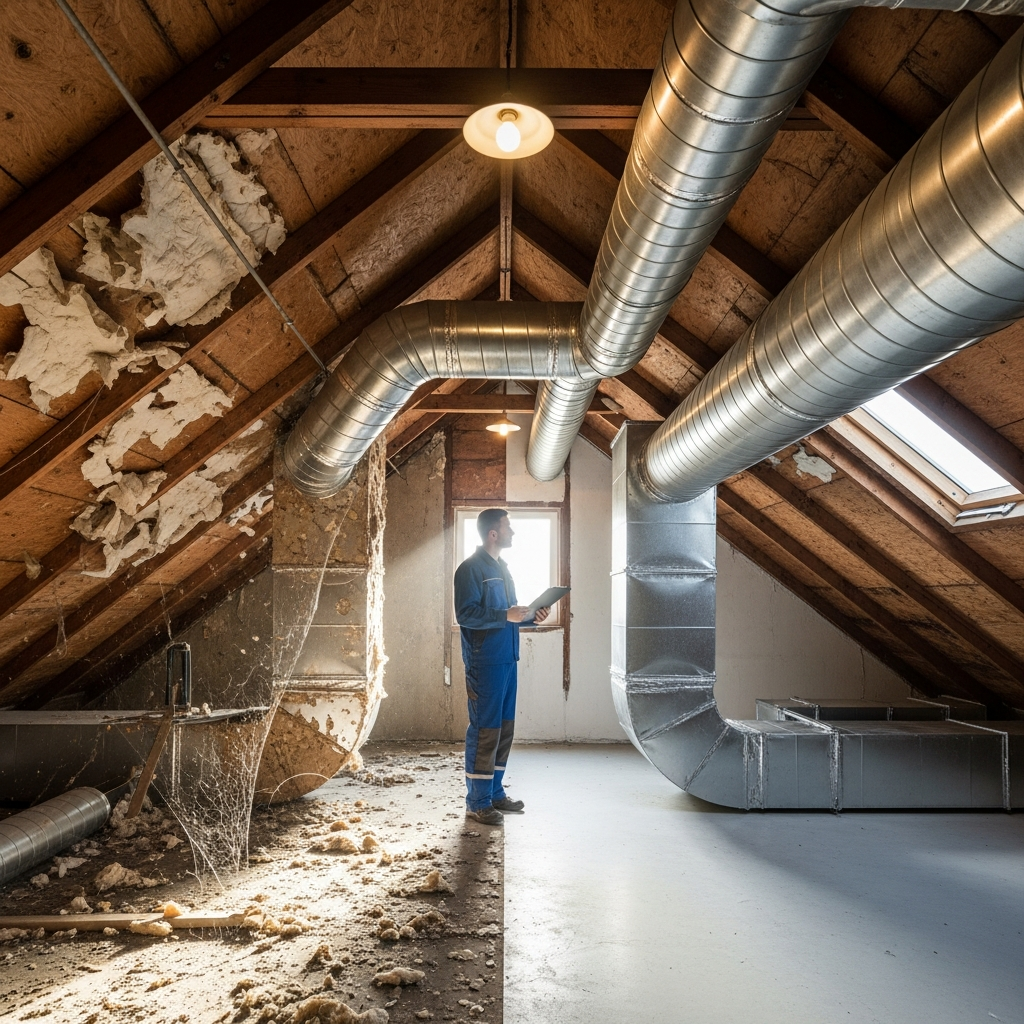
Every Malibu homeowner eventually asks the same question: should I clean my ducts or replace them? The answer depends on what’s happening behind the registers, and along the coast, those stories vary from salty attics to sandy crawl spaces and everything in between. As someone who has walked more than a few Malibu attics at sunrise, I can tell you that cleaning is sometimes a great option—but not always. In certain conditions, replacement is the wiser route, delivering healthier indoor air, quieter operation, and comfort you can count on. Think of it as choosing a fresh start for the lungs of your home, a decision that pays off daily in subtle, satisfying ways. And when the plan is tailored, right-sized, and done with care, a focused duct replacement leaves you with fewer worries and a home that simply breathes better.
Let’s begin with the environment we all share. Malibu’s marine layer cools attic spaces quickly overnight; by midmorning, the sun can warm those same spaces dramatically. That swing encourages condensation at weak points in old ducts, especially where insulation has slumped or seams were never sealed properly. Cleaning might remove dust, but it cannot fix damaged vapor barriers or eliminate leaks that pull musty air from attics and crawl spaces. If your home carries a faint damp odor on cool mornings—an all-too-common coastal signature—replacement and resealing often bring relief that cleaning alone can’t deliver.
When Odors and Residue Tell a Deeper Story
Wildfire smoke has changed the conversation in recent years. After a major smoke event, homeowners sometimes report that a persistent ashy smell returns whenever the system runs. If the duct system is porous, those odors can be embedded in insulation or drawn in through gaps long after the air outside clears. Cleaning has its place, but it cannot reliably reach insulation wraps or repair mechanical leaks. In these cases, replacement does more than freshen the air; it removes reservoirs of odor and closes the pathways that allowed contaminants to enter in the first place.
Another red flag is recurring dust despite frequent filter changes. In Malibu, crawl spaces can be sandy and breezy. If undersides of the home have become a secondary air source through return leaks, you’ll fight dust endlessly. Cleaning supply runs won’t stop that cycle. Replacement, with careful return redesign and tested sealing, breaks it. You’ll see the difference on bookshelves and window sills within weeks.
Damage You Can’t Clean Away
Physical deterioration is the line in the sand. Crushed sections from past storage in the attic, torn insulation exposing bare duct wall, brittle ductboard, or joints patched repeatedly with tape that long ago dried out—these conditions don’t improve with cleaning. They undermine performance and invite noise. I’ve seen branches compressed to the diameter of a wrist by a box that lived in the wrong spot for one winter. No brush or vacuum can restore that lost airflow. Replacement ensures each route is restored to its intended capacity and supported to prevent a repeat.
Corrosion also accelerates near the coast. If you notice rusty hangers, stained insulation jackets, or metal boots with flaking edges around the registers, that’s a sign the environment has outpaced the original materials. Replacement allows you to choose components that shrug off salt exposure and to rehang runs so they stay dry and secure. It’s the structural reset that turns a noisy, leaky network into a quiet, tight distribution system.
Noise, Drafts, and Rooms that Never Settle
Cleaning doesn’t rewrite the map. If a room has been drafty for years because of a sharp elbow in the supply, or if a home office hisses whenever the system runs, those are routing and sizing problems. Replacement gives you the pencil and eraser. By smoothing transitions, right-sizing trunks, and adding or relocating returns, you resolve the root causes of noise and imbalance. Malibu’s varied exposures—sun-washed ocean rooms versus sheltered canyon nooks—make balance especially important. Get the map right, and the home feels naturally even, with fewer thermostat adjustments.
Another tell is doors that move when the system starts or stops. That pressure pulse points to imbalances and return problems. Cleaning won’t change the physics. Replacement with thoughtful rebalancing will, and it brings a quiet confidence to the home that’s impossible to achieve with surface fixes.
Health Considerations and Peace of Mind
For families sensitive to allergens, or for homes with a history of rodent intrusion, replacement can be a relief. Contaminants trapped in insulation or hidden in damaged sections are hard to dislodge fully, even with aggressive cleaning. A fresh system sealed to modern standards reduces the risk of recontamination and supports a filtration plan that actually works. During smoke season or high pollen days, that resilience matters. You’ll notice less irritation, fewer odors, and a home that feels clean when you walk through the door.
It’s worth emphasizing that cleaning and replacement are not adversaries. Cleaning is excellent maintenance for healthy systems. But when the system’s structure is failing—or when Malibu’s environment has taken its toll—replacement is the straight path to reliable, quiet comfort. Think of it as replacing worn, leaky scuba gear before diving back into a choppy sea. The stakes are your daily comfort and the health of your home.
Verification and the Value of a Fresh Baseline
One of the overlooked benefits of replacement is measurability. With a new, sealed network, leakage testing and airflow measurement give you a clear baseline. From there, it’s easier to keep the system in tune and spot small changes early. Documentation—photos, layout notes, and test results—becomes a toolkit you can use years later if you remodel or change equipment. Cleaning can improve conditions temporarily, but it rarely delivers that kind of clarity.
For multi-level homes and hillside properties, replacement is also an opportunity to improve access and serviceability. Thoughtful routing can make future inspections simpler. Hangers that keep runs above areas prone to moisture, platforms that support safe movement for technicians, and labels that identify branches—all of these details add up to a system that is safer, saner, and easier to care for.
Knowing When You’ve Crossed the Line
How do you know when cleaning won’t cut it? Trust a combination of evidence and experience. Persistent odors after smoke events, visible damage or corrosion, recurring dust that outpaces filter changes, and rooms that resist balancing despite prior efforts all point toward replacement. A careful inspection—register to plenum—will tell the story. If the same problems return after each cleaning, the structure is likely the culprit.
During planning, ask how proposed changes address specific complaints. If the office hisses, what’s the new route? If the den runs cold, how will supply and return be rebalanced? Replacement should read like a solution to a mystery, with each decision aimed at a cause you’ve felt for years. When that alignment is present, results feel almost magical: the house quiets, air smells fresher, and temperatures settle without fuss.
The Midpoint Conversation
In the middle of exploring options, take a breath and think about longevity. It’s tempting to preserve every existing path, but in Malibu’s coastal context, small improvements today prevent bigger headaches tomorrow. Consider corrosion-resistant components, vapor-conscious insulation, and supports that won’t sag. If you’re weighing trade-offs right now, this is the perfect time to get a second opinion focused squarely on duct replacement that earns its keep during foggy mornings, smoky weeks, and breezy afternoons.
And remember, the best systems are the ones you barely notice. They don’t call attention to themselves with rattles or drafts. They simply keep up, quietly and reliably, as the day unfolds along the coast.
Frequently Asked Questions
When is cleaning enough, and when is replacement necessary?
Cleaning is great for healthy systems with minor dust or debris. Replacement is the right move when you see structural damage, persistent odors after smoke events, corrosion, crushed or kinked runs, or when rooms remain unbalanced despite past fixes.
Can cleaning remove smoke odors from my ducts?
Cleaning can help, but odors embedded in insulation or drawn in through leaks often persist. Replacement addresses both the reservoir of odor and the pathways that allowed contaminated air to enter.
Will new ducts make my home quieter?
Yes. Redesigned routes, smoother transitions, and secure supports reduce turbulence and vibration, cutting the hisses and rumbles that make systems feel intrusive.
How do I know the new system is truly sealed and balanced?
Post-installation testing verifies leakage and airflow. Your installer should share results and walk you through what each reading means for comfort room by room.
Is replacement disruptive?
With clear staging and communication, disruption can be minimized. Protecting finishes, sequencing rooms logically, and cleaning as you go keep the home livable throughout the process.
If you’re ready to stop chasing recurring problems and start fresh with a quieter, cleaner system, connect with a Malibu specialist to plan your duct replacement. A thoughtful design tuned for our coastline will help your home breathe easy—today and for years to come.