
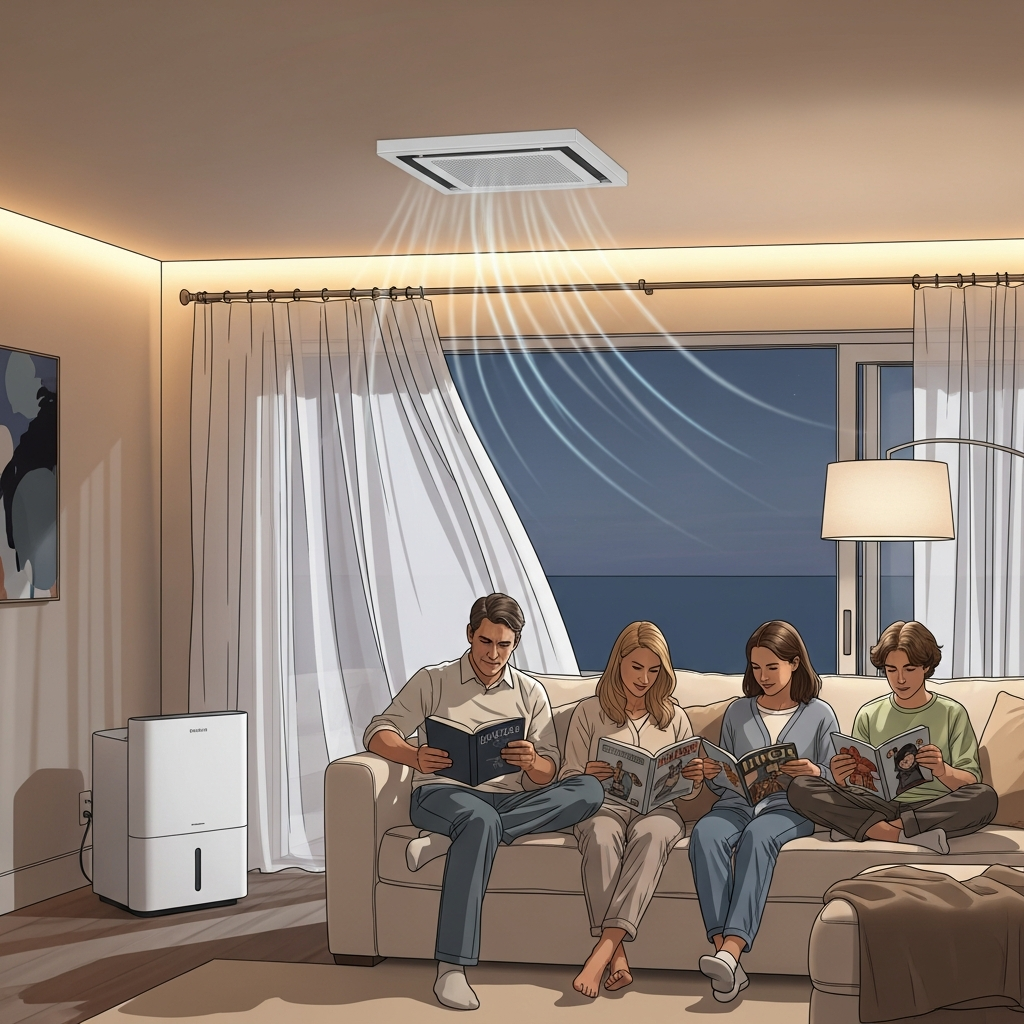
It’s easy to overlook the quiet work your ducts do every hour of every day. In Malibu, where marine layers roll in at dawn and sun breaks out by lunch, the quality of your duct system determines whether your home feels serene or fussy. I often tell neighbors that the real benefits of duct replacement don’t begin and end with efficiency charts; they show up in the way mornings smell fresher, evenings sound quieter, and each room settles into the temperature you asked for. If you’ve been on the fence, understanding these benefits through a Malibu lens can help you decide whether it’s time to plan a thoughtful, right-sized duct replacement for your home.
First, consider consistency. Too many Malibu homes have a few rooms that never quite cooperate. Maybe the office next to the deck runs warm by late afternoon, or the bedroom tucked under a shaded eave stays clammy on foggy mornings. Replacement is a chance to correct those long-standing issues by refining trunk sizes, straightening tortuous routes, and placing returns where they can breathe. The result isn’t just “better airflow” in the abstract. It’s the calm of knowing that when you walk from the kitchen to the den, you won’t be hit with a temperature swing.
Comfort You Notice Hour by Hour
With a well-designed distribution system, air moves more slowly and more evenly. That “slow and even” quality is the hallmark of comfort. It eliminates the blasts and lulls that cause people to fiddle with thermostats. At night, you’ll hear less turbulence at the registers and feel fewer gusts as the system cycles. On cool mornings when the marine layer clings to the hills, better insulation and sealing prevent condensation and the musty odors that can follow. This combination—quiet flow, stable temperatures, and clean-smelling air—transforms daily life more than any single spec on a brochure.
The coastal environment sharpens these differences. Salt air finds imperfect seams; windy afternoons exaggerate minor whistling. By replacing and sealing to a higher standard, you lock in small but constant wins. It’s the HVAC version of weatherproofing that favorite beach jacket: everything just works better, longer, and more comfortably.
Healthier Indoor Air and a Calmer Home
Another benefit that Malibu homeowners feel acutely is indoor air quality. During wildfire season, the right duct system can limit intrusion from smoky outdoor air by controlling leakage paths and working hand in hand with filtration. Day to day, better sealing keeps attic and crawl-space air—often dustier and more humid—out of your breathing zones. You’ll likely notice less dust accumulation on surfaces and fewer odors that ride in on cool, damp mornings. Replacement is also the right moment to fine-tune return pathways and consider filtration strategies that align with your family’s needs, pets included.
Noise, meanwhile, fades when ducts are sized and routed correctly. Over-pressurized branches whistle; sharp transitions rumble. Smoother routes and secure mounting kill those nuisances. In homes that open to the Pacific, background calm can be the difference between hearing waves and hearing whooshes. That quiet is an underrated but deeply appreciated benefit.
Energy Use and System Longevity
While homeowners naturally think about energy, the benefit here is as much about the equipment’s life as it is about utility bills. When ducts are tight and static pressure is kept in check, the blower doesn’t have to strain to push air where it needs to go. That gentler operation reduces wear on motors and keeps coils cleaner longer. Over time, this steadier environment helps your entire system age more gracefully. The “feel” of the home corroborates what the numbers say: fewer swings, smoother starts, and a system that doesn’t sound like it’s working overtime.
In Malibu, where attics can cool sharply overnight and then warm quickly by midday, proper insulation on ducts reduces thermal shock to the system. That moderation compounds over years, preserving performance. When balanced correctly, you’ll likely find that set-and-forget becomes your default approach. The equipment responds predictably, day after day.
Resilience to Malibu’s Elements
From sea spray to Santa Ana winds, Malibu’s weather reads like a stress test for home systems. Replacement lets you choose materials and techniques that shrug off those tests. Corrosion-resistant fasteners, well-supported runs that don’t sag, and vapor-retardant insulation wraps stand up to damp mornings and breezy afternoons. Boots and registers selected for durability and fit avoid the tiny rattles that can grow into bigger issues months later. When each component is chosen with our coastline in mind, the system stays stable through the seasons.
Wildfire smoke has also reshaped what many locals expect from their homes. A well-sealed duct system reduces the pathways through which smoke and ash can enter. Coupled with filters selected for your equipment and lifestyle, this gives you back a sense of control during difficult air quality days. It’s not a single product that makes the difference; it’s the ensemble of design, sealing, and verification.
Design That Matches How You Live
One of the most practical benefits emerges when you consider how your family uses each room. Maybe the kitchen and living area host most gatherings, while a guest suite sees occasional use. Replacement is an opportunity to rebalance airflow accordingly. A few degrees of change in how much air each room receives can make your home feel more intuitive. Pair that with smart controls and you’ll find the system anticipating your routine rather than playing catch-up.
Flexibility matters for the future as well. If you plan to convert a garage, add a studio, or remodel, a well-mapped duct system preserves options. Clear routing, accessible dampers, and thoughtfully placed returns make later changes less disruptive. Today’s project becomes tomorrow’s foundation.
Verification: Turning Promises into Proof
Numbers aren’t the whole story, but they help confirm benefits you can feel. Post-installation testing and balancing show that leakage is contained and airflow aligns with the design. When those numbers match your experience—quieter rooms, steadier temperatures—you know the system is delivering. For homeowners who like to keep records, photos and a simple layout map provide a baseline for future improvements or troubleshooting. That transparency helps the work age well alongside your home.
In Malibu’s terraced neighborhoods and canyon homes, access varies from easy to acrobatic. A strong plan respects those realities. Protecting finishes, staging cleanly, and sequencing work to minimize downtime are not extras; they’re how you ensure the benefits of new ducts arrive without chaos. Good teams walk you through the process so you know what to expect each day. The result is work that feels as composed as the airflow it creates.
The Mid-Project Checkpoint
Some of the best decisions happen in the middle of a project discussion. After you’ve walked the home and identified priorities, it’s worth pausing to review options and confirm the path. That’s the right time to ask how a small routing change might quiet a room or how an added return could help an office that overheats. If you’re refining your plan right now, consider a quick consultation focused specifically on duct replacement details that elevate comfort without complicating service down the road.
Another midstream consideration is how the system will behave on edge days—those foggy mornings followed by hot, still afternoons. Designs that perform on those extremes are the ones that feel invisible the rest of the year. Look for smooth transitions, balanced supplies, and returns that breathe freely even when interior doors are closed.
Living with a Better System
After replacement, you’ll likely feel the difference during ordinary moments: opening the bedroom door in the morning and noticing the air smells neutral and fresh; settling into the den in late afternoon and finding the temperature steady without tinkering; falling asleep without hearing a sharp rush of air. These aren’t flashy upgrades; they’re peaceful ones. Over weeks, you may also notice less dust on surfaces and cleaner registers, because the system draws less from attics or crawl spaces.
Comfort can be subtle, but once you get used to it, it’s hard to go back. When your home feels grounded and quiet, you can enjoy Malibu’s outdoor delights without dreading the indoor adjustments that used to follow. You’ll have more time to linger on the deck at sunset, knowing the den will be just as comfortable when you come back inside.
Frequently Asked Questions
Will duct replacement really make my home quieter?
Yes. Correct sizing, smoother routes, and secure mounting reduce turbulence and vibration, which are primary sources of register noise and rattle. Many homeowners notice the difference the first evening after a proper replacement.
How does replacement improve indoor air quality?
Tighter ducts reduce infiltration from attics and crawl spaces and provide a cleaner path for conditioned air. Combined with an appropriate filtration strategy, you’ll see less dust and fewer outdoor odors indoors—especially during smoke or pollen events.
Is a one-for-one duct swap ever enough?
Sometimes, but Malibu homes often benefit from tweaks that correct long-standing issues. Even modest changes to trunk sizes or return placement can eliminate hot and cold spots and lower noise.
How quickly will I feel the difference?
Most homeowners notice quieter operation and steadier temperatures within days. Because duct systems run constantly in the background, benefits accumulate as you experience different weather patterns and daily routines.
What if I plan to remodel later?
A thoughtful replacement creates a clear map that future work can respect. Good routing, accessible dampers, and balanced returns preserve flexibility for additions, conversions, or equipment updates.
If you’re ready to enjoy steadier comfort, quieter rooms, and fresher indoor air designed for our coastline, start a conversation with a Malibu specialist about duct replacement that fits your home and your routine. With the right plan, the system fades into the background—and comfort takes center stage.