
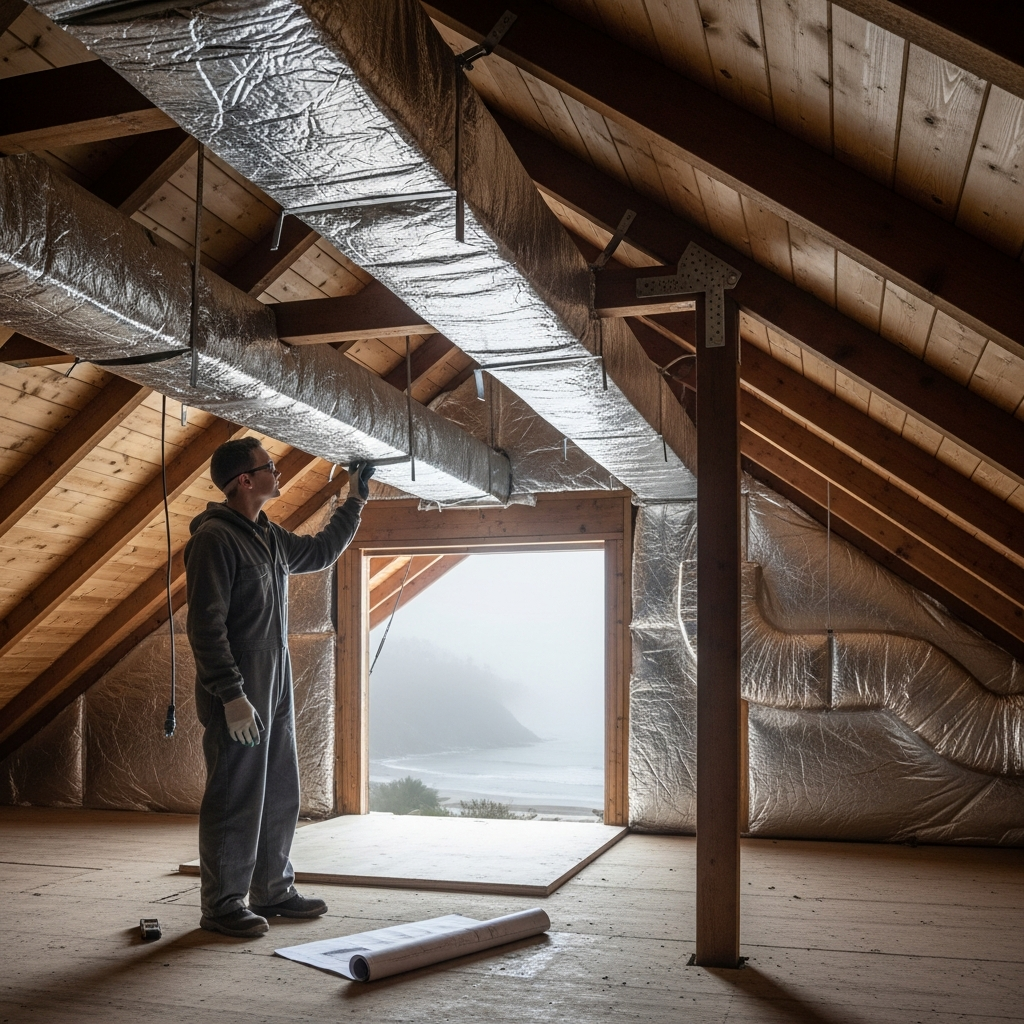
If you live in Malibu, you already know that the ocean shapes everything here—from the way the fog settles in the morning to how our homes age over time. The conversation around duct replacement is no different. When locals ask me what truly influences duct replacement cost in Malibu, I always begin by reframing the question. It is less about a single number and more about a mosaic of factors unique to our coastal hills, canyons, and beachside neighborhoods. Before you try to compare your home with a friend’s in the Valley or your cousin’s place in the Midwest, you have to factor in how salt air, hillside access, wildfire seasons, and local codes interact. That context makes all the difference, and it is why talking through the details—and getting a tailored plan for duct replacement—is the most reliable way to understand how your project will unfold.
Malibu homes vary widely, from compact beach cottages with low crawl spaces to sprawling estates perched on steep terrain. Those conditions matter because ductwork isn’t just about the material and the diameter. It’s about how safely and effectively technicians can reach each run, how the path accommodates proper airflow, and how well the system will stand up to salty air and occasional high winds. Duct configuration, not just total length, drives complexity. Curves, transitions, split systems that serve multiple levels, and hard-to-reach mechanical rooms can change how a project is staged and how long it takes to do it right. If you’ve ever tried to carry lumber up a cliffside stairway in Point Dume, you understand why access and layout become a central part of any Malibu duct conversation.
Why Malibu’s Microclimates Matter
Onshore flow and the marine layer mean condensation and humidity swing more than many people expect. Inside ducts, these conditions can amplify issues that seem small on paper but large in real life: minor leaks that draw in damp crawl-space air, under-insulated runs that sweat on cooler mornings, or joints that degrade faster because of corrosion. Unlike a purely inland climate, Malibu’s salt air and moisture make material choices pivotal. Heavier-gauge metal in the right places, well-specified liners, proper mastic sealing, and insulation with vapor-retardant properties can drastically influence longevity. The goal is not just to replace what you’ve got but to tune the system to thrive in a coastal environment. That, in turn, shapes what the project involves and the schedule required to complete it carefully.
Another Malibu-specific reality is wildfire smoke and ash. Even if your home is miles from the flames, fine particulates can spread for days. Ducts that weren’t designed or sealed with smoke infiltration in mind may show wear beyond what is typical in other regions. When replacement is on the table, this is a prime opportunity to improve filtration compatibility and reduce points where unconditioned air can sneak into the supply. That means evaluating plenums, boots, and transitions, not just the main trunks. Each of these details contributes to the total scope and to what homeowners tend to frame as “cost,” even though the value is really durability, health, and comfort for the long term.
Home Size, Zoning, and System Design
Square footage is only part of the story. A 2,000-square-foot single-level beach home can be simpler than a smaller split-level property with odd ceiling heights or retrofits from past renovations. When we talk about zoning, we’re talking about how air gets distributed to rooms with different loads and exposures. South- and west-facing rooms along the coast get intense afternoon sun, while north-facing rooms may stay cool and damp. Proper zoning design can eliminate hot-cold spots that homeowners sometimes accept as unavoidable. During replacement, technicians may propose subtle design updates—adjusting trunk sizes, improving return placement, or rethinking branch distribution—to optimize comfort and reduce fan strain. Those changes are worthwhile because they influence quiet operation, better temperature balance, and future energy use.
Additionally, Malibu’s terrain affects attic and crawl-space temperatures differently than many flatland neighborhoods. Elevated roofs get more wind exposure and cooler nights, while low crawl spaces along the beach can be both damp and sandy. Ducts that were run without full consideration of these forces may underperform, even if they look fine at first glance. Replacement gives you a chance to install smarter routing and resilient materials that can stand up to salt and seasonal shifts. Building that resilience into the plan is an investment in fewer surprises later.
Material Choices and Coastal Durability
Not all ducts are created equal, and in Malibu, that really shows over time. You’ll hear debates about metal versus flexible duct, insulation R-values, and which sealants last. The right choice depends on your layout and the goals of the project. In tight, winding spaces where bends are unavoidable, high-quality flex with careful stretch and minimal compression can perform beautifully. In straighter runs, properly supported metal may be the better path for low static and longevity. Every material decision interacts with airflow, acoustics, and service life. That’s why experienced local pros look beyond a generic spec sheet and choose with Malibu’s air, moisture, and wind exposure in mind.
Insulation is every bit as important as the duct itself. Under-insulated ducts in a cool attic morning can collect condensation; over time, this can degrade wrap or foster musty odors. Getting vapor barriers right and protecting hangers and connections from corrosion helps extend the life of the entire distribution system. Smart decisions here won’t show off in a photo, but you’ll notice the difference on those spring mornings when the marine layer lingers.
Access, Safety, and Project Staging
When people loosely compare duct jobs, they often ignore access realities. In Malibu, access can mean steep driveways, sloped lots, and delicate landscaping. Inside the home, it may include narrow attic hatches or low crawl spaces where safety protocols slow the pace for good reason. Safe, careful staging is not a luxury—it’s how you protect your home while ensuring the work is executed to a high standard. Thoughtful staging often includes temporary protection for floors, strategic removal and reinstallation of registers, and clean-out protocols to keep dust from migrating into living areas. Each of those choices maintains job quality and homeowner comfort throughout the process.
On multi-level homes or properties with guest houses, detached studios, or pool houses, planning becomes even more important. Coordinating the timeline so that each space is restored and functional as soon as possible reduces disruption. Experienced teams know how to sequence tasks—demolition, sealing, insulation, and balancing—so the project feels orderly and transparent from start to finish.
Local Codes, Testing, and Documentation
Malibu homeowners are rightly proud of living in a community that values safety and building integrity. Our region’s standards, including energy code requirements, duct leakage testing, and Title 24 considerations, are designed to improve comfort and reduce waste. A proper replacement plan anticipates these checkpoints, integrates testing, and provides clear documentation. While some homeowners initially see these steps as hurdles, the truth is they protect your investment and confirm that what you paid for is what you received: a tighter, more efficient distribution system that meets or exceeds local expectations.
Post-installation balancing and verification are where a lot of the real-world performance gets locked in. Balance dampers, return placement, and measured airflow at registers tell you whether the paper design translates into even temperatures and quiet operation. This is not just a technicality; it is the difference between a home that feels settled and one that has lingering drafts or noise. Good teams invite you into this process, share readings, and explain what each adjustment means.
Indoor Air Quality and Comfort Upgrades
Replacement is the perfect moment to tackle persistent comfort complaints and indoor air quality goals. If a bedroom has always felt stuffy, a small design change in the supply route can help. If a home office faces the afternoon sun, fine-tuning supply and return balance can keep productivity up without resorting to space heaters or portable fans. Malibu residents are especially sensitive to smoke days, dust from coastal winds, and allergens that roll in with the spring bloom. Ductwork that minimizes infiltration, supports the right filtration strategy, and avoids noisy turbulence makes daily life noticeably better. That day-to-day comfort is what endures long after the tools leave your driveway.
Smart controls also pair well with thoughtful duct design. While the thermostat gets all the attention, duct sizing and layout govern how those commands translate to real comfort. A right-sized, well-sealed system responds more predictably to smart schedules and away modes. You’ll see fewer swings and less short-cycling, and the equipment will experience less strain. These aren’t abstract benefits; they show up in quieter nights, more restful sleep, and consistent performance season after season.
The Malibu Middle Ground: Planning for Today and Tomorrow
One of the hardest parts of a duct replacement decision is striking the balance between what you need now and what you may want later. Homeowners sometimes worry they have to pick every future upgrade at once. In reality, a good Malibu plan maps the path in phases. Replace and seal the primary runs today; protect with proper insulation and corrosion-conscious fasteners; keep options open for future zoning, added returns, or equipment changes when the time is right. This phased mindset manages disruption and keeps your home moving in the right direction without unnecessary complexity today. In the middle of your planning, it can be helpful to revisit recommendations and refine priorities; that’s a great moment to consult a trusted pro about duct replacement design choices that age gracefully in our coastal climate.
Homes near the water also face unique pest and debris realities. Beach sand finds its way into every crevice; nests can appear in quiet attic corners; sea breezes can carry fine grit that gradually wears on exposed components. Replacement gives you a chance to reimagine penetrations, seal routes, and protect vulnerable junctions. Think of it as reinforcing the envelope of your home’s lungs. The results are cumulative: slightly cleaner rooms, quieter ducts, and fewer seasonal irritations. Over a year, those small wins add up.
What “Value” Really Means Here
People often ask me how to judge whether a duct replacement was worth it. The answer is not a single metric; it is a cluster of improvements that you can feel. Even temperatures room to room, a noticeable hush when the system runs, a fresher scent in the mornings after a cool night with ocean air, and a new confidence that your home is sealed against smoke and salt. Documented leakage reductions and a design that anticipates future equipment changes are part of that story. But the real proof comes on those foggy June mornings and those bright September afternoons when your home stays steady, calm, and comfortable.
Just as importantly, replacement done right reduces the invisible maintenance burden you carry as a homeowner. When register screws don’t corrode, when insulation stays tight, when joints remain sealed, you spend less time chasing rattles and drafts. The work pays you back with less worry and more time to enjoy why you chose Malibu in the first place.
Preparing Your Home and Setting Expectations
Before work begins, a walk-through with your installer helps set the tone. Identify prized plantings, art, or finishes that deserve extra protection. Talk through parking, noise windows, and how pets will be kept safe and calm. Clarify which rooms you’ll need most during the project so crews can stage thoughtfully. When everyone shares the same map, the job moves smoothly and the home stays orderly.
After installation, give yourself a little time to experience the changes. Notice the airflow at each register, especially on different weather days. Pay attention to how your system starts and settles; quieter ramps and fewer blasts of air are good signs. Keep a simple log for the first week—observations now help your installer make final tweaks that lock in comfort for the long haul.
Frequently Asked Questions
Why do Malibu homes often need more careful duct design than inland properties?
Coastal humidity, salt air, and wind exposure accelerate wear and reveal weaknesses faster than inland conditions. Good design compensates for these forces with better sealing, smarter routing, appropriate insulation, and corrosion-conscious fasteners and hangers.
How do wildfire smoke and ash factor into replacement decisions?
Smoke events test duct tightness and filtration compatibility. If your existing system allows noticeable odor or haze indoors, replacement is a chance to reduce infiltration points, upgrade return strategies, and create a distribution system that partners effectively with high-performance filtration.
Is it worth changing the layout, or should I just swap the ducts one-for-one?
One-for-one swaps miss opportunities to correct comfort issues and reduce static pressure. Even small layout refinements—smoother transitions, adjusted trunk sizes, or better return placement—can deliver quieter operation and more even temperatures, especially in multi-level Malibu homes.
What should I look for in materials for a coastal environment?
Focus on materials and accessories that resist corrosion and moisture: quality metal where it counts, properly stretched flex in tight routes, long-lasting mastic, and insulation with a robust vapor barrier. Every choice should reflect the home’s exposure and access conditions.
How do I know if my replacement was successful?
Beyond paperwork and test results, you should feel steadier temperatures, calmer airflow, and fewer drafts. Balanced rooms, quieter runs, and documentation of tight leakage numbers are strong indicators that the system is performing as designed.
If you’re ready to take the guesswork out of your Malibu project and map out a plan that respects your home, your routine, and our coastal climate, talk with a local specialist about duct replacement that’s built to last. The right plan will give you a quieter, cleaner, and more comfortable home—season after season.