
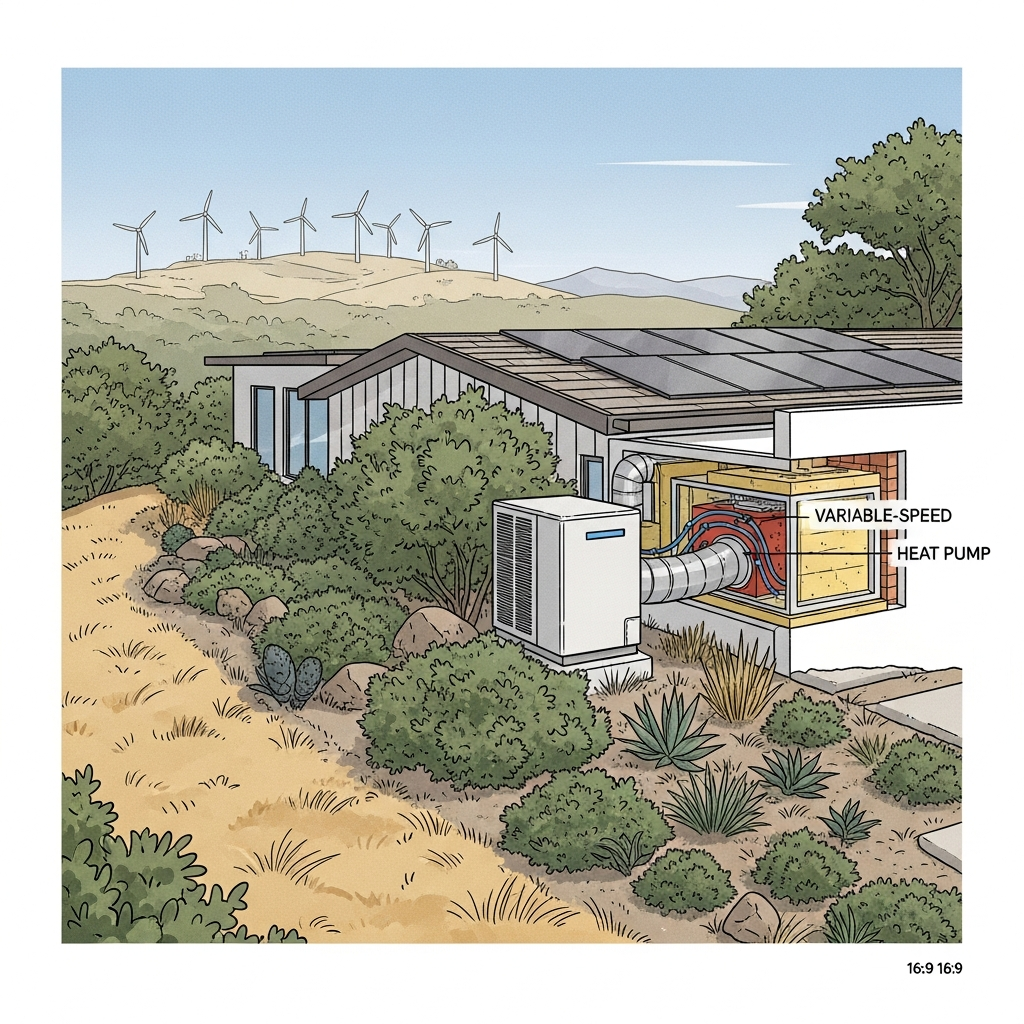
Malibu living invites you to throw open the doors and let the ocean in, but it also asks for care. Our homes cling to bluffs and nestle in canyons where wildlife, neighbors, and the broader coastline share one soundscape and one sky. Cooling those homes thoughtfully is about more than comfort; it’s about being a good steward of a place we all treasure. The encouraging news is that the very strategies that reduce environmental impact also make your spaces quieter, healthier, and easier to live in. When you tune your air conditioning choices to Malibu’s climate, you spend less energy, protect materials from salt and sun, and keep indoor air pleasant even when smoke or fog suggests staying inside.
Over the years I’ve guided upgrades from Trancas to Big Rock, and a pattern stands out: the green path is also the comfort path. Right-sizing, improving airflow, and tightening envelopes reduce noise and hot-cold swings while trimming energy use. And because coastal conditions are hard on equipment, the steps you take for efficiency often extend equipment life, which is its own form of conservation.
Begin With Right-Sizing and Modulation
Oversized systems have an outsized footprint. They short-cycle, miss moisture removal, and use more electricity to produce less comfort. In Malibu’s mixed days—foggy mornings, sunny afternoons—variable-speed equipment shines. It modulates quietly to match the exact load, sipping power while keeping humidity balanced. That steadiness means the house needs less intervention: no blasting air to chase a late-afternoon temperature spike, no clammy mornings after the fog burns off.
Proper sizing starts with an honest load calculation that accounts for glass orientation, shading from native trees, and how open you keep interior doors. In coastal homes with open plans and tall spaces, modulation prevents the “overshoot” that wastes energy and undermines calm.
Seal and Insulate the Air Path
The cleanest kilowatt is the one you don’t spend. Tight ducts and good insulation ensure that the cooling you buy arrives where you need it. In Malibu, attics warm quickly under coastal sun, so insulating ducts and sealing seams with mastic keep conditioned air from bleeding into hot spaces. Returns deserve special attention—leaks there draw in dusty, salty attic air that not only wastes energy but also fouls coils, making compressors work harder.
Inside the home, small air-sealing steps compound: weatherstripping on sliders that face the wind, gaskets behind switch plates on exterior walls, and careful sealing around can lights. Each reduces the infiltration that forces your system to work when nature could carry more of the load.
Think in Systems: Shading, Glass, and Pre-Cooling
Reducing AC impact isn’t just about the unit outside; it’s about how your house handles heat. Shading from pergolas or native plantings cools surfaces before the system sees the load. Interior shades and low-e films turn late-day glare into soft light and reduce the temperature push that starts around cocktail hour. Program your controls to begin a gentle pre-cool before the sun hits the big western windows, so the system glides rather than fights. You feel less, spend less, and enjoy the sunset without noticing the machinery working at all.
On days with clean, dry air, invite the ocean in. Natural ventilation during mild hours lets the house drift into comfort early. Then, as fog or pollen rolls in, close up and let the system hold the line efficiently. This choreography between breeze and compressor is both green and pleasurable.
Choose Low-Impact Refrigerants and Coastal-Ready Materials
Refrigerants have evolved toward lower global warming potential. When planning a replacement, ask about modern refrigerant options and the equipment designed to use them efficiently. Combine that with coastal-rated coils and corrosion-resistant fasteners so your system lasts longer in salty air. Longevity reduces manufacturing and disposal impacts; it’s the quiet, unglamorous side of sustainability.
Protective coil coatings, stainless hardware, and UV-stable insulation on outdoor line sets keep performance steady. Because fouled or leaking coils push compressors to run longer, these material choices pay for themselves in both energy and environmental terms.
Filtration, Health, and Fan Strategy
Cleaner indoor air is a sustainability win in disguise. Efficient filtration allows you to keep windows closed on smoky days without sacrificing health, which prevents those frantic bouts of overcooling to “freshen” a house. A media cabinet that accepts deeper filters reduces pressure drop, so fans use less power to move the same air. Set a low continuous fan mode during events to circulate through the filter quietly and efficiently, then return to auto when air clears.
Humidity is the twin pillar. When indoor air sits in a comfortable range, most people can raise the cooling setpoint a degree or two without noticing, saving energy every hour. Variable-speed systems excel here, running longer at low power to pull moisture gently from the air.
Demand Flexibility and Smarter Scheduling
Even without changing equipment, smarter schedules reduce impact. Pre-cool before peak hours when the grid is most stressed, then let the home coast under shades and fans. In Malibu, our evening breezes often help; let them. If you spend parts of the week away, use geofencing or schedules that let the house drift while you’re gone and recover before you arrive. These “invisible” strategies don’t ask you to compromise; they anticipate the day the way locals do.
Zoned homes take this further. Condition the spaces you occupy when you occupy them, and let guest rooms relax. The system runs less, you enjoy the same or better comfort, and the ocean hears a little less hum from the mechanicals.
Installation That Respects Landscape and Neighbors
Placement matters for sound and performance. A condenser tucked behind a low wall or landscaping sends less noise into the neighborhood and sees less direct wind, which improves efficiency. Vibration isolation pads and flexible connections stop hum from telegraphing into decks where families gather at dusk. A quiet system is not just neighborly; it’s also efficient, because the components aren’t fighting turbulence or resonance.
Clearances around equipment keep airflow clean. Overgrown plantings that look lush can choke a unit and force higher fan speeds. Maintaining a tidy perimeter is an easy, green habit that preserves performance without spending a dime.
Maintenance as Environmental Practice
There’s nothing glamorous about rinsing coils or clearing drains, but maintenance is one of the most effective sustainability tools you have. A clean coil transfers heat better, cutting run time. A tight filter rack prevents dusty bypass that would foul the coil and raise energy use. A verified refrigerant charge saves the compressor from long, inefficient cycles. In Malibu, where salt accelerates wear, this kind of care has an outsized impact because it keeps equipment in its efficient zone.
Think of maintenance like tuning a musical instrument. It keeps the system in harmony with the house and the coast—quiet, responsive, and ready to play softly all season long.
Electrification and the Bigger Picture
As more homes upgrade to modern heat-pump-based systems for both cooling and heating, the pathway to a lower-carbon home gets simpler. In our mild climate, these systems operate efficiently across most of the year, especially when paired with tight ducts and thoughtful controls. If your home integrates on-site solar and storage, scheduling more cooling during sun-rich hours and easing off later lets you ride your own power curve gracefully.
Electrification is not an all-or-nothing leap. It can be staged over time, beginning with envelope improvements, then system upgrades, and finally control strategies that tie it all together. Each step stands on its own while preparing for the next.
Designing With Malibu in Mind
Every property has its microclimate. A house tucked into Ramirez Canyon might feel cool by day and damp by morning; one on a point near Point Dume may be breezier and drier. Walk the lot before you plan. Note sun arcs, wind paths, and the parts of the home that actually see daily use. Place returns high where stratification builds, aim supply air to wash glass gently, and route ducts away from hot roof decks. These design details let a smaller, smarter system do more with less.
Inside, create comfort zones that mirror life: kitchen and great room steady through afternoon into evening, bedrooms a touch cooler at night, studios or gyms tempered when in use. When your system maps to your routine, it spends less time forcing the house and more time maintaining it quietly.
Community Benefits You Can Feel
Reducing your system’s footprint is a personal win and a community one. Quieter, more efficient equipment means calmer evenings up and down the street. Less energy use during peak periods eases strain on the grid that serves the entire coast. Cleaner indoor air with the windows closed during smoke events protects vulnerable neighbors when outside air is at its worst. Sustainability here is practical, rooted in day-to-day choices that keep Malibu livable through the seasons.
Most of all, a home that stays comfortable without drama frees you to enjoy why you live here in the first place: the beach at sunrise, trails after a rare rain, and dinners that stretch long into the blue hour while the house simply holds you in ease.
FAQ: Lower-Impact Cooling in Malibu
Q: What’s the single biggest step I can take to cut AC energy use?
A: Right-size and go variable-speed. Modulating equipment matched to your home’s actual load runs longer at low power, which quietly reduces both energy use and humidity.
Q: Do duct upgrades really matter?
A: Yes. Tight, insulated ducts ensure cooled air arrives where you need it, which lets you run the system slower and shorter. Returns are especially important—seal them well.
Q: Can I rely on natural ventilation?
A: On clean, dry days, absolutely. Use it early, then close up when fog or smoke arrives and let the system hold the line. Smart scheduling and pre-cooling make the switch seamless.
Q: Are newer refrigerants worth prioritizing?
A: They are part of a responsible plan. Pair low-impact refrigerants with coastal-rated coils and good maintenance to keep performance high and leakage risk low.
Q: Does filtration affect efficiency?
A: With the right media cabinet, deeper filters clean better with less resistance, so fans draw less power. Clean coils and tight filter racks amplify that benefit.
Q: How often should I schedule maintenance by the ocean?
A: At least annually, with seasonal rinses and quick visual checks after wind or storm events. Salt accelerates wear, so small, regular care has big returns.
Q: Will zoning help or hurt efficiency?
A: When planned well, zoning helps. It targets comfort where you are and reduces conditioning of empty spaces, which trims run time without sacrificing ease.
When you’re ready to make your cooling quieter, cleaner, and kinder to the coastline, start with a walk-through of your home and a conversation about goals. A coastal-savvy professional can align design, equipment, and habits into a plan that feels effortless. With the right touches, your air conditioning can melt into the Malibu soundscape—cool, calm, and beautifully efficient.