
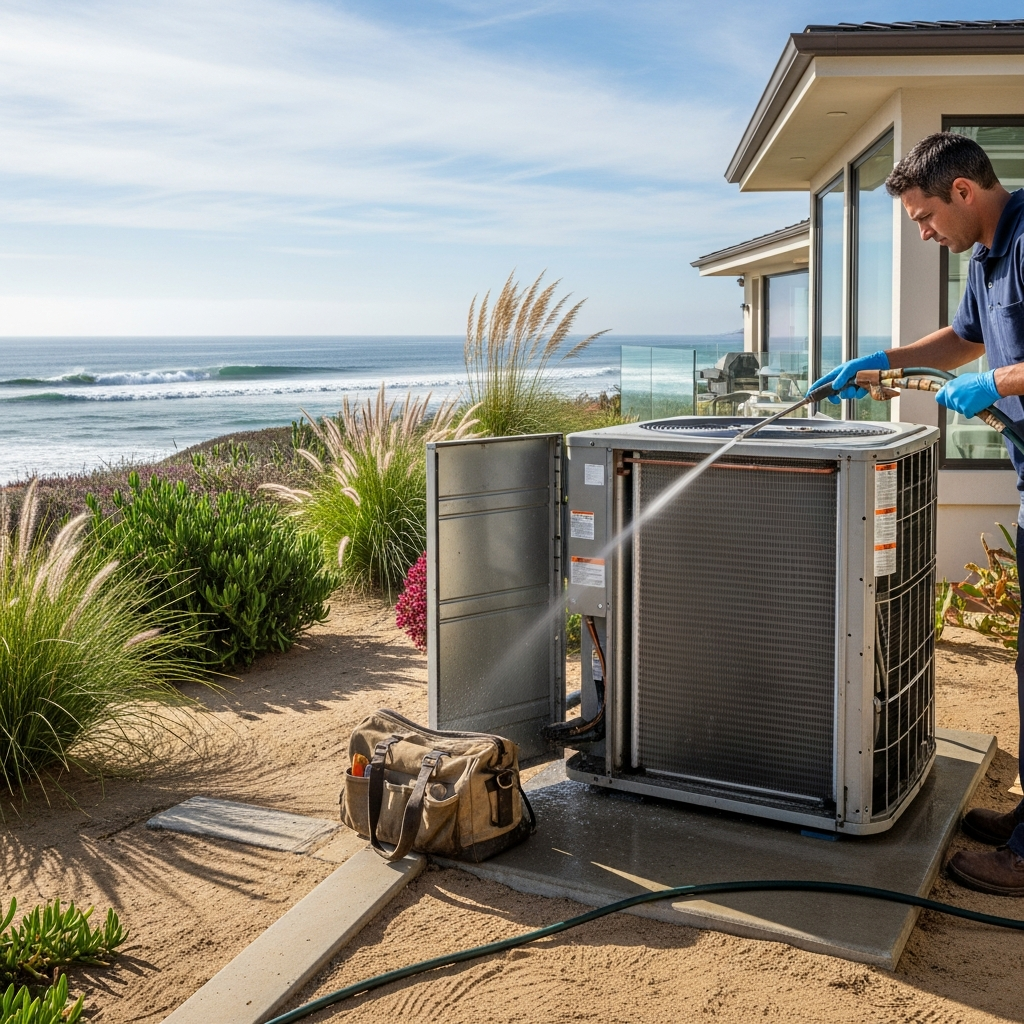
In Malibu, the same sea breeze that makes mornings magical is also the quiet force that challenges your cooling equipment. Salt crystals ride the marine layer, canyons funnel gusts that rattle louvers and vents, and long sunny afternoons bake attics above view-filled rooms. Preventive air conditioning maintenance here is not a chore you check off once a year; it is a thoughtful rhythm tuned to our coastline. Done right, it keeps your home calmer, your air cleaner, and your equipment humming so softly you almost forget it’s there. Before the first heat wave or the next stretch of June Gloom, treat your system like part of the home’s envelope, because that’s precisely what it is. A well-cared-for air conditioning setup is as essential as good windows and weather stripping when you live by the Pacific.
I’ve spent years tending systems from Big Rock to Broad Beach, and the lesson is always the same: small, consistent care beats big reactive fixes. Coastal conditions magnify minor issues. A little salt on a coil becomes pitting, a bit of debris in a drain becomes a ceiling stain, and a loose cable tie in an attic becomes a duct leak that wastes energy and dulls comfort. Maintenance is the antidote, a steady hand that prevents the drip, draft, or drone from ever starting.
Start With Clean, Protected Coils
Outdoor condensers breathe. Onshore winds deliver salt and dust that cling to fins and slowly close those lungs. A gentle fresh-water rinse, performed regularly and especially after windy weeks, removes salt without driving it deeper. Pair that with a non-acidic coil cleaner during seasonal tune-ups, and you reset heat transfer efficiency closer to day one. In particularly exposed locations—low yards near the beach or rooftops facing the swell—protective coatings specified for coastal use add a barrier that slows corrosion dramatically.
Indoors, the evaporator coil works quietly in a closet or attic, and it needs the same respect. A clean coil removes more heat and moisture, keeping rooms crisper during foggy mornings. Because access is tighter, this is a job for trained hands, but it is one of the most impactful pieces of preventive care in Malibu homes.
Filter Discipline for Fog, Pollen, and Smoke
Filters are more than a box-store purchase. The right media balances efficiency and airflow. In coastal homes, I recommend a high-quality pleated filter suited to your system’s static pressure, installed with no gaps around the frame so air cannot bypass the media. Change intervals should flex with the season: longer during mild, clean-air months; shorter during wildfire smoke or heavy pollen days. A quick monthly visual check becomes second nature, and swapping a darkened filter before it loads to the point of whistling keeps fans quiet and happy.
If you or your family are sensitive to particulates, consider an upgraded media cabinet that accepts deeper filters. They last longer, reduce pressure drop, and keep noise down while pulling more from the air. The practical outcome is a home that stays cleaner and feels fresher even with windows closed.
Keep Condensate Flowing
Humidity control is a big part of comfort here, and with it comes condensate—gallons of water on heavy fog days. Drains need slope, traps need to hold seal, and safety switches should be tested before the season heats up. A partially clogged drain line is the classic slow-building problem: it seems fine until it isn’t, then shows up as a damp patch in a ceiling or a musty smell in a closet. During maintenance visits, a technician should clear the line with appropriate methods, verify trap design, and confirm that overflow sensors will shut the system down before water finds its own path.
Where code allows, routing condensate to daylight with thoughtful discharge points reduces reliance on pumps and simplifies the system. In remodels, upgrading aged pumps and tubing is inexpensive insurance, especially in multi-level homes where air handlers are above living spaces.
Ducts: Quiet, Tight, and Salt-Resistant
Ductwork in Malibu lives hard lives—hot attics, breezy eaves, and the occasional inquisitive critter. Preventive care means inspecting insulation for sun-baked decay, taping joints with mastic rather than temporary foil tape, and supporting runs so they neither sag nor thrum in the wind. Pay special attention to returns, which are the lungs of the system. Leaky returns pull dusty attic air that coats coils and clogs filters, compounding maintenance needs.
Metal components near exterior vents deserve a corrosion check. Replacing rusted fasteners with stainless and upgrading exterior grilles to coastal-rated materials prevent rattles and stains on stucco. The quieter and tighter the ducts, the more of your conditioned air arrives where it should, which lets the system run slower and longer for better dehumidification.
Electrical and Controls: Calm, Predictable Operation
Between sun, salt, and the occasional wind-whipped branch, equipment wiring and disconnects need eyes on them. During service, lugs should be tightened to manufacturer spec, contactors checked for pitting, and capacitors tested before they announce themselves with a mid-August failure. Inside, thermostats should be recalibrated and located away from direct sun or heat sources—common in glassy rooms where afternoon light can trick sensors.
Modern controls offer gentle fan settings that keep air moving quietly through the filter even when cooling demand is low. Enabling those modes during marine-layer mornings can tidy up humidity without chilling the house. If you travel, schedules and geofencing prevent waste and help the house drift gracefully when you’re gone, then recover before you arrive.
Seasonal Rhythm That Fits Malibu
Spring is the time for a thorough inspection: coils cleaned, drains cleared, refrigerant charge verified, duct leakage addressed, and test runs under load. Summer is about filter vigilance and keeping brush and sand from collecting around condensers. Autumn brings Santa Anas and, sometimes, smoke—this is when enhanced filtration and continuous low-speed fan modes shine. Winter is quieter for cooling gear, but not for maintenance; salt never takes a season off. A quick rinse on clear days and a visual once-over after storms keep corrosion from starting small and ending big.
Homes right on the sand face different challenges than those up in the canyons. If your lot sees blowing sand, a simple wind screen placed to preserve airflow can keep condenser fins from sanding themselves dull. If you’re hillside, anchor points for outdoor units should be checked; gusts funneling down ridges can loosen mounts over time.
Airflow Balancing for Open Plans
Open kitchens and two-story great rooms are signature Malibu spaces. They are also notorious for stratification—warm upstairs, cool downstairs. Preventive maintenance includes verifying damper positions, checking that high returns are clean and unobstructed, and confirming that supply registers throw air where occupants actually sit. Small tweaks, like adjusting diffuser blades or increasing fan speed a touch during peak hours, can smooth comfort without invasive work.
Zoned homes deserve extra attention. Each zone’s sensor should read accurately, and schedules should reflect how you live now, not how the system was first programmed years ago. In practice, this means you might let the guest wing drift most days and hold the great room steady from late afternoon through sunset dinners.
Refrigerant Health and System Integrity
Refrigerant isn’t a seasonal top-off; it’s a sealed system. If levels are low, find the leak rather than masking the symptom. In coastal environments, corrosion on line-set fittings and outdoor coil connections is the usual suspect. A proper pressure test, followed by repairs and vacuum to manufacturer spec, restores performance. While the covers are off, inspect vibration isolation pads and ensure line sets are protected from sun where they run outside to prevent insulation decay.
For homes that have transitioned to newer refrigerants, confirm that service tools and charging procedures match the refrigerant type. Accurate measurement matters more than ever with variable-speed equipment, where small deviations can show up as poor dehumidification or odd cycling.
What Homeowners Can Do Between Visits
You don’t need a tool bag to support your system. Keep a clear zone around outdoor units—two to three feet free of planters, surfboards, and beach gear—so air can move. Hose off condensers with fresh water after salty weeks. Glance at the filter monthly, and listen for changes: new rattles, whistles, or fan sounds are your cue to call before something grows into a problem. If you love natural ventilation, enjoy it—but close up on foggy days and let the system dry the house back to steady comfort when the sun burns through.
Most importantly, treat maintenance like the friendly ritual it is. Pick two anchor weeks—one in spring, one in early fall—and make them your system’s spa days. You’ll feel the difference in quieter operation, steadier comfort, and the satisfying sense that the house runs itself.
The Payoff: Comfort, Reliability, and Peace
Preventive care is not about fussiness. It is about removing noise—literal and metaphorical—from your life. When coils are clean, ducts are tight, drains are clear, and sensors are honest, the system fades into the background. You notice the house more than the hardware: cool upstairs even with glass walls glowing at sunset, dry and fresh on foggy mornings, calm and protected during smoke events. And when the first heat wave arrives, you’re already ready. The phone stays in your pocket, and dinner goes on as planned.
Along the way, energy use stays reasonable because the system works with less effort. Components last longer because they aren’t fighting grime and imbalance. And maintenance visits get simpler because the baseline is healthy. It’s not magic, just good stewardship matched to a coastline that rewards attention.
FAQ: Preventive AC Care in Malibu
Q: How often should I rinse my outdoor unit?
A: In Malibu’s salt air, a gentle fresh-water rinse every month or two during windy seasons helps. After major wind events, an extra rinse is smart. Professional cleanings complement, not replace, those touch-ups.
Q: Which filter should I use?
A: Choose a high-quality pleated filter recommended for your system’s airflow. Deeper media cabinets allow thicker filters that clean better with less noise and pressure drop. Change cadence should flex with smoke and pollen events.
Q: Do I need coil coatings?
A: On exposed lots near the beach, yes—coatings extend coil life and preserve performance. On sheltered hillside properties, good rinsing and routine service may be enough. A site visit guides the decision.
Q: My drain has overflowed before—how do I prevent it?
A: Clear the line during service, verify trap design, and test safety switches. Where possible, route to daylight with a smart discharge point to reduce reliance on pumps.
Q: Is variable-speed equipment harder to maintain?
A: It’s different, not harder. It benefits most from clean coils, proper charge, and accurate sensors. When maintained, it runs quieter, dehumidifies better, and lasts longer.
Q: Can maintenance improve noise levels?
A: Yes. Tightening ducts, replacing rattly grilles, balancing airflow, and addressing fan speeds often quiet a system noticeably. Clean components also simply sound better.
Q: Should I leave the fan on continuously?
A: During smoke or heavy fog, low continuous fan with a good filter can help clean and dry the air. Otherwise, auto mode is efficient. Your technician can tune a low-speed circulate setting that suits your home.
If you’re ready to set your system up for a calm, reliable season, schedule a visit with a coastal-savvy technician and make a plan you can follow without fuss. With the right habits and a partner who understands the shoreline, your air conditioning will stay quiet, clean, and dependable—just the way Malibu living should be.