
Malibu AC Troubles: Local Problems and Practical Fixes
Malibu’s beauty comes with a toolkit of challenges for cooling systems. Salt in the air, fog that clings long after breakfast, sandy feet in and out all day, and winds that whip down the canyons—each plays a role in how your AC behaves. The good news is that many problems show early signs you can recognize, and a handful of quick, safe actions often restore comfort before you need a van in the driveway. Having tended systems along Carbon Beach decks, in Point Dume ranch houses, and up the winding lanes of Corral Canyon, I have gathered the most common issues Malibu homeowners face and the simple steps that help. Along the way, I will also explain when to call a pro for deeper air conditioning attention.
Before we dive into specifics, remember that listening is half the work. A change in the way your condenser hums, an unexpected drip, or a new smell near a return grille often tells you exactly where to look. Malibu homes talk; it is just a matter of learning the dialect.
Issue: Weak Cooling on Warm Afternoons
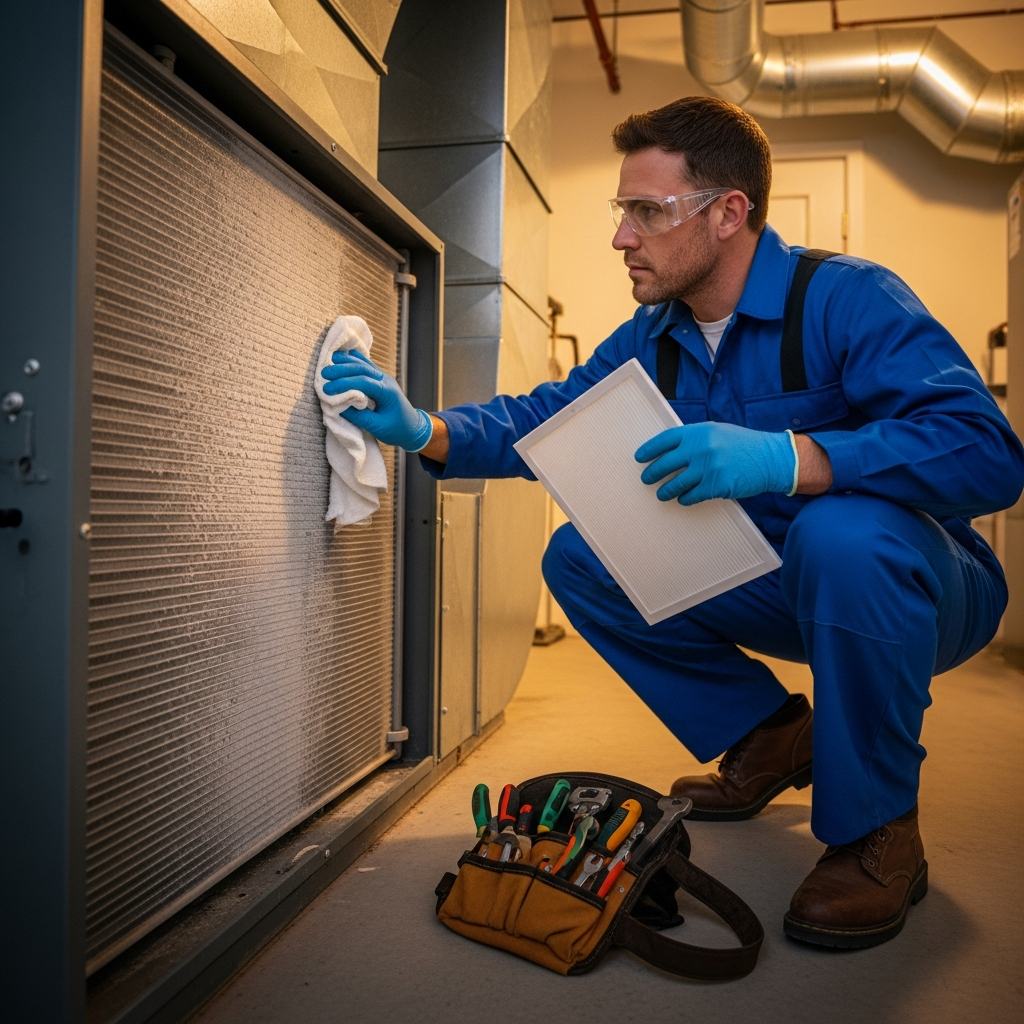
On a golden afternoon, if rooms feel stuffy and the thermostat seems stubborn, airflow is the first suspect. Filters load quickly here—salt and sunscreen residues bind fine dust into a dense layer. Check your filter; if it looks dark or feels resistant, replace it. Then step outside. Look through the condenser fins. If you cannot see daylight, you cannot move enough air. Gently rinse the coil with fresh water, letting it soak and shed salt film. Give the unit time to dry before a long run.
If the condenser fan is running but the air blowing out the top is not warm, that suggests poor heat rejection and points back to dirty fins or an imbalanced fan. If the air is barely moving, the fan capacitor could be tired. That is a professional fix, but your quick step is to clear space around the unit and make sure nothing is obstructing the grille.
Issue: Short Cycling on Mild Days
Malibu’s mild afternoons can expose an oversized or poorly tuned system. Short cycling wastes energy and never quite dries the air, leaving a clingy feel indoors. Start by verifying thermostat location—if it is near a sunny slider or in a drafty hallway, it senses swings that the rest of the house does not feel. Closing blinds on the sensor wall and moving heat sources away can smooth the reading. Also check that supply registers near the thermostat are not blasting it with cold air.
Next, look for clogged filters or closed registers. Restricting airflow can cause the coil to get too cold, forcing a safety shutdown that looks like short cycling. Clean filters and open registers restore the steady, longer cycles that make Malibu homes feel more like they are breathing than panting.
Issue: Water Where It Should Not Be
With our fog-to-sun patterns, condensate lines see heavy use. A puddle under the air handler or a drip from a ceiling register often traces back to a partially clogged drain. Your first move is to power the system down, then verify that the drain outlet is flowing outside when the system runs. If you have access to the line’s cleanout, safe maintenance methods to clear a mild clog can help. Keep an eye on the secondary pan; any water there is a loud warning that the primary line needs attention.
To prevent recurrence, check for continuous downhill slope. In hillside homes, framing shifts can create a sneaky back-pitch. If your trap has dried out during a Santa Ana stretch, prime it so odors do not drift back through the line. A little vigilance with drains goes a long way in Malibu, where humidity and warmth can grow algae fast.
Issue: Ice on the Indoor Coil or Lines
Ice is the AC’s way of telling you it is starved for airflow or low on refrigerant. In Malibu, airflow is the more common culprit. Turn the system off to let the ice melt—running it frozen only compounds the problem. Replace a dirty filter, open closed registers, and check that return grilles are not blocked by furniture or beach totes. When you restart, listen for normal airflow and watch for even cooling.
If ice returns quickly with a clean filter and open vents, it is time for professional diagnostics. Low refrigerant threatens the compressor and often points to a leak that needs proper repair, not topping off. Your contribution is confirmation: clean path for air, no obstructions, and a patient thaw before the next test run.
Issue: Odd Smells on Startup
Musty or sour smells usually hint at a damp coil or a drain problem. Malibu’s marine layer can keep coils wet longer, especially if fan-only operation re-evaporates moisture into the ducts. Run the system on cool long enough to dry the coil thoroughly. Check the drain for steady flow and clear any visible obstructions. If odors persist, the blower wheel or coil face may be dirty, a task better handled with the right cleaners and care to protect finishes.
Burnt smells demand caution. Turn the system off and investigate for stuck debris in the outdoor fan or a slipped belt on older indoor units. If the smell is electrical, wait for a qualified technician. Salt and humidity can accelerate corrosion on terminals, and overheating is not a place for guesswork.
Issue: Loud Outdoor Unit
Sound travels in Malibu, especially at night across the beach flats and along canyon walls. A new rattle may be as simple as a loose panel from wind or a palm thread flicking the fan blade. Tighten accessible screws gently and clear debris from the grille. If the fan wobbles or you hear grinding, shut the system down and schedule service. Prolonged vibration loosens everything else and can quickly turn a small fix into a bigger one.
Also look around the unit. Decorative screens, lounge chairs, or stacked surfboard bags drifting too close create a resonant echo and restrict airflow. Give the condenser a comfortable bubble and it will repay you with quieter, cooler performance.
Issue: One Room Never Cools
Malibu remodels sometimes leave hidden duct kinks or starved runs, and rooms with ocean-facing glass can collect heat faster than others. Start with basics: open the register fully, move furniture that blocks flow, and check for closed dampers. If accessible, peek into the attic for crushed flex or disconnected runs following a recent project. On the beach, salt can corrode small balancing dampers over time, freezing them in place; gentle exercise of those controls can help even out airflow.
Keep in mind the role of solar gain. Simple shading at critical hours can change a room’s behavior dramatically. Your AC then works with the architecture, not against it.
Issue: Breaker Trips on Hot Days
Breakers trip to protect equipment. A dirty condenser, failing capacitor, or corroded contactor increases current draw, especially when the sun bakes cabinet panels. Your first, safe step is to clean around the unit, rinse the coil, and let it dry. Reset the breaker once. If it trips again, call for service and resist repeated resets. Malibu’s salt can make small electrical issues escalate quickly under load, and a measured response prevents further damage.
Issue: System Runs but Air Is Warm
Warm air from the vents while the outdoor unit hums points you to the condenser fan and coil. If the fan is not spinning or is slow, airflow over the coil is insufficient. Shut the system down and clear debris. If the fan still struggles at restart, the motor or capacitor may be failing. Another possibility is a severely clogged indoor filter or a coil that has matted over from months of salt-laced dust. Address airflow first; then, if the problem persists, a technician can verify refrigerant pressures and component health.
Pro Tips for Malibu-Specific Prevention
Small habits pay off here. Rinse the condenser with fresh water on calm mornings to dissolve salt before it cakes. Keep at least a couple of feet of clearance from vegetation and outdoor living gear. Check filters more often during surfy, windy weeks or after smoke events. Watch the emergency drain outlet; a surprise drip there is a nudge to act before a ceiling stain forms. These are the rhythms that align with Malibu’s environment and keep equipment from feeling overworked.
Consider the placement of beach furniture and grills. Heat and salt vapor rise and wander; giving the condenser a quiet corner out of direct blast from the ocean and out of the way of party traffic reduces accidental bumps and grit.
When Quick Fixes Are Not Enough
Trust your senses. If the condenser sounds strained, if you smell electrical heat, or if ice returns quickly after a careful thaw and filter change, pause and make the call. Malibu’s coastal conditions magnify small issues, and timely professional help protects compressors and coils from damage that is more complicated to address later.
Mid-Season Nudge
Somewhere between early July and the first late-summer heat spike, open your calendar and pencil in a brief review of your air conditioning habits. Ten minutes to check filters, drains, and condenser clearance is often the difference between an easy weekend and an emergency errand run on PCH.
Frequently Asked Questions
Q: How often should I rinse my outdoor unit near the beach?
A: Lightly every few weeks during salty, breezy periods and more thoroughly at least once a season. Always use gentle water pressure to protect fins.
Q: What causes that musty smell after foggy mornings?
A: Moisture lingers on the coil and in the pan. Let the system cool long enough to dry the coil, and verify that the drain is flowing. Avoid fan-only mode when it is damp.
Q: Is it okay to run the AC when the coil has some ice?
A: No. Turn it off and allow it to thaw. Address airflow first with a clean filter and open registers. If icing returns, call for diagnostics.
Q: My outdoor unit is loud at night—what can I do?
A: Clear debris, tighten accessible panels, and ensure nothing is placed close enough to reflect or amplify sound. Persistent wobble or grinding needs professional attention.
Q: Why does one room feel hotter even after fixes?
A: It may collect more sun or have a duct restriction. Shading and a duct check often resolve stubborn hot spots in Malibu’s glass-rich homes.
Stay Comfortable with Confidence
Most Malibu AC troubles yield to a watchful eye and a few thoughtful steps. When you want a seasoned partner who knows how salt, surf, and canyon winds shape performance, connect with local air conditioning experts who speak our coastal language. A little attention now means breezy, effortless comfort when the weekend crowd arrives.