
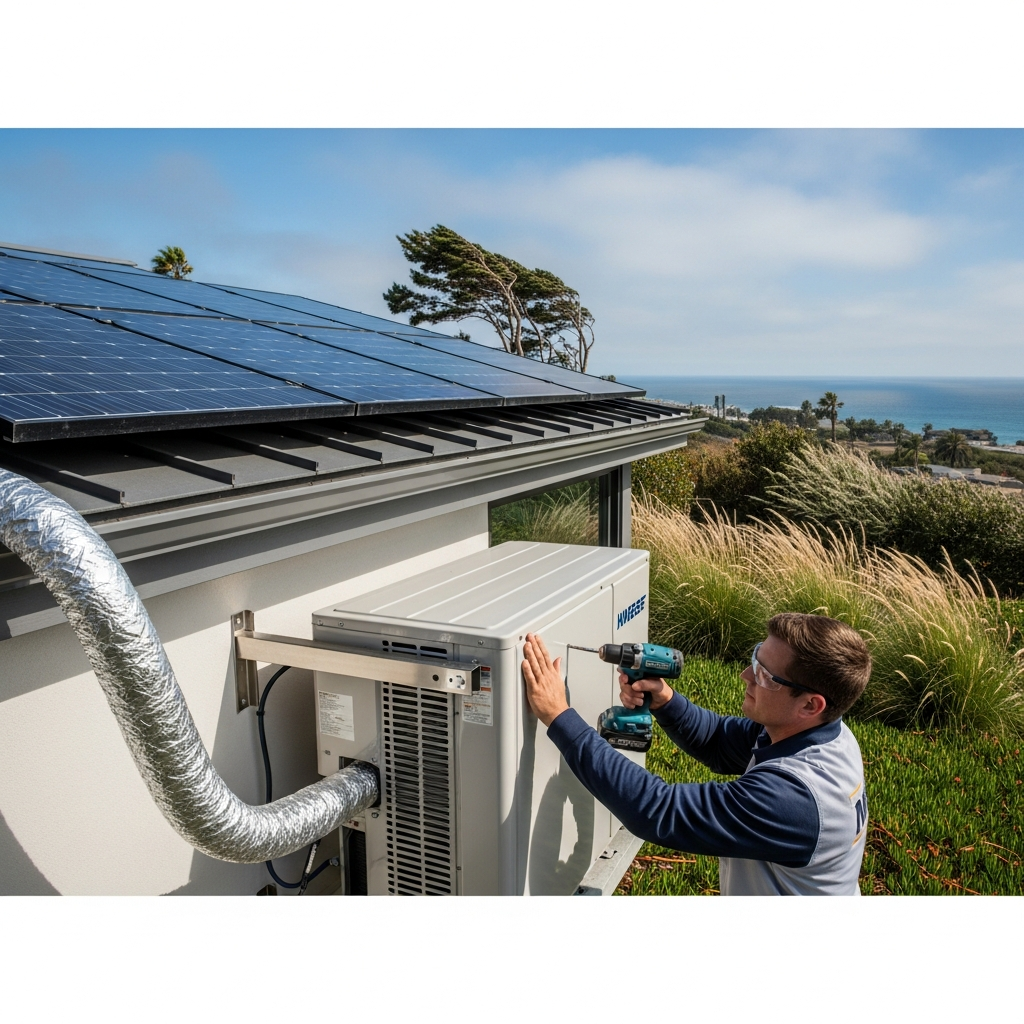
When you live between the cliffs and the Pacific, comfort is not just about lowering a number on a thermostat—it is about making a Malibu home that breathes with the ocean and holds a steady, satisfying cool during long afternoons. Energy efficient air conditioning installation begins with understanding that dance. I have spent years stepping into homes from Point Dume to Carbon Beach, reading how glass, shade, canyon winds, and salt air shape each space. The result, when done right, is a system that hums quietly, sips energy, and makes those high-summer days easier on both you and the grid. If you are thinking about new equipment or planning a renovation, this guide will walk you through what matters, why it matters here on the coast, and how to make decisions that pay back in comfort and resilience, starting with a focus on best-in-class air conditioning design.
The first truth of an efficient installation is that equipment selection is only half the story. A beautifully rated condenser can still disappoint if the ducts are undersized, the returns are choked, or the thermostat sits in sunlight. Conversely, a properly sized, thoughtfully installed mid-tier system can outperform a premium unit that is mismatched to the envelope. Malibu’s microclimates amplify this point, because a home tucked into a canyon often needs a different design approach than one with an oceanfront exposure and high wind loads. The aerodynamic effects of afternoon gusts, radiant heat through wide windows, and salty air that encourages corrosion all shape the right choices for your project.
Load Calculations: The Foundation Of Efficiency
Before a single piece of equipment is chosen, an accurate load calculation is essential. This is the step that translates your home’s dimensions, insulation levels, window performance, infiltration rates, and sun exposure into a cooling requirement. In practice, it means we count more than square footage—we examine how a two-story living room behaves at sunset, how the upstairs collects heat over the garage, and how the marine layer moderates nights but not always afternoons. With a proper calculation, we avoid oversizing, which can lead to short cycling, poor dehumidification, and noise. We also avoid undersizing that leaves you struggling on the hottest days. The sweet spot matches capacity to your envelope so that the system runs long enough to pull moisture from the air while maintaining steady, efficient operation.
In Malibu, load calculations also take shading into account. Mature trees, eaves, and coastal fog can reduce peak loads in the mornings, but late-day sun on west-facing glass can dominate. We look at window specifications, especially low-E coatings, and we note any plans for future changes such as adding a shade structure or upgrading glazing. The closer we get to the true load profile, the more precise our equipment selection becomes.
Inverter Technology And Variable Speed
For many Malibu homes, inverter-driven systems make an enormous difference in both comfort and efficiency. Unlike single-speed units that cycle on and off, inverter compressors ramp up or down to meet real-time cooling demands. That means quieter operation, better humidity control, and fewer temperature swings. Pairing an inverter outdoor unit with a variable-speed air handler creates a system that adapts as the marine layer rolls in, as clouds pass, and as the house empties or fills with guests. These systems tend to do particularly well in homes with fluctuating loads—common here due to large glass exposures and multi-level layouts.
Variable speed also opens the door to improved filtration without penalizing airflow. By modulating fan speed to maintain target static pressure, we can achieve cleaner indoor air without overtaxing the blower. That is a useful benefit for households sensitive to seasonal smoke or pollen, and it makes the home feel crisper during humid days when airflow matters as much as temperature.
Ductwork: Quiet Efficiency You Can Feel
A high-efficiency condenser cannot save energy if the ductwork leaks or chokes airflow. In older Malibu homes, ducts may run through attics with varied insulation quality or through crawlspaces where salt air and rodents have had their way. During installation, we assess duct size using friction rate and target CFM, seal joints meticulously, and insulate to protect against radiant attic heat. Return air is often the most overlooked component; too little return makes the system work harder and louder. By ensuring generous, well-placed returns—especially for systems serving second floors—we lower static pressure and let the variable-speed blower do its job quietly and efficiently.
Sound control is part of duct design, too. Placement of supplies away from quiet zones like bedrooms, use of gentle transitions instead of sharp elbows, and isolation of the air handler from framing all reduce transmitted noise. In homes where ocean waves set the sonic backdrop, a silent HVAC system is not a luxury; it is part of what makes the space feel like Malibu.
Coastal Considerations: Corrosion And Wind
Salt air is relentless, so coastal-rated equipment and thoughtful placement are essential. That includes coil coatings that resist corrosion, fasteners and cabinets designed for marine environments, and strategic siting that minimizes direct salt spray. Where possible, we avoid placing condensers in wind tunnels created by side yards or between structures. Strong gusts can disrupt condenser airflow and lower efficiency; careful positioning and occasional use of wind baffles can help. Plantings and fences are planned with clearance to maintain service access and air movement without channeling salt directly onto the unit.
We also plan for clean, condensed water drainage. Malibu’s varied topography means that condensate lines often need thoughtful routing to avoid backflow or pooling in landscaped areas. Using proper slope, cleanout tees, and condensate safety devices ensures that maintenance stays simple and water stays where it belongs.
Controls And Smart Thermostats
Smart controls are most valuable when they match your lifestyle. In Malibu, schedules may be more fluid than rigid, with beach days, school runs, and weekend guests shaping occupancy. A thermostat that senses occupancy and learns patterns can trim waste without sacrificing comfort. Zoning or room sensors can address hot bedrooms over the garage versus cooler, shaded spaces on the first floor. When integrated properly, these controls let inverter systems shine by nudging capacity gently rather than slamming on and off. We also pay attention to thermostat placement—keeping it out of direct sunlight and away from drafts to prevent false readings.
Installation Craftsmanship: The Hidden Efficiency
The neatness of a line set run, the precision of a brazed joint, and the accuracy of a refrigerant charge are not cosmetic details; they are the difference between a system that hits its performance numbers and one that underdelivers. We pressure test with nitrogen, evacuate to deep vacuum verified by decay testing, and weigh in refrigerant to manufacturer specs, then fine-tune by verifying superheat and subcooling. Electrical connections are torqued properly, condensate lines are trapped and protected, and insulation is sealed against UV exposure. These steps do not show up in glossy brochures, but they define real-world efficiency and reliability.
Commissioning concludes with measured airflow, supply temperatures, and control verification so that you see, in writing, how the system performs on day one. It is both a quality check and a baseline for future maintenance.
Envelope Improvements That Multiply Results
Sometimes the most energy efficient “installation” is a small envelope upgrade. Better attic insulation, window film on a hot western exposure, or a simple shading strategy can shave the peak load enough to move you to a smaller, quieter system that costs less to run. In Malibu’s climate, even modest tightening of the envelope—paired with smart ventilation—can reduce run times significantly. When we talk about equipment options, we also look at the easy wins around the house that help the system you choose perform better and last longer.
Heat Pumps And The Malibu Climate
Modern heat pumps are a compelling option for many coastal homes, delivering efficient cooling in summer and comfortable heat in winter without combustion. In our temperate climate, they excel, especially when married to inverter technology. If you are considering a renovation or a new build, a heat pump can offer year-round comfort with fewer mechanical systems to maintain. The quiet, steady output suits open-concept living rooms and glassy, ocean-view bedrooms, and the efficiency profile pairs well with solar where available.
Noise, Aesthetics, And HOAs
Some Malibu neighborhoods have strict expectations around visual impact and sound. Thoughtful placement of outdoor units, use of low-profile equipment, and attention to nighttime sound ratings keep neighbors and HOAs happy. For interior design, slim air handlers, recessed return grilles, and paint-matched registers maintain clean lines. During planning, we coordinate with your architect or designer to hide what you do not want to see and showcase what you do—chiefly, a serene, comfortable home.
Maintenance Planning From Day One
An efficient installation sets you up for simpler maintenance. Clear coil access, properly placed service valves, and a condensate cleanout reduce future service time and risk. In Malibu’s salty air, we recommend gentle freshwater rinses of outdoor coils and scheduled inspections to catch corrosion early. When the system is installed with maintenance in mind, you spend less time worrying and more time enjoying that calm feeling when the house is cool, quiet, and clean.
What To Expect During The Installation
On installation day, the work begins with protection of your home—drop cloths, careful staging, and clear communication about where we will be and when. We remove old equipment with care, often identifying duct or electrical issues that benefit from quick correction before the new system goes in. As line sets are run and connections made, you will see attention to detail that looks like craftsmanship because it is. By the end of the day, testing verifies performance, and you will have a simple, written guide to your new controls and maintenance plan.
In the middle of these decisions and details, it is helpful to remember why you are doing this at all: to create a cool, serene space that works with Malibu’s rhythm rather than pushing against it. That goal is attainable, and it is within reach when the design, equipment, and installation craft line up behind your needs. If you want your home’s air conditioning to feel effortless, it starts with a process that pays attention to the coast—its sun, its breezes, and its salt—and respects how you live day to day.
FAQ: Energy Efficient AC Installation In Malibu
Q: How do I know if my system is the right size? A: A professional load calculation that considers insulation, windows, shading, and occupancy is the only reliable way. Square footage alone is not enough, especially in Malibu’s varied microclimates.
Q: Are inverter systems worth it? A: For most Malibu homes, yes. They provide smoother comfort, better humidity control, and lower energy use by modulating capacity rather than cycling on and off.
Q: What about ductless versus central systems? A: It depends on the home. Ductless shines for additions, guest suites, and homes without existing ducts. Central systems suit whole-home comfort where ducts can be optimized and concealed. Hybrids are common and effective.
Q: How does salt air affect my choice of equipment? A: Choose coastal-rated components with protective coatings, site the condenser thoughtfully, and plan for gentle rinses and periodic inspections to manage corrosion risk.
Q: Will a smart thermostat save energy? A: When set up correctly and placed away from sun and drafts, smart controls can trim waste by aligning operation with your actual patterns. Room sensors or zoning amplify that benefit.
Q: Can I reduce the size of equipment by improving my home’s envelope? A: Often, yes. Adding insulation, upgrading windows, or shading key exposures can lower the required capacity, improving comfort and lowering operating costs.
Q: How long will installation take? A: Most straightforward replacements take a day. More complex projects with duct modifications or zoning may take longer, but the result is a cleaner, quieter, more efficient system.
Begin Your Malibu Installation The Right Way
If you are ready to explore options that make your home cooler, quieter, and more efficient, reach out for a site visit tailored to your space. We will evaluate your envelope, discuss your goals, and present clear choices that honor both performance and aesthetics. Start your project with coastal-savvy air conditioning expertise, and feel the difference every afternoon when the breeze shifts and your home stays perfectly still and comfortable.