
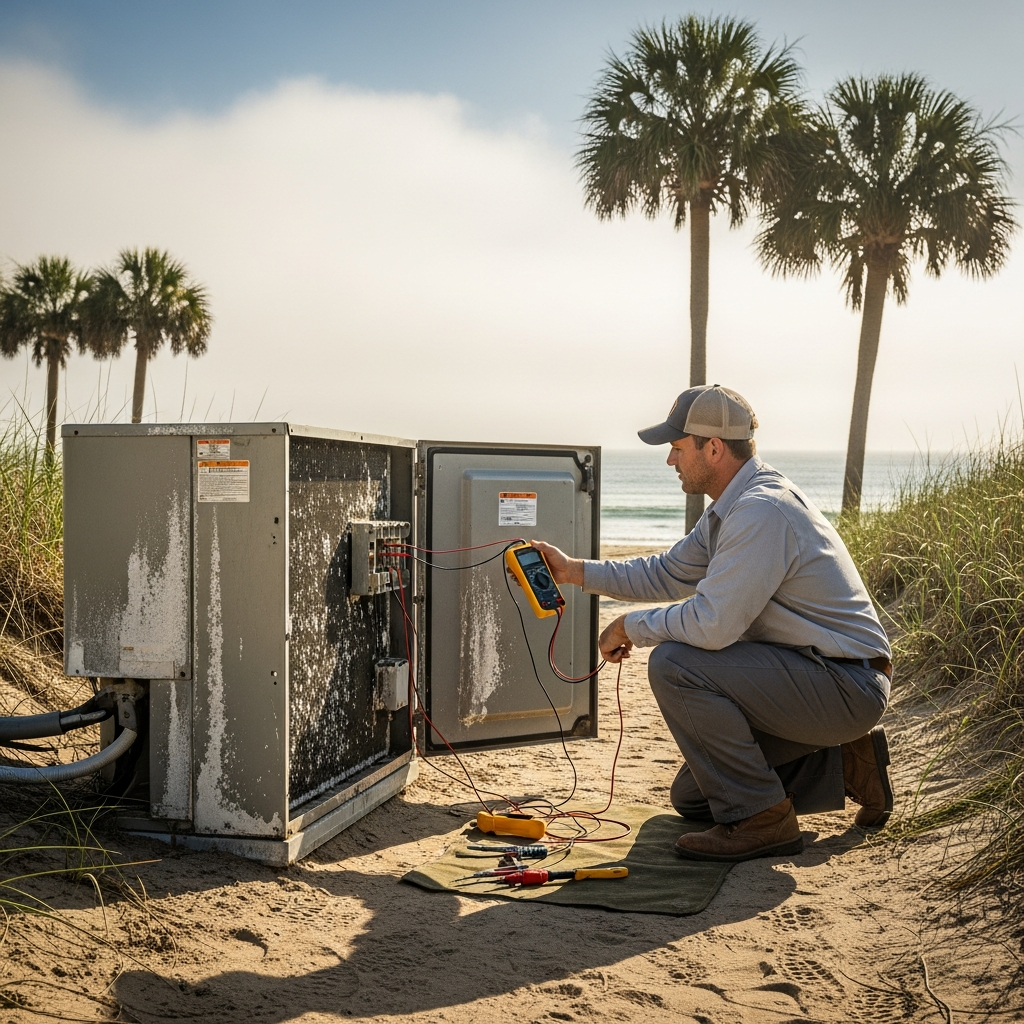
Troubleshooting an AC system in Malibu is part detective work, part local knowledge. The same sound or symptom that might mean one thing in a landlocked suburb can mean something else entirely by the ocean. Our homes face salt-laden fog, sand stirred by onshore winds, and marathons of sunny afternoons that test a system’s stamina. I’ve answered calls from Point Dume to Carbon Beach where the problem turned out to be uniquely coastal—a fan blade etched by salt and running out of balance, a control board acting up after a week of damp mornings, a condenser struggling in a nook that traps salty air. This guide walks you through the most common issues you can assess safely, what clues matter most, and when to call in a pro, all with Malibu’s environment in mind. Along the way, I’ll point out how reliable air conditioning depends on details we can influence with smart troubleshooting.
Start with the simple: power, thermostat, and airflow
Begin indoors with the thermostat. Confirm it’s set to cool and the setpoint is below the current room temperature. Check that schedules or vacation modes aren’t overriding your intent. In beach houses with lots of glass, sunlight can warm the wall behind a thermostat and trick it into thinking the room is hotter than it is—or cooler if the marine layer rolls in—so note whether it’s in direct sun.
Next, listen for the indoor blower. If it’s quiet when you expect it to run, verify the air filter isn’t clogged. Malibu’s mix of dust and sea salt can load filters faster than you’d guess, especially after wind events. Pull the filter and inspect light through it; if you can’t see much, it’s time for a replacement. A choked filter reduces airflow, and low airflow can make coils too cold, icing them up and limiting cooling even further. If you see frost or condensation around the indoor cabinet, turn the system off and let it thaw before restarting.
Outdoor checks with a coastal lens
Outside, approach the condenser with eyes and ears. Is the fan running smoothly? A harsh, raspy tone can signal a pitted blade or motor bearings taking on moisture. Look through the coil fins; do you see salt crusting or sand lodged at the base? Even a light film can impede heat rejection and make the system labor. Gently clear debris around the unit, making sure there’s clear space on all sides for air to move. If the unit is in a sheltered alcove, note how air flows—still, salty pockets are common in tight spots, and recirculation can drive temperatures higher than expected.
Electrical reliability matters at the coast. Inspect the disconnect box near the unit for signs of corrosion and ensure it’s fully seated. If breakers have tripped, reset once only and observe. Frequent trips suggest deeper electrical or mechanical issues. In hillside installations, check that the platform is secure and not transmitting vibration to the house; loose fasteners can amplify noise and wear.
Symptoms and what they often mean here
Warm air from vents under moderate outdoor temperatures can point to low refrigerant—or simply a filthy coil and low airflow. Short cycling may indicate a failing capacitor, but salt corrosion at a pressure switch can cause similar behavior. Unusual odors at startup often trace back to damp coils and dust, particularly after a foggy week. If your system hesitates on cool mornings and smooths out later in the day, suspect moisture on sensors and terminals.
Uneven room temperatures are common in Malibu’s eclectic homes. Additions and remodels sometimes leave duct systems with long runs and mismatched registers. Before blaming the equipment, verify that supply registers are fully open and not hidden behind furniture, art, or newly placed bookcases. In oceanfront properties, salty film on windows can increase solar gain, making rooms feel hotter than expected; shading and reflective treatments complement mechanical troubleshooting.
When the issue follows the weather
If your AC seems fine on dry days but misbehaves when the marine layer lingers, suspect condensation on electronics and connections. Control boards often live in mildly protected spaces that still experience humidity swings. A technician can inspect for conformal coatings, tighten terminations, and, if appropriate, add gentle heat or ventilation to sensitive enclosures. For outdoor fans that stumble after damp nights, motor leads and connectors deserve a close look for corrosion that adds resistance at startup.
Wind direction matters too. Strong onshore winds can push hot condenser exhaust back into the coil if the unit sits in a recess, effectively making it breathe its own waste heat. In these cases, strategic baffles or a slight relocation can transform performance without changing the equipment. Troubleshooting should include watching airflow patterns around the unit during a breezy afternoon.
Listen for changes, not just loudness
Noise is a storyteller. A new rattle after a particularly windy weekend often means a panel screw backed out or a branch nudged something loose. A steady hum that grows harsher over weeks hints at pitting on a blade or bearings losing lubrication. Clicking without startup could be a contactor fault or weak capacitor; at the coast, it can also be a contactor whose surfaces have oxidized. Tracking when noises occur—morning, afternoon, after fog—gives your technician crucial context.
Indoors, whistling near registers can signal high static pressure or a filter too restrictive for the blower speed. Malibu remodels sometimes create narrow return pathways that a new, high-MERV filter chokes further. Part of troubleshooting is confirming the filter choice matches the duct reality, not just a generic recommendation.
DIY steps that are safe and useful
Power down the system and check the outdoor coil for visible debris; rinse gently from the inside out if you’re comfortable removing the top panel. Replace or clean the air filter. Verify that supply and return grills are free. Reset the thermostat by removing it from its base (if the design allows) and reseating after a minute, which can clear minor software glitches. These steps resolve a surprising number of calls, especially after dusty weekends or long periods of fog.
What you shouldn’t do is open sealed electrical compartments or attempt to add refrigerant. Coastal troubleshooting often requires testing under load, verifying microfarad values, and checking for pressure drops—tasks that need proper tools and safety practices. If a simple reset doesn’t restore normal operation, call for help with your notes about timing and weather patterns. That information accelerates diagnosis.
Preventing the next issue while you solve this one
Every troubleshooting visit is a chance to make the system more resilient. Ask about coil protection designed for salt air, stainless hardware upgrades, and routing condensate lines where algae is less likely to thrive. Confirm that your maintenance plan includes mid-season coil rinses if you’re right on the beach. If noise has become more noticeable, a small repositioning or isolation pad can restore the quiet that makes Malibu evenings special.
Midway through this process, remember that steadfast air conditioning performance is built on little realities done right: clean airflow paths, protected electronics, attentive placement, and filters matched to your home’s fabric. The goal of troubleshooting isn’t just to clear today’s fault; it’s to steer the system toward stable, quiet comfort that feels effortless.
FAQ
Why does my AC act up more during foggy mornings? Moisture can condense on coils, sensors, and electrical contacts, briefly changing readings and adding resistance. Systems may hesitate until components warm and dry. Protection and periodic inspections help minimize this effect.
Can salty air really affect electronics? Yes. Salt attracts moisture and can lead to corrosion on terminals and fine traces. Conformal coatings, sealed connections, and periodic tightening mitigate issues.
Is rinsing the outdoor unit safe? With power off and gentle technique, yes. Rinse from the inside out and avoid high pressure. If access is difficult or you’re unsure, a technician can perform the rinse during service.
What’s the most common coastal failure? We often see worn capacitors and pitted fan blades, followed by corroded electrical connections. All are accelerated by salt exposure and benefit from preventive attention.
Why are some rooms always hotter? Window exposure, duct layout, and return placement matter. Shading, balancing dampers, and, in some cases, minor duct modifications improve evenness.
How do I know if it’s a refrigerant issue? Persistent warm air, icing on lines, and low suction pressures point that way, but airflow problems can mimic the same symptoms. A professional diagnosis prevents missteps.
Does moving the unit help? Sometimes. If the current spot traps hot exhaust or invites heavy salt spray, a small relocation or baffle can yield big gains without changing equipment.
Should I turn the system off if it’s short cycling? Yes. Power down and call a pro. Short cycling strains components and often stems from electrical parts like capacitors or pressure switches that need proper testing.
When you want your home to feel calm and consistently cool, a locally informed troubleshooting visit can make all the difference. We’ll track the symptoms, read the weather’s fingerprints, and tune your system for quiet reliability. For timely help and durable solutions for your home’s air conditioning, reach out today and let’s get your Malibu comfort back on track.