
Malibu’s seasons are subtle to the untrained eye, yet your cooling system feels every shift. Mornings often arrive wrapped in fog, afternoons warm under the sun, and evenings settle into a gentle breeze that draws you outdoors. Between sea salt, sand, and the occasional blast of Santa Ana winds, our coastal environment quietly challenges every component of an air conditioning system. Thoughtful, seasonal maintenance—timed to Malibu’s rhythm—keeps comfort steady and prevents early equipment fatigue. As someone who has tuned systems from Broad Beach to the Malibu Knolls, I’ve seen how a well-timed visit can turn a stressed unit into a whisper-quiet partner through summer’s longest days. This is your guide to making maintenance work for you, your home, and your view, with a few well-placed tips to protect your investment in air conditioning.
Spring: Preparing for the first heat
Spring is the reset button. Before the mercury climbs, a thorough inspection sets the tone for the season. I start with airflow, because every bit of comfort depends on it. Filters should be fresh and appropriately rated for your home’s needs—some households benefit from higher smoke and particulate capture due to regional conditions, but filters must still respect the blower’s capacity. The blower wheel and housing warrant a close look, particularly if dust built up over winter. A clean wheel spins easier, uses less energy, and makes a world of difference in noise.
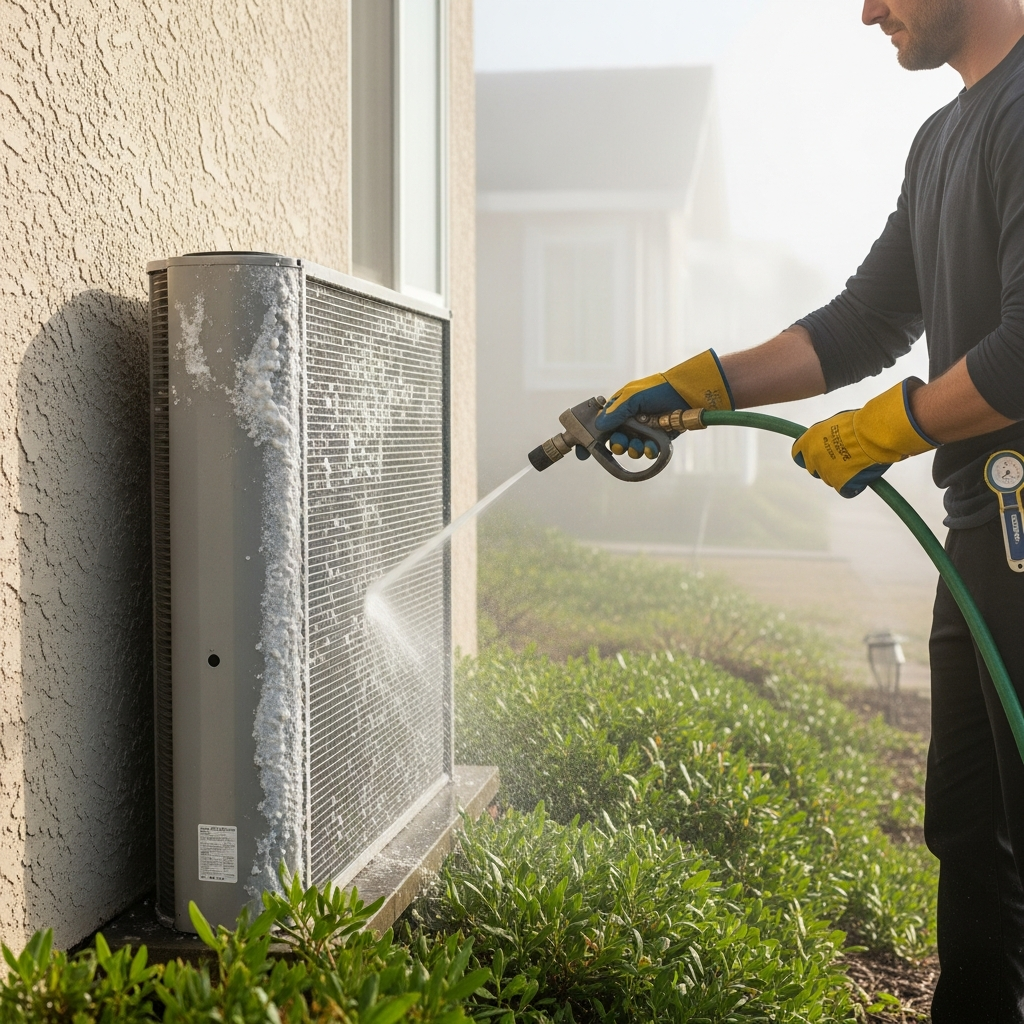
Outside, the condenser gets a careful rinse from the inside out, pushing salt and grit off the coil fins without folding them. I check fan motors for smooth operation, capacitors under load, and electrical connections for even the hint of corrosion. Malibu’s cool, damp mornings can wick moisture into terminals, and catching early discoloration avoids intermittent failures in July. I also test refrigerant pressures with local conditions in mind; readings can vary noticeably on foggy mornings, so verification should include both a cool and a warm-weather snapshot when possible.
Summer: Holding the line on peak days
Summer here is a marathon, not a sprint. On the hottest days, you want the system to hold temperature calmly, not slam on and off. Mid-season, I like to verify that thermostats are accurately sensing and that fan speeds are dialed in for comfort, noise, and moisture control. If you have a variable-speed system, confirming staging or modulation is critical—proper programming ensures quieter operation and steadier rooms during those long, bright afternoons. I also recommend a check of condensate lines. By midsummer, biofilm can narrow traps, and a safety overflow switch that worked in spring might begin to trip. Clearing the line preemptively keeps your floors dry and your unit online.
Outside, salt begins to reassert itself. If your home sits close to the beach, consider a light rinse twice through the season, performed gently to protect fins. Pay attention to landscaping growth; even well-intentioned hedges can crowd equipment by August, and a tight space drives up head pressure and stress. When entertaining, remind guests and vendors not to lean items against the unit—beach chairs and surfboards can easily block airflow when everyone is focused on the party.
Fall: Reset after the rush
As days shorten and the air turns a touch crisper, fall is the time to reset. Filters deserve another look, especially after a dusty, busy summer. I like to measure static pressure at this point; it’s a diagnostic that shows whether ducts are resisting airflow more than they should. If pressure is high, it could be a clue to hidden buildup in return paths or a need to open up a tight register layout. The blower motor may benefit from lubrication if the design allows, and a finer cleaning of indoor coils ensures that the system enters winter without sticky dust undermining heat transfer.
Malibu’s fall can also bring winds that tug at roof caps and rattling vents. A maintenance visit should include a walk of the exterior to confirm that vent terminations are secure and free of salt-bonded debris. Outside units benefit from a hardware check—fasteners loosen with vibration and time, and snugging them now reduces wintertime rattles that make bedrooms feel less restful. It’s also smart to document baseline performance numbers at season’s end. Those readings become a reference point when spring returns, helping spot trend lines before problems grow.
Winter: Quiet care for damp mornings
Winter maintenance in Malibu focuses on moisture management. Cool mornings invite condensation on metal parts, and any previous season’s corrosion begins to show itself. Inspect electrical terminations and low-voltage wiring for discoloration. Ensure the condensate system is clean and traps are prepared to handle humid indoor air during occasional heating calls if your system is a heat pump. Inside, revisit controls. If you made summer adjustments to fan speeds or schedules, winter is a good time to confirm that those changes still align with your comfort and that rooms don’t feel drafty as the system coasts through mild days.
Winter is also a planning season. With lighter loads on the equipment, it’s a fine time to discuss upgrades like coastal coil coatings, smarter thermostats, or filtration improvements. Squeezing these improvements into the off-peak months reduces disruption and sets you up for an easy spring start.
Small homeowner habits that make a big difference
Your day-to-day routines shape system health. Keep the area around the outdoor unit clear by a couple of feet. After windy weekends, give the unit a visual check: remove leaves, reset any furniture that migrated too close, and look for signs of salt crusting. Inside, change filters on schedule. If you run the fan for extended periods to circulate air, you might need to change filters more frequently than a once-a-season guideline suggests. When cooking or showering, use exhaust fans to reduce indoor humidity; lowering the moisture your system must remove eases its workload.
Mind the thermostat too. Gentle setpoint adjustments are kinder than big swings. If you use scheduling, review it with the seasons. In spring and fall, shorter cooling windows may suffice. In summer, a slightly higher indoor setpoint paired with steady operation can feel just as comfortable as a lower number with aggressive cycling—especially when fans are set to the right speeds for dehumidification and air movement.
Why local expertise matters
There’s no substitute for a technician who knows how Malibu homes breathe. In beach bungalows, returns are often tucked into tight hallways; in canyon homes, ducts run long and can collect more dust than you’d expect. I pay close attention to coil fin condition, fasteners, and electrical lugs that live closest to salt exposure. A local pro understands how morning fog changes readings and how afternoon sun tests the system in a different way. That context leads to smarter recommendations and fewer surprises in August.
In the middle of maintenance planning, don’t overlook the quiet contribution of reliable air conditioning. When it’s tuned and balanced, you sleep better, art and finishes stay protected, and guests marvel at how comfortable your home feels without ever noticing the equipment. The goal is not just efficiency on paper; it’s lived comfort that matches the way you use each space.
FAQ
How often should I schedule professional maintenance? Twice a year is wise in Malibu: a thorough spring visit and a fall reset. Homes very close to the ocean may benefit from an additional light coil rinse mid-summer.
Can I rinse my outdoor unit myself? Yes, with care. Power off first, remove the top if the design allows, and rinse gently from the inside out. Avoid high pressure that folds fins. If in doubt, ask your technician to demonstrate during the next visit.
Which filter is best for coastal homes? Choose a filter that balances particle capture with airflow. Aim for a level that addresses dust, salt, and occasional smoke without pushing static pressure too high. Your technician can measure pressure to guide the choice.
Why does my system smell musty at startup? Moisture and dust can create microbial growth on coils and in pans. A proper cleaning and condensate treatment, plus running the fan to dry the coil after cooling, often resolves the issue.
Do I need special coatings or materials? Many coastal homes benefit from coil coatings and corrosion-resistant fasteners. The closer you are to breaking waves, the more valuable these protections become. Placement and rinsing schedules help too.
My thermostat is near a window. Is that a problem? Sunlight and drafts can skew readings. If relocation isn’t an option, shading the thermostat and adjusting sensor settings or adding a remote sensor can improve accuracy.
What about maintenance during wildfire smoke events? Upgrade filters temporarily, reduce outside air intake if your system allows, and monitor static pressure to avoid overworking the blower. After the event, replace filters and consider a coil check.
Are maintenance plans worth it? Plans that include seasonal visits and coil care make sense on the coast. They ensure timely attention and create a record of system health that supports better decisions over time.
When you’re ready to set up a maintenance schedule that fits Malibu’s seasons and your lifestyle, reach out for a friendly walk-through and a plan tailored to your home. We’ll protect your comfort, your equipment, and your peace of mind. For attentive care and proven strategies for your home’s air conditioning, contact us today and let’s get your system tuned for the year ahead.