
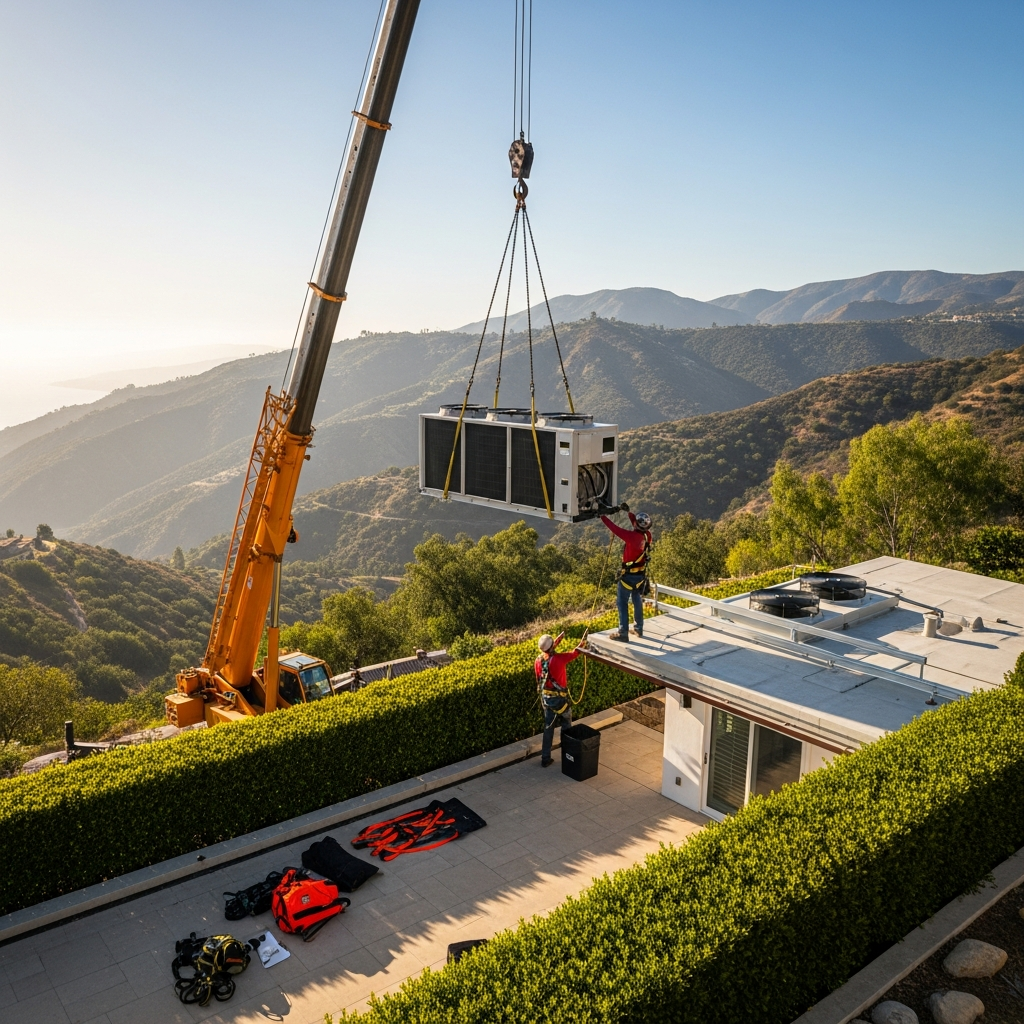
Talking about the cost of a new cooling system in Malibu isn’t just a numbers conversation—it’s a story about place. Our town stretches from tight beachfront lots where every square foot is precious to airy canyon homes that sip evening breezes. Those settings shape the scope of work, the performance you expect, and how the installation unfolds. When neighbors ask what drives installation cost in Malibu, I explain that it’s a blend of home design, coastal conditions, permitting realities, and the craftsmanship required to make a system nearly invisible in both sound and sight. Long before a crane arrives or a technician steps onto your deck, thoughtful planning determines value and long-term comfort. Whether you’re exploring a traditional split system, a high-efficiency heat pump, or a multi-zone solution, a clear understanding of what influences air conditioning installation cost will help you make confident decisions.
Let’s start with the house itself. Malibu’s architecture ranges from mid-century moderns with low-slope roofs to newer builds with vaulted ceilings and expansive glass. Glass exposure, insulation quality, and room orientation towards the sun directly affect the system size needed. The more carefully we match equipment capacity to your home’s actual load—the heat your house gains—the more even the comfort and the lower the ongoing energy use. Professional load calculations are central here. They’re not about oversizing to be “safe.” Instead, they tailor the system to the way your home breathes, especially during those morning marine layers and hot, dry afternoons.
Design choices that shape installation scope
Next comes system type. Malibu homeowners often favor quiet, efficient solutions that respect the views and outdoor living spaces. Heat pumps have become popular for their year-round performance, and variable-speed technology shines in our climate, modulating smoothly during temperature swings. Multi-zone options appeal to homes with guest suites, home offices, or glass-heavy rooms that need fine-tuned control. Each choice affects installation time, required line sets or ductwork, electrical considerations, and the craftsmanship needed to integrate components without calling attention to them.
Ductwork can be the hidden project. In older homes, return air paths are commonly undersized, and supply runs can be fragmented by past remodels. Correcting that might involve new plenums, re-routing runs to reduce noise, or upgrading registers to improve throw without drafts. Even if your ducts look fine, measuring static pressure and checking for leakage matters in Malibu’s coastal air, where dust and salt compound losses. Tightening ducts and balancing airflow is part of the installation puzzle, and it pays dividends in performance.
Coastal realities: salt, wind, and placement
On the coast, placement is strategy. We want condensers where they catch cooling breezes but not direct salt spray. The closer you are to the beach, the more we think about corrosion protection—factory-coated coils, stainless fasteners where appropriate, and thoughtful mounting that prevents trapped moisture. Wind baffles can help on exposed decks without restricting service access. These details affect installation time and planning. While they’re not line items you might see on a big-box store’s brochure, they’re the difference between equipment that looks good on day one and equipment that ages gracefully in the Malibu elements.
Sound is another coastal consideration. Outdoor living spaces are prized here, and a unit too close to a seating area or bedroom window can undermine the calm you expect at night. During planning, we measure clearances, review manufacturer sound data, and, if needed, propose isolation pads or reorientation of the condenser to direct airflow and noise away from sensitive areas. This care reduces callbacks and supports the discreet aesthetic many Malibu homes pursue.
Electrical capacity and controls
Upgrades often intersect with the home’s electrical service. Many Malibu residences have older panels, and high-efficiency systems—especially multi-zone setups—may require dedicated circuits or new breakers. Coordinating with a qualified electrician keeps the schedule smooth and the final product tidy. On the controls side, modern thermostats and integrated building controls can enhance comfort in homes with complex glazing and sun exposure. We’ll talk about placement so sensors read accurately, not just conveniently for wiring.
Permitting and inspections are part of the path. Malibu’s building standards emphasize safety, efficiency, and the community’s fire and wind realities. Expect Title 24 compliance to guide equipment selection and duct sealing verifications. Inspections confirm that installation meets code and best practices. While permitting adds steps, it also protects your investment by ensuring that what’s hidden in walls and attics performs as intended.
Hidden labor that adds visible value
Homeowners sometimes ask why timelines vary so widely. The difference is in the prep. A meticulous team protects floors, navigates tight attics, and stages equipment to minimize disruption to your routine. In cliffside homes, access can be its own project—think narrow stairways, limited crane reach, or sensitive landscaping. Coordinating these constraints smoothly is part of what you’re investing in. Neighbors appreciate it, and the final result shows in the fit and finish.
Then there’s commissioning: the careful process of making sure the system that looks right also operates right. We measure refrigerant charge, verify airflow, calibrate thermostats, and test performance under conditions that mimic Malibu’s foggy mornings and sun-baked afternoons. Commissioning prevents the “new system, old problems” scenario by addressing imbalances before they become habits. It’s a fraction of the timeline but a hefty portion of the value.
Thinking beyond day one
A smart installation sets you up for years, not just this summer. Coastal coatings, clean condensate routing, and service-friendly layouts reduce future maintenance time. Conversations about filtration—especially in a town that occasionally sees wildfire smoke—help tailor your return air and filter choices so indoor air feels crisp without overburdening the blower. We also plan for maintenance access because a technician who can reach components easily will take better care of them. The best installations anticipate the first tune-up and every one after.
As you weigh proposals, look closely at the narrative each contractor provides. Are they discussing the home’s orientation and glass? Are they addressing salt air protection and showing where equipment will live, how it will sound, and how it will be serviced? Are they explaining the role of commissioning and how they’ll validate performance? The strongest proposals read like a roadmap from day one to year ten. They may not be the briefest, but they’re the most transparent.
In the middle of your research journey, consider how dependable air conditioning improves daily life here. It safeguards finishes from humidity, helps bedrooms feel consistently restful, and makes entertaining on a warm evening as simple as opening a sliding door. The right installation isn’t about chasing the highest capacity; it’s about crafting the quietest, most efficient comfort your home can deliver.
FAQ
What size system does my Malibu home need? Size depends on the home’s heat gain, which is influenced by insulation, window area, shading, and orientation. A proper load calculation considers those factors and Malibu’s climate to match capacity to reality, preventing short cycling and uneven rooms.
Is variable-speed equipment worth it here? Yes, because our temperatures swing and humidity shifts with the marine layer. Variable-speed systems modulate gently, holding temperature and moisture steady without the on/off jolts of single-stage systems.
Do I have to replace my ducts? Not always. But ducts should be evaluated for leakage, size, and layout. Addressing static pressure, returns, and balance during installation improves comfort and efficiency and reduces noise.
How do coastal conditions affect equipment longevity? Salt air can corrode coil fins and fasteners over time. Choosing corrosion-resistant components and applying protective coatings, plus strategic placement and regular rinsing, extend service life significantly.
What about aesthetics? From low-profile line set covers to discreet equipment placement and sound mitigation, aesthetic planning is part of a quality installation. We aim for equipment you don’t notice—except through the comfort it provides.
How long does installation take? Timelines vary with scope, access, and electrical needs. Good contractors communicate milestones up front and coordinate so your daily routine stays intact as much as possible.
Will I need permits? Yes. Local permits and inspections confirm safety, efficiency, and code compliance, including Title 24 verifications. They’re an investment in the long-term performance and value of your system.
What should I ask when comparing proposals? Ask about load calculations, duct assessments, corrosion protection, commissioning steps, and service access. Look for clear explanations—not just equipment model numbers—so you understand how the system will perform in your home.
When you’re ready to map an installation that respects Malibu’s coastal beauty and your home’s unique design, reach out for a site visit. We’ll walk the property, explain options in plain language, and craft a plan that blends performance, quiet, and durability. For guidance and solutions tailored to your home’s air conditioning, contact us today and let’s get started.