
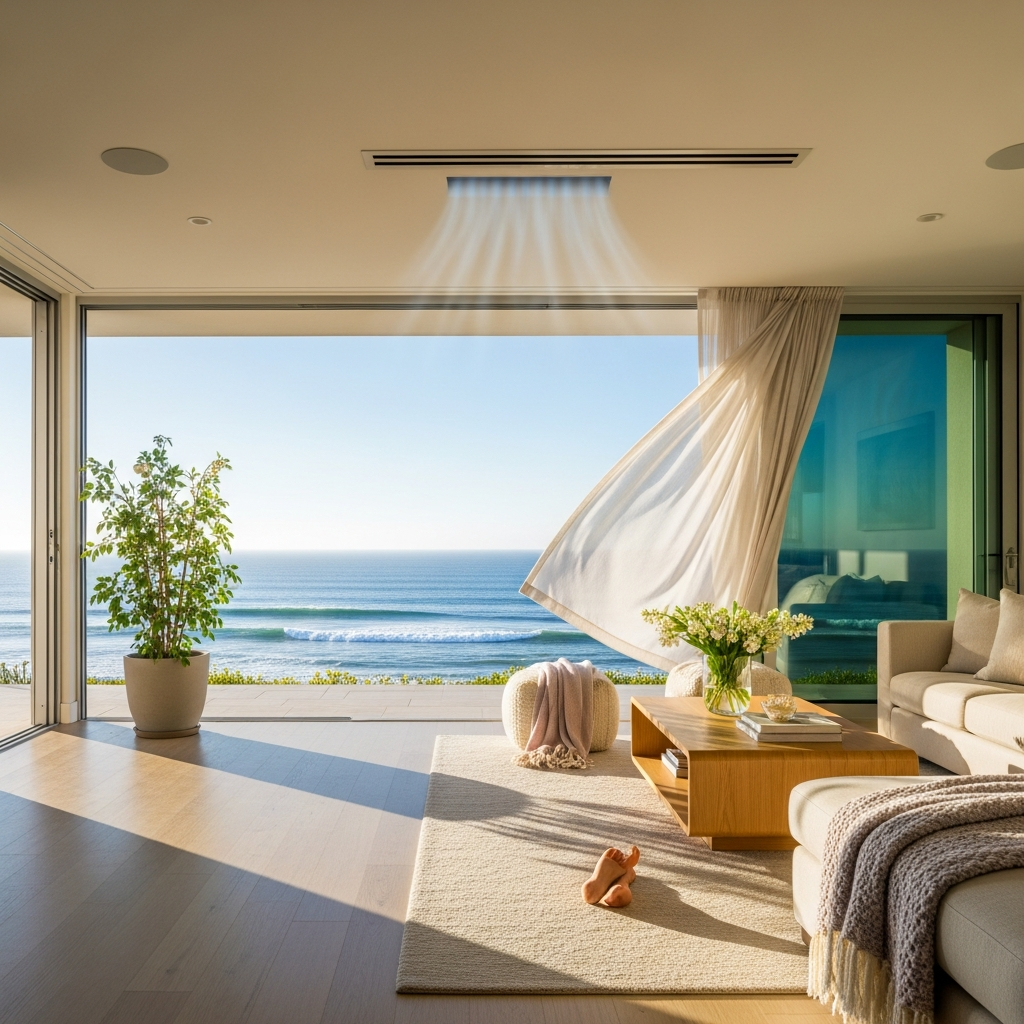
Coastal living gives Malibu a rhythm all its own. Spring tiptoes in with marine layers, summer shimmers and lingers late into September, autumn trades fog for Santa Anas, and winter sprinkles a mix of clear, crisp days with the occasional storm. Your home’s cooling should move with that rhythm, not fight it. Seasonal air conditioning advice here is about timing, care, and a partnership with the ocean that keeps rooms calm and air clean. When you tune your air conditioning to these patterns, you’ll feel steadier comfort, hear less from your equipment, and keep the system healthy through years of salt and sun.
From Big Rock to Trancas, I see the same seasonal opportunities repeat. Spring is your reset, summer your steady state, autumn the time for smoke-smart strategies and wind checks, and winter your chance to quietly prepare for the next cycle. You don’t need a stack of reminders—just a few well-timed habits and the confidence to enjoy open windows when the day invites them.
Spring: Reset After Winter and Before Heat
As the sun rises higher and mornings brighten, spring is the moment to ready your system for long, light-filled days. Begin with a gentle fresh-water rinse of the outdoor condenser to remove winter’s salt and grime. Indoors, replace or upgrade your filter and confirm it sits snugly so air can’t sneak around the media. If you use a deeper media cabinet, this is when its longer life pays off through the busy months ahead.
Schedule a tune-up early enough that you’re not waiting during the first warm spell. Ask for a complete coil inspection, drain clearing, and a check of refrigerant charge. In Malibu’s open-plan homes, airflow balance is key; verify that returns are clean and unobstructed, and that supply registers throw air to wash big panes of glass. Small adjustments now prevent the classic summer complaint: downstairs cold, upstairs muggy.
Welcoming the Marine Layer—Without Letting It In
June Gloom is real, and a house can feel clammy even at modest temperatures. Let your system run in longer, lower fan modes that gently pull moisture from the air without turning rooms into refrigerators. If your controls offer a dehumidification preference, enable it. Not only does this improve comfort, it protects wood floors, cabinetry, and art from the slow expansion and contraction that coastal humidity encourages.
On truly delightful mornings, throw open the sliders. The key is knowing when to close up. As the fog thickens or pollen spikes, shut doors and windows and let the system tidy up the moisture you invited in. That choreography—open, enjoy, close, dry—becomes second nature after a few days of practice.
Summer: Steady, Quiet, Predictable
Summer in Malibu is less a rush of extreme heat and more a long, bright stretch punctuated by a few notable spikes. Your system should feel steady, like a quiet background instrument. Variable-speed equipment earns its keep now, modulating to hold temperature and humidity without fanfare. If you’re entertaining at sunset, enable a gentle pre-cool that starts before the sun leans on your west-facing glass. It’s easier to maintain comfort than to chase it after the room has absorbed the day’s heat.
Keep the perimeter around your condenser clear—no beach chairs leaning into the coil, no planters crowding the fan. A two- to three-foot breathing space preserves airflow. Glance at the filter monthly; smoke and dust can load it faster than you expect in late summer. If your home has zones, prioritize the great room and kitchen through the afternoon and let seldom-used rooms relax. You get the same comfort for less run time, and the house feels truer to how you live.
Late Summer Heat Waves and Glassy Rooms
In August and September, Malibu can surprise you with a handful of hot, still days. Glass-heavy rooms that behaved all season can suddenly edge past comfortable. Anticipate it with shades or low-e films and a small schedule tweak that brings the system on earlier. Aim supply registers to wash glass, pulling heat down the pane and into the room where returns can sip it away. If you cook in the evening, a touch more airflow over the island keeps dinner prep pleasant without dropping the setpoint a full degree.
Noise is the other summer theme. If a register starts to whistle or a return hums, it’s usually a hint to change a filter or adjust a grille. Summer should sound like surf, not machinery. Little fixes go a long way toward keeping the soundtrack right.
Autumn: Santa Anas, Smoke, and Schedules
As the marine layer retreats, dry winds arrive. This is when filtration earns its keep. Upgrade to a deeper media filter if your cabinet allows, and consider running the fan on a low continuous setting during smoky periods to circulate air gently through the filter. Keep windows closed on bad-air days; rely on the system to clean and maintain indoor comfort. You’ll breathe easier and avoid the frantic cooling that comes from flinging open doors in search of “freshness” that isn’t outside.
Autumn is also when gusts find loose parts. Walk around the outdoor unit after a wind event. Make sure vegetation hasn’t piled up against the coil, and listen for new rattles from louvers or wall caps. A small wind baffle or a better exterior grille can quiet a rattle that would otherwise accompany every evening on the deck.
Winter: Quiet Care and Coastal Reality
Cooling naps a bit in winter, but salt, moisture, and storms do not. Choose a clear, calm day after a storm to rinse the condenser with fresh water. Peek at line-set insulation where it runs outside; UV and weather can age it, and a simple re-wrap protects performance. Inside, confirm returns aren’t blocked by holiday rearranging or a newly placed chair. If your system doubles as a heat pump for winter warmth, its quiet modulation will feel familiar—steady, efficient, and unobtrusive.
Winter is also a good time to look at the bigger picture. If replacement is on the horizon, assess right-sizing, duct condition, and coastal-rated materials now, so you can schedule work before spring rushes in. Upgrades that tame humidity and noise in July begin with planning in January.
Vacation Rhythm: Homes That Breathe Between Visits
Many Malibu homeowners split time between the coast and elsewhere. Smart controls are your ally. Let the house drift while you’re away, then recover before you return. Use remote sensors in key rooms—great room, primary bedroom—to ensure the spaces you’ll use first are perfect on arrival. If a storm or smoke event hits while you’re gone, a quick app check and a fan-only circulate mode can keep indoor air from getting stale until you’re back.
For properties right on the sand, consider a simple rinse on your first day home if winds have been up. Clearing salt promptly pays dividends in quiet performance for the rest of your stay.
Fine-Tuning Airflow in Open Plans
Open plans and tall ceilings define Malibu style. To keep them comfortable through the seasons, make airflow your friend. Returns high and low blend temperatures, reducing stratification. Supplies that wash glass counter solar gain. Gentle, continuous low-speed circulation during shoulder seasons evens out the house without obvious “AC” moments. The goal is effortless comfort—a home that feels aligned with the day rather than arguing with it.
In zoned systems, re-check schedules as your routine changes. If you start working from a studio over the garage or begin hosting more dinners at sunset, shift the system’s attention there. Seasonal living is dynamic; your controls should be too.
Healthier Indoor Air, Year-Round
Regardless of season, filtration and humidity control are constant allies. During pollen bursts and smoke days, let the filter do its work with windows closed and low fan modes circulating air. In foggy stretches, favor dehumidification settings so rooms feel crisp without overcooling. Many homeowners find they can raise setpoints one or two degrees when air is dry and clean, a quiet energy savings that accumulates month after month.
If your family includes sensitive lungs, ask about a deeper media filter cabinet and ensure the return plenum is sealed so unfiltered attic air can’t bypass the filter. These small upgrades matter most on the worst days and are almost invisible on the best ones.
Planning Ahead: Upgrades That Pay Off in Comfort
When it’s time to replace or improve, look for variable-speed equipment sized to your actual load, not to an old rule of thumb. Pair it with tight, insulated ducts and coastal-rated materials, from coil coatings to stainless fasteners. Ask for a commissioning walk-through so controls match how you live—pre-cool routines before sunset, dehumidification preferences in fog season, and circulate modes during smoke events. The upgrade path that saves energy is the same one that keeps evenings quiet and mornings crisp.
Don’t overlook placement. A condenser tucked behind a low wall or landscaping avoids direct wind, cuts noise, and looks better from the deck. Clearances around equipment matter; plants and surf toys belong elsewhere so airflow stays clean all year.
FAQ: Seasonal Cooling in Malibu
Q: How often should I change filters with our seasons?
A: Check monthly and change as needed. Expect longer life in spring and early summer, and shorter during smoke or heavy dust late in the season. Deeper filters in a proper cabinet last longer with less noise.
Q: Can I rely on open windows in spring and fall?
A: Yes, when air is clean and dry. Enjoy breezes early, then close up as fog or pollen rises and let the system dry and clean the space quietly.
Q: My great room is cool but muggy in June—what helps?
A: Enable dehumidification preferences and low-speed circulation. Ensure supply air washes glass and that returns are sealed and unobstructed. The goal is longer, gentler runs that pull moisture out.
Q: Do I need special coastal equipment?
A: Coastal-rated coils, protective coatings, and stainless hardware extend life in salty air. Thoughtful placement and regular rinsing round out the protection.
Q: How can I prepare for late-summer heat waves?
A: Add shading or films to big glass, enable pre-cool before sunset, and verify airflow across windows. These steps let the system stay ahead of the load without blasting.
Q: What should I check after wind events?
A: Clear debris from around the condenser, listen for new rattles at louvers or wall caps, and confirm outdoor units remain secure on their pads. Small fixes prevent bigger problems later.
Q: Is continuous fan a good idea?
A: During smoke or when air feels stale, a low continuous fan helps clean and mix air. Otherwise, auto mode is efficient. Your controls can be tuned seasonally.
When you let the seasons lead and your system follow, comfort in Malibu becomes as effortless as a beach walk at sunset. If you’d like a hand tailoring schedules, airflow, and maintenance to your home’s rhythms, connect with a coastal-savvy technician. With a few well-timed moves and a steady plan, your air conditioning will feel like part of the ocean’s cadence—quiet, clean, and perfectly tuned to every month of the year.