
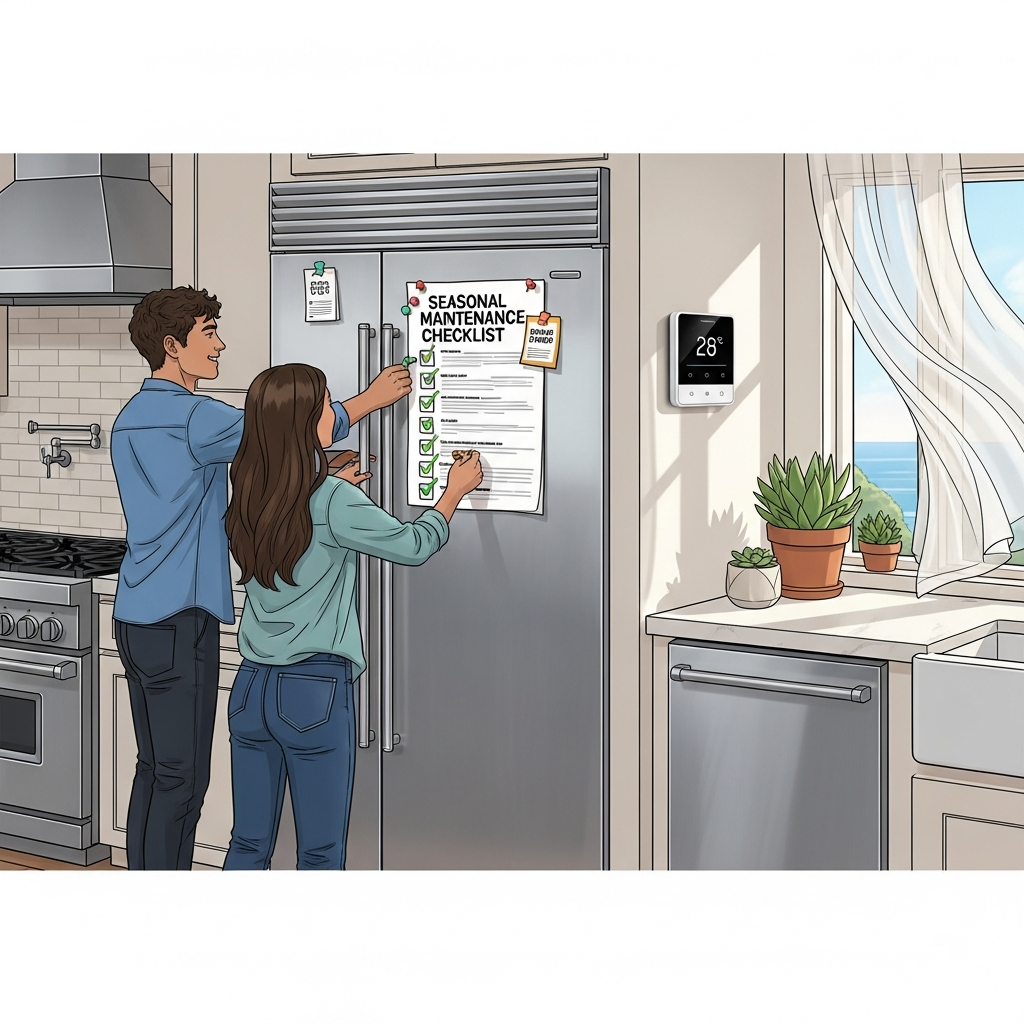
How Malibu’s Seasons Shape Smart AC Strategy
Malibu’s weather is a conversation between ocean and mountains. The marine layer slides in like a cool whisper, afternoons brighten into golden warmth, and the Santa Ana winds sometimes sweep down with dry insistence. Coastal homes must ride these rhythms gracefully, and that means tuning your cooling strategy to the season, not just the thermostat. Over years of helping neighbors from Zuma to Malibu Colony, I have learned that the homes that feel the best—and run the quietest—are the ones that adopt habits matched to our microclimates. Consider this your local guide to seasonal air conditioning wisdom, crafted for Malibu’s blend of salt, sun, and canyon breeze.
What works in the San Fernando Valley will not always work here. Our close-in coastal strip trades raw heat for humidity and salt, while the hills invite afternoon thermals and cooler nights. Your AC is capable of more than just cooling; it can dehumidify, circulate, and protect indoor air from smoke and dust. The trick is knowing which role to emphasize when the season turns.
Spring: Cleaning the Slate After Winter Fog
Spring in Malibu offers generous mildness punctuated by fog-wet mornings. This is the time to clean and reset. Filters that carried you through winter may be loaded with fine salt and household dust. Start with a fresh filter and a gentle rinse of the outdoor condenser to lift off the winter film. The goal is to begin the warm months with good airflow and a clean coil so the first heatwave does not reveal weak spots.
Use the cool mornings to your advantage. With windows cracked for a short flush when outdoor air is clean, you can refresh the house without inviting sticky humidity deep into building materials. By late morning, close up and let the system manage humidity quietly. Your thermostat strategy should be gentle: a small pre-cool before afternoon warmth keeps the system from surging later.
Preparing for June Gloom
June Gloom is Malibu’s seasonal signature—low clouds, mist, and a persistent dampness that leaves railings beaded and patios slick. Your AC’s dehumidification capacity is your ally. Make sure the condensate drain is clear, the trap is primed, and the secondary pan is ready if your air handler sits above a finished space. As humidity rises, the coil will shed more water. That is normal, but only if the water has a clean, downhill path to exit the house.
During these weeks, resist the temptation to run the fan continuously. In our climate, a fan-only mode on humid mornings can re-evaporate moisture and push it back into the home. Let the system cycle as needed, capturing and removing water with each cooling run. You will notice steadier comfort and fewer musty notes when the marine layer lingers until lunch.
Summer: Comfort During Heat Spikes
Malibu’s summer is often mild, but when a heat dome settles in or an offshore flow takes hold, beachside and canyon homes can feel the strain. This is where pre-cooling shines. If your home is well-insulated, drop the setpoint a couple of degrees in the late morning so interior surfaces absorb cool before peak heat. By midafternoon, you can hold a slightly higher setpoint with the same comfort because the walls and furnishings are cool to the touch.
Keep the condenser coil clean in summer. Salt and sunscreen mist seem to find their way onto everything, and a film on the coil undermines efficiency just when you need it most. A quick fresh-water rinse on calm mornings maintains breathability. Indoors, check the filter at least monthly; a house alive with guests and beach gear loads filters fast.
Mid-Summer Equipment Check
Halfway through the season, give your system a deliberate once-over. Look for bent fins from an errant surfboard or garden tool, listen for a new hum or rattle after an evening breeze, and confirm that the emergency drain has stayed dry. This is also when a mid-season tune-up can earn its keep, especially for homes within earshot of the surf. It is a chance to catch a soft capacitor or a dirty blower wheel before the hottest week arrives and schedules fill.
Consider window coverings and shading. Malibu’s western exposures soak up sun until late evening. Simple shading choices reduce the load your AC carries and allow quieter, longer cycles that feel more natural. Think of it as teamwork between your architecture and your equipment.
Santa Ana Season: Dry Winds and Dust
When the Santa Anas arrive, beach towels flutter like flags and the air smells faintly of sage. The winds bring low humidity, dust, and sometimes smoke. Your priority shifts to air quality and careful filtration. Keep windows closed during high-wind, dusty periods, and let your system capture particulates through a clean, well-fitted filter. If ash or smoke intrudes, be ready to change filters more frequently. A light vacuum around returns prevents debris from entering the system.
Santa Ana dryness can make the house feel cooler at higher temperatures, so you may be able to relax the setpoint a degree or two without giving up comfort. Watch your condensate line; in very dry conditions, traps can evaporate and invite odors from drain connections. A routine priming of traps prevents that side effect.
Autumn: Balancing Warm Afternoons and Cool Nights
Early fall often brings Malibu’s warmest days, but nights turn comfortable quickly. This diurnal swing is a gift if you manage it. Pre-cool gently in the late morning, then allow temperatures to float a touch higher at night with windows cracked when outdoor air is clean. If wildfire smoke is in the region, however, skip the window routine and rely on filtration. Autumn also invites a maintenance sweep: check coil condition after summer guests, confirm the integrity of outdoor electrical connections, and look over line insulation that may have cracked under UV.
It is a great time to look at duct integrity in attics that baked all summer. Sealing small leaks pays back immediately during late-season warmth, and sets you up for next spring with a tighter, quieter system.
Winter: Light Duty, Smart Readiness
Winter on the coast can be gentle, but humidity and occasional storms still affect equipment. If your system rests for long periods, run it periodically to move air, confirm startup health, and keep bearings limber. This is a perfect season to schedule deeper cleanings or improvements that require access, like sealing return cavities or upgrading thermostat placement out of drafty zones.
Keep an eye on outdoor cabinets after storms. Wind-driven rain and salty spray can sneak into panels, and a quick dry-out under safe conditions can prevent long-term corrosion. Check that vegetation has not regrouped around the condenser; winter growth can be subtle but strategic, and you want full clearance before spring returns.
Humidity: The Silent Comfort Lever
Malibu comfort is as much about moisture as temperature. On foggy mornings, your AC’s first job is to strip out humidity without overcooling. This is why long, gentle cycles feel better than aggressive blasts. Make sure your thermostat is set to allow those cycles; avoid extreme setpoint jumps that force rapid starts and stops. On dry, windy days, the opposite holds: you can tolerate a slightly warmer setpoint because low humidity makes 76 feel like 74. Understanding this dance reduces energy use and keeps rooms feeling even.
Watch for condensation on windows or cold surfaces; it signals that indoor humidity is a touch high. Check the condensate drain for steady flow on damp days and be ready to clean it more than once a season. Malibu’s mix of mist and sunshine is lovely on the patio but hard on drains that go ignored.
Air Quality During Smoke Events
While not a season in the calendar sense, smoke season can arrive unexpectedly. When it does, seal the envelope—close windows and doors, set your system to cool if temperatures allow, and let the filter do its work. Replace filters as they load, and vacuum around grilles to keep ash from streaking walls. After a smoke event clears, a thorough airing-out on a clean-air morning helps reset the home, but only when outdoor air reads clean by smell and sight.
Midyear Reminder for Coastal Maintenance
Somewhere between early July and the first late-summer warm spell, pause for a midyear review of your air conditioning plan. Are filters handling beach traffic? Is the condenser coil free of salt film? Has a guest moved a planter too close to the unit? A few small corrections now spare you on the hottest weekend of the year when schedules are tight and parties are planned.
Design Choices That Pay Off All Year
Where your condenser sits matters. A location with soft, constant breeze but not direct salt blast extends coil life. Shading helps, but never at the expense of airflow. Inside, thoughtful return placement creates smoother temperatures across rooms with glassy ocean views and tall ceilings. When considering equipment upgrades, variable-speed systems pair well with Malibu’s modest loads, delivering quiet, steady comfort that matches our mellow climate for much of the year.
Attic and crawlspace attention might not be glamorous, but they influence how your seasonal strategies play out. Sealed ducts and clean returns make every seasonal tip here more effective by ensuring that the air you condition actually reaches the rooms you live in.
Frequently Asked Questions
Q: How should I set my thermostat during June Gloom?
A: Keep settings steady and allow the system to cycle naturally, focusing on dehumidification rather than big temperature swings. Avoid running the fan alone on damp mornings.
Q: What is the best time to rinse my condenser in summer?
A: Early morning on a calm day. Fresh water dissolves salt without splashing dust into wet fins, and the unit can dry before heavy operation.
Q: Do I need different seasonal filter types?
A: Most homes do well with one well-chosen filter year-round, but you may change it more often during smoke or high-beach-traffic periods.
Q: How do Santa Anas change my AC strategy?
A: Close windows to protect air quality, rely on filtration, and consider slightly higher setpoints since the dry air often feels cooler.
Q: Should I cover my outdoor unit in winter?
A: In Malibu, full covers can trap moisture. If you choose to cover, use a breathable option and remove it before operation.
Plan Your Next Season with Confidence
Season by season, small, well-timed habits keep Malibu homes effortlessly comfortable. If you want a tailored plan that fits your block’s breeze pattern and your home’s layout, reach out to local air conditioning experts who know our coast’s temperaments. With the right rhythm, you can float through fog, heat, wind, and calm with equal ease.