

1Pacific Coast Hwy, Malibu
Dryer vent cleaning in Malibu
Lint builds up in the line that carries hot air from your dryer to the outside. We clear it from the connection, the line and the hood, because the National Fire Protection Association names failure to clean as the leading cause of home dryer fires.
- The line, the hood and the connection
- Clothes that dry slower
- Homes and apartments

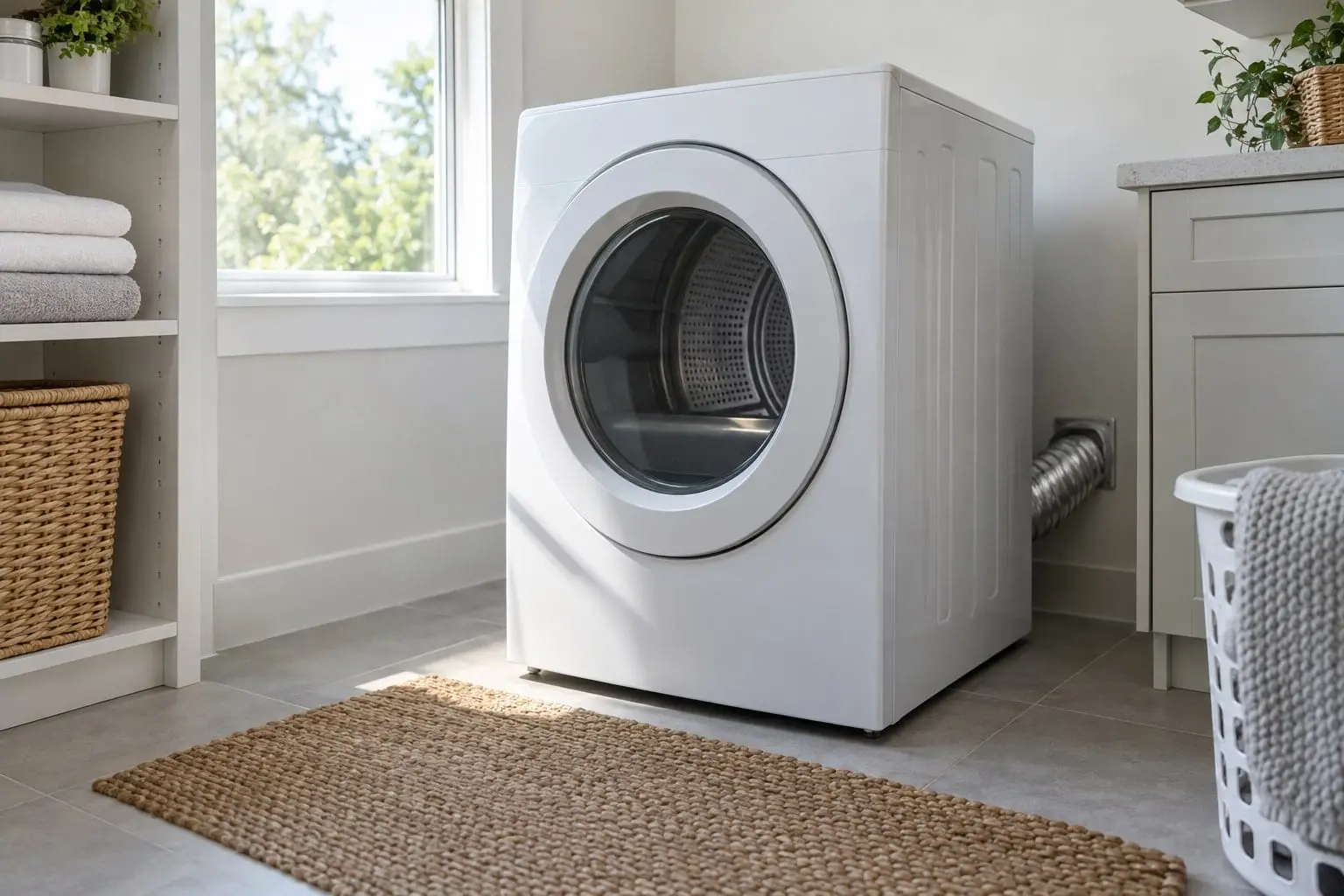
The line behind the dryer
The filter you empty after every load catches most of the lint, but not all of it. The rest passes into the vent line and settles in its bends, at the joints and in the hood on the outside wall.
As the line fills, the hot, damp air has a harder time leaving. Clothes need a second cycle, the laundry room feels warm and the dryer works harder than it should. Lint is also fuel, which is why the National Fire Protection Association lists failure to clean as the leading cause of home dryer and washer fires.
Cleaning the line clears that buildup from the back of the dryer to the outside wall.
- Clothes that need a second cycle to dry
- A laundry room that feels hot and humid
- Lint around the outside hood or a flap that does not open
- A vent line that runs a long way or has several bends
What you get with Dryer vent cleaning
Lint cleared from the line
Lint is fuel. Clearing the line, the connection and the hood leaves less of it where hot air passes.
Air that leaves the house
A clear line lets the hot, damp air out, so a load can dry the way it was meant to without a second cycle.
Lines of every layout
A dryer on an outside wall has a short run. One in the middle of the house has a long one with bends. We work with both.
What the cleaning covers
We follow the path the air takes, from the back of the dryer to the outside wall.
- The connection at the back of the dryer
- The vent line, bends and joints
- The hood and flap on the outside wall
- A check that air moves freely when the dryer runs
Between visits
Empty the lint filter after every load and look at the outside hood now and then. If the flap does not open when the dryer runs, or lint hangs from the hood, the line probably needs attention.
Dryer vent cleaning questions
How do I know my dryer vent is clogged?
Clothes that need a second cycle, a laundry room that feels hot and lint around the outside hood are the common signs. A flap that does not open when the dryer runs is another one.
Is a clogged dryer vent really a fire risk?
The NFPA names failure to clean as the leading cause of home dryer and washer fires, and lint is fuel. Keeping the filter empty and the line clear is the simplest way to reduce that risk.
Can you clean a vent that goes through the roof?
Often, yes. Tell us how the line runs when you call, and where the vent leaves the house, so we plan the visit for the layout. We say plainly if a part of the run cannot be reached.
Do you clean dryer vents in apartments and condos?
Yes, in homes of every kind. We ask about the layout when you call, because a shared wall or a longer run changes how the cleaning is done.
Other services
Air duct cleaning
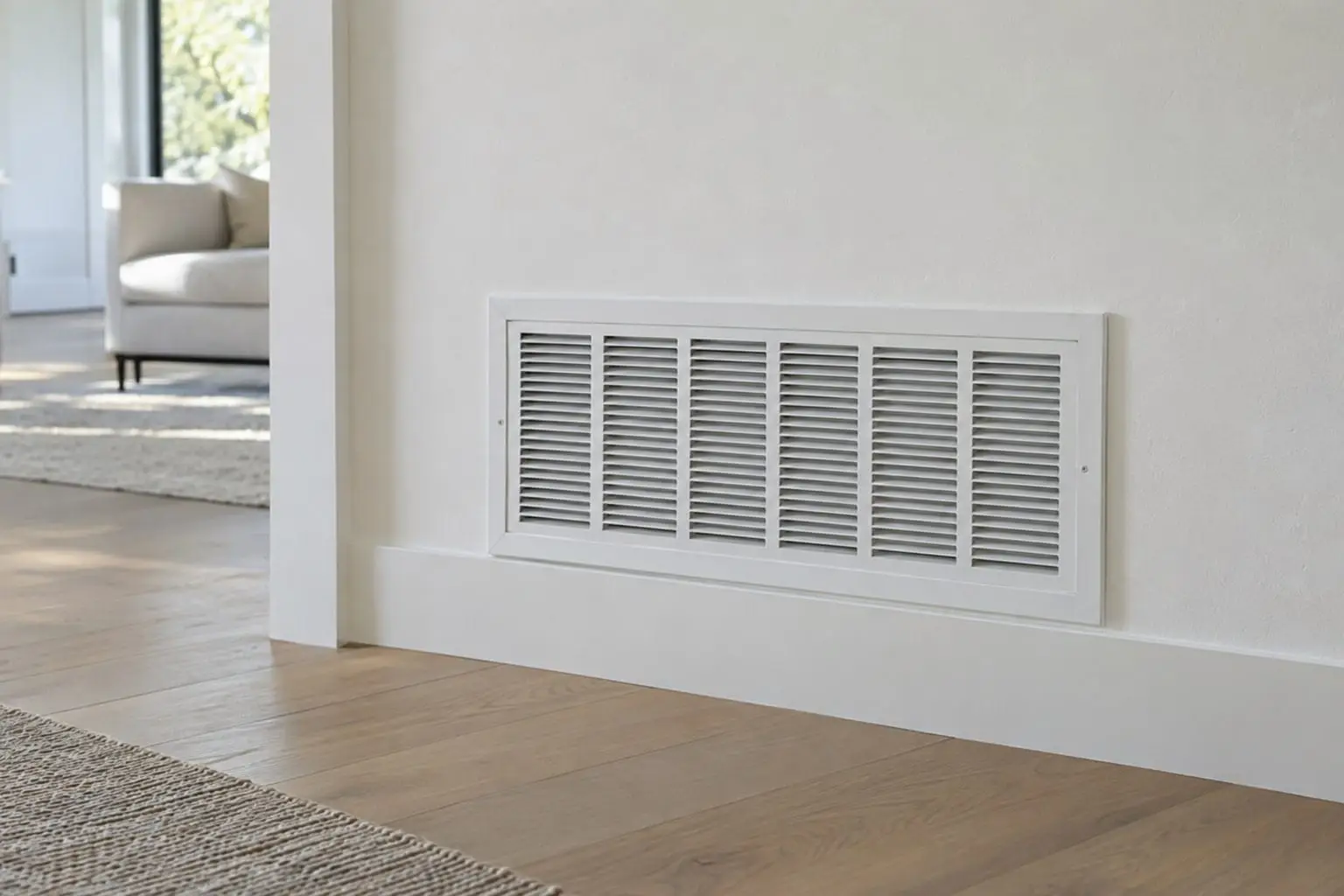
Cleaning for the ducts that carry the air through your house, with an honest look first at whether cleaning would help.

Air conditioning maintenance
A regular check of the parts that wear, so a small problem is found before the first hot week and not in the middle of it.
Duct replacement
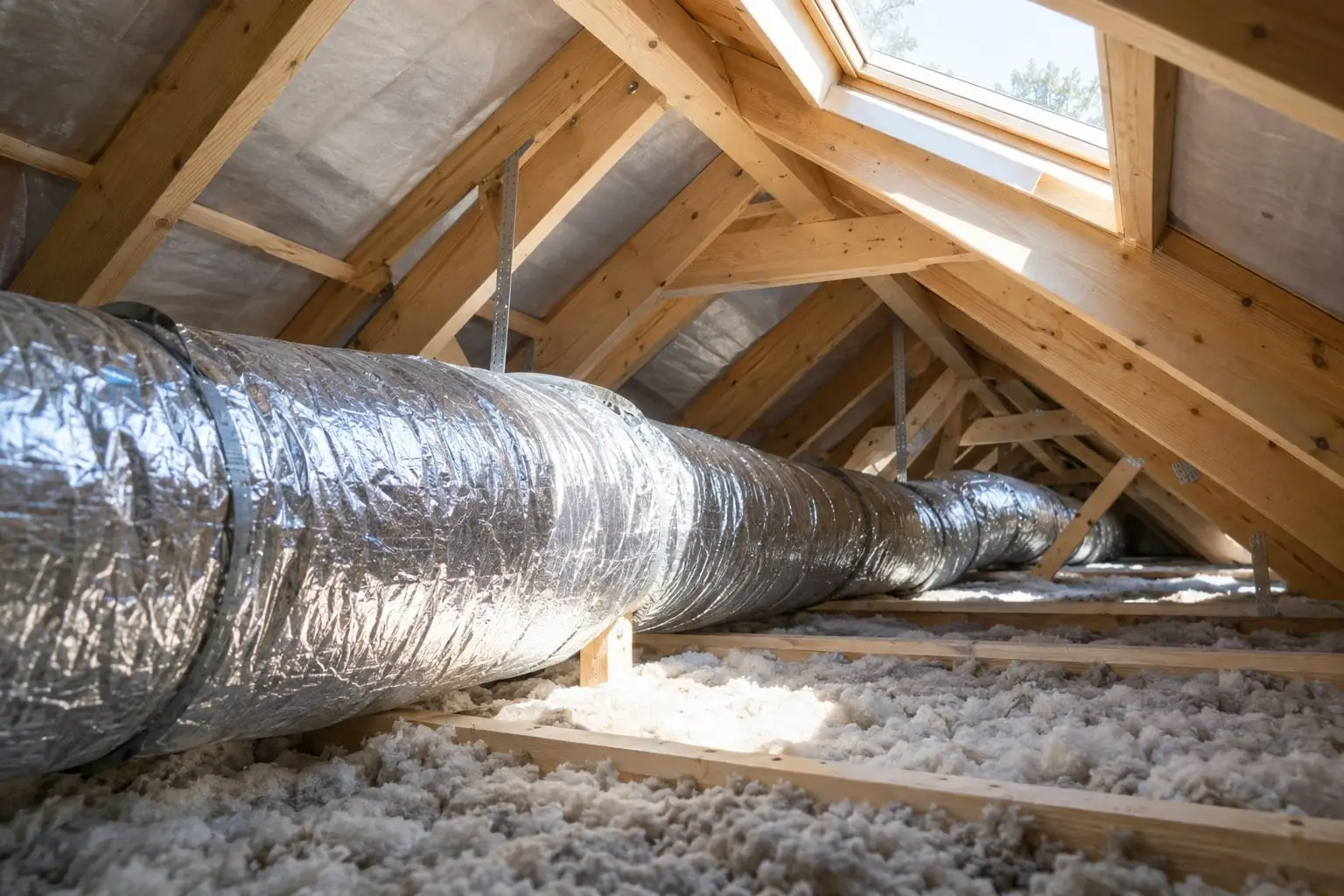
Ducts that are torn, crushed or worn out replaced, from a single run to the whole system, after we show you what we found.
Illustrative AI images, not jobs of ours.
Dryer slow to dry? Let us clear the line
Tell us what is wrong or what you want done and leave your number. We call you back to set a time.