

1Pacific Coast Hwy, Malibu
Air duct cleaning in Malibu
We clean the ducts that carry the air through your house, and we begin by looking at them. If cleaning would not help, we say so, because the EPA does not recommend cleaning ducts on a routine schedule.
- A look before any cleaning
- Registers, ducts and returns
- An honest recommendation
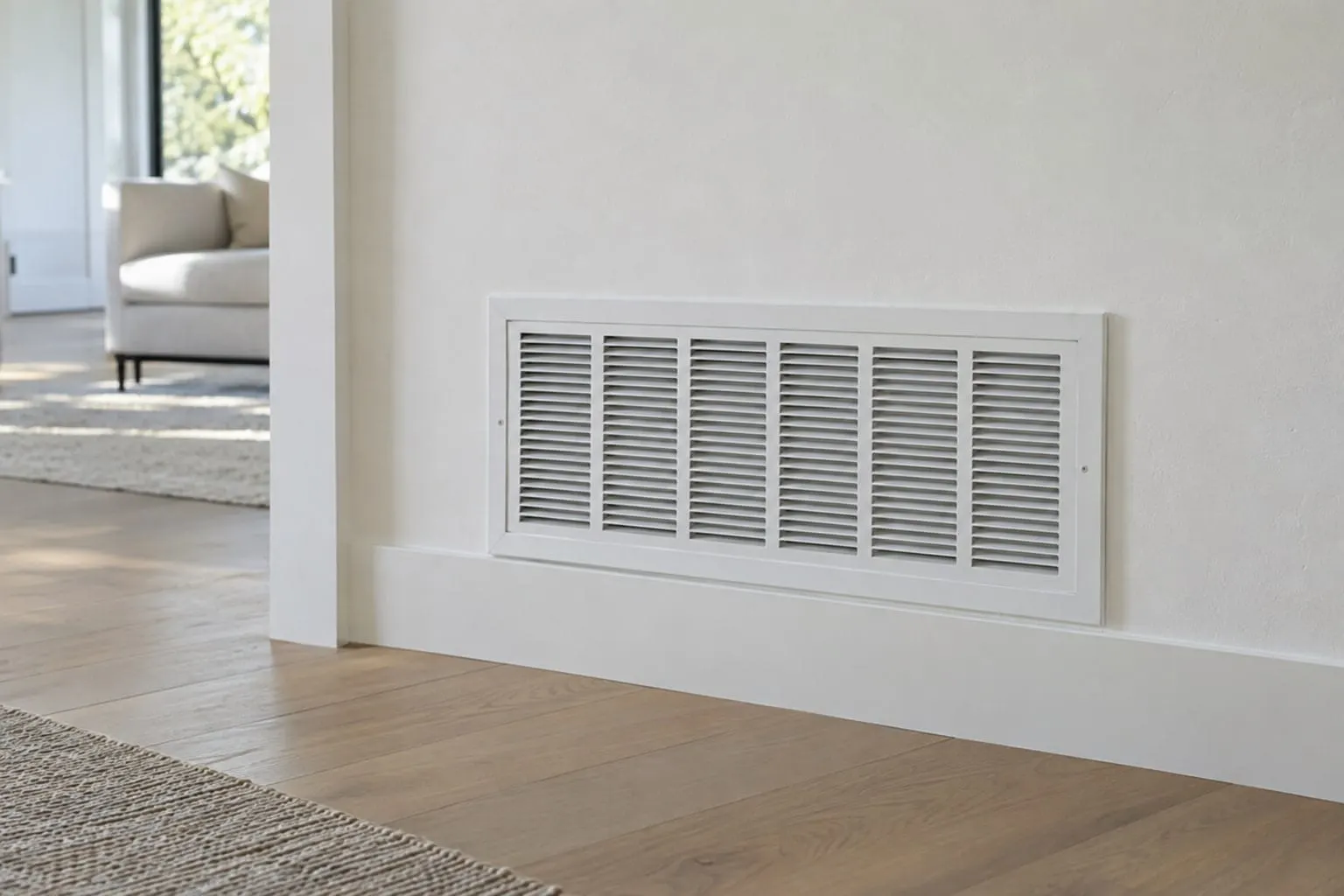
Clean ducts, only when they need it
Ducts carry the air your system cools through every room. Dust, pet hair and debris can settle in them, and sometimes a lot of it does. The honest question is whether yours have enough to be worth cleaning.
The EPA does not recommend cleaning air ducts on a routine basis. It says cleaning can make sense when there is substantial visible mold, when pests have got into the ducts, or when the ducts are clogged with dust and debris and particles are released from the registers.
So we start with a look. If one of those things is true, we explain what we saw and clean the system. If none is, we tell you cleaning would not change much, and you keep your money.
- Heavy dust that comes back quickly at the registers
- Visible mold or a musty smell when the system starts
- Signs that pests have been in the ducts
- A house just built or renovated
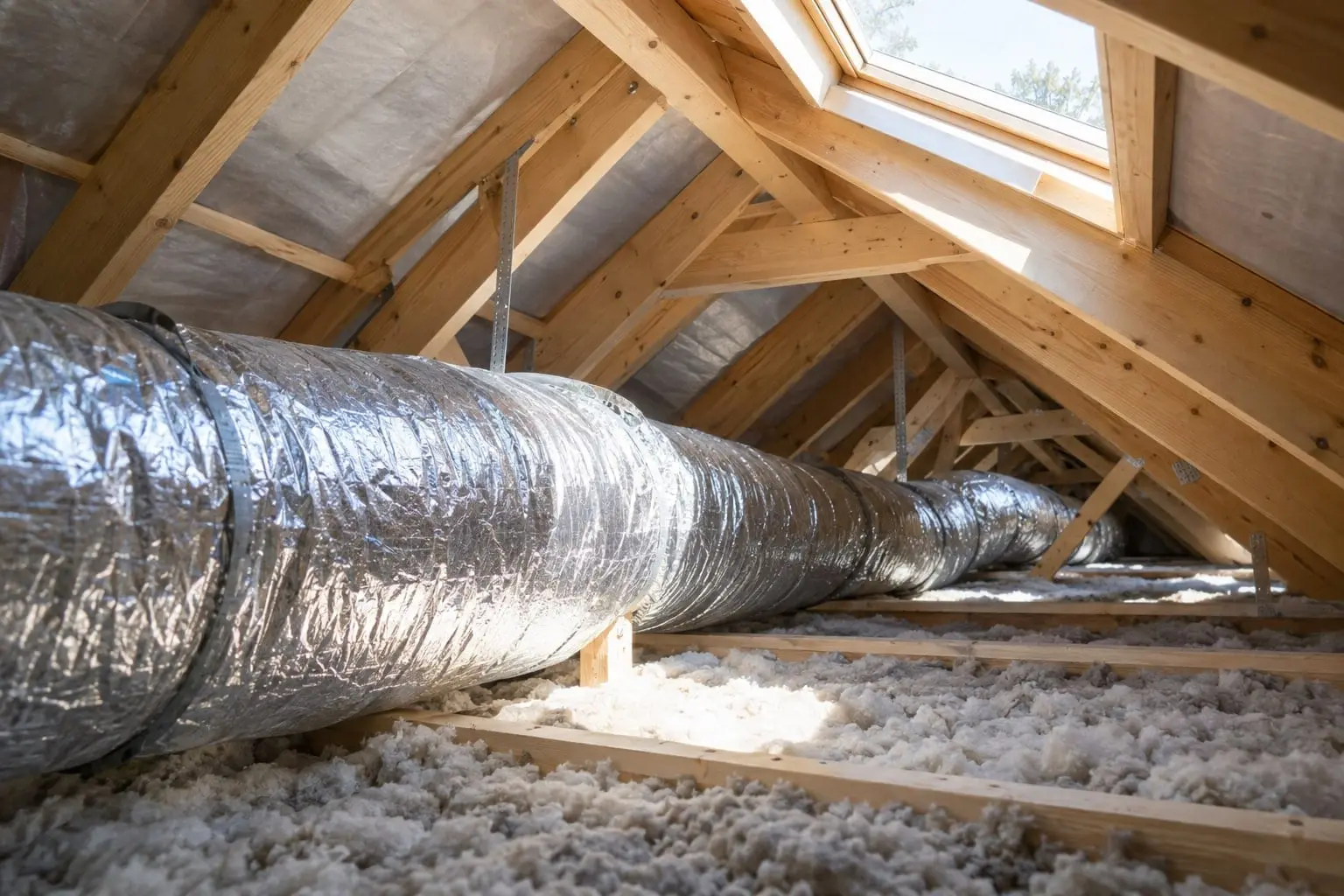
What you get with Air duct cleaning
We look before we clean
We check what is inside the ducts and tell you whether cleaning would help, so you decide with the facts in front of you.
Cleaning that follows the EPA
We name the cases in which the EPA says cleaning can be justified, and we do not pretend routine cleaning is something it is not.
A tidy house afterwards
We protect the floors and the furniture near the work and leave the registers and the area around them as we found them.
What we found, explained
You hear what we saw and what we did, and what, if anything, is worth doing next.
How a duct cleaning goes
The order below is the usual one. A house with an unusual layout may add a step.
You describe what you notice, and we look at the registers and the access points
We tell you what we see and whether cleaning would help
We protect the floors and furniture near the work
We clean the registers and the ducts, section by section
We explain what we found and what to watch for
What cleaning does not do
The EPA says duct cleaning has never been shown to prevent health problems, and that much of the dirt in ducts clings to the surfaces and does not enter the living space. It also says there is little evidence that cleaning only the ducts improves the efficiency of the system. We would rather you hear that from us than expect more than cleaning can give.
Air duct cleaning questions
How do I know if my ducts need cleaning?
Visible mold, signs of pests, or ducts so clogged with dust that particles come out of the registers are the cases the EPA names. If you are unsure, ask for a look first. We tell you what we see.
Will duct cleaning improve my health?
The EPA says duct cleaning has never been shown to prevent health problems. We do not promise health results. We clean ducts that are dirty enough to justify it and say so honestly when they are not.
Is duct cleaning a routine service?
Not according to the EPA, which recommends cleaning only as needed and not on a regular schedule. A look at the ducts tells you whether your house is one of the cases where it is.
What if the ducts are damaged and not only dirty?
Ducts that are torn, crushed or soaked cannot always be cleaned back to good condition. We tell you when replacing a section would be wiser, and explain what that involves.
Other services
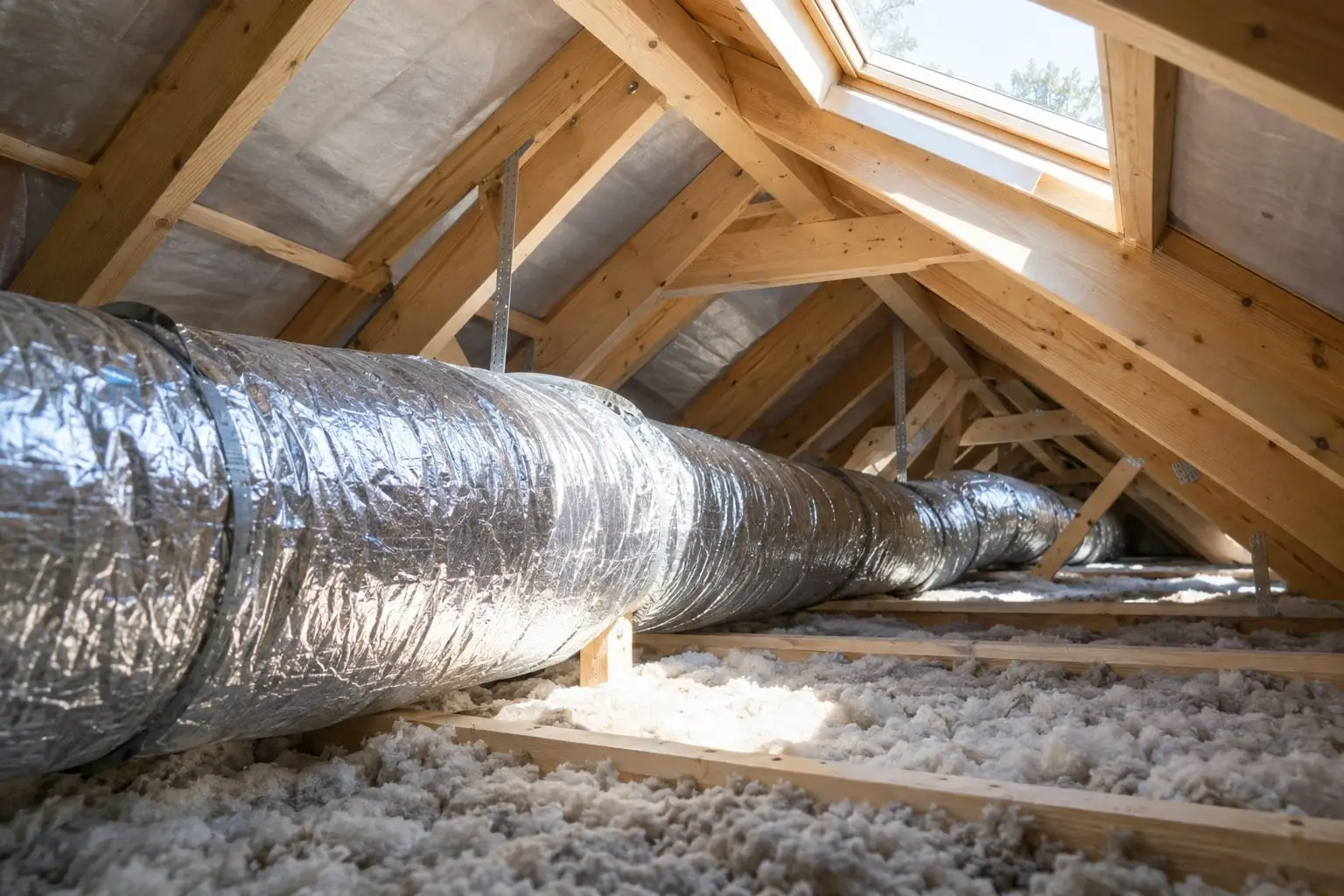
Duct replacement
Ducts that are torn, crushed or worn out replaced, from a single run to the whole system, after we show you what we found.
Air conditioning maintenance
A regular check of the parts that wear, so a small problem is found before the first hot week and not in the middle of it.
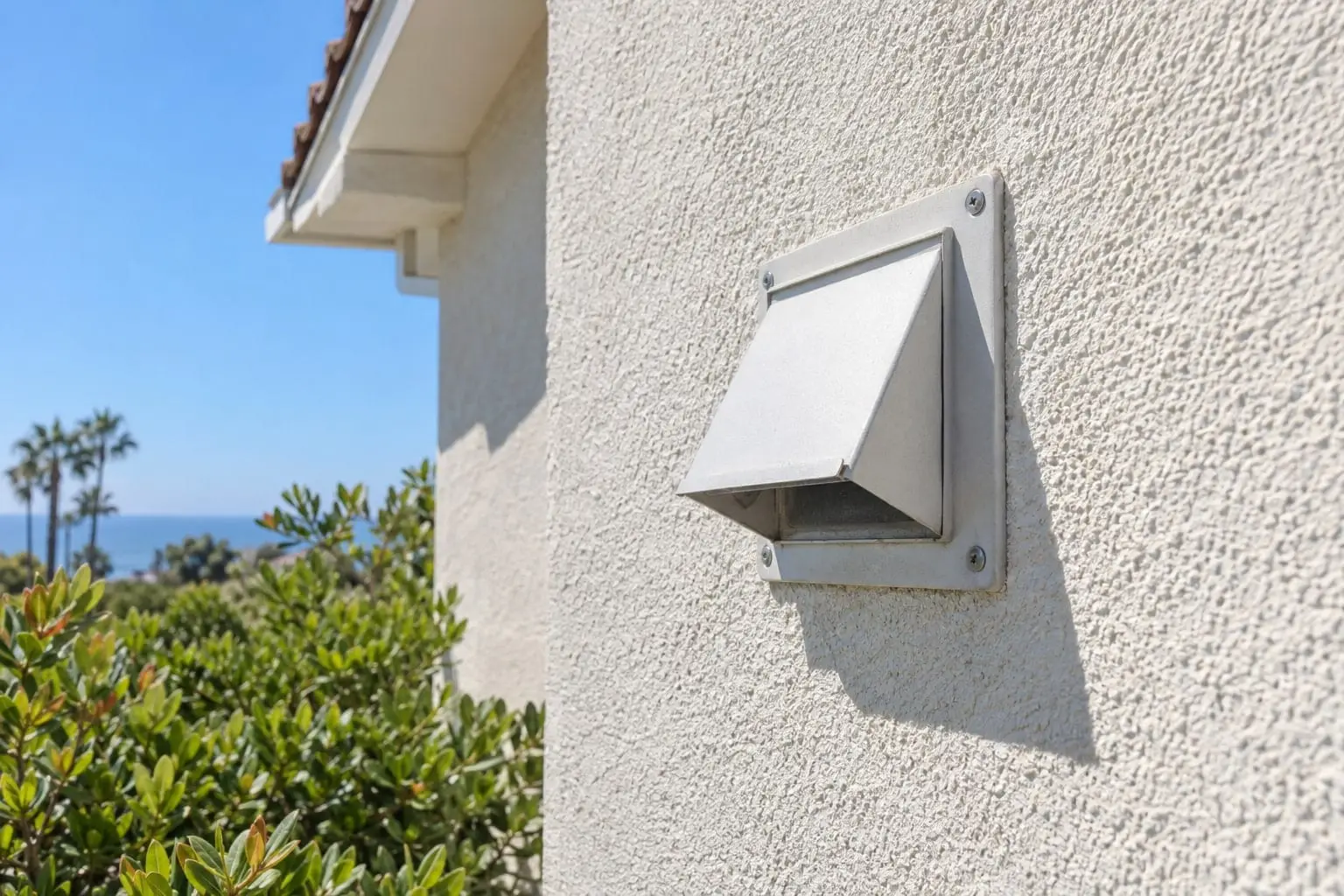
Dryer vent cleaning
Lint cleared from the dryer connection, the vent line and the outside hood, so the air can leave the house the way it should.
Illustrative AI images, not jobs of ours.
Wondering what is inside your ducts?
Tell us what is wrong or what you want done and leave your number. We call you back to set a time.