
After the Upgrade: Keeping Your New Ducts Performing
A successful duct replacement in Malibu delivers a kind of quiet excellence—rooms feel even, the system fades into the background, and the house holds steady through marine mornings and warm afternoons. Once you have that baseline, the question becomes how to keep it. Maintenance for a coastal home is less about major overhauls and more about steady stewardship, tuned to salt air, seasonal winds, and the way you live. The good news is that the same thoughtfulness that went into planning your duct replacement can carry forward into simple, effective habits that protect comfort and air quality for years.
Think of your new ducts as the circulatory system of a home now in great health. Maintenance is not a crisis response; it’s a rhythm that checks in on performance, keeps filtration working at its best, and ensures small conditions do not snowball into bigger issues. The goal is to preserve that “set it and forget it” feeling that drew you to replace the ducts in the first place.
A Malibu-Specific Maintenance Mindset
Coastal living rewards consistency. Salt and humidity nibble at materials slowly, and then all at once after a stretch of foggy mornings. Wildfire season can push homes into sealed-up mode, asking filters and returns to do extra duty. Designing your maintenance around those cycles keeps your system ahead of the curve. Regular inspections, seasonal filter strategies, and light-touch adjustments to dampers or diffuser settings are usually enough to maintain that fresh, even feel.
Paying attention to sound is an underrated tool. Your ears will tell you when a register has started to whistle or a return has developed a low hum. Those cues often point to a loose grille, a shifted damper, or a filter that is past its prime. Because your ducts are new and balanced, any new noise is a signal you can act on early, keeping the home’s calm intact.
Filtration: The Day-to-Day Difference Maker
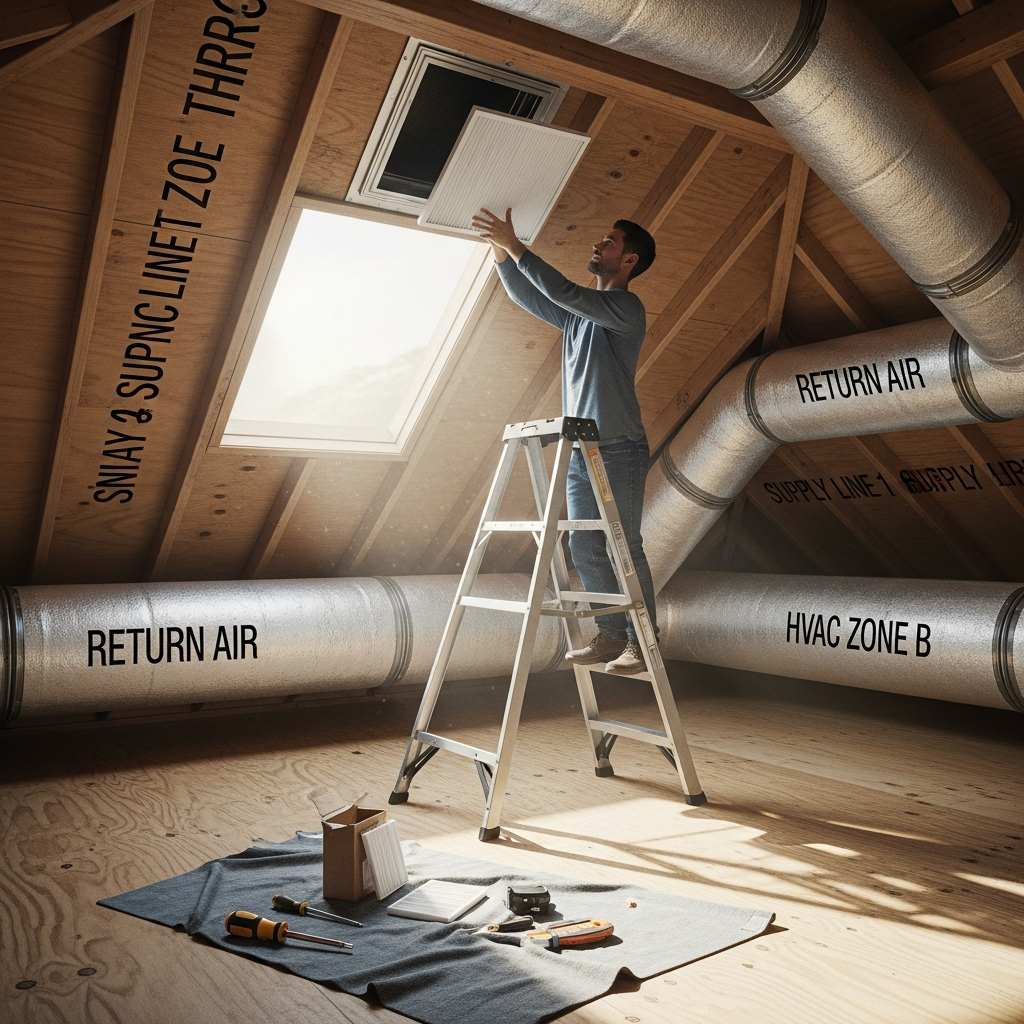
Even the tightest duct system relies on filters to keep air clean and the blower happy. In Malibu, where windows may stay open during breezy days and closed tight during smoke events, filters face fluctuating demands. A maintenance plan that treats filters as a living choice—matching MERV ratings to your equipment’s capabilities and your family’s sensitivities—will serve you well. Replace them more often during high-use stretches or when coastal fog keeps the air heavy. When in doubt, check; a quick look is faster than troubleshooting comfort issues later.
Returns matter here, too. Clear space near returns helps them breathe, and clean grilles promote quiet airflow. If you have multiple returns, understanding which ones serve which zones allows you to keep the system balanced as furniture or decor shifts throughout the year.
Keeping Seals Tight and Insulation Dry
New ducts begin with strong mastic at joints, durable jackets, and supports that share weight without compressing insulation. Maintenance is about confirming those advantages persist. After the first season of operation, a quick visual in the attic or crawlspace to confirm no jackets are pinched and no hangers have loosened sets a reliable baseline. Malibu’s thermal cycling can find any weak link, so a calm look once or twice a year pays off in peace of mind.
Moisture is the enemy of insulation. Morning marine layers can condense at exposed metal or torn jackets. If you spot dampness, address it promptly—restore vapor barriers, ensure adequate attic ventilation, and re-check routing for any cold bridges. Dry insulation preserves R-value and keeps ducts performing quietly and efficiently.
Tuning Airflow with the Seasons
Even without a formal zoning system, most Malibu homes benefit from subtle seasonal adjustments. When coastal fog dominates mornings, a bit more gentle circulation can keep interiors feeling fresh without a chill. During later summer heat, registers that serve sunlit walls may need a touch more emphasis. Because replacement projects often leave balancing dampers accessible, your maintenance rhythm can include small, reversible tweaks that meet the moment.
Track your comfort during the first year after replacement. If a room shows a pattern—warmer by sunset or cooler by dawn—note it and share it during routine service. Your HVAC pro can translate those observations into a damper setting or diffuser change, often in minutes.
Protecting Indoor Air During Smoke and Wind Events
When smoke drifts into the region, your ducts become a shield. Maintenance in Malibu means having a plan before those days arrive. Keep spare filters on hand, consider a temporary step-up in filtration if your equipment allows it, and run the system on low circulation to keep air moving through the filter rather than creeping in through building gaps. After the event, return to your standard filtration choice and check grilles and registers for any residue.
Wind events are similar. Strong onshore or Santa Ana winds can sway pressure relationships in a house. A tight duct system resists unplanned infiltration, but you will still benefit from confirming that returns are unobstructed, exterior doors close cleanly, and any automatic make-up air strategies are behaving as intended.
Listening for Changes, Looking for Clues
Because new ducts start from a place of quiet, you can trust your senses to spot changes. If a register begins to whistle, a joint may have shifted. If a room grows dustier than expected, a filter may be overloaded or a return path partially blocked. If the system runs longer than it did last season for the same setpoint, it is worth a check-in. Simple observations feed effective maintenance, catching minor issues before they distract from the home’s calm.
Documenting these notes—in a phone memo or calendar—creates a personal history of the system’s behavior. When service arrives, that history saves time and focuses attention where it is most productive.
Commissioning Data as a Maintenance Tool
Many Malibu replacements now conclude with commissioning data: airflow targets, static pressures, and temperature splits. Keep those numbers handy. They serve as a benchmark for future checkups, telling you and your technician what “right” looked like when the system was new. If numbers drift, you know to investigate balancing or sealing before assuming equipment trouble.
Even without instruments, homeowners can follow the spirit of commissioning by simply verifying outcomes—rooms that reach setpoint without hot or cold corners, registers that do not hiss, and a home that smells neutral after a day with windows closed. If that baseline changes, maintenance can retrace the steps and restore it.
Coordinating with Other Home Projects
Beach life invites projects—new windows, kitchen upgrades, or refinished floors. Coordinate those plans with duct maintenance. If ceilings open or furniture relocations change air paths, a brief re-balance preserves comfort. Contractors who understand your duct system can protect access points and insulation during their work, preventing accidental compression or tears that undermine performance.
Landscape changes matter as well. New plantings that add afternoon shade or remove it can alter loads in key rooms. During routine service, mention any shifts outdoors; small indoor adjustments can follow to keep pace with the environment.
When to Call for Service
Your everyday care will handle most needs, but there are moments to bring in a professional. If you suspect a hidden leak, if a room refuses to behave after a season of small tweaks, or if condensation appears despite dry weather, a trained eye can diagnose in one visit what might take weeks to puzzle out. Because the ducts are new, solutions typically come quickly—adjusting a damper, resealing a joint, or re-routing a short segment to eliminate a chronic whistle.
Establishing a relationship with a local HVAC team familiar with Malibu’s microclimates pays dividends. They will remember that your living room bakes at 4 p.m. in September and that your primary suite sits in morning shade, and they will translate that memory into maintenance that keeps the system feeling intuitive.
Frequently Asked Questions
How often should I change filters after a duct replacement?
Follow manufacturer guidance and tailor it to Malibu’s seasons. During smoke events or high-use months, check more frequently. The right cadence keeps airflow steady and the system quiet, preventing the subtle strain that comes from clogged media.
Do new ducts lower maintenance needs?
They simplify maintenance rather than eliminate it. With tight seals and balanced runs, you shift from troubleshooting to fine-tuning. Small, scheduled check-ins replace surprise discomfort, and your effort goes further because the system responds predictably.
Will I ever need the ducts cleaned?
With a sealed system and proper filtration, frequent duct cleaning is usually unnecessary. Focus on filter changes and keeping returns tidy. If a specific event introduces debris—construction dust, for example—consult a pro about targeted cleaning rather than a blanket service.
What signs mean a service visit is due?
New noises, persistent dust in one room, runtime that feels longer than last season, or any sign of moisture near jackets or hangers. Because your ducts are new, these are solvable signals, not the beginning of the end. Early attention keeps everything composed.
Can I adjust dampers myself?
Yes, if they are accessible and labeled. Make small, single changes and give the home a day to respond before making another. Note your starting position so you can return if needed. When in doubt, ask your technician to walk you through a seasonal adjustment routine.
How do smoke events change my maintenance plan?
Before smoke arrives, have spare filters ready and plan to run the fan on low to keep air moving through filtration. Afterward, replace the filter and air out the home when conditions allow. A sealed duct network shines in these moments, helping your interior stay clean and calm.
If you want your Malibu home to keep that effortless, ocean-breeze comfort month after month, partner with a local team and commit to simple, seasonal care. When you are ready to review your system, refresh filtration, or fine-tune balance, start with a quick conversation about your experience since duct replacement. A small amount of attention now keeps your home poised for quiet, clean comfort all year.