
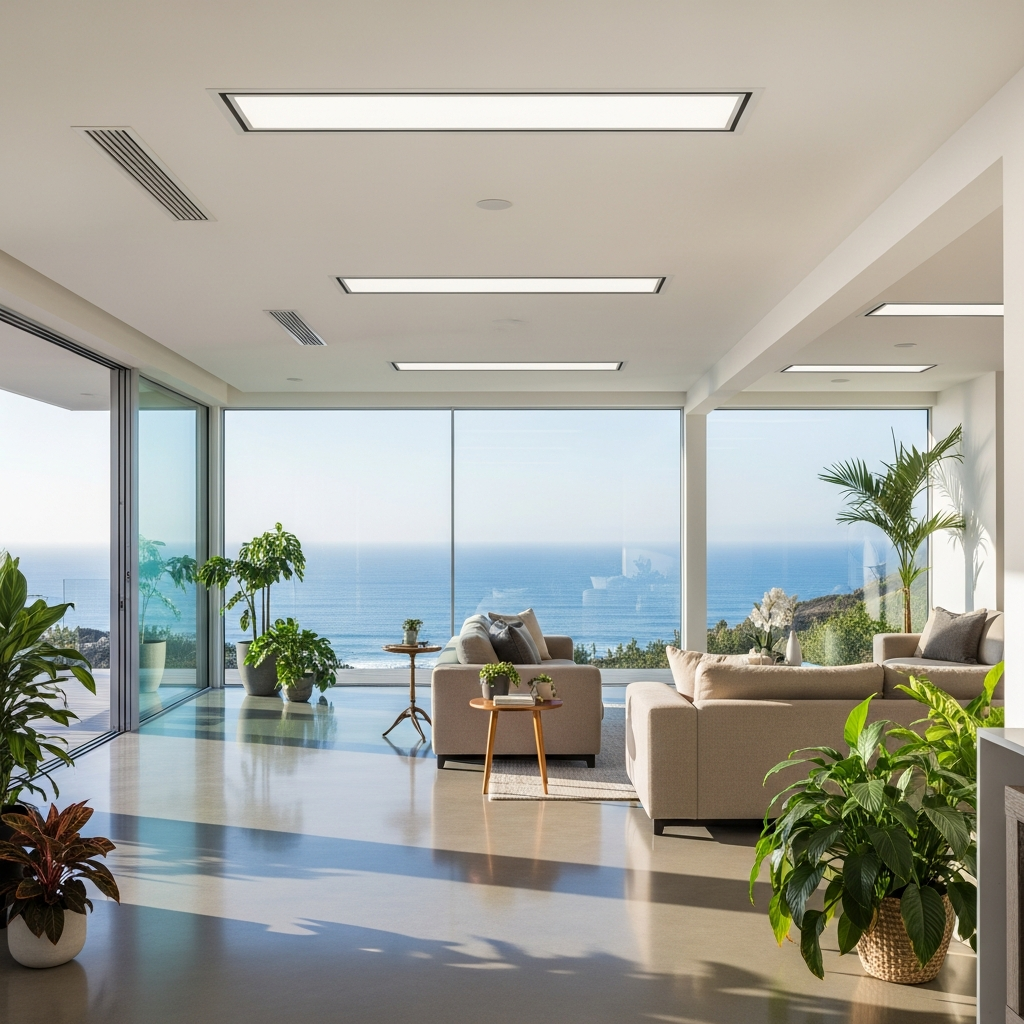
How Malibu’s Lifestyle Is Influencing Modern Ductwork
Trends in duct replacement rarely make headlines, yet in Malibu they quietly shape how homes feel and function. As a coastal community defined by ocean breezes, hillside views, and indoor-outdoor living, Malibu presents a design brief that keeps evolving. Homeowners want silent comfort, cleaner air during smoke events, and systems that align with electrification goals without compromising the serenity of their spaces. Behind that vision is a set of innovations in materials, layout strategies, and controls that turn ideas into daily ease. Many of the projects I see start with a conversation about aesthetics and air quality and end with a smarter backbone for the whole house. When you put modern thinking into duct replacement, the results show up every time a sea breeze shifts or a heat wave settles in.
Today’s Malibu homes blend architecture from multiple eras—mid-century post-and-beam, classic cottages, and new builds with walls of glass. The right duct strategy honors those bones while delivering quiet, balanced airflow. That blend is where current trends shine: better materials for the coast, zoning that respects microclimates in a single residence, and controls that make the system feel perceptive rather than fussy. The following shifts are redefining what “good ductwork” means here.
Durable, Coastal-Ready Materials
The first trend is a pragmatic one: materials that stand up to salt and sun. We are seeing robust outer jackets with improved vapor barriers, better insulation that resists compression and moisture, and hardware selected specifically for corrosion resistance. Where metal is preferred for certain trunks or plenums, liners are chosen for acoustic performance and longevity, and joints are sealed with mastics that maintain adhesion despite thermal cycling. The guiding principle is durability without sacrificing serviceability, so inspection points and test ports are included from the start.
These material choices reduce the frequency of touch-ups and protect performance. Malibu’s marine layer does not have to be the enemy; with the right envelope around your ductwork, condensation risks drop, and jackets do not peel after a few summers. This shift toward coastal-ready spec is now standard on well-executed replacement projects, and homeowners feel the payoff in consistent comfort and quieter operation.
Smart Layouts for Open Plans and Hillsides
The way we lay out ducts has changed just as much as the components. In open-plan great rooms, throw patterns and diffuser selection receive as much attention as trunk sizing, so cooled or heated air reaches distant seating areas without noise or drafts. On hillsides, where stack effect can exaggerate temperature differences, replacement plans often add or reposition returns to create even circulation from level to level. Smooth-radius fittings and measured transitions are favored over tight bends, taming static pressure and preventing whistles.
One notable trend is designing with service in mind. Balancing dampers are left accessible, and runs are labeled to match room names, so small seasonal tweaks can be made without guesswork. The system becomes a living part of the home that can adapt to new furniture layouts, shading changes from landscape growth, or the addition of a home office.
Zoning and Gentle, Continuous Airflow
Another major shift is the embrace of zoning where it makes sense. Malibu’s microclimates within one property—sunny ocean-facing rooms and shaded canyon-side bedrooms—benefit from independent control. During replacement, ducts are organized to support zones that allow low, continuous circulation rather than abrupt blasts. When a zone can hold its own setpoint with a steady whisper of air, noise drops and comfort rises. This is particularly effective in glassy living rooms where solar gain fluctuates throughout the day.
Even in homes not ready for full zoning, replacement projects often lay out the groundwork: separate trunks that could later accept dampers, sensible return paths, and control wiring in place. That future-proofing is part of the trend toward duct networks that invite upgrades without tearing into finished spaces.
Air Quality by Design
Households here have become more air-quality aware, and duct replacements reflect that. Thoughtful return sizing, pressure targets that avoid excessive negative pressure, and tight sealing ensure air sees the filter before the room. Malibu’s periodic smoke events make this design-first approach essential. When windows stay shut, a well-sealed, balanced network holds indoor calm, keeps odors at bay, and moves air through filtration without leaks that bypass filters. During replacement, many homeowners pair new ducts with upgraded media filters or space for future enhancements, turning the air path into a protective asset.
Acoustics play into air quality too. A quiet system invites low-speed circulation that refreshes air more often without becoming a nuisance. With improved layouts and materials, homeowners feel comfortable letting fans run longer at low speeds, which keeps the home fresher and more consistent.
Electrification and Heat Pump Synergy
Malibu’s push toward cleaner energy has encouraged homeowners to consider heat pumps as primary or backup systems. This trend dovetails with duct replacement because heat pumps favor steady airflow and sensible static pressures. When ducts are right—sealed, well-sized, and low-resistance—heat pumps shine, delivering efficient comfort even on cool mornings. Replacement is the moment to meet those airflow targets, ensuring future equipment upgrades will not be hamstrung by legacy ducts that were never designed for modern performance.
Decarbonization goals also inspire better insulation around ducts, cutting waste that would otherwise increase load. Combined with strategic shading and ventilation improvements, duct replacements become part of a broader plan to reduce energy use without sacrificing the serenity Malibu homes are known for.
Data-Driven Commissioning
Perhaps the most underappreciated trend is commissioning. Instead of relying solely on experience, teams are now verifying results with pressure readings, airflow measurements, and temperature splits at key registers before wrapping the project. In Malibu, where unusual rooflines and mixed construction are common, those data points catch issues early and confirm that the home’s unique geometry is cooperating with the new layout. Homeowners get a clear picture of performance, not just a promise that it will feel better.
Commissioning also simplifies future service. Documented targets make it easy to tell whether a new symptom is a control issue, a damper that moved, or just a change in how the home is used. The system’s baseline is known, which makes the comfort it delivers resilient.
Mid-Project Conversations that Elevate Results
A hallmark of current best practice is the structured midpoint review. Once major runs are in, airflow and pressure are checked, and homeowners can weigh small choices that have big impacts—register style in a reading nook, damper settings for an office that runs warmer than expected, or return placement for a gym. This is also the ideal time to revisit goals for duct replacement in light of the home’s lived-in patterns. Because access is still open, adjustments are efficient, and the finished result feels tailored rather than generic.
This collaborative approach respects Malibu’s lifestyle. People here value calm homes that host friends effortlessly, remote work that feels grounded, and evenings when the sea breeze wanders through without meeting an artificial blast from a vent. Mid-project choices align the system with that rhythm.
Seamless Integration with Architecture
The invisibility of good ductwork is part of the trend. Diffusers that match ceiling lines, returns that disappear into millwork, and routes that preserve headroom keep the focus on views and materials. Designers and HVAC teams coordinate more than ever, making sure supply placement avoids seating zones and drafts across dining tables, and that return grilles do not interrupt focal walls. This integration is essential in Malibu’s refined interiors, where the beauty of the home is a primary comfort feature.
In renovated cottages and additions stitched over time, replacement projects give a chance to reconcile mismatched systems. What was once a patchwork becomes a coherent whole, balancing airflow between older and newer wings so the home feels unified again.
Frequently Asked Questions
Are new duct materials really different from what was used a decade ago?
Yes. Jackets resist UV and moisture better, insulation maintains R-value under compression, and sealants hold up through thermal cycling. Hardware selection has improved for corrosion resistance, which matters in Malibu’s salty air. These changes extend the lifespan of a well-installed system and preserve performance.
Do I need zoning, or is it just a trend?
Zoning is most helpful when your home has distinct microclimates—ocean-facing glass areas and shaded bedrooms, for example. It is not required for every project, but many replacements at least prepare for future zoning, organizing trunks and returns so dampers and controls can be added later with minimal disruption.
Will new ducts make my home quieter?
Nearly always. Smoother fittings, right-sized runs, and thoughtful diffuser selection lower turbulence and vibration. Many homeowners report they no longer notice when the system turns on; rooms simply hold their temperature with a soft background hush.
How does duct replacement tie into electrification?
Heat pumps and modern air handlers thrive on low static pressure and balanced airflow. Replacement is the perfect time to achieve those conditions so any future equipment change delivers its promised efficiency and comfort. Tight ducts also reduce energy waste, aligning with cleaner energy goals.
Is commissioning really necessary?
It is the difference between hoping and knowing. Verifying airflow, pressure, and temperature splits ensures the unique geometry of your Malibu home supports the design. Commissioning data also helps future service pinpoint issues quickly, protecting long-term performance.
Will these trends work in older beach cottages with tight attics?
Yes, with careful planning. Smooth-radius solutions, compact yet durable materials, and service-minded layout choices can overcome tight conditions. The result is often dramatic, because older cottages stand to gain the most from modern design and installation practices.
If you want a home that feels composed through wind shifts, marine layers, and weekend gatherings, align your project with the trends that make a difference. Start a plan for duct replacement that respects Malibu’s architecture and climate, and enjoy comfort that is as effortless as an oceanview evening.