
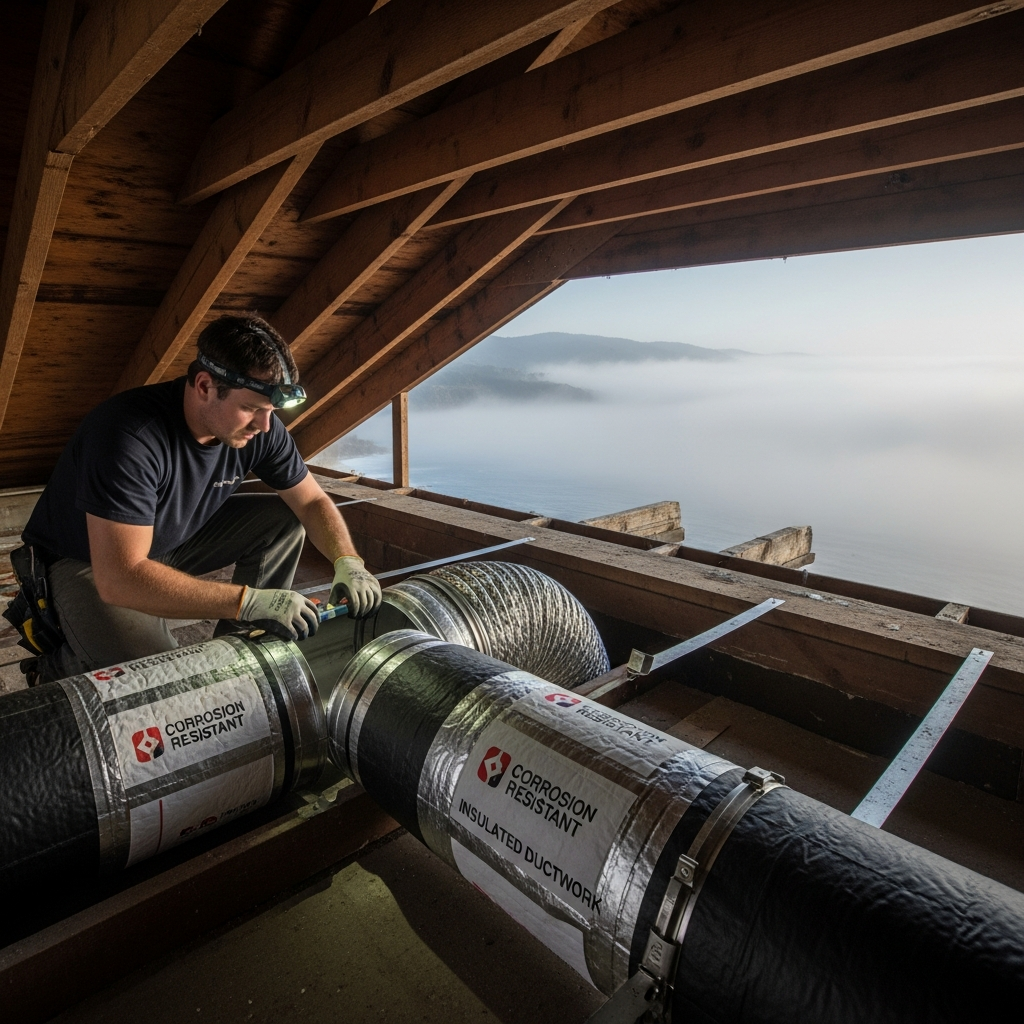
Why Coastal Homes in Malibu Have Unique Ductwork Needs
Living and working as an HVAC professional along the Malibu coastline teaches you to read more than blueprints—you learn to read the ocean, the wind, and the terrain that frames each property. The salty marine layer rolls in before sunrise, the afternoon sun bakes rooflines, and evening breezes funnel through canyons with a chill that surprises guests who expect endless summer. In this microclimate, the ducts hidden behind walls and under floors carry more than conditioned air; they carry the comfort and health of every room. It is why homeowners here see such outsized benefits from thoughtful duct replacement, tailored to the coastal environment and the rhythms of Malibu living. When the system is designed for salt, sand, fog, and wildfire season, a home feels consistent and calm in ways that first-time buyers don’t realize are even possible.
Well-designed ducts act like the circulatory system of your home, guiding air quietly and efficiently with minimal loss. In Malibu’s coastal zone, the demands on that system are amplified. Salt air accelerates corrosion, canyon winds heighten pressure swings, and humidity can condense in poorly insulated runs. Many homes built decades ago relied on materials and layouts that made sense at the time, but fail today under constant marine exposure and modern expectations for quiet, balanced comfort. Replacing older or poorly routed ductwork is not just an upgrade; it is a reset that unlocks efficiency, healthier air, and everyday comfort that stands up to Malibu’s dramatic weather shifts.
The Coastal Elements that Wear Down Ducts
Salt is relentless. Even tiny roof or crawlspace penetrations, metal fittings, and strap hardware can corrode faster in Malibu than they would just a few miles inland. Corrosion leads to air leaks at joints and seams, and those leaks compound over time as the system cycles and flexes. In older ducts, fiberglass liners or thin outer jackets become brittle under UV exposure at eaves, while rodents seek shelter during Santa Ana wind events and find easy entry at torn connections. The result is a system that uses more energy to deliver less air, leaving rooms that heat unevenly in winter and never quite cool in late summer.
Humidity is the quiet partner to corrosion. That cool marine layer you love for morning walks can condense on poorly insulated duct surfaces, especially in attics where warm roof decks meet cool supply air. Moisture is a catalyst for microbial growth if it lingers, and even when growth doesn’t take hold, damp insulation loses R-value, creating a snowball effect of energy loss and temperature instability. In replacement projects, we prioritize high-quality insulation wraps, tight vapor barriers, and clean, dry routing to break that cycle.
Wildfire smoke is another seasonal reality. Ducts that draw from compromised returns or have leaks in dusty attics can introduce particulates right where families spend the most time. During fire season, many Malibu homeowners keep windows shut for weeks, relying entirely on their HVAC system to maintain air quality. That only works when the duct system is sealed, balanced, and paired with filtration engineered to the home’s size and usage patterns. Replacement is the natural moment to reimagine filtration strategy, add better return paths, and ensure the system protects indoor air during challenging weeks.
Comfort that Feels Effortless, Season after Season
The most immediate benefit people notice after a high-quality duct replacement is a steadier, quieter kind of comfort. Instead of loud blasts at the nearest register and barely-there flow at the far bedroom, you get even distribution that reconciles room-by-room differences in exposure, glazing, and elevation. Malibu homes are often tiered along hillsides, with sun-facing great rooms, shaded bedrooms, and lower-level studios that feel like different climates. The replacement process allows precise sizing of trunks and branches, better balancing at dampers, and careful register selection to smooth out hot spots and cold pockets.
Sound is a big part of the equation. Older metal ducts, poorly isolated from framing, can drum or ping with each call for air. Flexible runs that curve too sharply can whistle. A careful replacement changes the conversation, using better acoustic strategies like gradual transitions, lined sections where appropriate, and hanger systems that decouple ducts from joists. What you hear after the upgrade is mostly silence, punctuated only by the comfort of rooms reaching their setpoint without drama.
Energy efficiency follows naturally from a tight, well-routed system. In Malibu, where cooling loads spike during late-summer heat and winter mornings invite the furnace, a duct system that wastes less translates directly to a system that cycles less. Shorter runtimes improve comfort and leave more headroom for extreme days. That steadier demand profile can also extend equipment life, because compressors and blowers no longer fight against poorly sealed, high-resistance duct runs.
Healthier Air in a Coastal Environment
Good ductwork protects indoor air quality every hour of every day. During replacement, we can re-think returns that were undersized or oddly placed, which reduces system strain and keeps filters working efficiently. When the return side is right, the system draws gently and evenly, avoiding the kind of negative pressure that can pull dusty attic air into the supply path through hairline gaps. With Malibu’s frequent onshore breezes, a well-sealed duct network also blocks the intrusion of salty air into the building envelope, keeping humidity and particulates where they belong—outside.
Better sealing and insulation also means less condensation potential. Dry ducts don’t harbor musty odors, and they keep the interior fabric of your home—drywall, floors, built-ins—stable. When we pair a duct replacement with a thoughtful filtration strategy, from high-MERV media to whole-home solutions scaled for the property, the result is cleaner air during wildfire season, surfboard-wet afternoons, and everything in between. Families with sensitivities often feel the difference within days.
For homeowners who work from home or host guests year-round, improved air quality shows up in more subtle ways, too. You may find the HVAC fan can run on low for air circulation without the “whoosh” that made conversation difficult. You may notice less dust on window sills, fewer drafts beneath doors, and a general sense that the house is better sealed. Those are the signs of a duct network doing its job unobtrusively.
Stronger Materials and Smarter Design for Malibu
Coastal replacement work is about choosing materials that hold up and designs that make sense for the terrain. We often specify robust outer jackets with UV-resilient layers for runs near eaves, stainless or coated hardware where corrosion pressure is high, and mastic and tape systems rated for the salt-laden air. We also consider access for future service—placing key junctions where inspection is feasible, adding ports for testing, and ensuring dampers are reachable so the system can be dialed in seasonally if needed.
Routing is an art in Malibu. Older homes can have tight crawlspaces or unconventional framing. Rather than accept kinks, pinches, and long meanders that sap performance, replacement is the moment to re-route for directness, use smooth-radius fittings, and reduce static pressure. In many projects, homeowners are astonished to learn that what felt like an equipment problem was largely a duct issue; a better air path makes the same furnace or heat pump feel like a different machine. It is in this stretch of the project that a strategic mid-course conversation about duct replacement details—like balancing, damper settings, and return sizing—can elevate results from good to exceptional.
Zoning is another opportunity that aligns well with coastal homes. A hillside residence with a glassy, ocean-facing living room wants different settings than a shaded primary suite tucked inland. During replacement, we can plan for zones or at least lay the groundwork—separate trunks, accessible dampers, and control wire paths—so the home can adapt over time without tearing into finished spaces later.
Resilience During Wind, Heat, and Smoke Events
Malibu’s hallmark weather shifts ask a lot of duct systems. When Santa Ana winds roar, infiltration pressures can reverse briefly, so seals and joints must be robust. On the hottest afternoons, attic temperatures soar, and ducts must hold their R-value and integrity. During smoke events, the system should maintain indoor pressurization within reason and draw all air through filtration instead of leaky bypasses. A replacement that anticipates these extremes builds confidence. Homeowners often report that the house “holds” its comfort longer, so they run the system less aggressively even on tough days.
Resilience also shows up in the serviceability of the new network. Clearly labeled trunks and branches, smart placement of balancing dampers, and platforms that keep ducts off damp soil or away from roof condensation help the system age gracefully. When technicians can inspect and make small adjustments easily, you benefit from a system that stays finely tuned without disruption to your routine.
Quiet Performance and Architectural Harmony
Malibu architecture prizes openness, clean lines, and windows that frame the Pacific as if it were a painting. Duct replacement allows the mechanical system to support that aesthetic rather than intrude on it. With careful diffuser selection and throw patterns matched to room geometry, air becomes a gentle presence that blends with the design. Replacing supply locations that blast on seating areas, or returns that whoosh near hallways, restores calm to the soundscape. For media rooms, yoga spaces, and studios, the difference in noise can feel as dramatic as an equipment upgrade.
In older beach cottages, where low ceilings and creative renovations stacked over decades, we often find a chance to reclaim headroom or straighten once-compromised runs. That work respects the home’s history while bringing it into harmony with modern living, letting open doors and windows complement, rather than compete with, the HVAC system.
Boosting Home Value with Invisible Upgrades
While curb appeal and kitchens get the attention, savvy Malibu buyers and their inspectors look closely at the bones of a home. A well-executed duct replacement may be invisible, but it shows up in comfort demonstrations during showings, in documentation of sealing performance, and in quieter, cleaner operation during a buyer’s walkthrough. Because Malibu buyers often split time between residences, they put a premium on homes that simply work—where the climate control is consistent and low-drama. Presenting a home with a recently replaced, well-documented duct system can tip the scales in your favor when offers are compared.
There is also a sustainability story to tell. Tighter ducts reduce wasted energy, especially important in a coastal climate where dehumidification and cooling shoulder the summer workload and gentle heating supports winter mornings. Replacement is a tangible step that aligns with broader goals to reduce emissions, and it pairs well with future upgrades like high-performance heat pumps or enhanced ventilation.
Planning Your Project with Local Insight
Every Malibu property has its microclimate. A home on the sand feels different from one nestled up a canyon or perched on a bluff. The best results come from a duct replacement plan that respects those nuances: how fog sits on your block, which rooms catch first light, where winds funnel at dusk. A site walk with a local pro who listens—who checks sun exposure, examines attic ventilation, and looks at the story your current ductwork tells—sets the stage for a design that becomes part of the home’s rhythm rather than an afterthought. The outcome is everyday ease: steady temperatures, clean air, and a system that fades into the background like good lighting.
Frequently Asked Questions
How do I know my Malibu home actually needs new ducts?
Look for uneven room temperatures, excessive dust, persistent musty odors, or a system that sounds labored yet underperforms. In coastal homes, visible corrosion on straps and fittings, brittle insulation, and kinks in flexible runs are red flags. A pressure test and visual inspection from a local specialist can confirm whether leakage, poor routing, or age-related wear is undermining comfort and air quality.
Can sealing alone fix my comfort issues, or is replacement better?
Sealing is valuable, but if the underlying layout is flawed—runs are too long, diameters are off, or returns are undersized—sealing becomes a bandage. In many Malibu houses, replacement allows right-sizing and rerouting that reduce static pressure and noise. The decision depends on what an inspection reveals; sometimes a hybrid approach of targeted replacement plus sealing is best, but when materials are degraded, full replacement delivers the biggest leap in performance.
Will new ducts help during wildfire smoke events?
Yes. A tight, well-balanced supply and return system helps ensure all air passes through filtration. During replacement, we also re-evaluate return placement and filter strategies to support cleaner indoor air when windows remain closed for extended periods. Many homeowners notice fewer odors and particulates with a properly sealed system and upgraded filtration during those challenging weeks.
What materials hold up best near the beach?
High-quality insulated flex or lined metal, robust outer jackets with strong vapor barriers, and corrosion-resistant hardware make a difference. Just as important are installation details: well-supported runs with smooth transitions, mastic-sealed joints, UV-aware placement, and thoughtful routing that avoids kinks and pinches. In Malibu, material choice and craftsmanship share equal weight.
How does duct replacement change noise levels?
Strategic sizing, smoother fittings, and better isolation from framing reduce turbulence and vibration. Register selection and placement can prevent drafts on seating areas and minimize whistling. Most homeowners report a substantial reduction in background noise and fewer pressure-related creaks when their system cycles.
Is duct replacement disruptive to my daily routine?
With planning, disruption can be kept to a minimum. Staging materials, protecting pathways, and scheduling work in phases allow families to stay comfortable. Clear communication about access points—attic hatches, crawlspaces, and closets—helps the team move efficiently and wrap up without unnecessary surprises.
When you’re ready to experience the quiet, even comfort that suits a Malibu coastal home, choose a partner who understands the local climate and respects your architecture. If you want to explore options and see how your home could feel with a better air path, reach out and start a conversation about duct replacement that is designed for the ocean breeze, the hills, and the way you live.