
Stand on a bluff above the Pacific in late afternoon and you can feel Malibu’s temperature change by the minute—cool on your face, warm on your back, and a dry breeze sweeping through the canyons. That same complexity finds its way into our homes. Upstairs rooms bake while ground floors stay placid, glassy west exposures turn golden and hot, and shaded dens barely move a degree. Central air conditioning can tame this, but only when it is designed to match the home’s microclimates. Zoning is how we do that. With well-planned zones, a smart control strategy, and clean, quiet ductwork, your system delivers comfort where and when you need it, and it does so efficiently. After years of tuning systems from Serra Retreat to Encinal, I can tell you that the difference between a home that fights the weather and one that flows with it is often the zoning plan—and a commitment to quality air conditioning practice.
What Zoning Really Means
Zoning is the practice of dividing your home into areas that can be cooled independently. Each zone has its own thermostat or sensor, and motorized dampers regulate airflow to that part of the duct system. The air conditioner and air handler remain central, but the distribution becomes intelligent. Picture upstairs bedrooms as one zone, the open living/dining/kitchen as another, and perhaps a home office or media room as a third. When afternoon sun hits the western glass, the living zone receives more air while bedrooms rest. At night, the bedrooms take priority while living spaces idle. The result is steadier comfort, fewer compromises, and energy spent where it actually helps.
In a Malibu context, zoning respects how marine layers, canyon winds, and topography split the home into microclimates. Homes perched right on the beach may have two-story glass walls that turn into solar collectors after lunch, while hillside homes see stratification—heat rising and pooling upstairs. Zoning acknowledges these patterns and lets a single system shape-shift throughout the day.
Designing Zones That Work
Good zones follow both architecture and usage. We begin by mapping heat gains—windows, orientation, ceiling heights—and by listening to how you live. If a guest room is rarely used, it should not drive cooling all day. If a home office runs electronics, it may need a daytime bump. We aim for zones that group rooms with similar loads and schedules. Each zone gets proper supply runs and, crucially, adequate return air paths so that airflow stays balanced when zones open and close.
Thermostat and sensor placement matter just as much. We avoid direct sun, drafts, and nearby heat sources. In large zones, distributed sensors or averaging strategies help the system “see” the space fairly, preventing a cool corner from masking a warm seating area. The more accurate the sensing, the smoother the comfort.
Dampers, Static Pressure, And Airflow
Motorized dampers are the hands that shape airflow. When a zone calls, its dampers open; when it rests, they close. But closing ducts raises static pressure in the rest of the system. If unaddressed, that pressure can create noise, drive air through weak joints, and overwork the blower. Modern zoning strategies avoid these pitfalls with variable-speed blowers, staged or inverter-driven compressors, and thoughtful duct design that maintains acceptable static when zones shift. The old habit of using a bypass duct to dump excess air is fading because it wastes energy and can cause coil issues. Instead, we modulate capacity and airflow to match the open zones.
During design, we size ducts with zoning in mind, ensuring that any single-zone operation still leaves enough open path for quiet, efficient airflow. We use smooth transitions, avoid tight elbows, and support ducts to prevent sagging. The payoff is a system that stays whisper-quiet even when only one part of the house needs cooling.
Controls That Think Ahead
Modern zone controllers and thermostats do more than follow setpoints. They anticipate loads based on history, time of day, and even weather data. In Malibu, that might look like trimming output when the marine layer holds and nudging capacity up as the sun burns through. Room sensors detect occupancy and can pre-cool bedrooms before bedtime while letting the rest of the home relax. With inverter systems, controls orchestrate compressor speed and blower output so that changes feel gradual and natural rather than abrupt.
Integration matters, too. If you have a hybrid setup—a central system plus a ductless unit in a stubborn room—the controls should be coordinated so they complement rather than compete. Thoughtful programming prevents one system from undoing the other’s work and preserves a calm, efficient rhythm.
The Role Of Ductwork Quality
Even the smartest zoning plan falters if ducts leak or are poorly insulated. Every cubic foot of cooled air that leaks into an attic wastes energy and reduces zone effectiveness. During upgrades, we test and seal ducts, insulate where needed, and ensure that returns are generous and well-located. Malibu’s architecture often includes long runs, vaulted ceilings, and mechanical spaces squeezed into imaginative places; details like mastic-sealed joints, rigid trunk lines where appropriate, and balanced branch sizing add up to a system that delivers what it promises.
Commissioning: Where Efficiency Meets Reality
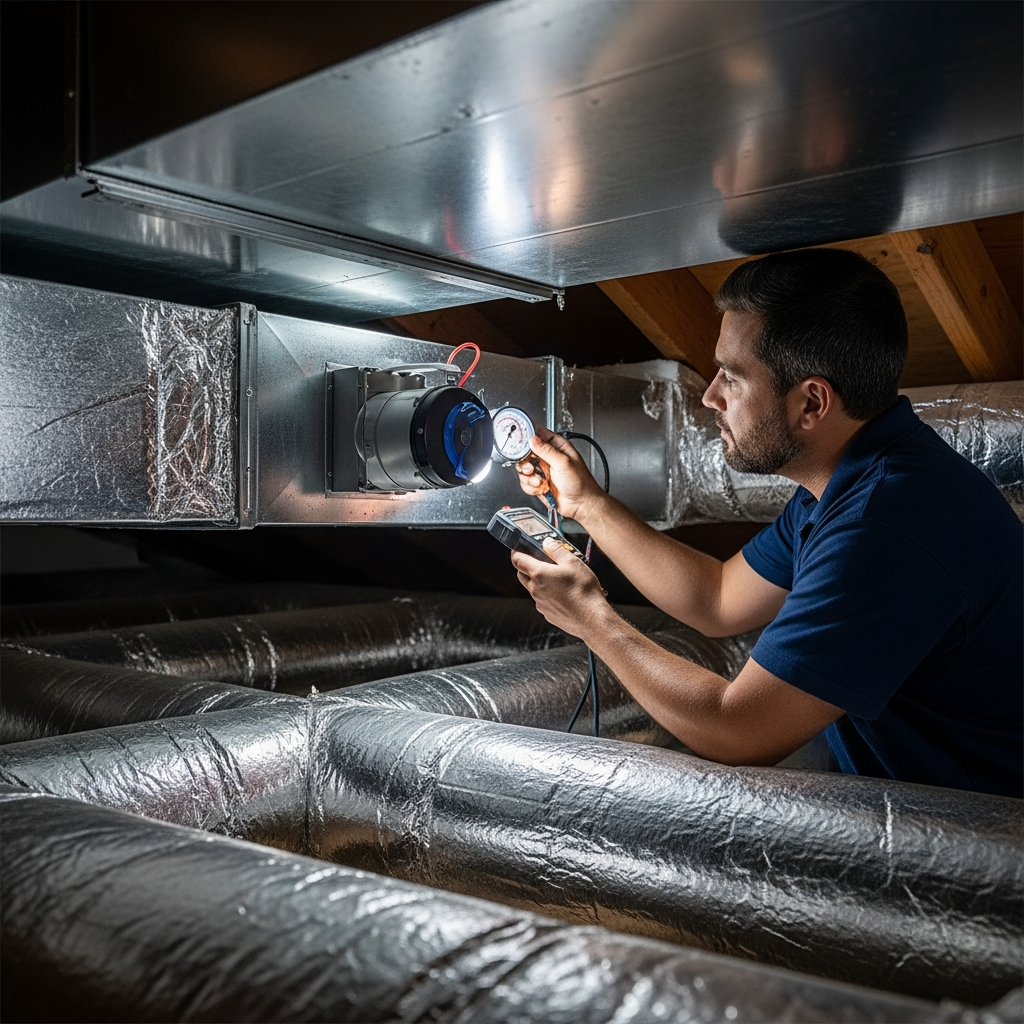
Once installed, we commission the system with the zones active. That means measuring static pressure with different combinations of zones calling, verifying that airflow remains within safe limits, and tuning blower profiles if the equipment allows. We measure supply temperatures, confirm damper operation, and check that the controller’s logic matches the home’s rhythms. The result is a home that feels uniformly comfortable, even as conditions outside swing.
Everyday Life With Zoning
Living with a zoned system should feel intuitive. You set comfortable schedules, and the home quietly adapts. Guests arrive and you bump the guest room zone for the weekend. A heat wave settles in and the living zone holds steady without freezing the bedrooms. On cooler evenings, you open windows downstairs while the upstairs zone idles. Energy use drops because you are not pushing cool air where it is not needed, and the equipment enjoys longer, gentler run cycles that reduce wear.
Solving Common Malibu Challenges
Glass-heavy rooms with dramatic views are a Malibu signature. Zoning solves the late-day spike by giving those rooms their own control and extra supply capacity when needed. Multi-level homes with open staircases benefit from a zone that can nudge upstairs airflow in the evening, countering stratification without overcooling downstairs. Home offices with equipment heat can run daytime schedules independent of the rest of the house. Media rooms that prefer a slightly cooler feel can rest during the day and come alive at night, all without disturbing the rest of the system’s balance.
Maintenance For Zoned Systems
Zoning adds a layer of components—dampers and controls—that deserve attention during maintenance. We verify damper movement, lubricate where appropriate, and ensure end switches report position correctly. We check that sensors read accurately and recalibrate thermostats when needed. Duct sealing, filter health, and coil cleanliness remain the backbone of efficiency. In Malibu’s salt air, we also inspect outdoor units for corrosion and rinse coils gently to keep performance strong through summer.
When To Consider A Second System
Sometimes a home’s layout or load profile warrants two smaller systems instead of one large zoned system. Separate systems can simplify ducting, reduce long runs, and add redundancy. In hillside homes with distinct wings or levels, this approach can be effective. The decision comes down to architecture, desired control, and service access. A thorough evaluation clarifies whether one well-zoned system or two right-sized systems will deliver the best comfort-to-complexity ratio.
Planning For The Future
Zoning is not just a feature; it is a framework that adapts as you remodel, add rooms, or change how you live. Extra damper ports on a controller, accessible duct trunks, and thoughtful sensor wiring make expansions straightforward. As equipment evolves—more variable capacity, better controls—your zoned system is ready to take advantage of those gains without starting from scratch.
In the middle of summer decisions and system diagrams, it helps to return to the simple aim: a Malibu home that feels composed, no matter what the ocean and canyons decide to do. With zoning, your central system becomes an instrument you can tune—responsive, efficient, and quiet. Pair that with diligent air conditioning craftsmanship and you have a home that glides through hot afternoons and cool nights with ease.
FAQ: Zoning And Efficiency In Malibu Homes
Q: Will zoning save energy? A: Yes, when designed and commissioned correctly. By cooling only the spaces that need it, zones reduce run time and allow the system to modulate gently, which is more efficient than full-blast operation.
Q: Can I add zoning to my existing system? A: Often, yes. It depends on duct accessibility, blower capability, and whether your equipment can modulate. A site visit clarifies what is practical and cost-effective.
Q: Do I need a bypass duct? A: Modern designs avoid bypass ducts. Instead, we size ducts intelligently and use variable-speed equipment to maintain safe static pressure as zones open and close.
Q: How many zones are ideal? A: Most homes do well with two to four zones, aligning with usage patterns and architectural features. Too many zones can overcomplicate controls without adding comfort.
Q: Will zoning make my system louder? A: Properly designed, no. In fact, the system often becomes quieter because airflow is balanced and the blower runs at lower speeds more of the time.
Q: What maintenance do zoned systems need? A: The same fundamentals—clean filters, sealed ducts, and clean coils—plus periodic checks of damper operation and sensor accuracy.
Make Your Malibu Home Effortlessly Comfortable
If uneven temperatures or late-day hotspots are wearing you down, we can design a zoning plan that fits your architecture and daily rhythm. You will feel the difference the first evening the breeze turns warm and your rooms still hold steady. Begin with a thoughtful conversation and coastal-smart air conditioning planning, and enjoy a home that stays balanced through every shift of light and wind.