
Living and working along the Malibu shoreline teaches you fast that our homes breathe the ocean. The marine layer rolls in before breakfast, the afternoon sun rebounds off the Pacific, and a salt-kissed breeze sneaks into every hinge and seam. Planning and completing an air conditioning installation here is never just a matter of placing a box on a pad and calling it a day. It is a careful dance between the rhythms of the coast, the character of your home, and the performance you expect on the hottest days. As a local who has walked crawlspaces on Point Dume, balanced equipment on hillside terraces above Carbon Beach, and measured airflow in beach bungalows that have weathered five decades of fog and sun, I can tell you that a Malibu-ready system starts with intention, ends with craftsmanship, and protects your comfort season after season. When neighbors ask where to begin, I often say to think beyond equipment and picture the whole home breathing, then match that picture with the right air conditioning design, installation, and care.
The coastal climate shapes every installation decision
Malibu’s climate is a study in subtle contrasts. Mornings can be cool and damp when the marine layer lingers, yet by midafternoon the sun sharpens and inland heat can draw warm gusts toward the beach. This daily swing influences equipment sizing, airflow, and dehumidification. On paper, a mild climate may suggest smaller tons of cooling, but salt air and humidity add load in ways that standard calculations underestimate. We design installations so that systems can modulate gently across those swings, staying quiet and efficient when the fog is thick and rising to the moment when the canyon breezes turn hot and dry. That means variable capacity compressors, thoughtfully sized ducts, and controls that do not overreact to short-term temperature blips.
Corrosion resistance is not a luxury; it is mandatory
Anyone who has hosed off a patio rail knows how quickly salt can etch metal. Your outdoor condenser or heat pump is just as vulnerable. A coastal-grade installation starts with equipment that uses corrosion-resistant coatings on coils, fasteners, and cabinets, along with non-ferrous components where possible. Even the little things matter: UV-stable wire ties, stainless hardware, and mounting brackets that do not trap salty moisture. Location and wind exposure also play pivotal roles; systems that seem fine inland can show premature wear if placed directly in the ocean breeze without a protective strategy. We plan for this from the first site walk, so your investment keeps its strength and appearance through many summers.
Sizing and modulation for Malibu’s microclimates
Homes tucked behind the bluffs, perched along a canyon, or sitting right on the strand each experience different microclimates. A careful load calculation accounts for glazing, shading from neighboring homes or coastal vegetation, reflected light from the ocean, and typical occupancy patterns. In Malibu, it is rare that a single-speed unit delivers the comfort finesse homeowners expect. Variable-speed or two-stage systems excel because they run longer at lower speed, quietly addressing humidity and preventing temperature swings that feel exaggerated when sea breezes change. The result is a home that feels balanced from the ground floor to the loft, without the stop-and-start blasts that waste energy and wear parts.
Thoughtful equipment placement protects performance and views
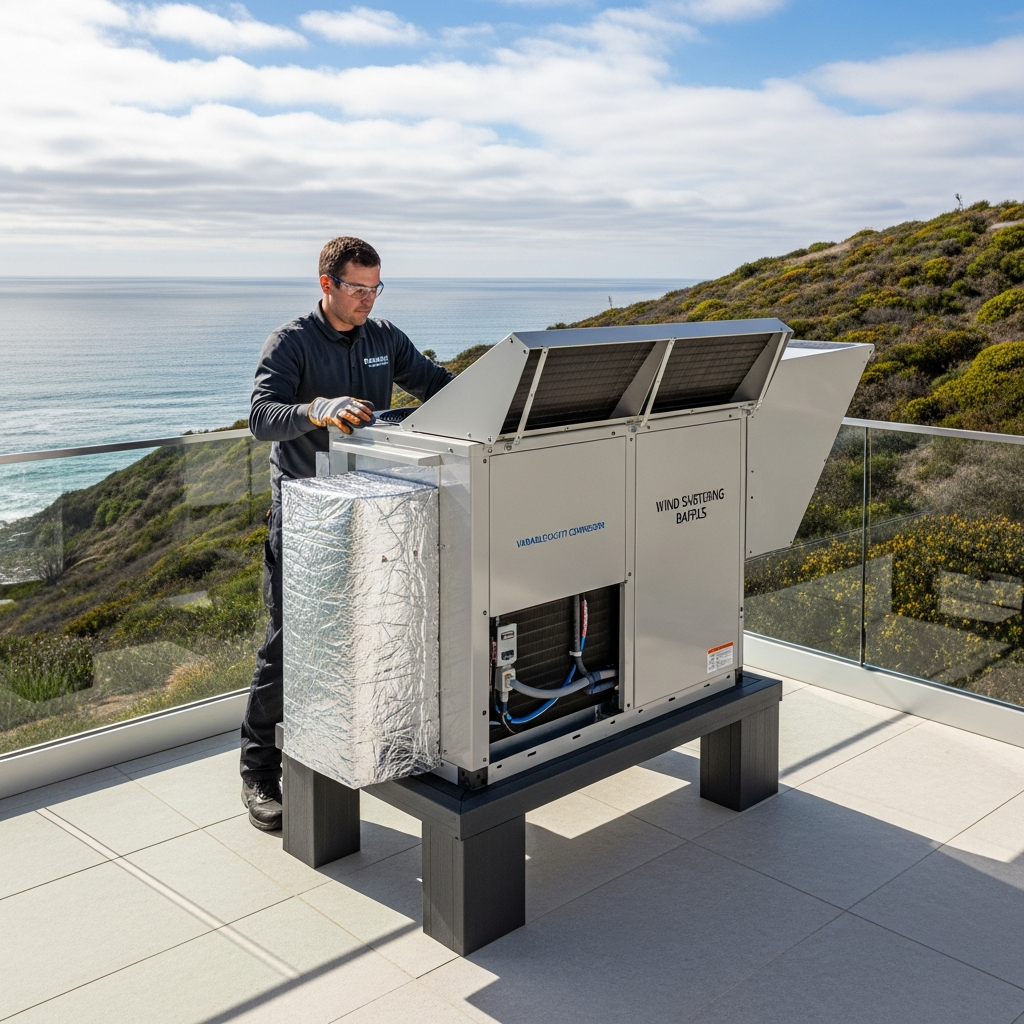
On the coast, placement is equal parts physics and aesthetics. We want the outdoor unit to breathe freely and resist salt spray, but we also respect view corridors and neighborhood character. A slightly sheltered location on the leeward side of the home can reduce salt exposure while maintaining necessary clearances. Elevated stands help in sandy or flood-prone zones and prevent debris from clogging the base. We route refrigerant lines to avoid direct sun where possible, insulate with UV-resistant materials, and seal penetrations so the marine layer does not slowly find its way inside walls. Every bend, strap, and sleeve is an opportunity to prevent future rattles and leaks.
Ductwork that respects coastal construction
From mid-century beach cottages with low crawlspaces to modern glass-walled retreats with flat roofs, Malibu homes challenge conventional duct layouts. We evaluate whether existing ducts are worth saving. Often, the smartest move is to rework or replace short runs that have been patched through the years or were never balanced in the first place. Smooth airflow keeps noise down and comfort even. When ducts must pass through vented crawlspaces, we choose materials that seal tightly and resist moisture intrusion. In flat roofs, we plan insulation, vapor control, and sealing so ceiling registers do not sweat on foggy mornings. If zoning is appropriate, we build it to last with robust dampers that do not seize in salty air.
Ventilation, humidity, and indoor air quality
Ocean breezes can be glorious, but they also bring fine salts and occasional wildfire smoke. We integrate fresh air strategies that can be dialed up or down as conditions change, pairing them with filtration that suits your sensitivities. Malibu homeowners often appreciate systems that can reduce indoor humidity without overshooting the temperature, especially in rooms with large glass walls where cool surfaces can attract condensation. Balanced ventilation, well-calibrated thermostats, and well-sealed envelopes complement each other so that open-door living and climate control work in harmony rather than tug-of-war.
Electrical readiness and controls that fit your lifestyle
Installing a new system is a great time to confirm electrical capacity, breaker integrity, and disconnect placement. We align conduit runs with the home’s architecture so upgrades look purposeful, not tacked on. For controls, modern smart thermostats pair beautifully with Malibu living, letting you make small adjustments from the beach or the canyon trail. Done right, these controls learn your patterns, smoothing pre-cooling on warmer afternoons and dialing back overnight without drama. They also allow technicians to see system status, which shortens visits and helps preserve your schedule.
Permitting, Title 24, and quality assurance
Local permitting and California’s energy codes protect your home and ensure safe, efficient operation. In our region, paperwork is only half the story. The difference-maker is documenting verification tests like airflow measurement and refrigerant charge checks. Commissioning should never be a checkbox. We verify supply and return temperatures, confirm static pressure, and ensure condensate management is watertight and protected against wind-driven rain. HERS testing where required becomes a natural extension of a process built on transparency and fine-tuning.
Commissioning is where the system becomes your system
After installation, a thorough commissioning brings the design to life. We check staging and compressor modulation, confirm that registers deliver the intended flow, and adjust fan profiles to whisper when rooms are quiet and pick up when the house is lively. We walk through filter access, thermostat features, and the subtle settings—like fan overrun for coil drying—that matter over time in a humid, salty environment. More than any brochure, that hands-on tour empowers you to get the comfort you imagined.
Protective measures unique to oceanfront and hillside homes
If you are steps from the sand, installing a wind baffle or coastal screen can reduce salt bombardment without choking airflow. For hillside properties, seismic bracing and securely anchored pads prevent vibration and drift, especially where guests, pets, or service crews move equipment to pass through narrow terraces. Cable management and rodent-resistant seals stop curious critters from making a home in warm cabinet corners during the cooler months. These small defenses extend system life and reduce the surprise service visits that interrupt a perfect beach day.
Mid-project reflections: the quiet power of balance
At the midpoint of many Malibu installations, homeowners often remark that the work feels calmer than they expected. That is by design. Good planning reduces holes and patchwork, minimizes attic time, and lowers the chance of rework. The same is true for your finished system. A well-balanced design runs easily, quietly, and efficiently, asking little of your attention. When someone mentions upgrading their home’s comfort, it helps to remember that great air conditioning is often the system you do not notice—only the comfort you do.
Maintenance planning begins on installation day
We schedule a follow-up rinse for oceanfront condensers and set reminders for filter changes calibrated to your lifestyle. If you host often or open doors to the breeze most afternoons, your filter and coil will need different attention than a tightly sealed home. We also note the exact conditions on installation day: pressures, temperatures, and airflow benchmarks. These numbers become your system’s baseline, invaluable for quick diagnostics down the road. It is the difference between guesswork and precision when years of salty air try to make their mark.
Zoning and room-by-room comfort
Homes with vaulted ceilings, gallery spaces, and expansive glass benefit from zoning and careful register selection. On cool mornings you might want a gentle touch in the primary suite and a firmer hand in the kitchen. In the late afternoon, a loft or office with western exposure may need a cooling nudge. Zoning allows those shifts without overpowering rooms that are already comfortable. We size dampers and choose controls that react smoothly, not in jerks, so the whole home feels composed even as the sun and breeze plot their next move.
Sound, vibration, and the art of quiet
The ocean is the soundtrack many Malibu homeowners wish to preserve, which is why we treat sound as a core design variable. Rubber isolation pads, secure line-set strapping, and balanced fan speeds keep the system’s voice low. We also consider window and deck locations so conversation and quiet mornings remain undisturbed. Nothing is more satisfying than stepping onto a balcony at sunset and hearing only waves, gulls, and the soft hush of a system that knows how to mind its manners.
What to expect on installation day
Professional crews arrive with a sequence already mapped: protection for floors and furnishings, staging for equipment and tools, and a clear path for old equipment removal. We communicate when power will be off, how long pressure testing takes, and when to expect the first cool air. Behind the scenes, technicians are weighing refrigerant, evacuating lines to deep vacuum, and verifying that sensors report accurately. By the end of the day, you should feel steady, even cooling and see a workspace returned to order—because the job is not truly done until your home feels and looks right.
Looking ahead: resilience and readiness
In coastal California, resilience includes preparing for smoky days, grid fluctuations, and heat surges that accompany inland weather shifts. We discuss filter strategies for smoke events, surge protection for sensitive electronics, and thermostat settings that pre-cool efficiently when the forecast suggests a spike. Your system should be more than a comfort machine; it should be a dependable partner that adapts with you through the seasons.
Frequently asked questions
Q: How often should a coastal condenser be rinsed?
A: For oceanfront homes, a gentle freshwater rinse every few weeks during the foggiest months helps prevent salt buildup. Homes set back from the water can extend that interval, but any visible film on cabinet or coil fins is a cue to rinse. Always avoid harsh sprays that can bend fins and push minerals into the coil.
Q: Do I need special coatings or is standard equipment fine?
A: Coastal-rated equipment with factory-applied protective coatings and stainless or non-ferrous hardware outlasts standard gear near the ocean. Even a few blocks inland, those protections add value by resisting the slow, steady effects of salt and moisture.
Q: Will a variable-speed system really make a difference in Malibu?
A: Yes. Variable capacity keeps temperatures steady and improves humidity control when the marine layer lifts and falls. The longer, quieter runtimes also reduce starts and stops that accelerate wear, a meaningful advantage in salty environments.
Q: Can I hide the outdoor unit to preserve my view?
A: You can screen it thoughtfully with airflow in mind. Louvered or open designs that allow full breathing room work best. We avoid tight enclosures that recirculate hot air and shorten equipment life.
Q: What about permitting and inspections?
A: Expect a straightforward path when the design aligns with code and energy standards. Inspections typically focus on electrical safety, clearances, and verified performance metrics. Transparent documentation smooths the process.
Q: Should I add fresh air to my system?
A: Many homes benefit from controlled ventilation, especially those that seal tightly against coastal moisture or face occasional smoke. Properly filtered and balanced fresh air supports health and reduces stuffiness without wasting cooling.
Q: How do I keep the system quiet?
A: Strategic placement, isolation pads, balanced fan profiles, and well-supported line sets are your allies. We tune these elements during commissioning so you enjoy ocean sounds, not mechanical ones.
Ready to enjoy coastal comfort done right?
If you are planning a new system or replacing a tired one, now is the moment to shape a cooler, calmer home that respects the ocean and your lifestyle. Reach out to talk through your goals, schedule a site walk, and map a plan that turns coastal challenges into everyday comfort. For a design-first approach that puts Malibu living at the center, let us help you explore the possibilities of modern air conditioning tailored to your home.