
When people in Malibu ask about the cost of air conditioning installation, they are really asking about the story behind the number: the home’s layout, the ocean’s influence, the ductwork’s condition, and the practical steps that turn a design on paper into cooling that feels effortless. While no two projects are the same, the factors that shape investment here are remarkably consistent. Understanding them helps you plan, compare proposals with confidence, and choose what will serve your home for years without surprises.
Before you gather quotes, it helps to anchor your thinking in trustworthy air conditioning fundamentals. What matters most is not a headline figure—it is the fit between equipment, ducting, controls, and Malibu’s coastal realities. With that lens, let us map the elements that typically influence installation decisions in our community.
Home assessment: the foundation of any proposal
A meaningful conversation starts with a site visit. Square footage is only the beginning. Sun exposure, insulation quality, window orientation, and how you use rooms each day all affect the load calculation that determines equipment sizing. In the hills, temperature swings and wind influence how quickly heat enters or leaves the home. On the beachfront, marine layer mornings can demand gentle, steady operation rather than short bursts of power.
Accurate load calculations prevent oversized or undersized systems. Oversizing can cause short-cycling and clammy rooms; undersizing strains equipment on hot afternoons. A careful contractor measures, inspects ducting, and listens to your comfort goals, then proposes equipment that fits your home, not just rules of thumb.
Ductwork condition and design
Ductwork can make or break a new installation. Many Malibu homes have ducts added or altered across several remodels, which creates bottlenecks, leaks, and imbalance between rooms. A thorough proposal includes duct evaluation and, if needed, resizing, sealing, or reconfiguring runs to deliver proper airflow. This work affects comfort as much as the equipment choice itself and can be the difference between a system that hums quietly and one that roars without quite cooling the far bedroom.
In homes where running new ducts would be disruptive or impractical—open-beam ceilings, tight attics, or guesthouses—ductless mini-splits or high-velocity small-duct systems can deliver excellent comfort with minimal architectural impact. Each path has installation considerations that shape timelines and scope.
Coastal exposure and material choices
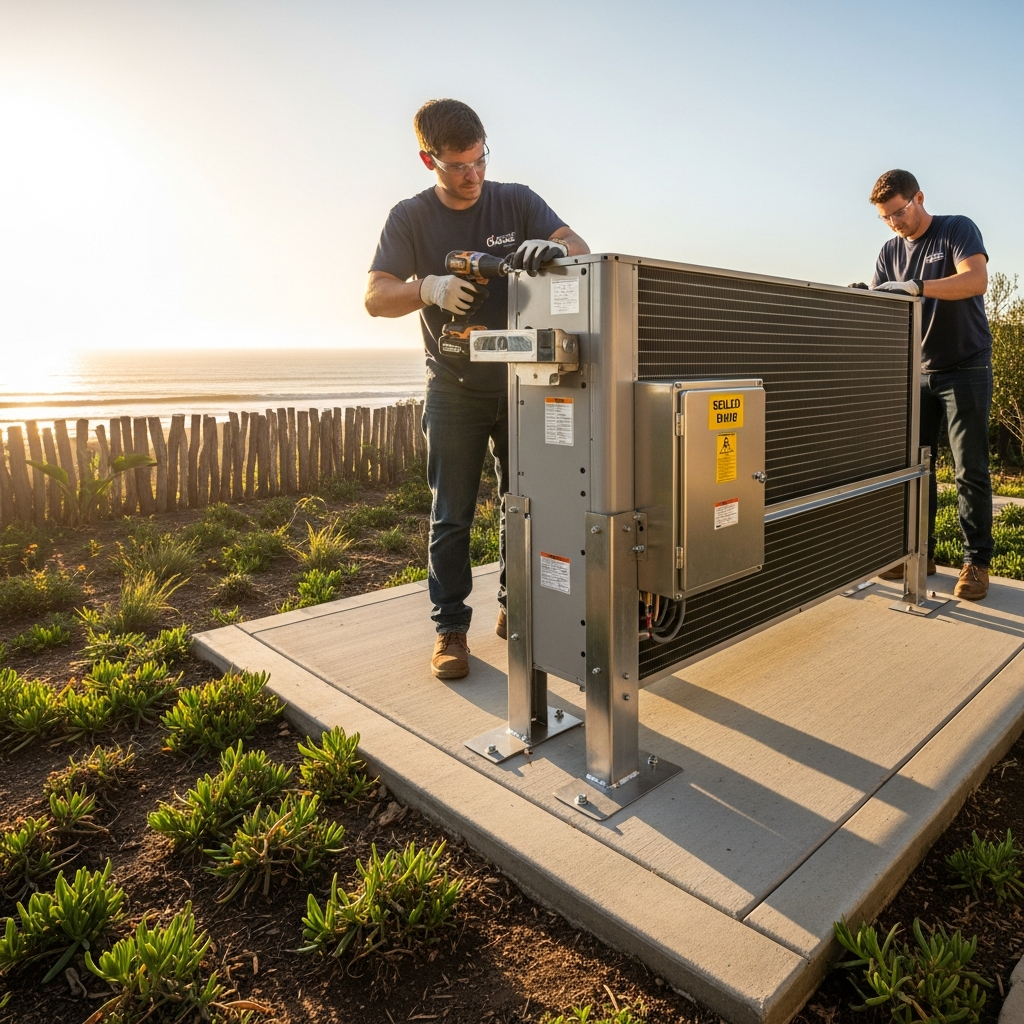
Salt air speeds corrosion, so outdoor components need special attention. Coastal-rated condensers, coated coils, stainless or coated fasteners, and sealed electrical connections stand up better over time. Placement matters too: a location that avoids direct salt spray and harsh wind while preserving clearances will extend service life and reduce maintenance needs. Installers familiar with Malibu’s microclimates select materials and placements that respect both performance and longevity.
Even concrete pads and mounting hardware tell a story. Proper support keeps the unit level and out of pooling water or drifting sand. Where space is tight, wall brackets or alternative stands can preserve airflow while making service access safer and simpler.
Equipment type and modulation
You will see proposals for traditional split systems, inverter-driven heat pumps, and ductless options. Inverter technology can be a great match for Malibu’s rhythm, ramping gently during marine layer mornings and stepping up smoothly when sunlight turns intense. The quieter, steadier operation often improves comfort in bedrooms and living rooms where noise matters. Your contractor should explain how the system you are considering stages or modulates and what that means for your daily routine.
If your home needs both heating and cooling, a heat pump offers year-round comfort with a single outdoor unit, reducing equipment footprints. For second-story additions or detached studios, ductless heads give independent control without tearing into finished spaces, though they require planning for condensate management and thoughtful placement for aesthetics and airflow.
Electrical readiness and access
New installations sometimes require electrical upgrades: dedicated circuits, disconnects, or panel capacity adjustments. In hillside neighborhoods, long runs and challenging access can shape how wiring is routed. A clear proposal spells out electrical scope so you are not surprised during installation. Access also influences labor: steep driveways, narrow side yards, and rooftop placements may call for specialized staging or equipment to ensure safety and protect landscaping.
Smart controls enter the picture here too. If you plan to manage the system remotely or integrate it with existing home technology, confirm compatibility and network reach. Proper thermostat placement and programming strategy directly affect comfort and efficiency after installation day.
Permits, codes, and documentation
Malibu projects move best when they align with local processes. Contractors grounded in Title 24 energy standards, sound ordinances, and HOA guidelines make permitting smoother. They will confirm required clearances, plan for equipment sound levels near neighbors, and schedule inspections at times that respect community rhythms. After installation, commissioning documentation and homeowner orientation give you a clear understanding of how to operate the system and what to maintain across the seasons.
For homes near the water or in particularly windy spots, installers may include additional coastal-protection notes in the permit set, describing placements and materials chosen to resist corrosion and noise.
Timeline and phasing
Project timelines reflect scope, access, and coordination between trades. Duct renovations take time; so do careful penetrations in finished spaces where aesthetics matter. For occupied homes, phasing can minimize disruption, with crews focusing on one zone or floor at a time. In rentals or homes with frequent guests, the schedule may target gaps between bookings so you are never without cooling when it matters most.
Rain, wind advisories, or heat spikes can nudge dates. Local teams communicate clearly and adjust without compromising quality. They also protect your space, using covers and careful cleanup routines that respect both the home and the landscape.
Comparing proposals: apples to apples
When estimates arrive, look beyond the final figure. Is load calculation documented? Does the duct scope address known comfort issues? Are corrosion-resistant materials specified for outdoor components? How is condensate being managed? What does commissioning include, and how will the contractor verify airflow and thermostat accuracy? The best proposals read like a plan, not just a price—each line connects to a real outcome you will feel in day-to-day comfort.
Ask for clarity on sound ratings, especially in close-lot neighborhoods or HOA communities. A quieter outdoor unit placed thoughtfully can preserve evening calm and neighborly goodwill.
Longevity and maintenance planning
An installation that anticipates maintenance tends to cost less to own over time. Clear access to filters, thoughtful placement of service valves, and room to work around the condenser all reduce future labor and keep tune-ups efficient. Discuss seasonal cleaning strategies and consider protective coatings from the outset. A small step today can prevent a major replacement of coastal-exposed parts down the line.
Indoor air quality and wildfire seasons
Recent summers have reminded all of us that clean indoor air can matter as much as cool air. If filtration is a priority, talk about cabinet sealing, filter fitment, and fan strategies that allow for better capture of particulates without choking airflow. Inverter systems that circulate gently at low speed can support extended filtration on smoky days, maintaining comfort and calm.
Midway clarity check
At this point in your planning, it is wise to pause and revisit essential air conditioning concepts—sizing, airflow, and modulation—so you can evaluate proposals with a clear eye. When you understand the why behind each line item, choosing the right path becomes straightforward.
FAQs: Explaining Installation Cost in Malibu
Why do similar-sized homes receive different proposals?
Two homes can share square footage yet differ in insulation, window exposure, duct condition, and access. These details drive load calculations and installation scope, which is why proposals can vary even when the homes appear alike.
How much does coastal exposure change the plan?
Coastal exposure shapes materials and placement for outdoor units, emphasizing corrosion resistance and wind considerations. The changes are practical—aimed at longevity and quiet operation rather than cosmetics alone.
Do I need new ducts for a new system?
Not always. If existing ducts are well-sized, sealed, and balanced, they may serve the new equipment. If not, targeted improvements can transform comfort and reliability, and a good proposal explains the rationale.
What affects project timelines the most?
Scope of ductwork, access challenges, electrical readiness, and inspection schedules typically drive timelines. Local teams account for Malibu’s terrain and traffic to keep projects on track.
Can installation improve indoor air quality?
Yes. Proper cabinet sealing, filter fitment, and airflow calibration support better filtration. Discuss your priorities up front so the design integrates comfort with cleaner indoor air.
Is a heat pump a good fit for Malibu?
Often, yes. Heat pumps offer smooth, quiet comfort through our moderate winters and summer heat, especially when inverter-driven. They also reduce equipment complexity by serving both heating and cooling needs.
What should commissioning include?
Verification of refrigerant charge, airflow measurements, thermostat calibration, and homeowner orientation. These steps ensure the system performs as designed and that you know how to operate it day to day.
Bringing it all together
Installation cost in Malibu reflects thoughtful design as much as materials and labor. When proposals show their work—load calculations, duct plans, corrosion-aware choices—you can compare confidently and select the path that delivers calm, even comfort season after season.
Ready to plan your project?
If you are gathering proposals now, start by grounding your decisions in reliable air conditioning fundamentals, then choose a Malibu-focused team that explains, documents, and installs with coastal longevity in mind. Your home—and your peace of mind—will thank you every time the marine layer rolls in.