
Why Preventive Care Matters So Much on the Malibu Coast
There’s a rhythm to life in Malibu that anyone who’s lived here for a while can feel. Mornings can be misty and cool, afternoons bright and warm, and evenings settle into something wonderfully calm. Your air conditioning system experiences this rhythm too, and preventive care is how you help it glide through the seasons without missing a beat. I’ve watched oceanfront condensers collect fine salt crystals after a single foggy week, and I’ve seen hillside air handlers breathe in a spring’s worth of pollen in just a few gusty days. The secret isn’t heroics—it’s simple, steady air conditioning maintenance designed for the way Malibu really lives.
Preventive maintenance is not about fixing things when they break; it’s about avoiding the break in the first place. Imagine you’re planning a long paddle out at First Point. You wax the board, you check the fins, you glance at the tide chart. With a home’s AC, the wax is your clean filters, the fins are your free-breathing coils, and the tide chart is your seasonal checklist. It’s a mindset, and once you pick it up, you’ll notice how much smoother the system runs and how much calmer you feel when a heat wave arrives from the valley.
Understanding Malibu’s Maintenance Triggers
Our local environment gives us clear signals for preventive action. The marine layer that drifts in most mornings deposits moisture and, near the coast, a whisper of salt. That pairing clings to outdoor coils and begins the slow work of corrosion. Inland breezes move dust and pollen, which stack up on filters and evaporator fins. Then come the Santa Anas—dry, fast winds that can drop a blanket of fine debris in a day. Each of these moments is a cue: rinse outdoor coils after persistent fog, check filters after windy spells, and give the condensate drain some attention whenever you notice humidity has been high or the air has felt a touch muggy.
Another Malibu trigger is sun exposure. Rooftops and decks heat up sharply, and if your outdoor condenser bakes in direct sun all afternoon, preventive shade planning makes a real difference. I’ve seen homeowners install trellises or tidy up the canopy of a nearby tree to provide dappled shade that drops a unit’s surface temperature without sacrificing airflow. That single step can keep pressures in check and reduce wear on motors and capacitors over long, hot stretches.
The Filter Habit That Saves Headaches
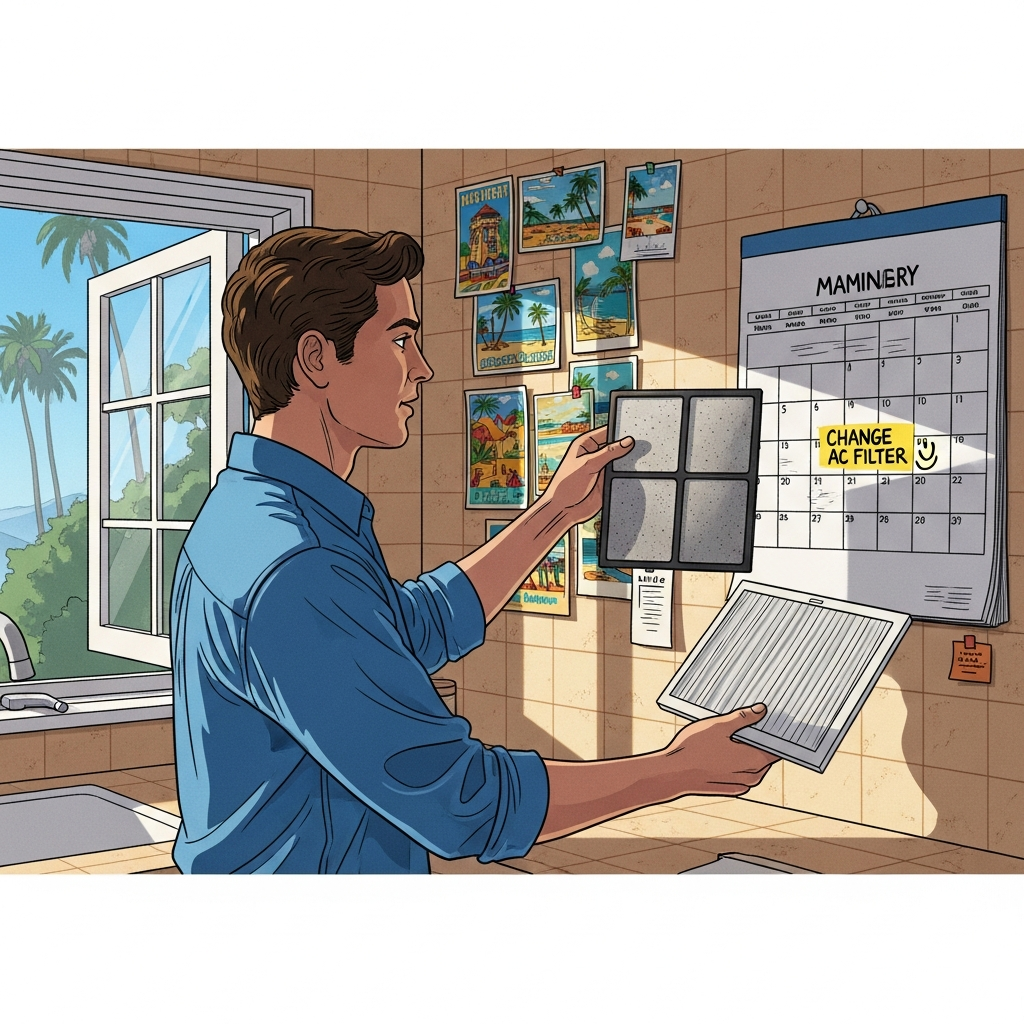
Filters are the quiet foundation of preventive maintenance. When they’re clogged, every other part of the system has to work harder. In Malibu, even people who don’t think of their homes as “dusty” are surprised by how quickly filters gray. Beach days bring sand back in flip-flops, pets carry the day’s adventure on their fur, and open windows invite the ocean breeze along with a fine film of particulates. Get in the habit of inspecting filters monthly during summer and after wind events. You don’t have to change them every time—just look. That thirty-second act helps you decide, with your eyes, if it’s time.
Choose filters that fit your system’s needs and your lifestyle. If family members have allergies, a higher-efficiency filter may be appropriate, but remember that greater filtration demands steadier replacements to protect airflow. Well-seated filters—no gaps, no warping—keep bypass dust from settling on your evaporator coil, which is harder to clean and more sensitive to buildup. Clear filters give the blower and coil an easier life, keep humidity control on track, and make your home feel fresh, not just cool.
Outdoor Coil Care for Salt and Wind
When I pop the fan top on a condenser near the water, I almost always see a halo of fine salt dust that dulls the aluminum fins. Left alone, it compromises heat transfer. Preventively, gentle fresh-water rinses keep that layer from taking hold. Cut power first, remove leaves, then rinse with patience. If you see bent fins, nurse them back with a fin comb. Resist the urge to use high-pressure spray, which can flatten fins and drive debris deeper. After large wind events, don’t be shy about a second look. Ash from distant fires has a way of drifting in and settling invisibly until you peer close, and rinsing it off quickly helps the unit breathe again.
Space matters. Preventive maintenance includes pruning back hedges and moving storage bins or surf racks that slowly creep into the unit’s intake. Keep a comfortable buffer around the condenser and up above. That room is a gift in August when the sun is high and the afternoon breeze is light—your system won’t starve for air.
Condensate Drains and Indoor Air Quality
Indoors, the evaporator coil and the drain beneath it quietly handle gallons of moisture over a season. Malibu’s cool mornings and warmer afternoons make the coil sweat, and the drain must carry that water away without a hitch. As a preventive step, pour a little distilled white vinegar into the drain line a few times each cooling season. It discourages algae and keeps the line clear. If you ever hear a sloshing sound or smell something musty near the air handler, pause and investigate. Catching a slow drain before it overflows prevents messes and protects the blower from humidity-related strain.
Ductwork deserves a preventive glance too. In many older homes, ducts wind through tight spaces where temperature swings and critters are part of life. Leaks can draw attic air into your living space and push conditioned air out where it does no good. Periodic inspections for loose connections, torn insulation jackets, or flattened flex duct runs can restore balance and comfort. The reward is a quieter system that cools evenly room to room.
Thermostat Strategy and Seasonal Tuning
Good preventive maintenance includes smart operation. A programmable or learning thermostat can shave the peaks and fill the valleys of your daily temperature curve. Rather than swinging from cool to warm and back again, your system can walk, not sprint, into comfort. In homes with big west-facing windows, a mild pre-cool before sunset keeps evenings pleasant without a last-minute scramble. On days when marine air lingers, you might set a slightly higher target and let the fans help; the air will feel lighter when it circulates, even at a higher setpoint.
When you leave home, avoid big temperature setbacks that force the system to race on your return. Gentle steps are kinder to equipment, especially compressors. Preventive also means paying attention to behavior patterns: if a particular bedroom runs hot, or if a loft area traps warmth, small zoning tweaks or return enhancements can be planned before summer peaks.
Professional Eyes, Local Knowledge
I encourage homeowners to schedule professional inspections at least annually, and twice a year if you’re close to the surf or subject to frequent winds. A seasoned tech used to Malibu conditions will spot UV-cracked insulation on refrigerant lines, rust beginning around coil seams, loose lugs in the disconnect, and weak capacitors that can turn a routine afternoon into an unexpected outage. These visits are perfect moments to discuss filtration upgrades, surge protection, and any comfort quirks you’ve noticed so small fixes can be made before they stack into larger problems.
Just as importantly, preventive service helps establish a baseline. When your tech knows how your system looks and sounds at its best, deviations are easier to catch. That familiarity means quicker diagnosis the next time you call, and fewer “mystery” concerns to keep you up at night. For your own reminders and reference, saving a trusted page on HVAC maintenance can anchor your seasonal checklist and make it easier to keep the little things little.
Listening for Change
Because Malibu is often blissfully quiet at night, you’ll hear your system’s changes before you see them. A clean system has an even, contented hum. Sudden rattles can be a loose panel, a faint chirp on startup might suggest a belt or bearing needs attention, and sharp clicks could relate to contactors or relays. If a new sound persists, jot down the time of day, the weather, and what mode the system was in. Those notes, shared during preventive service, help narrow issues quickly and keep your equipment on track.
Weather-Driven Micro-Maintenance
Think of short, weather-driven tasks as micro-maintenance. After a period of dense fog, take a minute to glance at the outdoor coil; if it looks hazy, plan a rinse. Following a windy day that rattled the palms, check that yard debris hasn’t gathered around the condenser. After smoke drifts through from distant fires, swap filters and run the fan with windows closed to scrub indoor air. Each small step supports the larger preventive plan and ensures the system doesn’t labor under unnecessary load.
Frequently Asked Questions
How often should preventive AC maintenance be scheduled in Malibu?
Plan for at least one comprehensive visit per year, ideally two if you’re near the beach or in windy canyons. Supplement with your own monthly filter checks during summer and quick post-storm or post-smoke inspections. The goal is to catch issues early, long before they interrupt comfort.
Do I really need to rinse my outdoor unit?
If you’re within a mile or two of the ocean or you’ve had a stretch of foggy mornings, yes. A gentle fresh-water rinse prevents salt film from becoming a corrosive layer. Always cut power first and be gentle—think garden shower, not pressure wash.
What thermostat settings work best for preventive efficiency?
Use steady, moderate setpoints that reflect your routine, with mild pre-cooling before late-day heat. Avoid dramatic swings. If you travel or are in and out frequently, try smart features like geofencing and gradual setbacks to keep the system in its comfort zone.
How does wildfire smoke affect preventive maintenance?
Smoke speeds up filter loading and can leave residue on coils. During and after smoky days, run in recirculation with a fresh filter, replace more often, and plan a coil check once the air clears. Acting quickly prevents lingering odors and heavy strain on the blower.
What’s the difference between preventive maintenance and repairs?
Preventive maintenance is proactive: cleaning, inspecting, and adjusting to avoid trouble. Repairs are reactive: fixing failures after they happen. A strong preventive plan reduces the likelihood of emergency repairs and keeps the system running near its design efficiency.
Can I handle preventive tasks myself?
Absolutely, within reason. Homeowners can inspect and change filters, clear debris, gently rinse outdoor coils, and pour vinegar into the condensate line. Leave electrical testing, refrigerant handling, and deep cleaning to pros—especially important in our coastal environment where corrosion can hide in plain sight.
When you build preventive care into your Malibu routine, your AC rewards you with quiet, confident performance on the hottest afternoons and the stickiest mornings. If you’re ready to map out a seasonal plan tailored to your neighborhood—whether you’re steps from the surf or tucked into Malibu Canyon—reach out to a trusted local technician. Keep a simple checklist handy, stay mindful of weather cues, and lean on reliable resources like this guide to air conditioning maintenance so that the next heat wave feels like just another beautiful day by the coast.