
Clean Systems, Cooler Homes: Malibu’s Coastal Care Guide
On a still summer evening in Malibu, you can hear your air conditioner more clearly than almost anywhere else. That gentle fan note drifting in from the side yard, the soft exhale from a ceiling register—when everything is clean and balanced, the sound feels as easy as the tide. Cleaning and maintenance are the foundation of that ease. After years of servicing homes from La Costa to Latigo, I can tell you that most performance issues trace back to a simple truth: the system can’t breathe. Dust on the blower, biofilm in the drain, salt on condenser fins—each acts like a finger over the straw. A dedicated regimen of air conditioning maintenance and cleaning, calibrated to Malibu’s climate, keeps airflow open and heat exchange efficient so comfort arrives quietly.
Cleaning service is not just cosmetics; it’s how you defend against our coastal mix of moisture, salt, and sun. It’s also how you protect indoor air quality in a community where windows swing open to welcome ocean breezes one day and slam shut the next when wildfire smoke drifts through. A thoughtful approach blends regular homeowner rituals with periodic professional deep cleans, treating the system as an ecosystem where each part influences the next.
Outdoor Condenser Cleaning: Rinse, Don’t Blast
Step one is the outdoor unit, where heat leaves your home. In Malibu, it wears a constant coat of the world: marine salt near the shoreline, canyon dust inland, and ash that rides the wind in late summer and fall. For cleaning, power down at the disconnect, remove leaves and larger debris, and rinse the coil with fresh water using low pressure. Think of it like rinsing sand from a wetsuit—thoroughly but gently. Washing from the inside out, when accessible, pushes debris in the direction it entered and is kinder to fins. Avoid harsh chemicals unless a professional recommends them for your coil type, and skip high-pressure nozzles that can flatten delicate fins and choke airflow.
While you’re there, look beyond the coil. Fan blades collect film that disturbs aerodynamics and adds noise. The top grille can grab palm fronds or seed pods. Check the base pan for sediment that blocks drain holes, especially after windstorms when fine dust settles. Keeping the condenser surrounded by open air is part of cleaning too—hedges trimmed back, surf gear and storage moved aside, and at least a couple feet of clearance all around help the unit inhale and exhale freely.
Indoor Evaporator and Blower: Where Fine Dust Hides
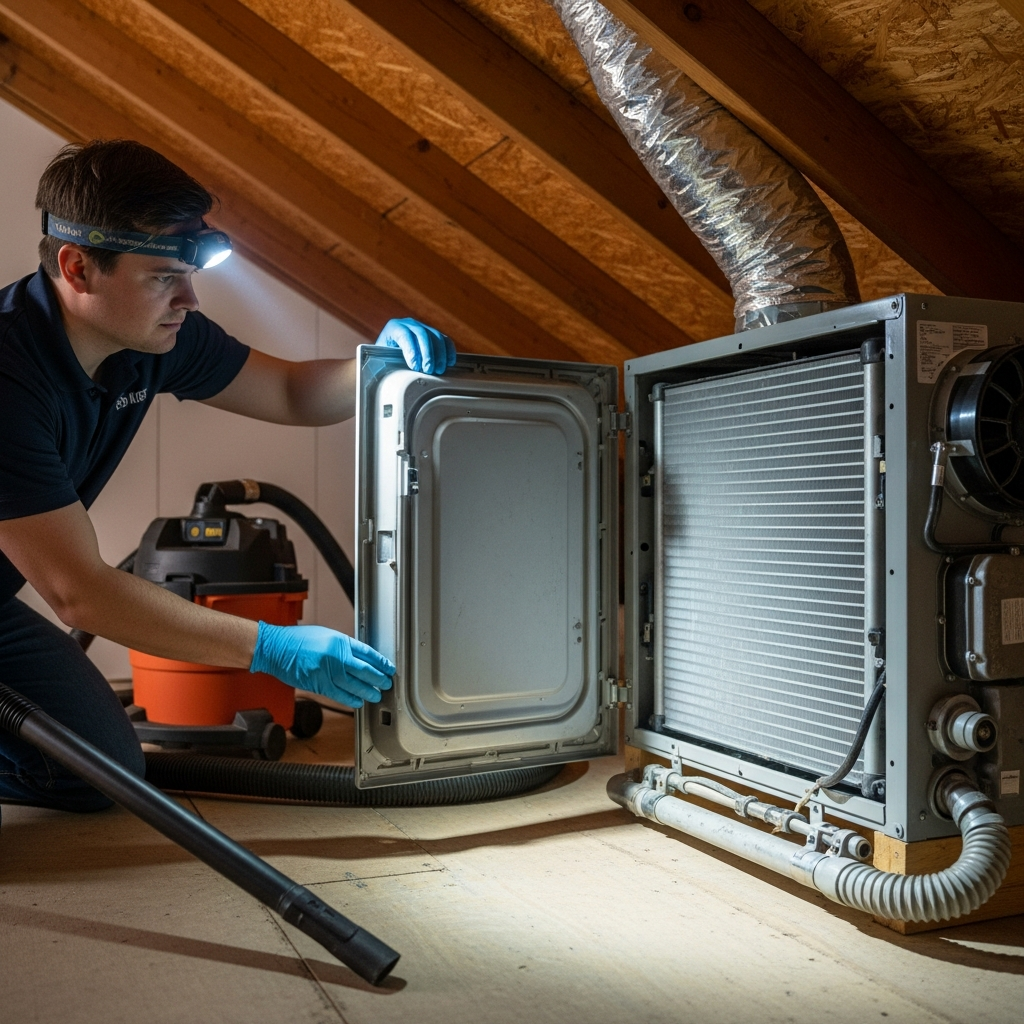
Inside, cleaning pivots to the evaporator coil, blower wheel, and cabinet. Even with diligent filter changes, Malibu’s mix of beach sand, pet dander, and airborne particles from canyon flora can sneak past a poorly seated filter or leaky return. When the blower wheel mats up, each paddle moves less air, and the coil’s ability to wring moisture from warm air diminishes. During professional cleaning, we access the coil, assess for biofilm, and carefully remove buildup using methods appropriate to your coil’s material and orientation. We then clean the blower wheel and housing to restore full airflow and reduce noise, which you’ll notice as softer starts and steadier, less “rushing” air from your registers.
The condensate drain is the unsung star of indoor cleanliness. It carries away the moisture your coil condenses on those muggy, marine-layer mornings. A dirty drain grows algae, which slowly narrows the passage until, one day, it overflows. Regular flushes with distilled white vinegar and water help, and during cleaning service we verify flow, test any float switches, and clear blockages so the drain is ready for humid mornings and long afternoon runs.
Ductwork and Returns: Cleaning in Context
Homeowners often ask if they need their ducts cleaned. The honest answer is: it depends on duct condition and filtration. If the filter cabinet seals tightly, filters are changed on schedule, and ducts are intact, you may not need frequent duct cleaning. But if returns are undersized or leaky, if you’ve had remodeling dust, or if critters found a way in during a quiet winter, inspection makes sense. Cleaning duct interiors is a specialized task; our first focus is to stop what’s feeding the dust—improve filtration, seal return leaks, and correct crushed flex runs. Once the system stops ingesting particulates, any cleaning you do will last longer and pay off with quieter, more even comfort.
Return grilles deserve their own moment. They collect lint and light as a stage light collects dust. A gentle vacuum and wipe keep them clear and prevent whistling. In some Malibu homes, adding an additional return or upsizing an existing one can drop noise and improve cooling in a way you feel the first evening after the change. It’s not glamorous, but clean returns are like opening a new lane on PCH at rush hour—the whole flow eases.
Cleaning Meets Maintenance: Electrical and Controls
While cleaning gets the spotlight, maintenance is its steady partner. Malibu’s sun can brittle wire jackets on rooftop units, and salt air can pit contactors and corrode terminals. During a maintenance visit, we tighten connections, test capacitors, inspect contactors, and confirm that disconnects are clean and secure. If the refrigerant line insulation has cracked under UV, we restore it so the system isn’t losing efficiency to needless heat gain. These tasks don’t leave a shiny surface the way a coil clean does, but they give you what you really want: a system that starts reliably, runs smoothly, and stops quietly.
Controls deserve calibration. Thermostats drift over time, and even a couple degrees of error can leave you overshooting or undershooting comfort. We verify readings and adjust schedules to fit Malibu’s daily pattern—gentle morning ramps, steadier afternoons, and soft landings at night. This is where your clean system shows off; with less resistance to airflow and better heat exchange, setpoints become goals rather than demands.
Homeowner Rituals Between Visits
Between professional cleanings, simple rituals keep everything on track. Inspect filters monthly during summer and after windy or smoky days. Swap them when they gray noticeably or when airflow dips. Walk outside after a week of morning fog and give the condenser a quick check; if the fins look hazy, plan a gentle rinse when the sun is kinder. Keep the area around the unit open and swept so debris doesn’t migrate into the coil or base pan. Listen for changes. A new rattle, a longer start, or a faint odor are your system’s way of asking for attention before a big problem arrives.
If you like to keep a digital reminder, save a reliable page about HVAC maintenance and set calendar notes around Malibu’s natural markers: the first warm spell in late spring, the first Santa Ana of fall, and any period of smoky air. These cues align cleaning with reality, not just with dates, and they help your AC breathe as freely in August as it did in June.
After the Elements: Responding to Wind, Fog, and Smoke
Our coastal life brings episodes that deserve special cleaning attention. After windstorms, fine dust and organic debris collect on coils and within outdoor cabinets. After dense fog, salt residues lay down faster than you’d think. After smoke, particulate lingers in filters and finds its way to coil surfaces. Short responses—rinse, replace, inspect—keep these layers from becoming a season-long handicap. If your home saw heavy ashfall, plan a professional visit for a deeper look; ash behaves differently than dust and can carry odors that persist without proper cleaning.
Frequently Asked Questions
How often should I schedule professional cleaning for my AC in Malibu?
Plan for at least an annual cleaning, with a second visit if you live close to the water or you’ve had a season of heavy fog, wind, or smoke. Between visits, keep filters fresh and give the outdoor unit light rinses when conditions warrant.
Is chemical coil cleaner necessary?
Not always. Many Malibu coils benefit from gentle fresh-water rinses. When heavier buildup or biofilm exists, technicians choose cleaners matched to coil materials and the kind of soil present. The priority is restoring airflow without damaging fins or introducing residues.
Can I clean my indoor coil myself?
Access and method vary by system, and indoor coil cleaning often requires disassembly and the right tools. Homeowners can keep filters tight and returns clean; leave deep coil cleaning to professionals to avoid damage and to ensure proper reassembly and sealing.
Why does my AC smell musty when it starts?
That’s often a sign of microbial growth on or near the evaporator coil or a slow condensate drain. Cleaning the blower compartment, coil, and drain usually resolves it. Consistent filtration and periodic drain treatments help prevent the smell from returning.
Will cleaning reduce my system’s noise?
Yes, often. Clean blower wheels and coils restore smooth airflow, which reduces turbulence and register noise. Outdoor cleaning can quiet fan noise by smoothing air over the blades. If noise persists, duct design or vibration isolation may be the next focus.
What should I do after a smoky day from wildfires?
Close windows, replace filters, run the fan to scrub indoor air, and inspect the outdoor unit for residue. Plan a coil rinse once the air clears. If the home smells smoky after several days, consider a professional inspection to address lingering deposits and odors.
Clean equipment is happy equipment, and happy equipment makes Malibu homes feel serene even on scorching afternoons. If your system hasn’t had a thorough cleaning in a while, consider scheduling a service tailored to the coast’s realities. Keep up with simple rituals, pay attention to the weather’s cues, and lean on trusted resources like this guide to air conditioning maintenance so that every time you step inside, the air feels as clear as the view after a storm.