
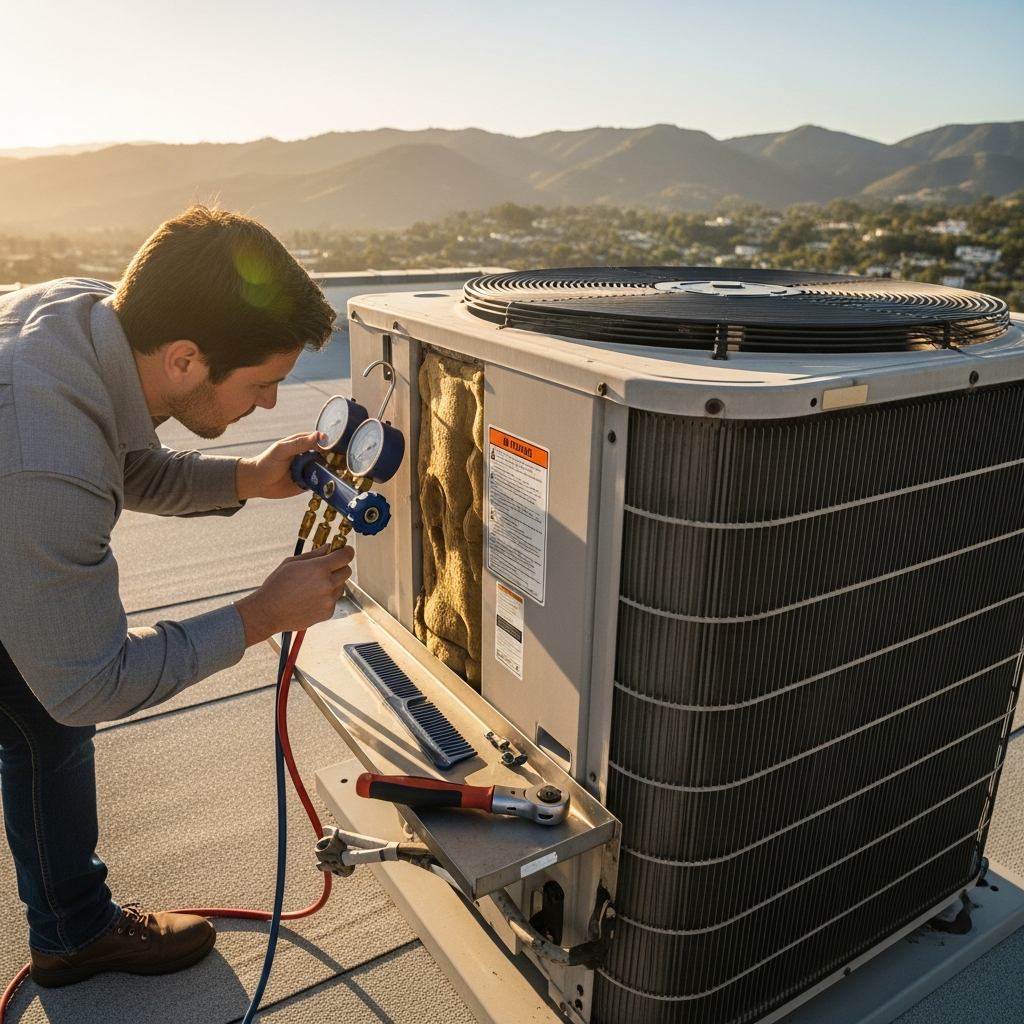
Tune-Ups That Respect Malibu’s Coastal Reality
When people ask me what a true tune-up looks like in Malibu, I tell them it’s part science, part coastal common sense. Science because we measure, test, and verify. Coastal common sense because the ocean writes its signature across everything it touches—from a film of salt on condenser fins to UV-worn insulation on rooftop line sets. A well-executed tune-up considers both, and it starts with the fundamentals of air conditioning maintenance shaped by our unique stretch of Southern California coastline. Whether your home peers over Colony sands or watches canyon shadows lengthen in the afternoon, a system that’s properly tuned runs quieter, cools faster, and weathers our microclimates with less drama.
I’ve crawled through attics older than Malibu’s cityhood and stood on brand-new decks with high-efficiency systems purring underneath. In every case, tune-ups share a core mission: restore airflow, verify heat exchange, tighten and test electrical components, and ensure condensate is managed cleanly. That mission becomes more nuanced here because a morning marine layer can wet coils that face direct sun by midday, and Santa Ana winds can undo weeks of cleanliness with one bracing gust. The goal is durability—a tune that holds steady against what the coast throws at it.
Airflow: The First Tune-Up Pillar
No tune-up succeeds without honest airflow. Your blower can only do its job if the path through the return, filter, coil, and supply is wide open. During a tune-up, I start with the simplest checks that make the biggest difference: a properly seated, fresh filter; a clean return grille free of long-lint fuzz; and duct runs without obvious kinks or crushed sections. In older Malibu homes, I’ve seen flex duct sag between rafters like hammocks—inviting turbulence and noise. Correcting these sags, tightening connections, and verifying that dampers are where they should be delivers a smoother, quieter flow that you can feel immediately in the rooms you use most.
Balanced airflow matters for dehumidification, too. On our foggy mornings, your AC wants to sip moisture out of the air with every pass across the evaporator coil. If airflow is too low because the filter is choked or the blower wheel is matted with dust, the coil can get too cold and ice up, or it can leave the air feeling clammy. A tune-up restores that balance so the system cools and dries the air at the same time—comfort you notice as you walk from a sunlit deck back into the living room.
Heat Exchange: Coils That Breathe Both Ways
Heat has to travel easily from inside to outside, and coils are the bridges. Malibu’s outdoor coils bear the brunt of salt exposure and airborne debris. A good tune-up opens the condenser, removes surface debris, and rinses fins gently with fresh water. Where corrosion has started at the edges, we evaluate and treat as appropriate, then confirm fin straightness for even airflow. Inside, the evaporator coil often hides behind panels, but its cleanliness is critical. I look for signs of bypass dust—evidence that filters weren’t sealing—and for any biofilm that might start restricting air. Cleaning methods vary by coil material and configuration, and while some jobs demand a deeper service, a thorough tune and filtration fix now can prevent a heavy clean later.
Pressure readings and temperature splits are part of the science. In our climate, outdoor temperatures and sun exposure change quickly. I prefer to test in stable conditions or allow the system to settle so readings reflect reality. We’re verifying that refrigerant levels are appropriate and that the system shifts heat as designed. Deviations can suggest anything from a restricted metering device to a weak blower motor—clues that, when caught during a tune, save headaches when the next heat wave arrives.
Electrical Integrity in a Sun-Drenched, Salt-Kissed World
Sun and salt team up to age electrical components. On rooftop units, UV can crack wire insulation, while salt air accelerates oxidation on terminals and fasteners. During a tune-up, I inspect contactors for pitting, test capacitors for proper microfarads, verify tightness at lugs, and confirm that disconnects are secure and moisture-free. Even something as simple as a loose panel screw can become a rattle that travels indoors. Tightening, testing, and replacing worn parts before they announce themselves with a sudden failure is the essence of tune-up wisdom in Malibu.
I also look at the small details: missing grommets that allow vibration to telegraph into living spaces, deteriorated insulation on suction lines baking in afternoon sun, and condensate safety switches that should be tested, not just admired. Coastal reality is that small flaws compound under radiant heat and salt exposure. A tune-up that resets these to “like-new” condition buys months of quiet reliability.
Condensate Management and Indoor Cleanliness
Every drop that leaves your coil through the drain line is a drop that isn’t raising the humidity inside. In Malibu’s pattern of cool mornings and warmer afternoons, the coil sweats a lot, and the drain must run clear. I flush lines, verify traps, and ensure float switches respond. If I see signs of algae, I advise gentle, periodic homeowner treatments to keep things flowing. I’ll also inspect the blower compartment for dust accumulation, because what lands there often reflects how well the filter housing seals and whether returns are undersized or leaky.
Indoor air quality is a tune-up cousin. If the home has frequent open-window days to enjoy ocean breezes, the AC benefits from robust filtration and a consistent replacement schedule. Sometimes the smartest tune-up recommendation is a better filter cabinet or a thicker media filter that seals tightly and is easy to change. It’s like choosing a better leash for a good board—small investment, big confidence.
Thermostat Calibration and Operation Strategy
Once the mechanical pieces are squared away, I turn to controls. A thermostat that reads accurately and is programmed thoughtfully can extend the gains from a tune-up. Malibu’s day-night swing invites moderate, steady setpoints with gentle transitions. If your home bakes in late-afternoon sun, a slight pre-cool can outrun the heat without a long, hard push at dinner time. Smart thermostats let you build this intelligence into your routine, and they work hand in hand with clean filters and clear coils to keep the system in its efficiency lane.
I often coach homeowners to listen to their homes after a tune: doors should close more easily as pressure imbalances diminish; rooms should settle to similar temperatures; the system should start and stop with less drama. If any of these linger, we may look for duct design quirks or consider small balancing adjustments next visit.
Scheduling Around Malibu’s Seasons
The best time for a tune-up is before you need it most. Early spring is perfect to prepare for summer heat, and early fall is ideal if your system runs hard through September and October. If your property sits right on the water or high on a ridge where winds are common, consider two tune-ups a year. After a season of fog and breezes, the outdoor unit almost always appreciates a fresh-water rinse and a look at electrical connections. You’ll feel the difference the next warm spell that sneaks through in October.
Between visits, adopt light maintenance rituals: monthly filter inspections in summer, quick outdoor walkarounds after windy days, and a mindful ear for new sounds. For homeowners who like a reference you can revisit, I often share a favorite resource that keeps the basics together—bookmark a reliable page about HVAC maintenance so even when life gets busy, your system stays on schedule.
When a Tune-Up Finds More
Sometimes a tune-up uncovers bigger questions: ducts that are too small, returns that starve the system, or equipment that has aged past its prime. In Malibu, replacement decisions also consider salt exposure, noise profiles for close neighbors, and access paths up narrow hillside stairs. The good news is that tune-ups provide the data to make thoughtful choices. You’ll know how your current system is performing, what its limits are, and what could change your comfort in a meaningful way. Even when replacement isn’t on the table, modest improvements like insulating line sets, sealing return leaks, or adjusting fan speeds can produce outsized gains.
Frequently Asked Questions
What’s included in a professional AC tune-up in Malibu?
Expect inspection and cleaning of coils, verification of airflow and temperature split, electrical testing of capacitors and contactors, tightening of connections, condensate drain checks, thermostat calibration, and a general health report. Local pros will also look closely for salt-driven corrosion and UV wear that are common here.
How often should I schedule a tune-up?
Annually for most homes, and twice a year if you’re very close to the ocean or experience frequent windy conditions. Pair that with homeowner tasks like filter checks and light coil rinses after foggy weeks or ash events.
Do tune-ups really improve efficiency?
Yes. Clean coils and filters, correct airflow, and sound electrical components reduce run times and let the system operate at its designed performance. The difference shows up as steadier comfort, fewer hard starts, and quieter operation—especially noticeable during heat spikes.
Can I do parts of a tune-up myself?
You can handle the basics: filter changes, clearing debris around the condenser, gentle outdoor coil rinses, and adding vinegar to the condensate line. Leave refrigerant pressures, deep coil cleaning, and electrical testing to trained technicians for safety and accuracy.
How does Malibu’s salt air affect tune-up priorities?
Salt accelerates corrosion, so outdoor coil care, protective measures for exposed metal, and inspections of terminals and fasteners rise in priority. UV protection for line-set insulation and attention to rooftop wiring also matter more than they might inland.
Why does my system still feel loud after a tune?
Noise can originate from duct design, return sizing, or vibration transmission. A tune-up addresses mechanical and electrical causes, but persistent noise may call for duct balancing, added isolation, or return upgrades. Your technician can outline next steps based on what they find.
If your AC hasn’t had a thoughtful tune in a while, consider this your invitation to give it the coastal respect it deserves. A system that’s cleaned, tested, and tuned will carry you through hot afternoons and misty mornings with a calm, steady hum. Reach out to a local expert, set a schedule that matches your neighborhood’s rhythm, and keep this guide to air conditioning maintenance handy so your next Malibu summer is defined by ocean breezes outdoors and cool, effortless comfort inside.