
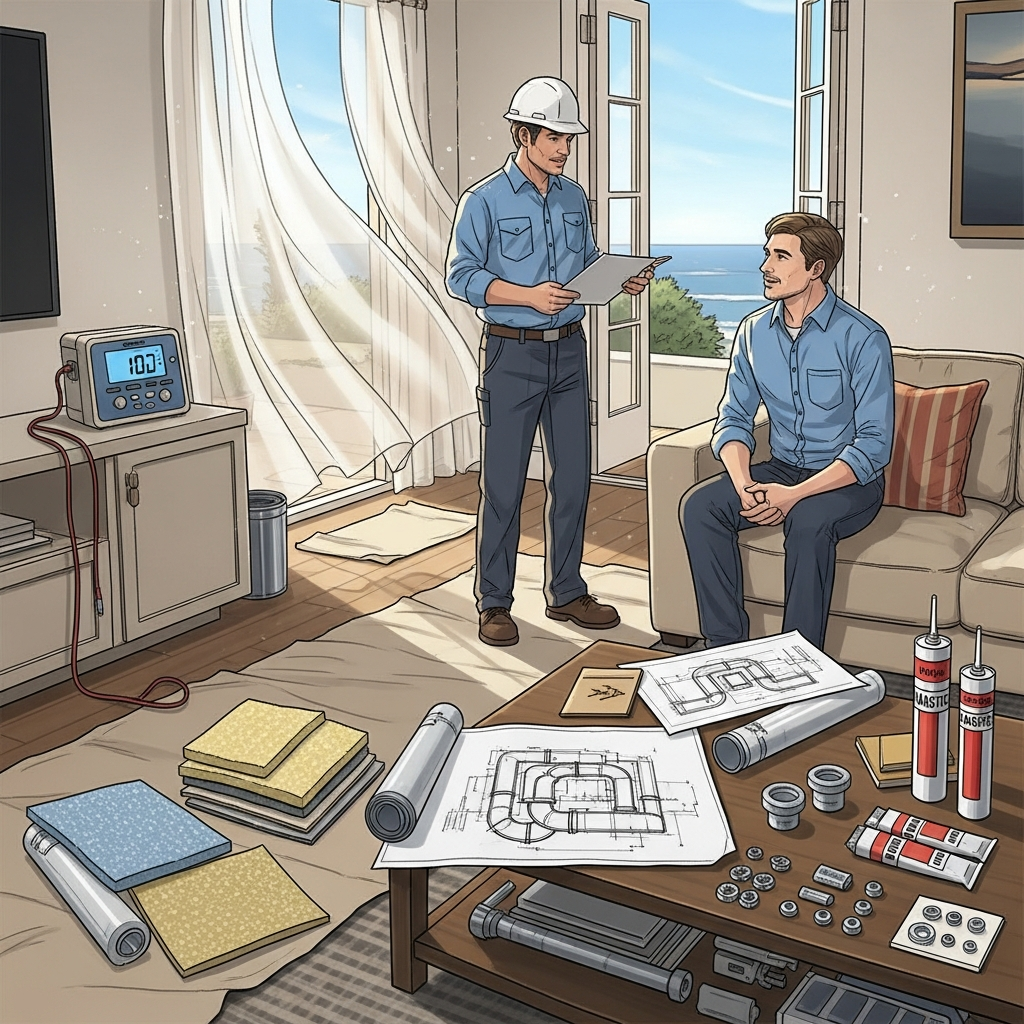
When Malibu homeowners ask what shapes the overall scope of air duct work, I always begin with the landscape itself. From shoreline condos that soak up salt mist to canyon estates with steep roofs and tight crawlspaces, the terrain and climate impose their own logic on every project. Understanding the major price factors—without getting tangled in line-item numbers—helps you anticipate the path from first evaluation to final testing. If you are seeing uneven temperatures, rising energy use, or dusty vents, the conversation usually leads to planning for smart, well-executed duct replacement that restores balance and delivers cleaner, quieter comfort throughout the home.
Think of your duct system as the circulatory network that nourishes every room. Any pinch point, leaky joint, or crushed run drains performance and raises strain on your equipment. In Malibu, the natural elements magnify those issues, but they also point to clear decisions that keep systems robust: selecting the right materials, sealing comprehensively, insulating for both temperature and moisture, and designing routes that stay serviceable for years. The price factors discussed below are less about guesswork and more about setting expectations for a project that is grounded in craftsmanship and local code.
Home Size, Layout, and Accessibility
The shape of your home drives the complexity of duct routing. Open floor plans may need fewer, larger runs with careful balancing, while multi-level homes or hillside builds demand more transitions and branch lines. Accessibility is just as pivotal. Low-clearance crawlspaces, tight mechanical chases, and complicated roof geometries slow work and require specialized tools and supports. In Malibu, many homes mix older framing with newer additions, and that patchwork often means creative routing and strategic redesign to achieve even airflow. Each of these realities influences the time and expertise needed to do the job right.
Material Choices and Durability
Not all ducts are created equal, and in a coastal zone, durability matters. Rigid galvanized sections provide shape stability, while premium flex ducts help navigate tight curves when sized and supported correctly. Fittings with robust seams, long-life mastics, and insulation with a verifiable vapor barrier help control condensation and slow coastal wear. Hardware selection—coated hangers, stainless screws, and proper saddles—prevents sag, vibration, and corrosion. When a proposal explains why certain materials are chosen for your location, you are seeing a contractor build resilience into the system from the first elbow to the last boot.
Design and Engineering Considerations
Beyond materials, the engineering of airflow decides whether your home will feel balanced. Room-by-room load thinking, correct trunk sizing, and returns that are placed to avoid noise and drafts all carry weight. If your Malibu home has high ceilings, large glass exposures, or additions that were not originally planned for central air, the design may call for rerouting, adding or resizing returns, and adjusting supply locations. These choices affect the number of fittings and the labor required, but they pay off by aligning air delivery with how you actually live in the space.
Sealing, Insulation, and Moisture Management
Along the coast, even tiny leaks invite humid air and salt particulate into the system, gradually undermining performance. A thorough sealing job using durable mastics, paired with insulation that resists moisture, is fundamental. Insulation thickness, jacket quality, and attention to seams determine how well ducts hold temperature as air travels from the equipment to the farthest rooms. Proper insulation and sealing reduce energy waste, quiet the system, and protect against condensation that could otherwise lead to surface rust or microbial concerns.
Testing, Balancing, and Documentation
One of the most meaningful price factors is the commitment to testing. Duct leakage testing verifies tightness, while static pressure readings and temperature checks confirm that every room receives its fair share of conditioned air. Balancing dampers are adjusted to match the design intent, and any last-minute kinks or restrictions are corrected. When a contractor provides you with before-and-after test results, they are not just closing a permit box—they are showing that your investment translates into measurable performance. Expect this endgame to be built into a thorough proposal.
Permits, Standards, and Local Expertise
California’s energy standards require documentation and verification to ensure duct systems meet performance targets. In Malibu, where microclimates and coastal exposure can stress materials and connections, knowledgeable compliance is more than paperwork. It shapes material choices, sealing practices, and installation protocols. Crews familiar with local inspectors and expectations plan ahead for success, staging job sites cleanly and presenting workmanship that passes scrutiny the first time. That expertise saves time and ensures the final system functions as intended.
Site Protection and Home Care
Protecting floors, artwork, and special finishes is not a luxury in Malibu homes—it is basic professionalism. Proposals that include dust control, floor coverings, and daily cleanup reflect a commitment to your experience during the project. When access runs through landscaped areas or over delicate decking, the team should outline how they will safeguard those features. These measures may not move air, but they speak to the caliber of operation you are hiring and help the job progress smoothly without collateral damage.
Retrofits vs. Straight Replacements
Replacing ducts in place is often faster than re-engineering a system for a reconfigured home, but it is not always the smartest move. If prior remodels created hot or cold zones, or if returns were undersized for expanding living areas, a straight swap can preserve problems you are trying to solve. A retrofit that changes layout, sizes, and locations can take more time and materials, yet it typically delivers the comfort gains homeowners want. Evaluations that weigh both paths—repair-like replacement or strategic redesign—clarify which route fits your goals.
Seasonal Timing and Project Flow
While Malibu’s weather is relatively mild, marine layers, high surf events, and wildfire season each impose timing realities. Scheduling around foggy mornings, windy afternoons, or days with poor air quality helps crews work efficiently and protects your interior from particulates. An experienced team sequences removal, installation, and testing to match those windows, keeping the project calm and predictable. This orchestration saves time, reduces disruption, and ultimately supports a better finished product.
When Repairs Are Not Enough
Homeowners often begin with patchwork solutions: a new boot here, a straightened run there. That can buy time, but when testing shows widespread leakage or static pressure out of range, partial fixes rarely produce even comfort. If your rooms still feel inconsistent after tune-ups, a comprehensive approach that includes full duct replacement and design adjustments is usually the most reliable way to regain control over indoor conditions. The bigger step often yields the quiet, draft-free performance people expect from a modern system.
Maintenance and Long-Term Value
Once new ducts are in place, consistent filter changes, occasional inspections of accessible runs, and attention after any construction in the home keep performance strong. If you add skylights, move walls, or convert spaces, your airflow pattern changes too; looping in your HVAC pro ensures the system evolves with the house. That proactive care pays back in steadier comfort, quieter operation, and cleaner air—benefits you feel long after the last inspection sticker is signed.
Communication: The Invisible Price Factor
Transparent communication sounds soft, but it saves hard hours. A contractor who explains the sequence of work, sets daily goals, and reports test findings reduces surprises and rework. You gain confidence that the plan aligns with your priorities, whether that is protecting a home office schedule, preserving landscaping, or minimizing noise near bedrooms. The clarity shows up in the finished product, where rooms feel even and systems run without calling attention to themselves.
Frequently Asked Questions: Price Factors in Malibu
What influences the scope of an air duct project more than anything?
Access and design choices tend to have the biggest impact. Tight crawlspaces, complex rooflines, or long runs to remote rooms require more time and precision. When design calls for resizing returns, rerouting trunks, or adding dampers for balance, the project becomes more detailed, but those steps usually pay off with quieter, more consistent comfort throughout the home.
How do Malibu’s coastal conditions factor into decisions?
Salt air, fog, and wind patterns encourage stronger sealing, corrosion-resistant materials, and robust insulation with a vapor barrier. Even hardware choices—hangers, saddles, and screws—are tailored to resist rust and vibration. The environment sets the baseline for durability, and proposals that reflect that reality tend to age gracefully.
Is testing and balancing really necessary?
Yes. Without testing, you are guessing. Duct leakage numbers, static pressure readings, and temperature checks verify that the finished system performs as intended. Balancing ensures rooms receive the airflow they were designed for, avoiding the all-too-common pattern of a chilly office and a warm bedroom at the end of a long hallway.
Can partial repairs solve comfort problems?
They can help if issues are isolated, such as a single crushed run or a leaky boot. But when leakage is widespread or the layout is mismatched to how your home is used today, repairs are short-term relief. A cohesive plan that addresses layout, sealing, and insulation together creates the stable, even comfort most homeowners want.
What role do permits and inspections play?
Permits align your project with California’s energy and safety standards, and inspections confirm the work meets those targets. Far from being red tape, this process protects your investment. Documentation of testing results gives you confidence that the system’s performance has been verified, not just assumed.
How should I prepare for a project at home?
Clear access to attics, crawlspaces, and mechanical closets. Move fragile items away from registers and pathways. Share your schedule and any areas needing extra protection—art, instruments, or specialized finishes—so crews can plan coverings and choose access routes that minimize disruption.
Ready to plan a smoother, quieter system?
If your Malibu home has been hinting that the ductwork needs attention, a thoughtful evaluation will reveal the smartest path forward. Tap into local expertise that prioritizes materials, sealing, and testing aligned with our coastal reality. Start a conversation today and map out a plan for reliable, efficient comfort—rooted in best practices for duct replacement that stands up to Malibu’s climate.