
Living in Malibu means waking up to the crash of waves, the whisper of coastal breezes, and sunlight that seems to pour straight out of the Pacific. It also means your home battles salty air, humidity shifts, and microclimates that change from canyon to bluff to beachfront over a single afternoon. If your rooms feel unevenly conditioned, your energy bills have nudged higher than they should, or you notice dust and that faint tang of sea salt inside, it might be time to take a closer look at your ductwork. Homeowners often ask how to approach the overall investment and planning for a project like this, and as a local HVAC professional, I can share how location, home age, and construction details shape the path forward for a successful duct replacement in Malibu’s coastal environment.
When you think about the overall scope for a duct update, imagine the system as your home’s respiratory network. Every supply and return, every transition in the attic or crawlspace, and each grille at the ceiling or floor contributes to how smoothly air moves. On the coast, we contend with salts in the air that encourage corrosion, temperature fluctuations that challenge insulation, and wind patterns that can pressurize or depressurize a space in surprising ways. That is why decisions about materials, sealing methods, and routing take on extra weight here. The considerations below will help you understand what shapes the total project scale and what to expect from a well-managed job.
Why Malibu’s Coastal Setting Changes the Duct Equation
Proximity to the ocean adds a layer of complexity you will not find inland. Salt in the air accelerates corrosion on metal components and can creep into unsealed seams, where it draws moisture and degrades tape or mastic over time. Morning marine layers can leave attics damp, especially in homes near the beach or in shaded canyons, and that moisture encourages insulation breakdown if the wrong product is used. Even the wind plays a part, pushing air through weak spots and backdrafting in ways that emphasize the importance of airtight connections and balanced airflow. The more exposure your home has to the elements, the more carefully your contractor should evaluate materials and sealing strategies to protect your system for the long term.
What Shapes the Overall Investment Without Numbers
Though every homeowner naturally wonders about the bottom line, Malibu’s conditions make it more useful to focus on the drivers that influence the scope. Home size and layout determine how many runs and fittings are needed, while access matters greatly—low clearances, tight crawlspaces, or complex rooflines require more hands-on time. The type of duct, from rigid metal to high-quality flexible options, affects longevity and airflow characteristics. Insulation choice and thickness become vital along the coast, as does the addition of vapor barriers. Sealing and strapping strategies, corrosion resistance, and the level of testing and balancing performed at the end all influence the total work involved. Permitting standards and inspections add structure and quality control, ensuring your system performs as intended under local codes.
Coastal-Ready Materials and Design Details
In coastal Malibu, you will see a preference for materials that resist corrosion and moisture. Galvanized metal ducts with proper coatings, rigid fittings with sealed seams, and premium flex duct for specific applications can all play a role when selected thoughtfully. Fasteners and hangers matter more than many people realize; stainless or coated hardware holds up better, reducing rattles and sag over time. Sealing with long-lasting mastics designed for the coastal climate, coupled with insulation that includes a true vapor barrier, helps stabilize surface temperatures and mitigate condensation, particularly during foggy mornings. When ducts run through attics that experience dramatic temperature swings, proper clearance from roofing and adequate support spacing help preserve shape and airflow.
Evaluating Whether to Repair or Replace
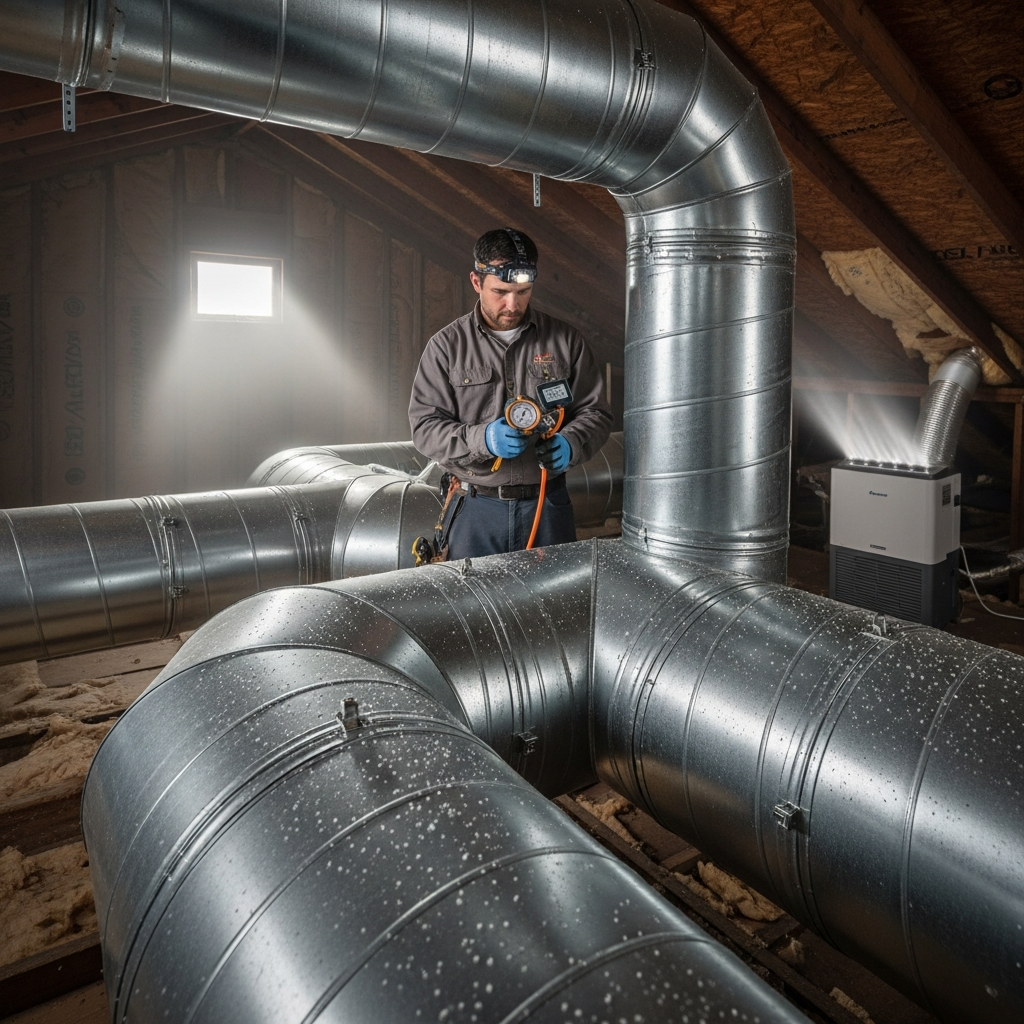
Some Malibu homeowners wonder if a targeted repair can extend the life of their system. The answer depends on the age of the ductwork, how extensively it has been compromised by salt exposure, and whether airflow losses are concentrated in a few connections or are systemwide. A qualified technician will measure static pressure, inspect for crushed runs and leaky boots, and sample insulation integrity. If damage is isolated, a repair may stabilize comfort for a time. But when leakage is widespread, materials have fatigued, or layout flaws are baked into the design, a full duct replacement often becomes the more reliable path to balanced temperatures and better indoor air quality.
Attics, Crawlspaces, and Canyon Homes
Malibu’s patchwork of microclimates means your home’s setting is as important as its floorplan. Beachfront properties contend with near-constant salt spray, so duct paths need extra corrosion protection and careful sealing at all boots and plenums. Canyon homes can have dramatic temperature swings and seasonal debris loads; leaf litter and fine dust collect around eaves and can infiltrate if returns are not properly sealed. Hillside crawlspaces can be narrow and uneven, demanding specialized supports and careful routing to avoid kinks or sag that would restrict airflow. These site conditions are not obstacles so much as prompts to design for durability and serviceability from the start.
Permits, Testing, and Local Standards
In California, duct systems are part of a home’s energy story, and the permitting process aligns your project with statewide performance targets. Expect duct leakage testing to verify that the finished system meets thresholds for tightness and efficiency. In practice, a conscientious contractor will aim to beat those minimums, because tighter ducts translate to quieter operation, more even temperatures, and cleaner indoor air. Plan for inspector visits to confirm workmanship and code compliance. Far from being a bureaucratic hoop, these steps protect you by documenting that the system you paid for performs as designed.
The Replacement Process, Step by Step
Before work begins, you should receive a clear scope, a description of materials, and an overview of how crews will protect floors and furnishings. On day one, technicians typically remove accessible sections of old duct, capping or bagging debris points to keep fibers and dust contained. They will stage new ducts and fittings, lay down protective coverings, and map out supports. Installation proceeds in runs, with each section sealed and insulated as it goes. Boots are fastened and sealed at the ceiling or floor, plenums are adjusted for balanced airflow, and supports are tightened to maintain consistent slopes and avoid low points where condensation could accumulate. By the end, the crew will test for leakage, check airflow room by room, and fine-tune dampers for comfort.
Condensation, Mold, and Indoor Air Quality
Coastal moisture makes temperature control and condensation prevention especially important. When warm, humid air meets a cool duct surface, water can form on the exterior or interior of the duct. The antidote is proper insulation, tight sealing, and attentive routing that minimizes exposure to extreme temperature differentials. Good design reduces the risk of microbial growth, while balanced ventilation helps purge indoor pollutants and coastal particulates. If you have family members with allergies or sensitivities, discuss filtration upgrades and return sizing with your contractor. A well-executed system not only stabilizes temperatures but also elevates the quality of air you breathe every day.
Scheduling, Access, and Protecting Your Home
Because Malibu homes often have cherished finishes and bespoke millwork, site protection is a top priority. Expect crews to use coverings for floors and furniture, seal off work zones, and coordinate access through garages or side yards to minimize disruption. If you have art, wine storage, or sensitive electronics near work areas, call those out during the walkthrough so the team can plan extra precautions. Projects are typically scheduled to avoid the dampest early morning hours in coastal zones, with testing and balancing timed when temperatures are more stable. Clear communication throughout ensures you always know what is happening next.
Working With a Local Specialist
Experience matters in Malibu, because the coastline itself acts like a variable that only local practice can fully account for. From choosing hangers that will not fail under salt exposure to routing returns that avoid drawing in ocean air during high-wind events, a local specialist blends engineering with on-the-ground familiarity. Ask about past projects in similar neighborhoods, what materials the team favors for coastal conditions, and how they document testing results. A contractor who brings samples to your walkthrough and explains why one liner or sealant beats another for your location has likely made the small decisions that add up to long-term comfort.
Future-Proofing and Energy Awareness
Even if your immediate goal is to stabilize comfort, it pays to think about the life of your system over the next decade. Proper sizing and balance today can accommodate a future equipment upgrade, heat pump adoption, or a zoning enhancement if you reconfigure interior spaces down the line. Locally, grid-conscious scheduling and smart controls continue to advance, and ducts that minimize leakage form a strong foundation for any next steps in efficiency. Consider discussing filtration levels, return placement, and access points that make routine inspections easier; small design choices make maintenance simpler and keep performance high year after year.
When the Middle of the House Feels Different From the Edges
Many Malibu owners describe a home that feels cozy in the core and drafty at the perimeter. That pattern often points to leaky boots at external walls, long unsupported runs to corner rooms, or older ducts crushed in tight chases. During an evaluation, a technician should measure pressures and temperature differentials, then open strategic access points to confirm what the numbers suggest. Correcting those constraints—sometimes with revised routing or upsized returns—can transform the way your home feels. If the same symptoms pop up season after season despite small fixes, the comprehensive approach of a full duct replacement generally produces the most reliable, lasting result.
After the Work: Care That Keeps Your System Performing
Once your new ducts are in place, a light but consistent maintenance rhythm protects the investment. Keep filters on schedule, especially during wildfire season when airborne particulates rise. Plan periodic inspections of exposed runs in attics or crawlspaces to confirm supports remain taut and insulation intact. If you add new recessed lighting, change window configurations, or remodel a space, loop your HVAC pro into the conversation early so airflow can adapt. These quick check-ins preserve balance and help your home meet the day-to-day challenges of coastal living gracefully.
How Long the Process Takes and What to Expect
Project duration depends on the number of runs, access points, and how many rooms require new boots or registers. A well-organized team will sequence removal, installation, and testing so each day ends with a tidy site and clear notes about what is next. If sounds in the attic or crawlspace make you nervous, let your crew know your schedule so they can plan louder tasks accordingly. Good communication makes the experience straightforward and ensures you feel in control from start to finish.
Frequently Asked Questions: Malibu Coastal Homes
How long does a typical duct project take in a coastal Malibu home?
Timing varies with home size, access, and the extent of redesign, but most projects move through three predictable phases: removal of compromised sections, installation of new sealed and insulated runs, and testing with adjustments for balance. Coastal conditions can add time for corrosion protection and site protection, yet a seasoned crew sequences work to minimize disruption. What matters more than the calendar is that each step is done thoroughly and documented, so your system performs as designed when the team leaves.
Will I need to leave the house during installation?
Most homeowners remain on site, stepping away only if sensitive work occurs above bedrooms or home offices. Crews isolate work zones, manage dust carefully, and coordinate louder tasks when it is convenient. If family members are sensitive to noise or have respiratory concerns, discuss that up front so the team can manage air cleaners, filtration changes, and breaks in the schedule to keep everyone comfortable.
Can you reuse some of my existing ducts or registers?
Reuse is possible when components are in excellent condition and compatible with the new design. However, coastal wear often reveals itself at seams and boots, and mixing old parts with new can undermine performance if leakage remains in legacy sections. Your technician should show you any pieces proposed for reuse and explain the tradeoffs, then document final testing so you can see that the system meets performance targets.
How do coastal conditions affect insulation and sealing choices?
Salt, fog, and temperature swings demand insulation with a robust vapor barrier and sealing products formulated for durability in moist environments. Joints receive mastic rather than relying solely on tapes, and supports are spaced to prevent sag that would create cold spots on duct surfaces. These details help prevent condensation, maintain steady airflow, and protect your investment from the unique stresses of ocean-adjacent living.
What are signs that a full replacement is wiser than repair?
Persistent room-to-room temperature swings, widespread leakage discovered during testing, brittle or collapsing insulation, and visible corrosion suggest the system is failing as a whole rather than at a few points. If your home has undergone remodels that changed load patterns or closed off returns, a redesign may be necessary to restore balance. In those cases, starting fresh with a cohesive plan produces cleaner air, better comfort, and a more resilient system against coastal wear.
How should I prepare my home before the crew arrives?
Clear pathways to access points, move fragile items from beneath ceiling registers, and identify any spaces that need extra protection. Share schedules, pet routines, and special considerations—artwork, wine storage, instruments—so the team can plan coverings and set boundaries. A brief pre-job walkthrough with your contractor ensures everyone agrees on scope, timing, and care for your home’s finishes.
Ready to make your Malibu home more comfortable and resilient?
If you are weighing your options and want a plan tailored to your coastal setting, now is a great time to speak with a local specialist who understands materials, sealing, and testing that stand up to ocean air. Let us help you map a clear path from evaluation to a finished system that feels right in every room. Start the conversation today and explore your best options for duct replacement designed for Malibu’s unique climate.