
When you call about air duct replacement in Malibu, what you are really asking for is steadier comfort, cleaner air, and a quieter home that does not make you think about the mechanics behind it. The coastline presents its own design brief—salt air, foggy mornings, and microclimates that swing from canyon shade to beach sun in a single day—so understanding the service process helps you see how those realities are handled from the first visit to final testing. If rooms feel uneven, vents look dusty, or the system sounds like it is working too hard, a conversation about duct replacement will focus on diagnosing the root causes and mapping a clear, low-stress plan that fits your home and routines.
Local experience matters. Malibu’s hills, oceanfront lots, and custom finishes require thoughtful access, site protection, and sequencing. A capable team brings more than tools; they bring habits that respect your home and a communication style that keeps you in the loop. Below is a straightforward walkthrough of what to expect when you engage a reputable contractor for this work—no guesswork, just the steps that lead from a first look to a system that fades quietly into the background.
The First Conversation and On-Site Assessment
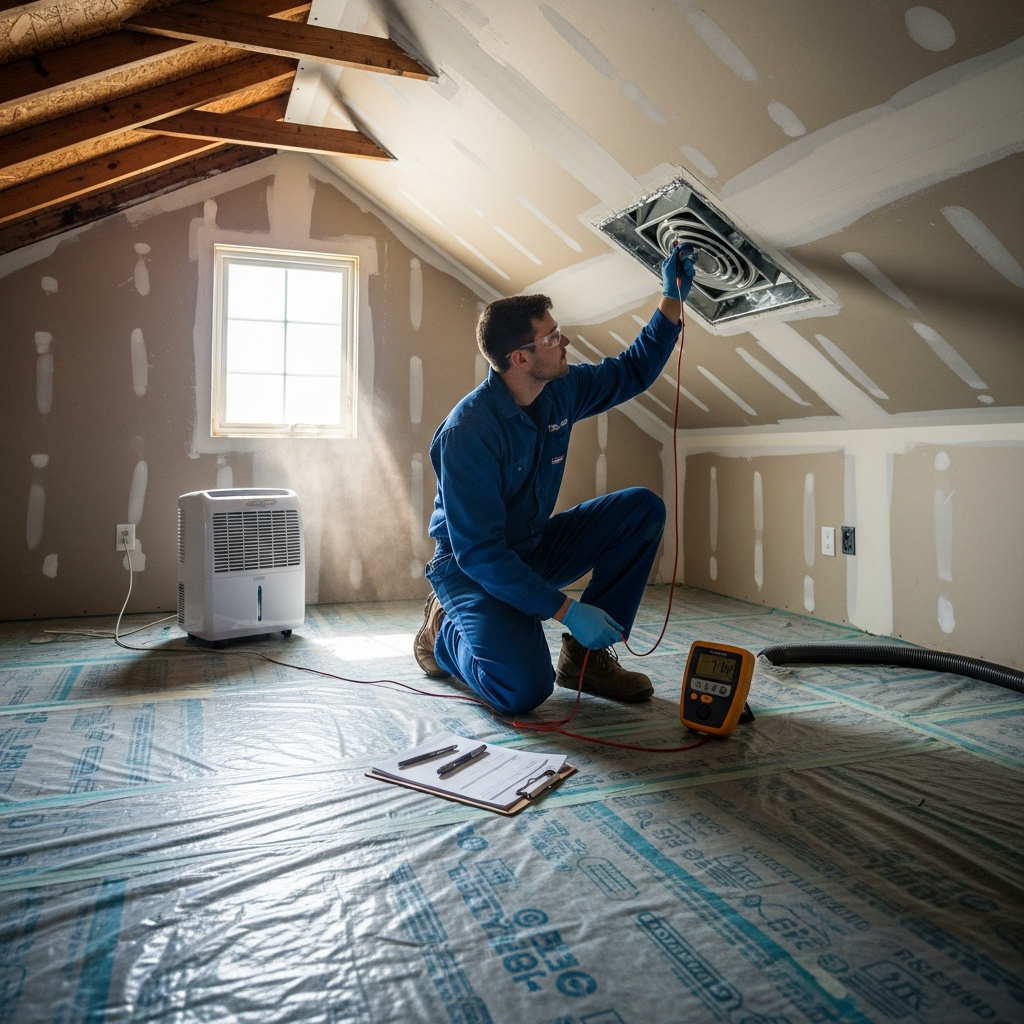
It starts with listening. You share which rooms run hot or cool, when the system is noisiest, and how daily life flows through the house. The technician then inspects accessible ducts, notes materials and insulation condition, and identifies kinks or crushed runs. Static pressure readings, temperature checks, and a look at return paths build a picture of how air moves. In Malibu, they also factor in coastal exposure—how close you are to the ocean, whether morning fog lingers, and where salt may have accelerated wear on seams or hardware.
Clear Scopes and Options
After the assessment, you should receive a clear, written scope that outlines materials, layout changes if needed, and the workflow for protecting your home. Good proposals anticipate your questions, explaining why certain ducts will be replaced, what insulation and sealing methods are planned, and how registers or returns may be added or resized. If there are multiple viable paths—targeted repairs vs. comprehensive replacement—the pros and cons are laid out so you can choose with confidence.
Permitting and Scheduling
California’s standards require documentation and testing, and your contractor manages that process. Once permits are in motion, schedules are set with sensitivity to your household. Malibu’s climate encourages staging around foggy mornings, windy afternoons, or days with unusual particulate loads. Crews plan access through garages or side yards to minimize impact on living areas and coordinate with any other trades if your project coincides with painting, electrical work, or minor remodels.
Site Protection and Setup
Before tools come out, floors and furnishings are protected and work zones defined. Sensitive areas—art, instruments, and custom finishes—receive special attention. If pets or young children are in the home, temporary barriers and daily cleanup plans are discussed. Materials are staged in a way that keeps pathways clear and allows you to move through your day without feeling like you are living in a warehouse.
Removal With Care
Old ducts are taken out methodically to avoid stirring up unnecessary dust. Sections are capped or bagged, and debris paths are kept short and contained. In attics and crawlspaces, crews work with lighting and platforms to avoid scuffs and to keep insulation intact where it is still doing its job. You should see orderly piles of outgoing material, clean cuts, and smart labeling that makes the new layout simple to follow.
Installation That Focuses on Details
The heart of the service happens here. Runs are measured and cut with the future in mind, so access points remain serviceable. Seams are sealed with durable mastics, and insulation with a proper vapor barrier is installed and taped meticulously. Supports and hangers are spaced to prevent sag and vibration, which protects airflow and quiets operation. In Malibu’s coastal setting, corrosion-resistant hardware is standard, not an upgrade, and any exposure to wind or sun is considered as ducts cross attic spaces or outdoor transitions.
Design Adjustments for Comfort
Many projects include smart design tweaks that improve how the home feels. Returns may be resized or relocated to reduce noise and help equipment breathe. Supply registers might shift to eliminate drafts on seating areas. If you have vaulted rooms or new glass walls, trunk and branch sizes are tuned to deliver even temperatures without gusts. These decisions are guided by measurements and by the daily patterns you share during the initial walkthrough.
Testing, Balancing, and Documentation
Once installation is complete, testing validates the work. Duct leakage numbers confirm tightness, static pressure readings verify that the system is not struggling, and temperature checks show that rooms receive their fair share of conditioned air. Balancing dampers are adjusted to align with design intent, smoothing out any lingering differences between near and far rooms. You receive documentation of these results, so performance is not just promised—it is proven.
Communication Throughout
Professional crews communicate. They outline daily goals each morning and review progress at day’s end. If access needs to shift or if a detail requires your input—like grille styles in a visible area—you are consulted before anything is set in stone. Clear communication avoids surprises, protects your time, and results in a finished system that matches the vision you had on day one.
Aftercare and Maintenance
With new ducts in place, upkeep is straightforward. Change filters on schedule, especially during wildfire season when particulates rise. Plan occasional inspections of accessible runs to verify supports remain taut and insulation is intact. If you remodel or add built-ins down the road, involve your HVAC pro early so airflow can adapt gracefully to the new layout. These small habits preserve the quiet, even comfort you invested in.
When Comprehensive Replacement Makes Sense
Some Malibu homes benefit from targeted repairs, but many show signs that a broader approach is wise: widespread leaks revealed by testing, brittle insulation, or legacy routing that can never quite balance far rooms. If you have chased hot and cold spots for years, a cohesive plan that includes full duct replacement often produces the steady, draft-free comfort people want. The step may feel larger, yet it resolves lingering issues in one coordinated effort rather than through a string of small fixes.
Frequently Asked Questions: What to Expect
How long will technicians be in my home?
Duration depends on access, the number of runs, and whether design changes are included. Most projects progress through clear stages—removal, installation, and testing—with daily cleanup and an emphasis on returning key rooms to normal quickly. The schedule is set with your routine in mind, and noisy tasks are planned when they least disrupt the household.
Do I need to move out during the work?
Typically, no. Crews isolate work zones, use coverings, and manage dust to keep living areas comfortable. If particularly sensitive work happens above bedrooms or offices, you may choose to relocate within the home for a day or two. Communication ahead of time lets you plan around the moments of greatest activity.
Will I see a difference immediately?
Most homeowners notice more even temperatures and quieter operation right away. Final balancing can fine-tune the last few degrees between rooms. If you have upgraded filtration or adjusted return sizing, you may also perceive fresher-smelling air and less dust settling on surfaces.
Can my existing registers be reused?
Often, yes, especially if you prefer their look. Your contractor will confirm compatibility with the new layout and may adapt boots or collars behind the scenes to meet airflow targets while keeping visible elements unchanged.
What about permits and inspections?
They are part of the process. Your contractor handles paperwork, schedules inspections, and provides the testing documentation that verifies performance. Permits help ensure the system you receive aligns with California’s energy and safety standards, which protects your investment long after the crew leaves.
How do coastal conditions change the job?
Salt and moisture incentivize corrosion-resistant materials, robust sealing, and insulation with a reliable vapor barrier. In practical terms, it means hardware and duct jackets are selected for durability, and routing aims to minimize exposure to extreme temperature swings that can trigger condensation.
Ready to experience a calmer, cleaner, more comfortable home?
If you are considering a project and want a clear, low-stress path from evaluation to proven performance, our local team is here to help. We will listen first, explain options in plain language, and protect your home as if it were our own. Start the conversation today and discover how thoughtful duct replacement can transform daily life in your Malibu home.