
Malibu’s beauty is no secret, and neither is the quiet toll that salt, sun, and shifting humidity take on mechanical equipment. The best maintenance plans here are not complicated; they are consistent, coastal-minded, and gentle. As someone who spends a lot of time helping homeowners keep systems both quiet and dependable, I have learned that a handful of steady habits outperforms occasional heroic efforts. Begin with awareness, keep things clean, and let the equipment do its job in a way that serves the house and the setting. When you combine those basics with a right-sized air conditioning system, the result is comfort that feels effortless all year.
Start with the Outdoor Unit: Placement and Care
Coastal air carries fine salt and organic debris that cling to outdoor coils and hardware. Good placement—protected from direct onshore winds when possible—reduces buildup from the start. Make a habit of visually checking the area around the unit. Trim back grasses and shrubs to maintain breathing room, and after windy days, gently remove leaves or palm fibers that drifted against the cabinet. When rinsing coils, use a soft, low-pressure stream of water aimed from the inside out if accessible, or at a shallow angle outside-in. The goal is to lift salt and dust without bending delicate fins.
Filters: The Simplest, Most Powerful Habit
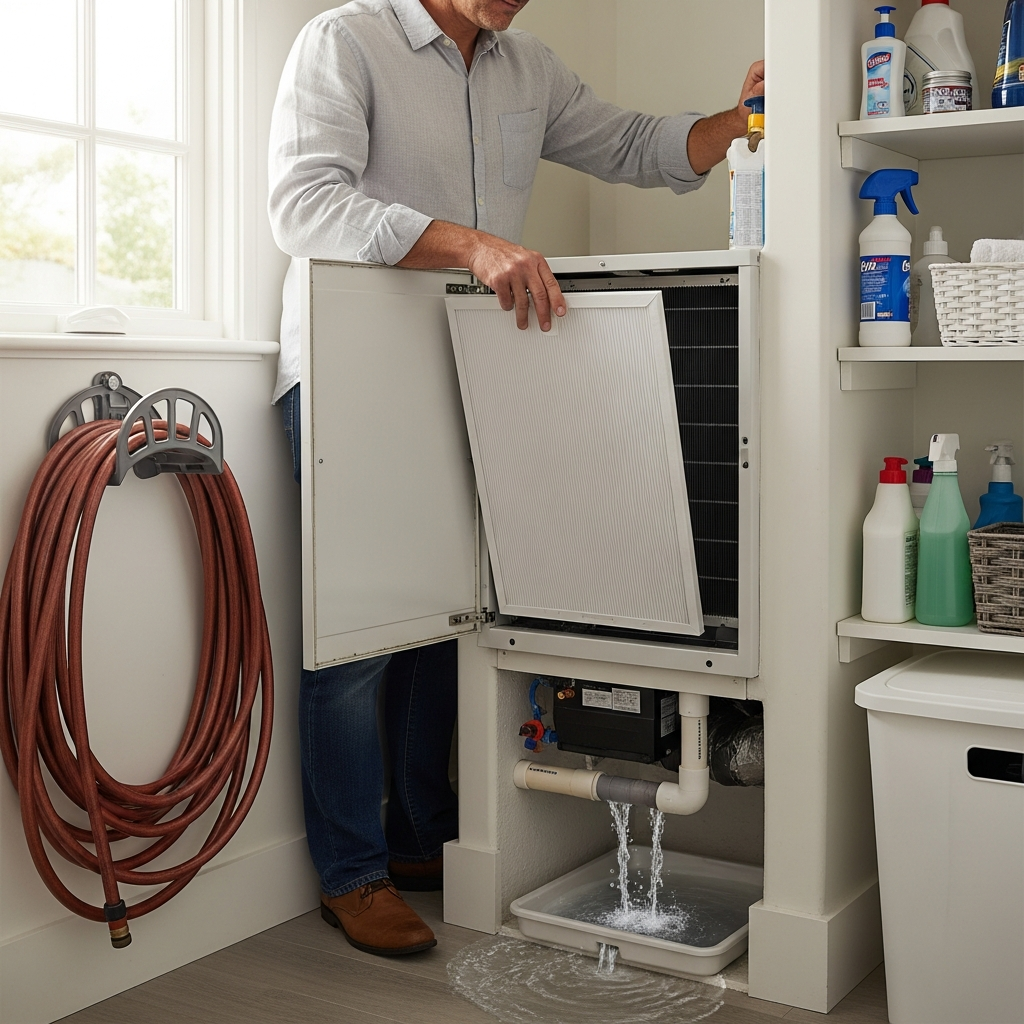
Clean filters are the foundation of both comfort and efficiency. In Malibu, where breezes can change daily and smoke events sometimes enter the picture, filters load faster than many expect. Mark your calendar to check monthly during peak season. If the media looks dark or you notice more dust on tables than usual, do not wait—replace it. Consistent filtration also protects indoor coils from becoming dirty, which, left unchecked, can trigger longer runtimes and musty odors.
Condensate Drains and the Smell Test
Cooling removes moisture from indoor air, and that water must exit via a clear path. A quick seasonal test: listen for steady drip at the drain termination when the system runs, and look for moisture near the indoor unit—there should not be any. If a faint musty smell appears when the system starts, it can signal a sluggish drain or a filter past its prime. Keeping the drain clear prevents nuisance water issues and keeps the air smelling fresh rather than damp.
Thermostat and Sensor Wisdom
Many Malibu homes have strong contrasts between shaded hallways and glassy rooms. If your thermostat lives where temperatures are calmer, the system may stop before lived-in spaces feel right. Consider remote sensors to reflect the rooms you actually occupy, and create schedules that align with your day. Morning routines might prioritize kitchen and living zones; evenings may focus on bedrooms. The better your controls mirror reality, the less your equipment has to muscle its way to comfort.
Gentle Cleaning, Not Overcleaning
Coastal equipment deserves care, but heavy-handed cleaning can do harm. Avoid high-pressure sprays on outdoor fins and harsh chemicals on any coil. Indoors, wipe supply grilles with a lightly damp cloth rather than removing and scrubbing aggressively. The goal is to remove film and dust without disturbing calibrations or bending delicate parts. Small, regular efforts keep surfaces clean enough that professional service remains straightforward and effective.
Mind the Soundtrack
Learn your system’s normal sound—an easy, steady hum at low speeds, a gentle ramp when the sun breaks through. If new rattles, buzzes, or vibration appear, it may be as simple as debris on a fan blade, a worn pad, or a loose panel. Addressing these now prevents wear later and keeps Malibu’s natural quiet intact, especially in courtyards and terraces where you unwind.
Zoning and Schedules: Cool What You Use
Homes with guest wings, studios, or open plans benefit from zoning that targets use rather than square footage. If a space sleeps most of the week, let it rest at a higher setpoint and focus cooling where life is happening. Occupancy-based schedules and modest setpoint changes during the day can reduce runtime without perceptible dips in comfort. Over time, this light touch lowers strain on equipment and keeps operation smoother and quieter.
Protection Against Salt and Sun
Salt and UV exposure are a tandem that test materials. Consider breathable covers or screening that reduce direct spray and sun on outdoor equipment while preserving airflow. Simple details, like stainless or coated fasteners and well-sealed conduit penetrations, help the installation age gracefully. Indoors, steady humidity control protects wood floors, cabinets, and treasured items, preventing the subtle swelling and contraction cycles that age them prematurely.
What to Watch During Wildfire Season
On smoky days, check filters more often and run the system in circulation mode to move air through filtration even when cooling demand is low. Keep windows closed, and let the system maintain a calm interior free from the fine dust that can settle for days after an event. Expect filters to load quickly; having replacements on hand reduces the temptation to stretch intervals just when clean air matters most.
Know When to Call for Help
Many maintenance tasks are observational—look, listen, and clean gently. But persistent water near the indoor unit, frequent breaker trips, high-pitched squeals, or a sudden inability to reach setpoint are signs to schedule professional service. In coastal environments, addressing small shifts early prevents larger repairs later and keeps efficiency on track.
FAQs: Malibu AC Maintenance
How often should I rinse the outdoor unit near the ocean?
Light rinsing a few times during peak season, and after windy or salty days, helps remove film without overdoing it. Always use low pressure and avoid bending fins. Regular professional service complements these touch-ups.
Why do my filters look dirty so quickly?
Coastal breezes, dust, and occasional smoke events load media faster. Check monthly during summer and keep spares on hand. Clean filters improve comfort, efficiency, and indoor air quality.
Is it okay to close supply vents in unused rooms?
It is better to rely on zoning or adjust setpoints than to close vents completely. Shutting vents can upset airflow and static pressure. A zoning approach targets savings without stressing the system.
Do I need a dehumidifier near the coast?
Many modern systems manage humidity effectively on their own. In particularly damp microclimates or homes with unique needs, supplemental solutions can help, but start by ensuring your existing system is sized and controlled correctly.
How can I tell if my condensate drain is working?
During cooling, you should notice a steady drip at the drain outlet and no water near the indoor unit. Musty odors or intermittent shutdowns can indicate a restricted drain that needs attention.
What maintenance tasks should a professional handle?
Refrigerant diagnostics, electrical checks, thorough coil cleaning, and airflow balancing are best left to trained technicians. Your role is regular observation and gentle cleaning; their role is detailed performance care.
If you want comfort that keeps pace with Malibu’s changing skies—and equipment that lasts gracefully in salty air—adopt a calm, consistent care routine and partner with a local expert for seasonal checkups. When it is time to upgrade or fine-tune, explore modern air conditioning options that match your home’s rhythm, protect your finishes, and keep life feeling easy, every day of the year.