
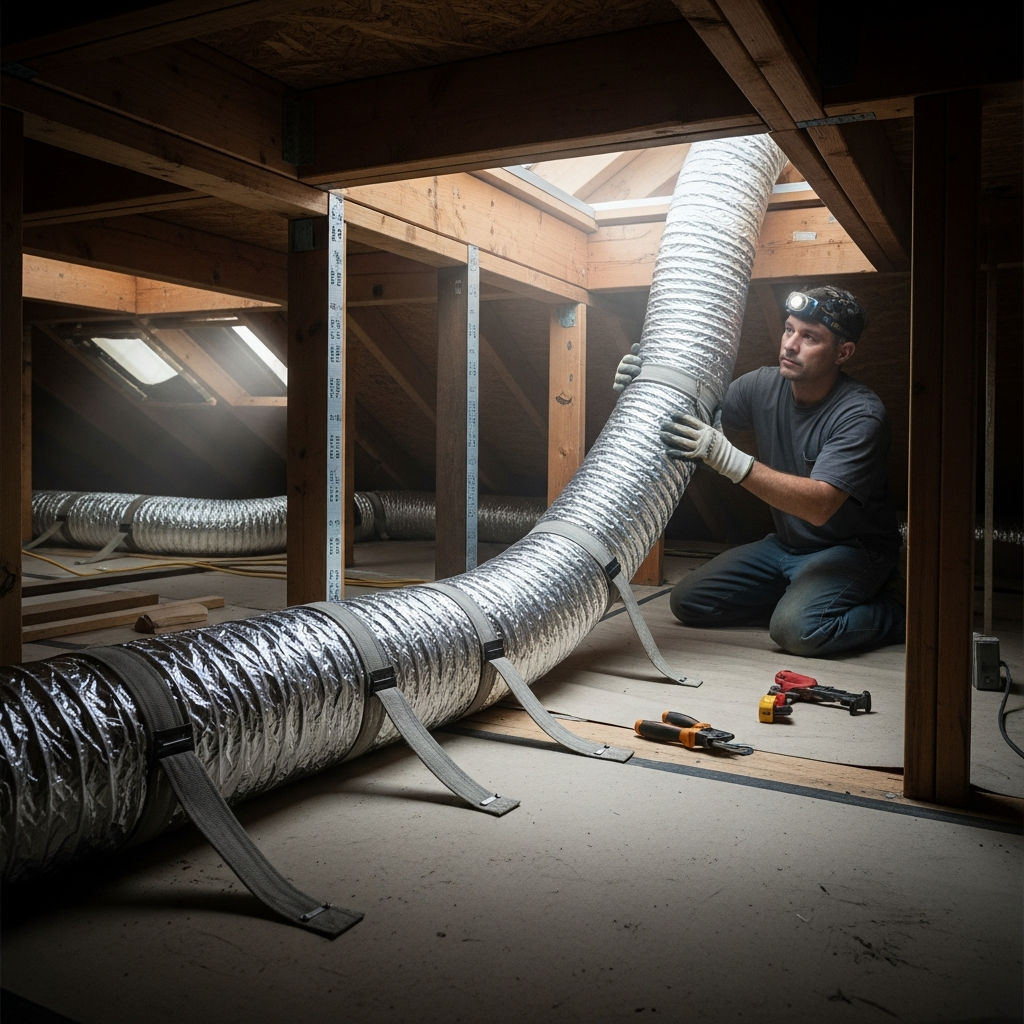
Flex duct can be a powerful tool in Malibu’s coastal homes when it is selected thoughtfully and installed with care. The very features that make it convenient—light weight, adaptability, and insulation built in—also make it vulnerable if stretched loosely, bent too sharply, or routed through challenging spaces without a plan. From Broad Beach to Malibu Park, I have seen flex duct perform beautifully when design and craftsmanship lead the way. If you are considering duct replacement that involves flex, the path to long-term comfort runs through deliberate design, careful handling, and a respect for our local environment.
Why flex duct is popular—and where it shines
Flex duct excels in complex attics and tight chases where rigid metal would require numerous fittings and create too many opportunities for pressure loss and noise. Its integrated insulation helps control condensation risk in Malibu’s marine layer mornings, and its adaptability can shorten installation time when used in the right sections. For branch runs that serve bedrooms or small offices, properly tensioned and supported flex delivers quiet performance and even temperatures. The key is using flex where it adds value while pairing it with rigid trunks or plenums that keep static pressure moderate and airflow smooth.
Design first: the hidden backbone of success
A Manual D layout translates your home’s geometry into right-sized trunks and branches, along with diffuser selections that avoid drafts and noise. In Malibu, we contend with varying ceiling heights, tall glass walls that pull heat in winter and reflect sun in summer, and rooms that open into each other without doors. Design anticipates these realities by planning branch lengths, turn radii, and register types that suit each space. When flex is part of the plan, the design should specify maximum length targets for each run, the support spacing, and the preferred routing to minimize bends and compression.
Installation craft: stretch, support, and protect
Flex duct must be stretched to its full length without slack so the internal coil does not create turbulence. Supports should be broad and smooth to avoid pinching the insulation or the core, and they should be spaced closely enough to prevent sag over time. Bends should respect generous radii; sharp kinks rob airflow and invite noise. Connections to boots and plenums should be sealed with rated mastics and secured with corrosion-resistant bands. Each of these details preserves the gains that flex duct promises on paper and turns them into day-to-day comfort you can feel.
Coastal realities: salt, humidity, and UV
Malibu’s salt air and humidity demand attention to hardware and the outer jackets of flex duct. Even in attics, UV can creep in through vents and skylight gaps, so jackets should be rated and intact, with terminations carefully sealed to keep moisture out. Corrosion-resistant hangers and bands hold up best. Where ducts pass through vented spaces, maintaining jacket integrity safeguards against condensation that could dampen insulation or stain ceilings. A small amount of care during installation prevents years of nuisance maintenance.
Pairing flex with rigid for the best of both
Many of the best-performing Malibu systems use rigid metal trunks with lined plenums for quiet, straight runs, and then transition to flex only where it allows ideal routing to individual rooms. This hybrid approach keeps static pressure in check and grants the installer precision where space is tight. It also creates a solid foundation for future service, as rigid trunks are easy to inspect and seal, and flex branches can be adjusted without dismantling large sections of the system.
Returns, filtration, and pressure balance
Flex duct is rarely the right choice for large returns that must stay whisper-quiet while moving a lot of air. Here, rigid or duct board often wins for smooth flow and low noise. Planning for improved filtration—something many Malibu owners want for wildfire smoke days—means ensuring the return path and blower capacity can handle the additional resistance. Good design sets the stage so a quiet home stays quiet even as filter efficiency improves.
Access challenges and how pros navigate them
Flex duct can help installers navigate steep roofs, low-slope attics, and crawl spaces with limited clearance. The trick is to avoid letting flexibility become a crutch. Each route should be sketched, measured, and tested against framing realities before installation starts. In homes with architectural ceilings or custom lighting, careful mapping keeps ducts out of sightlines and preserves the minimalist look that many Malibu residences cherish.
Noise control: the elegance of restraint
Noise in flex duct often traces back to compression, sharp turns, or undersized runs. Stretching the duct to minimize internal ribbing, using large-radius fittings at transitions, and selecting diffusers that spread air without whistling transform the experience. In bedrooms, where quiet at night is sacred, a little oversizing and thoughtful return placement deliver peaceful sleep. In great rooms, balancing multiple branches prevents one register from dominating the soundscape.
Verification and follow-through
Performance testing is as important with flex as with rigid. Leakage checks, airflow measurements, and balancing confirm the design intent made it into the attic or crawl space intact. Documented results give you confidence that the new system meets the targets, and they provide a baseline for any future adjustments. In Malibu’s climate, where gentle performance is prized, this step is non-negotiable.
Maintenance: small habits, big impact
Flex duct does not ask much day-to-day, but it benefits from periodic visual checks. Look for any jacket damage near attic access points or storage areas, and make sure supports have not shifted. Keep returns unobstructed and filters on schedule. In beach-adjacent homes, glance at hangers and bands for early corrosion and address it promptly. These small habits preserve quiet performance and prolong the system’s life.
When flex is not the right choice
For long, high-volume trunks, tight mechanical rooms with many turns, or spaces where diffusion must be extraordinarily controlled, rigid metal or duct board may be the better option. Flex shines as a branch-run specialist, not as a cure-all. A candid conversation with your designer or contractor will identify where flex helps and where it should step aside for a different material.
At some point mid-project, many homeowners realize a small change—shifting a diffuser, enlarging a return, or re-routing a branch—could make a favorite room feel even better. That is the time to revisit goals and confirm the details still serve the way you live. If you are weighing options right now, reviewing expert guidance on duct replacement can illuminate which sections deserve flex, which deserve rigid, and how to blend them gracefully.
Frequently asked questions
Does flex duct reduce noise compared to metal?
Flex can be very quiet when stretched tight and supported well because its insulated jacket dampens sound. However, sharp bends and compression create turbulence and noise. Rigid trunks with lined plenums often deliver the quietest backbone, with flex used sparingly for final connections to rooms.
Will flex duct hold up in Malibu’s coastal environment?
Yes, when jackets are robust, connections are sealed correctly, and corrosion-resistant hardware is used. Periodic checks for UV exposure and early corrosion near vents are wise, especially in homes close to the beach.
Can I improve filtration without making the system loud?
Absolutely, if returns and duct sizing are planned for it. Higher-efficiency filters introduce resistance, so the system needs sufficient return area and blower capacity. When designed together, you get cleaner air without added hiss or drafts.
Is flex a good choice for returns?
Large returns usually perform better and quieter with rigid duct or duct board because they handle high volumes with less turbulence. Flex is most effective on shorter, lower-volume branches serving individual rooms.
How do I know my flex install was done right?
Look for straight, taut runs with generous turns, broad supports spaced closely, and clean, sealed connections at boots and plenums. The final proof is in testing: low leakage numbers, balanced airflow, and a home that feels consistently comfortable.
If you are ready to make Malibu’s ocean breezes and canyon sunsets feel as comfortable inside as they look outside, partner with a team that treats flex as a precision instrument, not a shortcut. Begin with a thoughtful design, insist on careful installation, and verify performance before the last register goes in. To plan your project with confidence and clarity, schedule a conversation with a local expert and explore tailored duct replacement solutions that respect Malibu’s coastal character.