In Malibu, the path to better comfort often starts in the places you don’t see—attics and crawlspaces where your home’s airways live. When those ducts are leaky, undersized, or simply past their prime, everyday life feels harder than it should: rooms drift out of sync, the system runs longer, and the quiet you expect at night gives way to a persistent hiss. Replacing ductwork can unlock a calmer, more even home. What many Malibu homeowners don’t realize is that, under the right conditions, there are programs that may help reward a well-designed, well-documented upgrade. If you’re beginning to explore duct replacement with an eye toward rebates and verification, this guide explains how to prepare, what to expect, and how to qualify without feeling lost in paperwork.
Why Rebates Exist—and Why Ducts Qualify
Rebates exist to encourage upgrades that deliver measurable improvements. Ducts matter because even a small leak in an unconditioned space can have an outsized impact on comfort and efficiency. In a coastal climate like Malibu’s, sealing and right-sizing protect your indoor air from salty particulates while making the system’s job easier. Programs tend to focus on verifiable outcomes: documented leakage reductions, proper insulation, balanced airflow, and compliance with current standards. When your project meets those marks, you may be positioned to apply for incentives that recognize the value of those improvements.
The Role of Testing and Verification
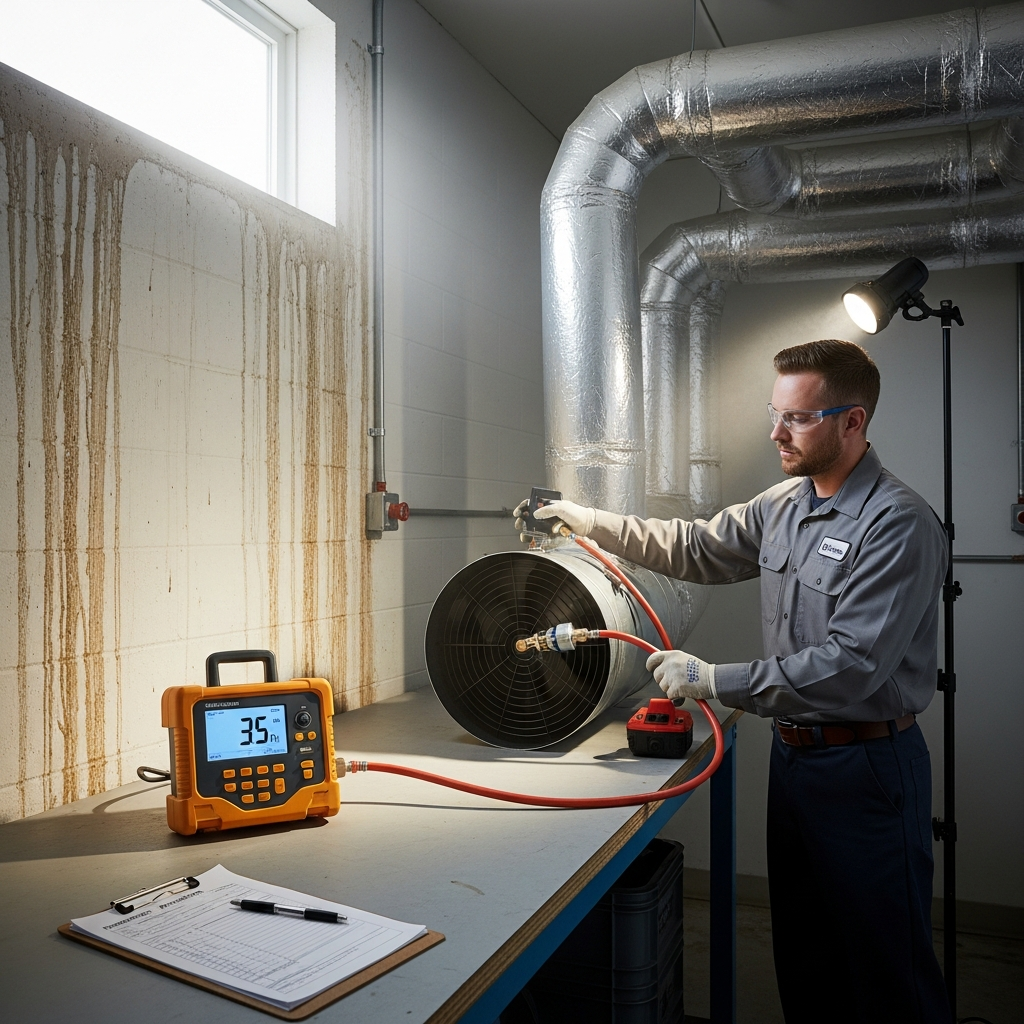
Testing is the bridge between “we installed it” and “we can prove it performs.” That typically means measuring duct leakage with specialized equipment and confirming the system meets prescribed thresholds. It also means documenting insulation levels, sealing methods, and sometimes even register types. In California, verification can include third-party checks that add confidence and create a clear paper trail for rebate reviewers. Consider testing not as a hurdle, but as the receipt that validates the work and keeps your home’s comfort story honest.
Permits and Documentation
Good documentation does more than satisfy an inspector. It serves you years later when you sell, refinance, or plan future work. Permit applications outline scope, and final approvals confirm the job met code. Photos taken during and after installation show materials, supports, and sealing details. Test results quantify performance. These pieces come together to form the binder—digital or physical—that tells the story of your upgrade. For rebates, that binder is often the difference between a smooth process and a frustrating one.
Design Choices That Support Eligibility
Rebate-focused projects emphasize outcomes that can be measured. Design decisions like balancing supply and return, using materials appropriate to Malibu’s coastal exposure, and choosing insulation that maintains performance in humid conditions all support strong test results. Shorter, straighter runs with generous curves reduce system resistance. Mechanical fastening followed by mastic sealing at every joint ensures the tightness that testing will confirm. These aren’t just rebate strategies; they’re comfort strategies that pay off daily.
Coastal Considerations the Reviewers Respect
Programs that recognize regional realities understand that coastal homes contend with salt, fog, and wind. Documentation that notes material choices aimed at corrosion resistance, moisture management in crawlspaces, and sealing practices suited to temperature swings signals a project designed for durability. When reviewers see work that anticipates local conditions, it strengthens the credibility of your application and the likely longevity of the improvements.
Sequencing Your Project for Success
The order of operations matters. Start with a thorough assessment of existing ducts: photos, measurements, and notes on visible leaks or damage. Plan the replacement with clear drawings or descriptions of run sizes, register types, sealing methods, and insulation levels. Pull permits as required, coordinate timelines, and set a target for post-installation testing. Leave room to fine-tune after the initial test—small adjustments to a joint or strap spacing can seal the deal, literally and figuratively, when it’s time for verification.
Working with a Team That Knows the Paper Trail
There’s an art to both the work and the paperwork. Teams experienced with incentive programs will guide you on which forms to gather, how to label photos, and how to log test results so they align with application requirements. They’ll also advise on the exact language to use when describing the scope and outcomes so that reviewers can quickly verify the match between your submission and the evidence provided. In Malibu, a local team adds insight into coastal concerns that strengthen the narrative of durability and performance.
What Homeowners Can Do to Help
Even the smoothest rebate process benefits from homeowner participation. Keep copies of any previous HVAC records, note rooms that consistently struggle to stay comfortable, and share scheduling constraints that could influence testing dates. During installation, allow for quick site photos before insulation covers connections. After testing, review results with your installer so you can describe the improvements in your own words if asked. Your perspective—how the home feels different—is a valid and valuable part of the story.
Attic and Crawlspace Realities in Malibu
Attics that run hot and dry in the afternoon can harden tapes and jackets over time, making mastic-first sealing strategies and disciplined mechanical connections even more important. Crawlspaces may collect dampness after foggy nights, which is why supports, elevation, and vapor-conscious insulation jackets matter. Wildfire season can also influence timing and access; when smoke intrudes, sealing and filtration practices become even more central to the project’s narrative of improved indoor air quality. These local truths, when documented, help rebate reviewers understand the context for your design choices.
Comfort and Quiet as Measurable Outcomes
Programs love numbers, but your family lives the results. When ducts are properly sized and sealed, airflow calms. That soft hiss in the hallway fades, the back bedroom stops lagging behind the living room, and the system reaches setpoint without drama. While those are qualitative observations, they often correlate with the very metrics programs reward—lower leakage, balanced pressure, and more efficient distribution. In that sense, your day-to-day experience is both the goal and the proof.
Mid-Project Adjustments and Why They Matter
It’s normal to discover small surprises during a replacement—an unexpected bend behind a soffit, a return path that was undersized, or a boot that never sealed well to the ceiling. Professional teams treat these finds as opportunities to improve the final test numbers and your comfort. A slight reroute with a cleaner radius or a new transition collar can deliver outsized gains. Document the change, photograph the fix, and include it in the final package. Reviewers appreciate transparency and improvement.
After the Work: Keeping Performance Strong
Following installation and successful verification, a simple maintenance rhythm protects your results. Change filters on schedule, glance at easily accessible runs seasonally, and listen for changes in sound that signal a loose grille or disturbed support. If storms or unusual humidity roll through, a quick attic or crawlspace check helps you catch and correct small issues early. These habits sustain both comfort and the performance the rebate recognized.
Frequently Asked Questions
Do all duct replacements qualify for rebates? Not necessarily. Programs tend to focus on measurable improvements that meet defined thresholds and are verified through testing and documentation. A well-planned project aimed at tightness, correct sizing, and appropriate insulation has a stronger chance of qualifying.
Will I need permits? In California, duct work typically involves permits and inspections. These steps protect you, create a clear record, and often align with the verification requirements of incentive programs.
What kind of testing is involved? Expect duct leakage testing and possibly measurements related to airflow and pressure balance. The specifics depend on the program, but the intent is always the same: to confirm the system performs as claimed.
How long does the process take? Timeline depends on home size, access, scope, permitting, and scheduling for testing. A team experienced with incentives will build a realistic schedule and keep you informed at each step.
Can I combine duct work with other upgrades? Yes. Many homeowners pair duct replacement with equipment or envelope improvements. Coordination can strengthen your home’s overall performance story and may align with broader program goals.
Let’s Turn Paperwork into Coastal Comfort
If you’re ready to pursue a duct upgrade backed by clear testing and documentation, we’re here to help you navigate both the work and the forms. We’ll design for Malibu’s coastal reality, install with care, and assemble the records that show exactly how your home improved. Start the conversation today about duct replacement that aims for eligibility while prioritizing everyday comfort, and let’s build a calmer, cleaner airflow story for your home.