
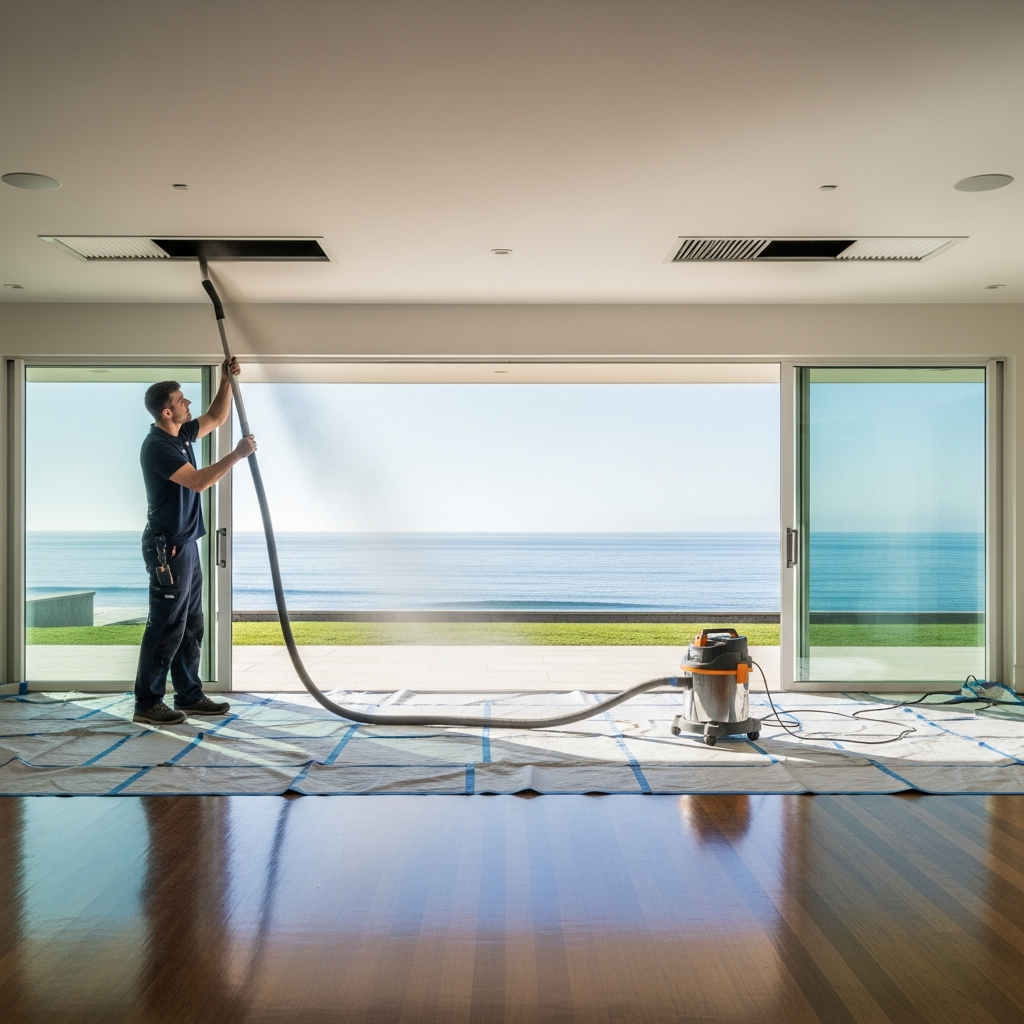
Malibu living means sea breezes, canyon winds, and a lifestyle shaped by the coast. Those same coastal forces that make our climate so appealing also influence the health of your HVAC system and, ultimately, the investment you make in having the ducts professionally cleaned. When people ask me to explain air duct cleaning cost in Malibu, I start by reframing the question around scope, conditions, and outcomes rather than a single number on a page. The homes here vary widely, from beachfront cottages to expansive hillside estates. Each layout, each microclimate, and each family’s habits create a unique profile for the work. Understanding these variables helps you plan wisely, set realistic expectations, and prioritize what matters most. If you are just beginning your research, it helps to explore the fundamentals of air duct cleaning so you can interpret proposals with confidence and ask the right questions for your home.
In Malibu, environmental conditions strongly influence what technicians find in ductwork. Salt in ocean air can ride in on breezes, settle as a fine film, and cling to airborne particles that later collect inside returns and supply runs. After windy days in the canyons, we see accumulations of dust and plant matter, and in the aftermath of regional fires, soot and ash can infiltrate even well-sealed systems. The nature and density of this buildup changes the level of effort required to return ducts to a clean baseline. Heavier or more adherent contaminants often call for more thorough agitation and longer run times under negative pressure. That is why one home’s project may be more complex than another’s, even if the square footage is similar.
Home design is the next major driver. Many Malibu residences have unique architectural flourishes: soaring ceilings, split-level footprints, additions that connected two eras of construction, or mechanical rooms tucked behind artistic paneling. Each of these features changes how a crew sets up containment, gains access, and moves equipment through the home. A straight, accessible trunk line in a modern mechanical closet is one story; hidden chases winding through a remodel, another entirely. Long runs, multiple floors, and tight attic crawlways may require specialized ladders, platforming, and extended setup to protect finishes. All of that influences the duration and depth of the work, which is why an in-person evaluation is so valuable prior to scheduling the cleaning.
The age and condition of the HVAC system matter as well. Older ductwork can include kinks, patched transitions, or outdated materials that require a careful touch and additional protection to prevent damage. Newer systems with higher-efficiency filtration may have less debris overall but still harbor localized buildups in returns or at supply boots. If the air handler, evaporator coil, and blower components have visible dust or biofilm, a reputable provider will discuss whether adjunct cleaning might be appropriate to ensure the duct cleaning does not simply push contaminants into a dirty mechanical core. The conversation here is about sequence and completeness, not about selling extras, because the best outcome is a system that remains clean longer after the work is done.
Another factor that shapes the scope is accessibility within the living space. Some Malibu homes rely on crawlspaces with limited headroom or attics with narrow entry points. Others have ducts routed through sealed soffits or architectural features that limit direct access. When access is limited, technicians may rely on smaller agitation tools, more access openings, and longer setup to preserve finishes and maintain proper vacuum capture. That attention to detail protects your home and helps ensure all sections of ductwork are addressed, not just the easy-to-reach segments. Accessibility challenges are manageable, but they do influence how the project is planned and how thorough the cleaning can be in a single visit.
Timing and seasonality also play a quiet role in Malibu. After windy autumn days or during stretches when marine layers keep homes closed, occupants notice dust, odors, or allergy symptoms more readily. Those are popular windows for booking work, and that means more neighbors seeking attention at once. While you should always schedule when it makes sense for your household, planning ahead can make logistics smoother. Preparation inside the home—like clearing the path to returns, moving delicate items, and making parking accessible on sloped driveways—helps crews start strong and stay efficient. With traffic on the PCH and neighborhood parking rules, a little planning goes a long way toward a well-orchestrated service visit.
Perhaps the most misunderstood part of the conversation is how a professional builds a proposal. A thorough provider will inspect the system, ask questions about past renovations and filter changes, and evaluate both supply and return sides. They will note visible contamination, discuss any odor or moisture concerns, and explain the method they will use to dislodge and capture debris under continuous negative pressure. Claims that promise a flat rate without first seeing the system may skip important nuances. In Malibu, the difference between a straightforward single-system residence and a multi-zone compound with complex ducting is substantial. A clear proposal should define what areas will be included, how access will be created and sealed, and what you can expect as a homeowner before, during, and after the work.
Quality standards matter in this process, and so does transparency. The method should emphasize source removal—agitating deposits and transporting them to a containment unit outside the living space—while protecting components and sealing access points upon completion. Duct cleaning is not about fragrance or cosmetic dusting; it is about restoring the interior of the distribution system to a clean condition so it can transport conditioned air efficiently and hygienically. When technicians describe tool choices, from soft-bristled whips to contact brushes, they should connect those tools to the materials present in your ducts, whether that is metal, flex, or ductboard. Honest dialogue about what can be achieved in a day, what may require follow-up, and how the results will be documented with photos builds trust and helps you weigh value across competing proposals.
Malibu’s microclimates influence indoor air quality beyond just dust. Coastal moisture can encourage microbial growth in dark, insulated spaces if filtration, ventilation, and temperature control are not well-balanced. While duct cleaning is not a cure-all for humidity-related issues, it can be an important reset when combined with good filtration and sensible runtime strategies. After the cleaning, changing filters on schedule, sealing any significant duct leaks, and keeping supply and return registers clear of rugs and furniture help preserve results. When clients ask me when to schedule the next cleaning, I suggest basing the decision on changes in household conditions—like shedding from new pets, nearby construction, or a season of heavy winds—rather than a fixed calendar date.
For homeowners comparing options, it helps to tie the conversation back to desired outcomes. Are you seeking relief from dust settling on surfaces too quickly? Do you want to address a persistent, stale odor after a renovation? Are you preparing a property for sale and want to show it in its best condition? Aligning expectations with the service plan keeps efforts focused. As you evaluate proposals for air duct cleaning, listen for clarity about containment, agitation, negative pressure, and post-cleaning verification. These elements distinguish a thorough, source-removal approach from superficial work that may leave deposits undisturbed deeper in the system. The investment you make should return a system that stays cleaner longer and a living environment that feels fresher and more comfortable.
Transparency continues during the day of service. A conscientious crew will protect floors and finishes, stage containment thoughtfully, and communicate as they progress from return to supply. They will adapt tool selection to duct materials, avoid aggressive contact on delicate flex, and use camera inspections where appropriate to confirm results. If the blower or coil requires attention, they will explain whether addressing those components during the same visit makes sense or if a separate maintenance step is warranted. At the end of the work, expect a walk-through that shows access points sealed, registers reinstalled carefully, and the home left clean.
For many Malibu families, what matters most is breathing easier and feeling confident about the air flowing through their homes. While the word “cost” looms large in early research, the more practical lens is fit and effectiveness. A project tailored to your home’s layout, your neighborhood’s conditions, and your comfort goals yields a result you can feel right away. After years of helping clients across Serra Retreat, Point Dume, and the Colony, I have seen that the best outcomes come from thoughtful planning, clear communication, and patient, methodical workmanship that respects both the system and the space it serves.
Frequently Asked Questions
How often should Malibu homeowners schedule duct cleaning?
There is no single timetable that suits every home in Malibu. Instead, consider your specific conditions: nearby construction, wildfire seasons, shedding pets, and how often doors and windows are kept open to enjoy the ocean air. Many homeowners reassess after events that introduce unusual debris, like a renovation or a period of high winds. Visual checks at registers and awareness of dust accumulation patterns can guide your decision better than a rigid calendar.
Will duct cleaning help with allergies or respiratory irritation?
While duct cleaning is not a medical solution, it can reduce the recirculation of dust, dander, and soot that aggravate sensitive occupants. In coastal Malibu areas where doors are frequently open, airborne particles can accumulate faster than in tightly sealed inland homes. When combined with appropriate filtration and regular filter changes, a thorough cleaning may contribute to a noticeable improvement in comfort for allergy-prone residents.
Is the process messy or disruptive to daily life?
Professionals stage the work to contain dust and protect finishes. Registers are carefully removed, access points are sealed after use, and equipment is routed to minimize impact on pathways and furnishings. Expect some temporary noise from vacuums and agitation tools, but crews should coordinate with you on timing, pet management, and room access so that daily routines can continue as smoothly as possible during the visit.
How long does a typical cleaning take?
Duration depends on system complexity, accessibility, and the level of buildup found during inspection. Some homes with straightforward layouts can be addressed in a single, carefully planned visit, while larger or more intricate systems may require additional time to achieve complete source removal. A trustworthy provider will outline the expected schedule in advance and keep you posted as the work progresses.
Does duct cleaning eliminate odors?
Cleaning can remove the dust and films that harbor odors, which is especially helpful after cooking fumes, smoke exposure, or a remodel that introduced new materials. If a persistent odor originates from moisture issues or components like a dirty coil, your provider may discuss additional steps to address those sources so the freshness you notice after cleaning lasts.
What about homes affected by wildfire smoke?
Post-fire conditions require careful evaluation. Soot and ash can be fine enough to evade standard filters and settle deep in returns and trunks. A methodical, sealed containment setup with continuous negative pressure is essential to capture these particles rather than redistributing them. After such events, homeowners should also review filter strategies and runtime practices to support long-term indoor air quality.
Do newly remodeled homes need cleaning?
Renovation dust is notorious for migrating beyond work areas. Even conscientious contractors may release fine particulates that settle into returns and ducts. If you have completed a remodel—especially one involving sanding or cutting—an inspection can determine whether a post-project cleaning makes sense to reset the system and protect new finishes from rapid dusting.
How can I help the process go smoothly?
Before your appointment, ensure clear access to returns, secure fragile items, and discuss parking or gate codes with your provider. During the visit, keep pets safe and communicate any room-by-room considerations. Afterward, follow filter change guidance and maintain good housekeeping at registers. These simple steps help preserve the results you invested in and keep the system clean longer.
Ready to move forward?
If you are weighing the right moment to act, trust the signs your home is giving you—settling dust, stubborn odors, or simply the desire to start fresh before a new season. Schedule a conversation with a qualified local provider and ask for a clear plan that fits your space. When you are ready to take the next step, book your Malibu air duct cleaning with confidence and enjoy the difference a thoughtful, thorough service can make.