
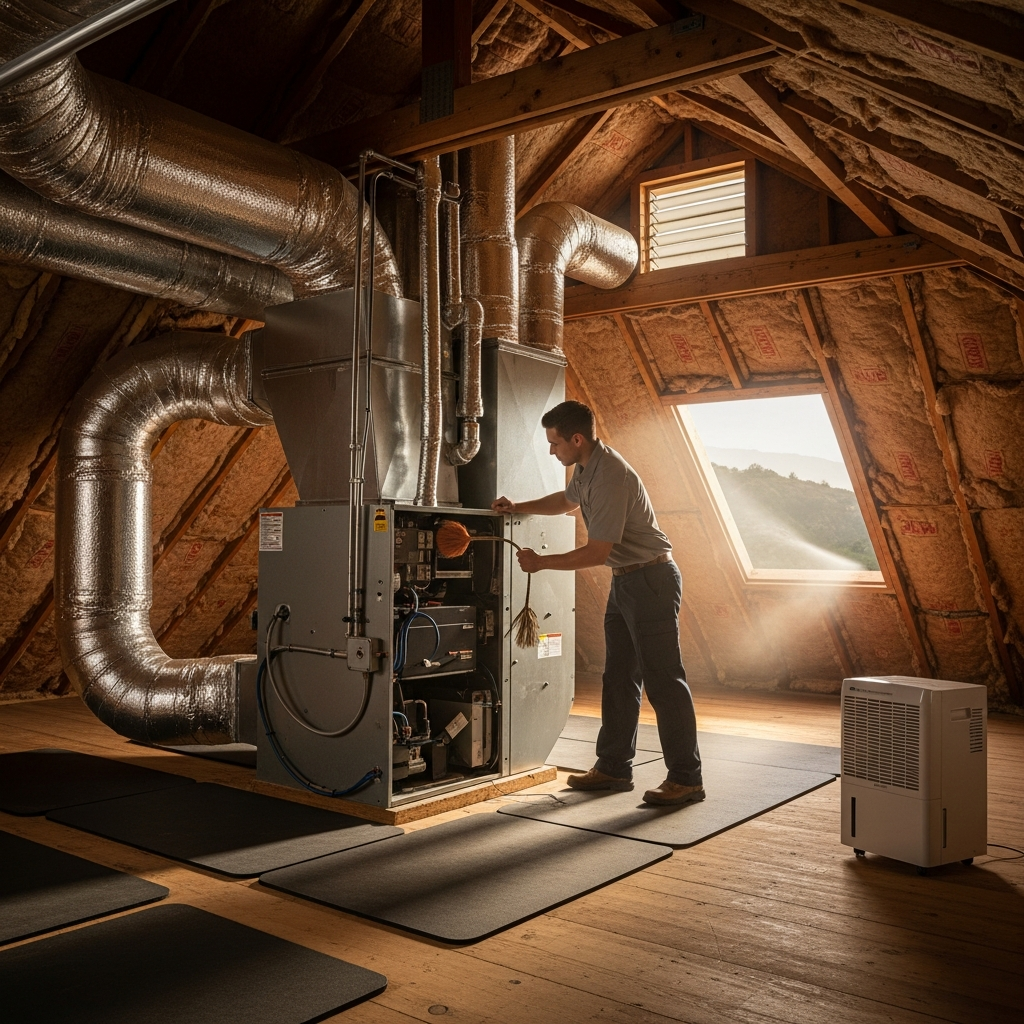
For Malibu homeowners, indoor air quality is an everyday luxury—just like the ocean views and hillside sunsets many of us enjoy. Residential air duct cleaning plays a quiet but essential role in maintaining that comfort, and understanding how professionals plan and deliver the work helps you set expectations wisely. Conversations about cost often begin with a single question and end with a deeper appreciation for the many variables present in our coastal community. Salt-laden breezes, canyon dust, and seasonal wildfire smoke leave different fingerprints in each home’s ductwork, which is why two houses of similar size can require very different approaches. If you are beginning your planning, reviewing the basics of air duct cleaning will equip you to compare proposals, ask informed questions, and schedule with confidence.
Residential systems in Malibu range from compact single-zone setups in beach cottages to multi-system estates spread across several levels. The design and location of the air handler, the type of duct materials, and the layout of returns and supplies shape the project from the outset. A system with straight, accessible trunk lines and generous attic space invites a more streamlined workflow than one with hidden chases and tight crawlspaces. Every bend and junction affects tool access and the way debris moves under negative pressure. The aim is always the same: complete source removal without compromising finishes or components. But the route to get there is defined by your home’s blueprint.
Another essential consideration is what has been happening in and around the home. Families who keep windows open to savor the marine layer invite fine salt and moisture-laden particles that can cling to dust inside ducts. If your household has pets, you may notice a felt-like matting that forms where hair and dander settle in returns. Renovations—especially sanding, cutting, and drywall work—release ultra-fine particulates that drift far beyond the project room. And during heightened wind events, the canyons can funnel grit and pollen toward the coast. Each of these conditions influences how technicians stage containment, which agitation tools they select, and how long they maintain negative pressure to capture dislodged material safely.
Because Malibu homes are often custom, accessibility can be as influential as square footage in shaping the work. Some air handlers are perched in tight attic corners or behind finished cabinetry, which calls for careful protection of surfaces and thoughtful routing of hoses to avoid scuffs or snags. Where duct runs traverse narrow joist spaces or are packed around structural features, technicians may add more access points to ensure every section is treated. This attention to access is not a detour from the mission—it is how thoroughness is achieved without compromising the integrity of materials like flex duct or ductboard, which respond best to gentler, well-controlled agitation.
It is helpful to recognize the rhythm of a well-executed cleaning day. Crews arrive and walk the home with you, reviewing registers, returns, and the air handler. Protective coverings go down where needed, and containment is established to isolate the work area. The vacuum system is connected to create continuous negative pressure, and agitation begins, starting at the farthest runs and working back to the trunk and return side. The goal is to move material in a controlled path toward capture equipment staged outside, not to dislodge debris in a way that allows it to circulate back into rooms. When all sections are addressed, access points are sealed, registers are reinstalled, and a final pass confirms cleanliness and proper operation.
Homeowners also ask about adjunct services, and the answer comes down to conditions observed and desired results. If the blower fan or evaporator coil is visibly soiled, addressing those components can prevent freshly cleaned ducts from transporting air through a dirty core. Where odors persist, technicians may recommend inspecting condensate pans and drains for stagnation. None of these steps are about add-ons for their own sake; they are part of a complete picture that keeps the distribution pathway clean longer and supports energy-efficient operation. The conversation should always be transparent, with clear reasoning tied to what the team sees and what you hope to achieve in your living spaces.
Because this discussion revolves around value rather than a single line item, homeowners often benefit from preparing the space to make the most of the crew’s time. Clearing furniture away from returns, making attic and crawlspace entries accessible, and arranging driveway parking on sloped or narrow lots are simple steps that pay dividends in a smoother workflow. Malibu’s terrain and the realities of Pacific Coast Highway traffic can complicate logistics; a bit of preparation helps ensure the day is spent cleaning, not staging.
From a results standpoint, the difference after a well-planned cleaning can be felt in subtler ways than a dramatic before-and-after photo. Many families report that surfaces stay cleaner longer, that air feels fresher upon entry, and that seasonal sniffles and irritation seem less intense. If you light candles or enjoy aromatic cooking, the indoor environment may lose that lingering, stale undertone. None of this is magic. It is the practical outcome of removing the reservoir of dust and films that feed odors and redeposit on surfaces, and then maintaining the system with timely filter changes and mindful ventilation after the service is complete.
When evaluating providers, homeowners should listen for explanations that tie methods to materials. Metal ducts can tolerate certain contact brushing that soft ductboard or flex duct should not. A respectful approach accounts for those differences, using gentle whips and controlled air sweeping where appropriate and avoiding over-aggressive tactics that risk scuffing or tearing. Malibu’s architectural diversity rewards patience and skill in tool selection, and a company that can articulate those choices is more likely to deliver both cleanliness and preservation of your system’s lifespan.
There is also the question of timing. Some clients prefer to schedule cleaning before summer, heading into heavier cooling loads with a reset system. Others favor post-wind-season visits, once the dust has settled. If your family is managing allergies or just finished a remodel, earlier attention may make sense. The guiding principle is to align the service with your home’s rhythms. Pairing a thorough cleaning with a plan for consistent filtration and careful housekeeping at registers will keep the benefits noticeable for longer.
As you compare Malibu-specific offerings for air duct cleaning, ask for clarity in three areas: containment and negative pressure setup, the agitation techniques planned for your specific duct materials, and how results will be verified. Photo documentation and a patient walk-through at the end help translate a behind-the-scenes process into visible peace of mind. A provider that invites your questions, respects your schedule, and communicates openly tends to deliver the kind of outcome that feels like an upgrade to daily life, not just a line item on a to-do list.
It is worth remembering that post-service habits influence how long your ducts stay clean. Keep supply and return paths clear, change filters on time, and consider runtime habits that balance comfort with ventilation. If your home experiences a significant event—like construction nearby or a stretch of smoky air—trust your senses. If dust returns to surfaces quickly or a persistent odor appears, it may be time to reassess rather than wait for an arbitrary calendar reminder.
Frequently Asked Questions
How do I know if my Malibu home needs duct cleaning?
Look and listen to your home’s signals. If dust reappears on surfaces quickly after cleaning, if registers show visible buildup, or if there is a persistent odor when the system runs, an inspection can confirm whether cleaning is warranted. Renovations, wildfire smoke, and new pets can all accelerate the need for attention.
Will cleaning damage delicate duct materials?
When technicians match tools to materials—gentle whips and soft brushes for flex and ductboard, controlled contact for metal—cleaning restores cleanliness without harm. The key is a thoughtful plan that avoids aggressive tactics on sensitive runs and uses continuous negative pressure to capture debris as it is dislodged.
How long does a residential cleaning take?
Time varies with access, layout, and the level of buildup. A straightforward single-system home can often be addressed in one well-organized visit, while multi-system residences or those with complex chases may require more time. Your provider should outline expectations after an on-site review and update you during the process.
Is duct cleaning helpful after a remodel?
Yes. Construction dust disperses widely and can settle deep in returns and trunk lines. A post-project cleaning resets the system so new finishes do not collect that fine residue, and it can help reduce persistent, powdery smells associated with sanding and cutting.
Will I notice immediate changes in my home?
Many homeowners describe air that feels fresher and surfaces that stay cleaner between dustings. Odors often diminish as films are removed. While the change is not always dramatic, it is tangible, especially when combined with a sensible filtration and maintenance plan after the service.
What should I do to prepare?
Clear pathways to returns and the air handler, move fragile items, and coordinate parking or gate access. Pets should be secured during the visit, and any homeowner concerns—such as sensitive finishes or areas to avoid—should be discussed during the initial walk-through.
Does cleaning ducts improve energy efficiency?
Removing obstructions and built-up debris can help air move more freely through the distribution network, which supports efficient operation. Coupled with good filtration and sealed access points, the system does not have to work as hard to deliver comfort to each room.
How often should I plan follow-up cleanings?
Rather than committing to a rigid schedule, reassess based on changes in household conditions, local weather events, and how your home feels day to day. Malibu’s coastal environment and canyon winds are dynamic; allow your maintenance plan to be responsive as well.
Take the next step
When home begins to feel a little less fresh than you remember, it may be time for a reset. Speak with a local professional who understands Malibu’s unique conditions and can outline a clear, respectful plan for your space. When you are ready to act, schedule your Malibu air duct cleaning and enjoy the comfort that comes from a thoughtfully cleaned system.