
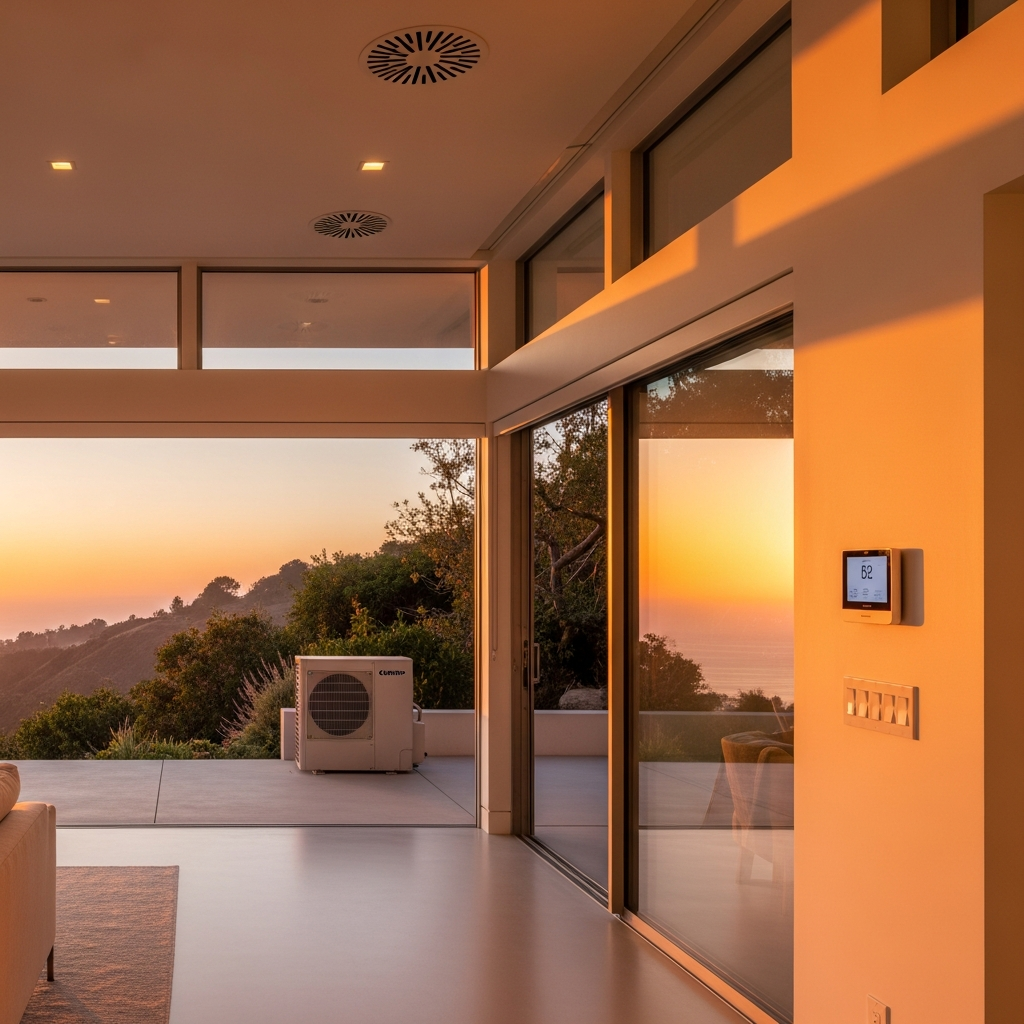
Ask any long-time Malibu resident, and they’ll tell you our weather has a personality all its own. Misty mornings roll in with the marine layer, afternoons can warm up quickly, and Santa Ana winds sometimes arrive with bone-dry heat that lingers into the evening. That dance of temperatures and humidity—not to mention wildfire smoke days—makes a reliable, well-designed air conditioning installation more than a luxury. It’s a practical investment in health, daily rhythm, and the peaceful enjoyment of your home.
Over the last decade, climate patterns have amplified the need. Heat waves push deeper into spring and fall, and even near the beach, we see more days where indoor spaces benefit from steady, efficient cooling rather than opening windows and waiting for an ocean breeze. When cooling is thoughtfully planned and installed, it creates an interior sanctuary that supports better sleep, clearer thinking, and calmer afternoons—even when the weather is moody or extreme.
From Microclimates to Floor Plans: Malibu’s Unique Demands
Malibu is a city of microclimates. A home on Carbon Beach can feel wildly different from a home in Corral Canyon or up Latigo, even on the same day. Add in architecture—vaulted ceilings that trap heat, glass walls that invite afternoon sun, and guest houses that sit apart from the main structure—and you’ve got a recipe that demands a tailored approach. Proper load calculations, zoning, and duct strategies turn that complexity into comfort. The goal is to ensure the great room doesn’t overheat right when you want to unwind and that bedrooms stay serene during the night, even if afternoon warmth lingers after sunset.
The installation itself is where these goals come to life. Details like supply register placement, return sizing, and quiet airflow pathways aren’t glamorous, but they are the tools that allow a system to cool evenly without drafts or noise. A well-executed plan blends into your home’s aesthetics and routines, preserving views, respecting the architecture, and avoiding the common pitfalls we see when projects move too fast or rely on guesswork.
Health, Air Quality, and Smoke Events
In a region where wildfire smoke can arrive from dozens of miles away, the ability to filter indoor air is essential. A quality installation acts as the chassis for meaningful filtration—sometimes as simple as using the highest-rated filter the equipment can handle, sometimes with upgrades that accommodate deeper filters and better seals. On smoky days, keeping windows closed while the system filters the air becomes a protective measure for lungs and peace of mind. Even when there’s no smoke, Malibu’s pollen cycles, dusty canyon winds, and fine salt crystals drifting ashore mean that filtration and tight ductwork have daily value.
Humidity management is a health factor, too. The marine layer can leave indoor spaces damp, which is uncomfortable for people and unfriendly to wood finishes. Good systems remove this subtle dampness efficiently, preventing that lingering, heavy feel, and protecting flooring, cabinetry, and built-ins from swelling or warping.
Efficiency and California’s Energy Landscape
California’s energy codes and incentives have guided the market toward profoundly efficient equipment. Variable-speed compressors, smart fan controls, and precise thermostats let systems sip energy while maintaining steady comfort. This matters not only for monthly usage but for how well your home cooperates with Time-of-Use schedules and any solar generation you might have. Pre-cooling while the sun is high and then coasting through the evening is a strategy that aligns perfectly with modern HVAC capabilities.
Of course, efficiency only shows up when installation quality backs it. That means sealed ducts, balanced static pressure, correct refrigerant charge, and careful commissioning. Skipping those steps is like buying a high-performance car and never inflating the tires properly—you own the capability, but you don’t experience it.
Quiet Operation and Malibu’s Peaceful Evenings
We prize quiet in our neighborhoods. Modern inverter-driven units help tremendously; they ramp up gently, run at lower speeds for longer periods, and sound more like a low murmur than an on-off roar. Placement is part of the equation, especially on tight lots or where neighbors are nearby. A thoughtful installation respects view corridors, avoids reflective noise from hard walls, and uses vibration isolation so nighttime operation is almost unnoticeable. Indoors, the right return sizing and smooth duct transitions prevent the whoosh and rattle that older systems often produced.
Resilience During Heat Waves and Grid Events
When the forecast calls for a stretch of triple-digit inland highs with warm breezes at the coast, having dependable cooling becomes a safety measure, not just a comfort perk. A modern system—especially a heat pump that can also provide efficient heating—gives you control no matter what the day brings. Many homeowners adopt resilient habits like pre-cooling and closing shades at peak hours. With a well-commissioned system, these strategies work quietly in the background, keeping living spaces stable and restful through the hottest hours.
We also consider electrical quality and protection. Malibu’s topography and distance from dense urban infrastructure mean occasional power fluctuations. Surge protection, clean wiring, and smart start-up sequences help protect your investment and reduce stress on the system after brief outages.
Permits, Coastal Considerations, and Doing It Right
Good work thrives under scrutiny. Permits and inspections are part of our rhythm, and in Malibu, certain exterior placements may also require careful planning due to coastal regulations or neighborhood rules. Far from being obstacles, these steps align the project with safety, aesthetics, and long-term value. Documentation of duct sealing, airflow testing, and equipment controls provides a record you’ll appreciate down the line, especially during remodels or when selling a home where buyers expect performance and professionalism.
Installation is where equipment meets craftsmanship. In homes with stucco exteriors, we route lines thoughtfully to maintain the integrity of the finish. In hillside properties, we secure condenser pads for stability and proper drainage, making sure winter rains don’t turn the site into a splash zone. We insulate refrigerant lines with UV-resistant materials, protect penetrations, and ensure condensate drains are safe and quiet, often adding float switches to guard against attic leaks. These are local best practices refined over hundreds of Malibu projects.
Why Now, and Why It’s Worth It
Heat waves are becoming more common, and the days when a coastal breeze could reliably cool the house have become less predictable. Add to that the mental ease of clean, filtered indoor air on days when smoke drifts in, and you start to understand why a well-executed installation is crucial. The shift toward high-efficiency heat pumps also means you’re future-proofing—equipping your home with technology that meets current standards and will age gracefully as codes and energy programs evolve.
From a lifestyle perspective, the value shows up in small moments. Waking to a bedroom that’s the right temperature even after a muggy night. Returning from a mid-day errand to find the living room calm and fresh despite the afternoon heat. Hosting friends for dinner without worrying the great room will become stuffy as the sun sets. These are the experiences a meticulous air conditioning installation makes possible.
Frequently Asked Questions
Is cooling still necessary this close to the ocean?
Yes. While ocean breezes help, Malibu’s microclimates and heat waves make consistent indoor comfort hard to achieve with open windows alone. A right-sized, efficient system brings predictability, controls humidity, and filters the air, creating a healthier and more comfortable environment throughout the year.
Will a new system impact the look of my home?
Not if it’s designed carefully. We plan equipment placement to preserve views, route lines discreetly, and use finishes that respect existing architecture. Indoors, register selection and return placement keep the system unobtrusive. The goal is for comfort to be felt, not seen.
How does installation quality affect efficiency?
It’s crucial. Efficiency ratings assume proper duct sealing, airflow, and refrigerant charge. If those aren’t dialed in, real-world performance drops. Commissioning and testing verify that your system meets its potential, which translates to steadier comfort and lower energy use.
Are heat pumps reliable for both cooling and heating here?
They are a great fit for Malibu’s mild winters and warm summers. Inverter heat pumps deliver smooth, quiet operation and efficient performance year-round. You’ll enjoy precise cooling in summer and gentle heat on cool mornings without relying on separate systems.
What about noise and neighbor concerns?
Modern systems are far quieter than older units, and careful placement avoids sound reflecting off walls or windows. Indoors, correct duct sizing and vibration isolation keep operation subtle. We plan with your home’s acoustics and neighborhood in mind.
If you’re ready to make your home a calm refuge in every season, let’s talk about a plan that respects your architecture, microclimate, and daily rhythm. We’ll map out a smart, code-aligned path to dependable comfort. Start the conversation today and explore the best options for air conditioning installation that suits Malibu living, so your spaces feel as inviting as the coastline just outside your door.