
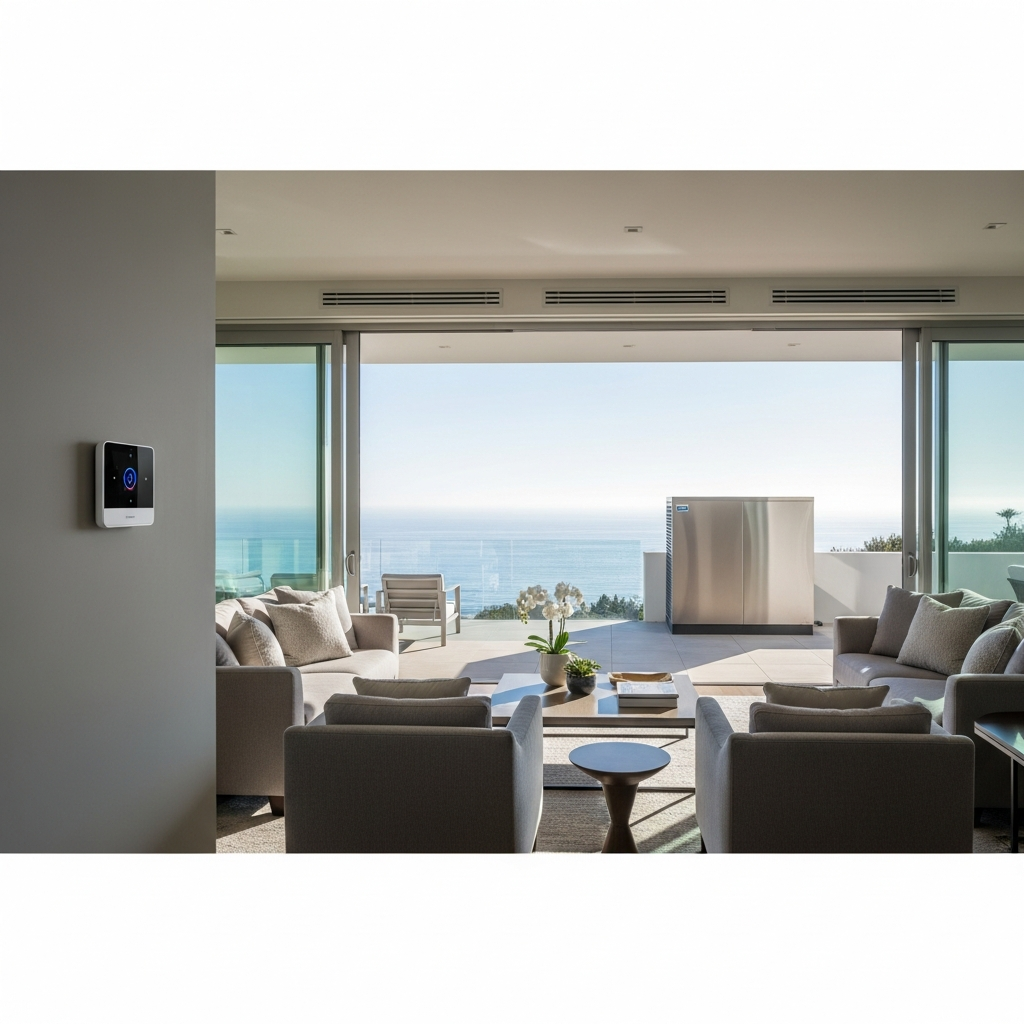
Living in Malibu means getting to know the rhythm of the ocean and the way our weather can swing from a cool, foggy morning to a sun-soaked afternoon and back to a breezy, salt-scented evening. As a local HVAC professional who spends most days in homes from Point Dume to the Serra Retreat, I’ve seen how thoughtfully planned air conditioning installation transforms daily life here. It’s not just about making the house colder; it’s about tailoring comfort to Malibu’s microclimates, respecting our coastal environment, protecting your home from salt air, and creating an indoor haven that supports a healthy, relaxed lifestyle year-round.
When neighbors talk about comfort, they often mean the ability to set a temperature and forget about it. But in Malibu, comfort also means balancing the marine layer’s clammy mornings with afternoons that can push deep into the 80s or beyond during a heat wave, sometimes followed by Santa Ana winds that bring a warm, dry intensity. A carefully designed system buffers you from those swings, smoothing out hot and cold spots, managing humidity on foggy days, and giving you calm, quiet spaces to rest and recharge.
Comfort Tailored to Malibu’s Microclimates
We have hillside canyons, beachfront homes, and inland ridgelines, all within a short drive, and each pocket behaves a little differently. Beach cottages can feel chilly and damp in the mornings, even in summer, while homes up Encinal Canyon might be sun-baked by afternoon. An installation that starts with precise load calculations and airflow planning can target these realities, ensuring bedrooms stay restful at night and common areas don’t overheat in the late afternoon. Zoning strategies, often with inverter-driven heat pumps, allow you to set different temperatures for upstairs and downstairs or for a glassy great room that soaks up sun versus a shaded office tucked under a deck.
Another local nuance is coastal condensation and the way fog can make indoor spaces feel clammy. While Malibu doesn’t have the deep, sticky humidity of the Gulf Coast, there are days when the marine layer lingers. A right-sized system with good latent removal—essentially strong dehumidification—keeps linens crisp, prevents that heavy, damp feeling, and helps protect hardwood floors and custom finishes that we see in so many Malibu homes.
Energy Efficiency That Syncs With California’s Grid
Comfort is only half the story. Modern systems in our area are built to be remarkably efficient thanks to variable-speed compressors, smart fans, and tight ductwork verified through performance testing. These features reduce energy use, which matters not just for bills but for living well within California’s energy and climate goals. With Time-of-Use electricity rates and our abundant sunshine, many homeowners coordinate their cooling schedules with solar generation, keeping the house cool when the panels are most productive and letting the system glide in efficient, low-power modes at night. A precise air conditioning installation helps you tap into those efficiencies by pairing the right equipment with airtight ducts, balanced registers, and a well-placed smart thermostat that learns your patterns and avoids waste.
Title 24 energy standards guide much of this work, and Malibu homeowners benefit from the discipline those codes require. Proper duct sealing, airflow balancing, and verified refrigerant charge can seem like technicalities, yet they are exactly what make the difference between a system that casually cools and one that performs like a finely tuned instrument.
Indoor Air Quality and Wildfire Readiness
Another reality of Malibu life is wildfire season, even if fires are many miles away. Smoke and particulate matter can ride the winds and drift down canyons, and on those days the difference between a basic setup and a system optimized for air quality is striking. Filtration upgrades—often MERV 11 to MERV 13, where the equipment allows—and carefully sealed return paths help you keep particulates out. Many homeowners also integrate additional air quality strategies, such as dedicated fresh air intakes with filtration or energy recovery where appropriate, to keep indoor air feeling clean without inviting the marine layer’s dampness in.
Even on ordinary days, dust from trails, pollen from hillside blooms, and salt crystals that travel on the breeze can sneak indoors. A well-planned installation accounts for filter accessibility, encourages regular filter changes, and places returns where they pull air evenly without creating noise, drafts, or dust streaks on walls.
Built for the Coast: Materials and Longevity
Salt air is beautiful, and it is also relentless. Outdoor condensers near the beach need corrosion-resistant coatings, stainless hardware where feasible, and clearances that let sea breezes move around the unit without trapping salty mist in landscaping. I’ve seen the difference this makes over time: coils that stay bright and clean, cabinets that don’t pit, and service panels that open easily when you need them. Simple choices like keeping irrigation away from the condenser and rinsing it gently during high-salt periods can extend life. During installation, routing and protecting the refrigerant lines, using UV-resistant insulation, and securing the base for seismic stability are small details that pay dividends year after year.
Noise is part of longevity too. Many of our neighborhoods cherish quiet evenings, and Malibu’s sound ordinances are there to protect that. Today’s systems make it easier to meet those expectations with variable-speed fans and compressors that ramp softly. Strategic placement—sometimes with modest sound-attenuating fencing—preserves both views and tranquility. Indoors, properly sized returns and supply registers reduce whoosh and rattle, so late-night cycling doesn’t interrupt sleep.
Design That Respects Architecture and Space
Between vintage beach bungalows, modernist cliffside homes, and renovated ranch properties, Malibu architecture is rich and varied. Thoughtful design respects that, tucking equipment out of sight lines and routing linesets in ways that keep stucco pristine and eaves uncluttered. In some parts of Malibu, especially closer to the shoreline, exterior work may fall within the Coastal Zone and require coordination to protect views and minimize impact. A careful installation anticipates these considerations, collaborates with designers and builders when needed, and keeps documentation tidy for any permitting and inspections.
Inside, the right registers and grilles complement interiors rather than distract. We think about balancing airflow so you don’t feel a draft sitting on your sofa or have a guest room that’s perpetually warmer than the rest of the house. These are the soft benefits of a good installation, but they’re the ones you notice every single day.
Smart Controls and Everyday Ease
Today’s Malibu homeowner often pairs cooling with smart controls that do more than set schedules. Geofencing can pre-cool the home when you’re driving up the coast. Learning algorithms adapt to the way your home retains heat, dialing back the system before sunset when canyon breezes kick in. Connected thermostats can also coordinate with heat pumps used for both heating and cooling, bringing a year-round simplicity that cuts down on the mental load of managing comfort.
When installed correctly, these systems feel almost invisible. You don’t hear them, you don’t fiddle with them; you simply come home to a space that feels right. That’s the promise of a disciplined installation process and well-matched equipment working together.
Value, Resilience, and Future-Proofing
There’s a practical, long-view benefit to a strong installation: it integrates seamlessly with our region’s shift toward efficient, lower-carbon living. Heat pump systems have become the quiet hero of Malibu comfort, providing both cooling and efficient heating on cool mornings, while staying ready for the rare winter cold snap. With the refrigerant landscape evolving and advanced efficiency ratings like SEER2 and HSPF2, choosing equipment and installation practices that meet current standards ensures your system won’t feel outdated as policies continue to advance.
Resilience matters, too. Grid events and public safety power shutoffs have become part of our seasonal vocabulary. While an air conditioner can’t run through an outage without backup power, a properly installed system with surge protection, clean electrical work, and smart sequencing starts up more gently and withstands stress better over time. Pair that with habit-based strategies like pre-cooling before expected peak events and your home remains more comfortable through disruptions.
The Installation Experience Matters
Behind all these benefits is a process that begins with careful measurement and ends with verification. We calculate loads room by room, specify ducts that deliver those loads quietly, and test static pressure and airflow after installation to confirm results. We also check refrigerant charge and system controls, and we make sure the condensate drains safely and quietly, with float switches to protect ceilings in homes where air handlers are in attics. These steps are how we bridge the gap between equipment specifications and lived experience.
Permitting and inspection may not be glamorous, but they keep Malibu’s homes safe and efficient. Aligning with California codes and local requirements ensures your project is recorded properly and that the work will pass future scrutiny during remodels or sales. For homeowners, that diligence translates into confidence, knowing your comfort system sits on a foundation of quality and compliance.
Frequently Asked Questions
How does Malibu’s marine layer affect air conditioning performance?
The marine layer brings cooler, moist air that can make mornings feel clammy. A well-chosen system with strong humidity control and variable speeds will remove just enough moisture to keep you comfortable without overcooling. Correct sizing and duct design are essential here; a system that’s too large may short-cycle, cool the air quickly, and leave it damp, while a right-sized system runs longer, more efficiently, and balances temperature and humidity.
Are heat pumps a good fit for Malibu homes?
Absolutely. Heat pumps excel in our climate, delivering efficient cooling in summer and gentle, economical heat during cooler months. Inverter-driven models adapt their output to match the home’s needs in real time, reducing noise and energy use. Combined with zoning and tight ductwork, they provide a smooth, even comfort that suits both beachfront bungalows and hillside homes.
What about salt air corrosion near the beach?
Salt air accelerates corrosion on outdoor equipment. We specify coastal-rated coils and protective coatings, use non-corrosive fasteners when possible, and recommend gentle rinsing of the outdoor unit during periods of heavy salt spray. Placement matters as well—keeping the condenser away from sprinklers and allowing airflow around it reduces salt accumulation and extends the life of the system.
How important is filtration for wildfire smoke?
High-quality filtration is crucial. When smoke events occur, a system with upgraded filters and well-sealed returns can meaningfully reduce indoor particulates. We often recommend filters in the MERV 11–13 range where the equipment supports the added resistance, paired with good duct sealing and proper fan settings. This combination helps maintain indoor air clarity during challenging days.
Will a new system be noisy?
Modern systems, especially inverter-driven units, are far quieter than older models. Proper installation further reduces sound by placing outdoor units thoughtfully, isolating vibration, sizing ducts correctly, and balancing airflow. The result is a system that fades into the background, preserving Malibu’s treasured quiet evenings and late-night calm.
Do I need permits for installation?
Yes. Malibu projects typically require permits and inspections to meet California codes and local standards. While it adds steps, the process protects you by ensuring safe electrical work, proper duct sealing, and verified performance. Good documentation will also help during future remodels, appraisals, or property sales.
If you’re weighing whether now is the right time, consider how often you’ve adjusted your day around the weather lately. Cool, foggy mornings; bright, hot afternoons; smoky days that send you inside—the right system connects those dots and restores ease. For tailored guidance and a calm, professional experience from start to finish, reach out to discuss air conditioning installation designed specifically for Malibu living. Your home can feel as effortless as a perfect Pacific breeze, and we’re here to help you make that a daily reality.