
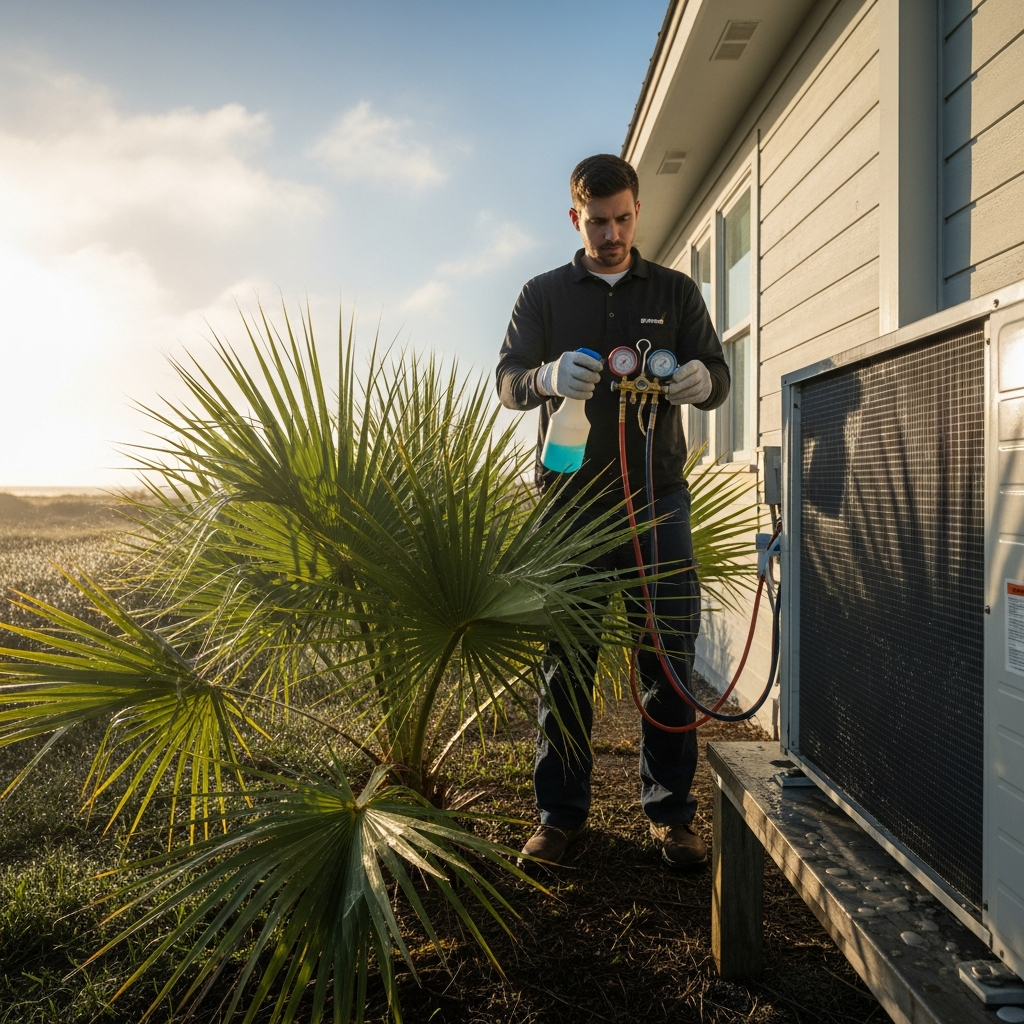
Spring in Malibu sneaks in softly—mornings with a silver marine layer, afternoons that turn sunlit and bright, then cool evenings that invite windows open just a little longer. That is the moment to wake your air conditioner gently, before the first real heat arrives and guest rooms fill for graduations and weekend getaways. A thoughtful spring ritual brings your system back from winter idling, clears away salt, pollen, and storm debris, and sets the tone for a peaceful, reliable warm season. Paired with a commitment to timely air maintenance, those rituals stitch comfort seamlessly into daily coastal life.
I like to begin outdoors, where winter rains and onshore breezes leave a calling card. Condenser coils gather a delicate film that you can feel more than see—a tackiness from salt and fine dust that dulls heat exchange. Trimming back the shrubs that crept closer in winter, clearing leaves and seed pods from the base, and giving the coil a careful rinse reset the equipment’s relationship with the season. This is not about blasting water; it is about gently restoring clean metal and open fins so the fan can move air with ease and the compressor does not labor on sunny afternoons.
Level footing matters. Over months of rain and shifting ground, pads can tilt. A condenser that sits just a few degrees off level can place extra stress on the fan motor and bearings, and in some cases lead to oil migration inside the compressor. During spring service, verifying the base and making small corrections pays for itself in the quiet way the unit starts and the even way it runs.
Electrical checks belong early in the season. Contactors that clicked faithfully all last year can show carbon tracking after months of salt-touched air. Capacitors weaken with time, which shows up as a fan that hesitates or a compressor that grumbles at startup. Catching those details now spares you the weekend outage when a surprise heatwave has every driveway hosting bicycles, surfboards, and extra cars.
Indoors, the evaporator coil and drainage take center stage. Spring is when the marine layer plays its daily game, and that moisture means your system dehumidifies even when the temperature is modest. A clear condensate line, a tested float switch where installed, and a pan free of last season’s algae prevent the kind of slow, sneaky overflow that reveals itself as a faint stain in July. I like to wet test the drain rather than simply look; watching water move beats hoping that it will.
Filters are the spring handshake between your home and the outdoors. Windows are open more, guest rooms get used, and pets spend longer shedding inside after winter naps. Check filters early, not just for dirt but for fit. Any bowing or gaps allow bypass dust to settle on the coil, inviting that musty startup odor and sluggish performance. A fresh, correctly sized filter sets airflow on the right path for the months ahead.
Thermostats appreciate spring attention, too. Sun angles shift, and a sensor that did fine in winter can be fooled by a bright patch of afternoon light or a draft near a frequently used sliding door. Confirm calibration, adjust schedules to match longer days, and, if you have remote sensors, relocate them to reflect the rooms you truly occupy in spring and summer.
Now is also the time to consider duct balance. A room that ran cool in winter may run warm in summer because the duct serving it traces a longer path through an attic that now bakes under sun. Small damper adjustments and a look for minor leaks set the stage for even temperatures across the house. If you have made changes—rearranged furniture, added a rug, swapped curtains—those details alter how air moves and settles; spring is the right moment to notice and adapt.
Wildlife and wind sometimes leave traces that deserve attention. I have found screens nudged loose by curious raccoons and small nests near warm equipment housings. A careful inspection and gentle eviction keeps both systems and small visitors safe. At the same time, wind-driven grit can collect beneath service panels. Cleaning those compartments avoids abrasion and moisture pockets that age components faster than they should.
By mid-spring, take your system for a short spin. Let it cool for ten to fifteen minutes, listen for the confident rise of the condenser fan, and feel the temperature slide down evenly from room to room. This test is less about immediate comfort and more about assurance—a confirmation that the work you did outdoors and in the mechanical closet has come together in smooth, easy operation.
Spring is also the season for small upgrades that improve the whole year. A surge protector at the condenser, a fresh set of UV-resistant wire ties, or corrosion-resistant fasteners may sound minor, but on the coast they add resilience. If you have been thinking about improving return air in a stubborn room or replacing a cranky thermostat, do it now while the stakes are low and schedules are flexible.
On the maintenance log, add notes you will recognize at a glance next year. Record filter size and date, coil condition, amperage readings, and any adjustments made to dampers or sensors. A year from now, those breadcrumbs will make spring wake-up feel familiar and fast, and over time they reveal patterns that guide smarter decisions about repairs or replacements.
Finally, take a minute to enjoy what spring offers. When the AC is ready, you can let the day decide whether windows stay open or you press the cool call for a moment of indoor clarity. Either way, the system stands by—quiet, tuned, and prepared to be invisible when you need it and forgettable when you do not.
Midseason, circle back briefly. Glance at the outdoor unit after a breezy week; a new ring of leaves or a fresh wave of pollen can blow in overnight. Peek at the return filter for any signs of sag or dust bypass. This is also a great moment to reaffirm your cadence of professional air maintenance so small drifts never become large detours when summer crowds arrive and calendars stretch thin.
In Malibu, spring maintenance is ultimately a conversation with place. We live beside a living ocean and along hills that change mood with wind and sun. Your air conditioner is a guest in that setting—most welcome when it behaves, instantly noticed when it doesn’t. By waking it gently, cleaning what winter touched, and checking the quiet details of power, water, and airflow, you respect both the climate and the comfort you want from it.
When should I schedule spring maintenance in Malibu?
Book it before the first forecasted heat wave and after the bulk of winter rains. Late March through May is ideal, leaving time for any small parts or follow-up tweaks before guests arrive and daily life speeds up.
Do I really need to run the AC in spring to test it?
Yes, a brief test gives you confidence and surfaces issues gently. A hesitant fan, a musty odor, or a slow drain show themselves best when loads are mild and schedules are flexible.
How important is coil cleaning near the ocean?
Very. Salt film and fine dust act like a blanket on the coil. Gentle, professional cleaning restores heat transfer, quiets operation, and extends the life of motors and compressors exposed to marine conditions.
What should I do with filters as windows open more in spring?
Check early and often. Open windows bring in pollen and fine grit that shorten filter life. Replace at the first signs of bowing or bypass to protect the evaporator coil and keep airflow strong.
How can I prevent spring leaks from the AC?
Clear and wet-test the condensate line, verify float switch function where installed, and keep the drain pan clean. Those simple steps prevent water surprises as humidity ebbs and flows with the marine layer.
Is now a good time to adjust duct balance?
Absolutely. Spring is the perfect season to nudge dampers, seal small leaks, and confirm returns are unobstructed, setting a level foundation before summer heat arrives.
Ready to set the tone for a smooth Malibu summer?
Make spring the season you recommit to professional air maintenance, clear the winter’s traces, and tune the quiet details that define comfort. A little care now yields months of calm, cool rooms and the easy confidence that your system will be there when the sun turns bold.