
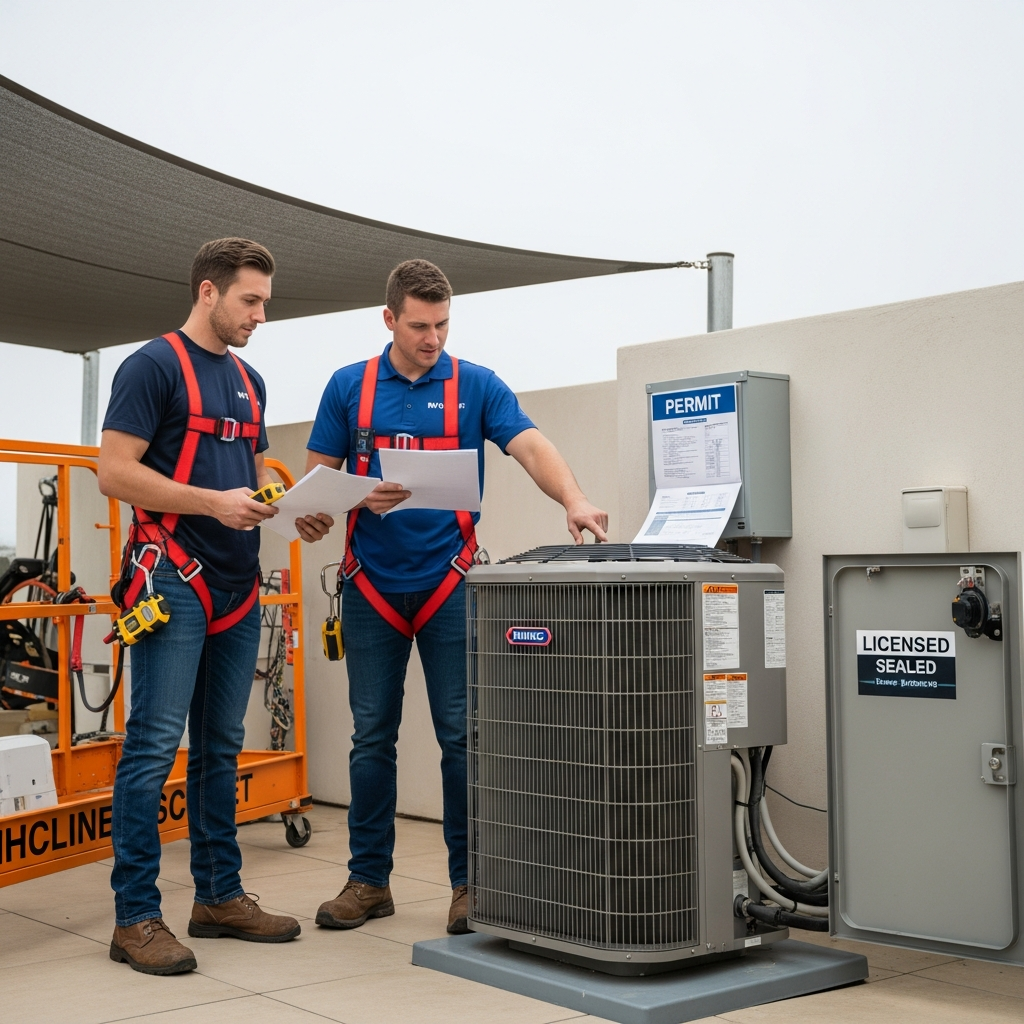
Finding the right partner for cooling your Malibu home starts well before a crew steps onto your property. The most reliable outcomes come from licensed, insured professionals who understand the city’s coastal microclimates, hillside access constraints, and code requirements. I have watched great projects flourish because a company asked smart questions about ocean exposure and attic ventilation at the very first visit. I have also seen jobs drift off course when essentials like permits, airflow calculations, or corrosion protections were treated as afterthoughts. As you weigh your options, ground your search in competence and communication, and remember that dependable air conditioning in Malibu takes more than a name on a truck; it takes local fluency and disciplined process.
Licensing is the foundation. In California, the C-20 classification covers Warm-Air Heating, Ventilating and Air-Conditioning contractors, and it signals that a company has met state standards for experience and testing. Beyond the license, look for technicians who maintain recognized credentials and safety training, particularly those comfortable working on elevated platforms, roof-mounted condensers, and tight mechanical spaces common in coastal homes. In Malibu, equipment is frequently installed on ocean-facing decks or tucked behind privacy walls, and moving heavy components safely without disturbing sensitive finishes requires seasoned crews.
Why Local Experience Matters Along the Coast
The ocean changes everything. Salt air accelerates corrosion, and even a perfectly installed outdoor unit will suffer if its materials and coatings are not selected for the environment. Licensed companies with Malibu mileage understand how to specify cabinets, coils, and fasteners that hold up, and they plan for lifecycle maintenance that includes periodic freshwater rinses and protective re-coatings where manufacturer-approved. They also know how marine haze and canyon winds affect filtration schedules and how wildfire seasons complicate both coil cleanliness and indoor air quality. When you hear a contractor discuss these details without prompting, you have likely found someone who has learned Malibu the right way—through hands-on repetition.
Access is another local specialty. Narrow roads, steep driveways, and hillside equipment platforms change logistics. A company steeped in Malibu work coordinates cranes or material lifts, secures staging areas without disrupting neighbors, and manages noise thoughtfully in communities that cherish their quiet. Clear expectations around arrival windows, staging, and cleanup are not mere courtesies; they are part of protecting your home and maintaining good standing in your neighborhood.
Permits, Compliance, and Documentation
Licensed contractors will be comfortable discussing permits and California energy code requirements. If your project involves replacement or new installation, Title 24 compliance and HERS verification steps should be explained clearly, along with who will coordinate inspection. A thorough company documents airflow measurements, duct testing if applicable, and final equipment settings. Malibu’s building department appreciates complete, orderly submittals; a company that embraces that process keeps your schedule predictable and your project aligned with best practices. When I see a well-organized binder or digital packet at the end of a job, I know that the next season’s service will be smoother because the baseline is clear.
Insurance and bonding protect you from surprises. Ask for certificates that reflect current coverage, and confirm that workers’ compensation extends to anyone who may set foot on your property. Malibu’s topography means technicians often work at height or navigate tight eaves. A licensed, properly insured company will not blink at this request; they know it is part of doing business the right way.
Transparent Proposals and Thoughtful Scoping
The best proposals read like a roadmap, not a mystery novel. Expect load considerations tailored to your home’s sun exposure and window shading, ductwork assessments that flag restrictions, and a refrigerant line strategy that respects both performance and aesthetics. In coastal neighborhoods, corrosion mitigation should appear as a defined line item, not a vague promise. If indoor air quality is a concern during wildfire season, look for specific filter recommendations and provisions for easy filter access. A licensed Malibu contractor will anticipate these elements and put them in writing so you can make an informed choice.
Communication style is a strong predictor of outcome. Companies that respond promptly, set realistic timelines, and explain trade-offs tend to deliver better work. When a contractor says, “We want to revisit this after the fog burns off so we can hear the equipment at full load,” that is a sign of care. The ocean’s mood changes hour by hour; a professional who adapts to that reality will tune your system to perform reliably across those swings.
Maintenance Culture as a Marker of Quality
Licensed companies with a strong maintenance culture prevent many emergencies before they start. For Malibu, that often includes a scheduled freshwater rinse for outdoor coils, periodic inspection of protective coatings, confirmation of drain line cleanliness, and a filter plan that adjusts to smoke events. They may also suggest surge protection for sensitive electronics and discuss battery or generator coordination if your home has backup power. These are parts of a bigger philosophy: making equipment resilient to the place it lives, not just to a lab test.
Ask how a company tracks system history. Do they maintain photos of coil conditions over time? Can they show you past pressure readings or inverter logs? Consistent documentation makes it easier to identify subtle drift before it turns into a breakdown, and it supports warranty claims if needed. You should feel that your system is known, not rediscovered from scratch at each visit.
Evaluating Options Without Brand Hype
Brand matters less than the fit between your home, your comfort preferences, and the installation team’s skill. Experienced Malibu contractors will often recommend variable-speed or inverter-based systems because they handle part-load conditions gracefully on foggy mornings and keep acoustics gentle when outdoor decks are in use. They will also talk honestly about the limits of each configuration—how duct design influences real-world efficiency, or why a coastal-rated cabinet can be worth the slight aesthetic difference. Your choice should reflect the site’s realities and your family’s rhythm.
Sound levels deserve special attention along the coast. With doors open to the patio, a noisy outdoor unit can intrude on the very quiet you cherish. Licensed firms measure and plan for that, placing equipment to minimize reflections off walls and specifying isolation pads that keep vibration in check. Little things like this separate average installations from the ones you forget are even there.
Service Responsiveness and Aftercare
Reliable companies define how they respond when something goes wrong. Ask about after-hours support, typical response windows during heat waves, and how they triage calls when demand spikes. Malibu homes often require specific parts—coastal-ready contactors, corrosion-resistant screws, or specialty filters. Providers who stock these or maintain quick access are better positioned to stabilize issues on the first visit. After care should include a walkthrough of system controls, filter access instructions, and seasonal reminders timed to local weather patterns.
Clarity around next steps is a finishing touch that should never be overlooked. When a job ends, you should understand which settings were chosen and why, what maintenance cadence is recommended for your proximity to the ocean, and who to contact if you hear or see anything unusual. That last point sounds small, but the companies who encourage proactive communication tend to discover issues early and keep customers happier over the long haul.
Preparing for Conversations With Prospective Contractors
Before you pick up the phone, make notes on how your current system behaves at different times of day. Does the primary bedroom lag behind the living room? Do you notice more condensation on windows in spring than fall? Have you had repeated breaker trips? These details help a licensed company zero in on sizing, zoning, and duct modifications. Photographs of the outdoor unit, air handler, and filter location speed up remote assessments and ensure the first site visit is productive. Being prepared does not mean you have to speak in technical jargon; it means you can describe your home clearly—something Malibu homeowners do especially well because we live so close to the environment’s changes.
As you research, consider reading a plain-language explainer about core air conditioning principles so you can compare recommendations confidently. A quick primer on how variable-speed compressors differ from single-stage models, or why coil cleanliness matters so much near the beach, will help you ask sharper questions and recognize thoughtful answers. A licensed company will welcome those conversations because good questions lead to better outcomes.
Frequently Asked Questions
How can I verify that an air conditioning company is properly licensed?
Ask for the contractor’s C-20 license number and confirm it with the state licensing board. Reputable companies provide documentation readily and encourage you to verify coverage and standing, including workers’ compensation and liability insurance.
Do Malibu’s coastal conditions require special equipment?
Often, yes. Coastal-rated cabinets, protective coil coatings, stainless or coated fasteners, and attention to electrical enclosure sealing improve longevity. Licensed companies with coastal experience will recommend these measures based on your exact distance from the ocean and exposure to wind and mist.
What should be included in a professional proposal?
Expect clear scope, airflow and duct assessments, corrosion mitigation plans, filtration and IAQ recommendations, permit and inspection steps, and commissioning details. The proposal should read like a build plan, not a sales pitch.
How quickly should a licensed company respond during a heat wave?
Response times vary with demand, but established providers outline triage procedures and set expectations. They often prioritize no-cooling situations, vulnerable occupants, and active water leaks while offering practical interim steps for comfort and safety.
Is brand more important than the installer?
In most cases, the installer’s skill and local experience matter more. A well-installed, appropriately specified system will outperform a premium brand installed without attention to Malibu’s conditions. Choose the team that makes your home the center of the conversation.
If you are ready to begin, start by outlining your comfort priorities and gathering a few photos of your current setup. Then speak with a licensed local expert who can translate those priorities into a plan that fits your home and the coastline we share. For a friendly refresher to ground your decisions, explore air conditioning fundamentals and schedule a consultation. The right partnership today sets you up for quieter summers and calmer nights.