
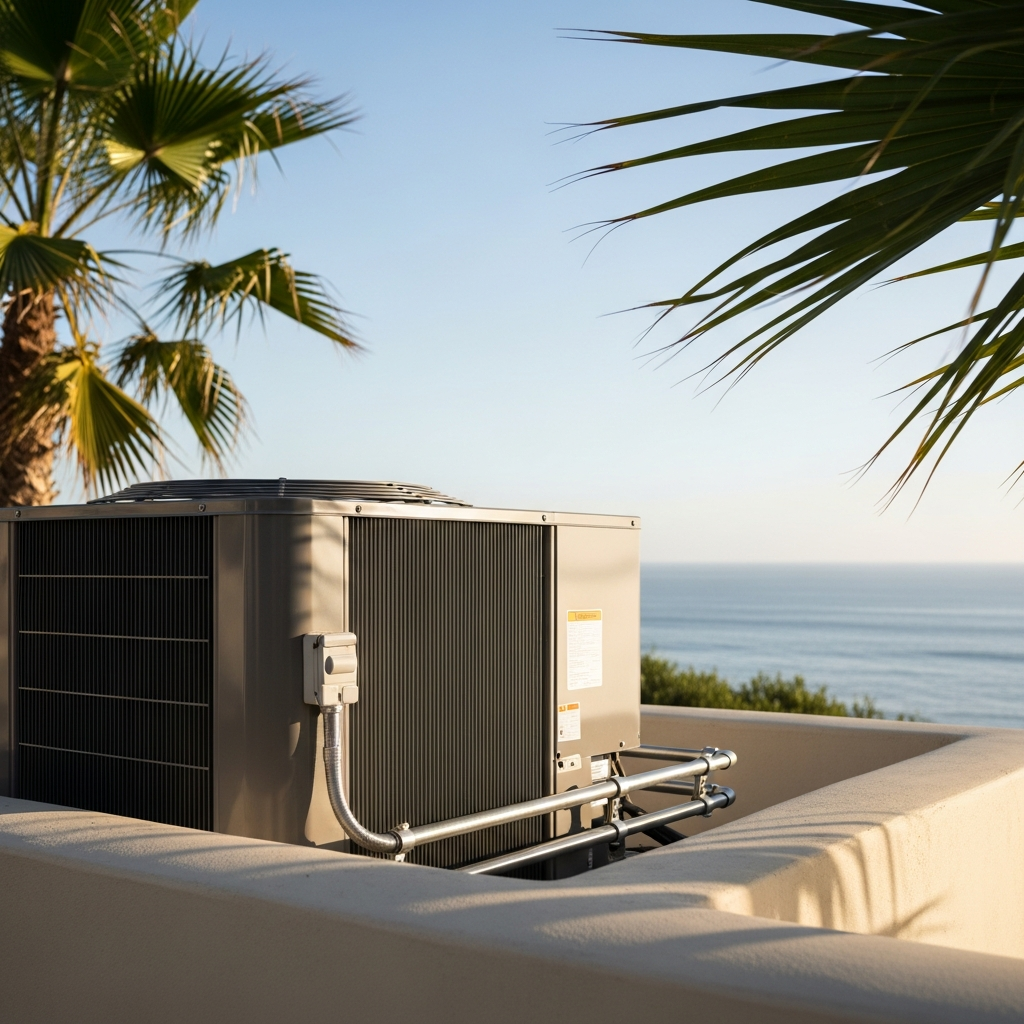
Choosing the best cooling solution for a Malibu coastal home starts with acknowledging that our environment writes the rules. The same sun that sparkles off the water also heats west-facing glass, and the same breeze that refreshes the afternoon carries salt that never fully sleeps. I have watched otherwise excellent equipment falter within a few seasons when cabinet materials, coil coatings, or fasteners were not chosen with the shoreline in mind. The search for the “best” air conditioner here is less about a logo and more about a blend of corrosion resistance, quiet efficiency, nuanced controls, and an installation strategy that respects both your architecture and the ocean’s temperament. A bit of study into how air conditioning actually works pays dividends when you match features to Malibu’s microclimates.
Begin with the big decision: conventional ducted systems, ductless mini-splits, or hybrid approaches. In homes with established ductwork that is accessible and in good shape, a high-efficiency variable-speed or inverter-driven ducted system can deliver wonderfully even temperatures while keeping noise subdued. For homes with complex layouts, partial remodels, or rooms carved from older structures where ducts are tough to route, ductless options shine because they let you place capacity exactly where you live. A hybrid design—ducted in common areas with ductless heads handling stubborn hot spots—often solves comfort puzzles without invasive construction.
Why Corrosion Resistance Is the Starting Line, Not the Finish
Salt is relentless. It settles on fins, finds seams in paint, and sneaks into inexpensive screws. The best coastal units anticipate this. Look for factory-applied coil coatings rated for salt exposure, cabinets that use marine-informed finishes, and mounting hardware that resists tea-staining and rust streaks down stucco. Even with these measures, plan on gentle freshwater rinses as part of routine care, especially if you are within eyeshot of the surf. A good installation team will elevate the outdoor unit slightly and ensure drainage flows away from the pad so salts do not concentrate beneath the cabinet after foggy mornings.
Electrical enclosures deserve attention as well. Malibu homes see power blips and surges that can stress inverter boards. NEMA-rated disconnects, tight gaskets, and drip-conscious conduit entry points extend life. Thoughtful placement—out of direct ocean spray and shielded from the most aggressive wind—multiplies the value of each protective dollar. Sound planning at the start prevents the all-too-familiar pattern of beautiful homes with prematurely weathered equipment.
Inverter and Variable-Speed Advantages on the Coast
Coastal weather rarely stays at a single set point. Mornings can be cool and damp, afternoons hot and bright, and evenings breezy. Variable-speed and inverter systems excel at tracking these shifts, modulating capacity smoothly so rooms feel steady instead of swinging from chilly to stuffy. They also typically run quieter at part load, which matters when your outdoor space doubles as your living room. Indoors, variable airflow preserves comfort in zones that would otherwise be drafty, and it supports better dehumidification during those marine-layer stretches when the air feels heavier than the thermometer suggests.
Consider how you use your home. If you entertain on patios or balconies, an outdoor unit with refined acoustics will keep conversation easy. Look beyond the headline decibel ratings and ask installers about real-world sound at typical Malibu placements, where walls or railings can reflect noise. Zoning can further tailor performance so you are not cooling unoccupied wings while guests gather in the great room.
Ducted vs. Ductless in Malibu Architecture
Many Malibu homes evolved in phases, and mechanical spaces are not always where textbooks would put them. Ducted systems can be phenomenal when ducts are short, well-sealed, and insulated. If your home has long runs through a hot attic or narrow chases, gains and losses add up quickly, and a premium air handler may be fighting a distribution problem rather than a cooling one. Ductless heads avoid that trap by delivering capacity directly into the rooms that need it, a boon for additions or glass-heavy rooms with distinct solar gain.
Where aesthetics are paramount, designers now integrate ductless cassettes into ceiling recesses or tall wall alcoves to keep sightlines clean. If you prefer ducted air, explore high-static air handlers paired with thoughtful return paths and supply placement. The best system is the one you barely notice, both visually and acoustically, while it quietly handles foggy mornings and radiant sunsets alike.
Indoor Air Quality and Wildfire Readiness
Our beautiful coastline is not immune to wildfire smoke that drifts through in late summer or fall. The best systems for Malibu acknowledge this reality. Plan for filters that can handle weeks of elevated particulate without suffocating airflow, and consider adding cleanable pre-filters that capture larger ash before it embeds in coils. Systems that maintain steady, modest airflow at longer runtimes do a better job scrubbing the air than those that blast intermittently. If your home includes a fresh air strategy, coordinate it with filtration and consider energy recovery ventilation so you do not trade comfort for indoor air quality when smoke lingers near the coast.
Humidity control matters, too. While Malibu is not Florida, marine layers and sea breezes create pockets of damp, especially overnight. Variable-speed systems with smart dehumidification logic keep bedrooms comfortable without overcooling. Ductless options often feature dedicated dry modes that quietly pull moisture out during those sticky dawn hours before the sun fully lifts the haze.
Smart Controls, Zoning, and Everyday Ease
Smart thermostats are not just gadgets; they are valuable when they reflect Malibu’s rhythms. Features such as geofencing, runtime alerts, and filter change reminders help you adapt quickly to a week of heat waves or an unexpected cool spell. Zoning can segment a long, linear floor plan so the occupied rooms receive gentle, consistent airflow while quieter zones idle. If your home uses battery backup or a generator, ask your installer to align the controls with your power strategy so the system rides through brief outages gracefully and restarts without drama.
Quality control at commissioning is the unsung hero of “best” system stories. That includes verifying duct pressures, balancing rooms you actually use, and programming dehumidification setpoints appropriate to the coastline. A sharp crew will simulate different conditions and adjust blower ramps and staging so the system behaves like a courteous guest—present when needed, invisible when not.
Sizing for Glass, Shade, and Microclimates
Malibu homes often combine generous glazing with shifting shade from canopies, cliffs, and neighboring structures. Accurate load calculations should factor these elements and not rely on rules of thumb. Pay special attention to west-facing rooms with ocean views; a system that uses variable capacity can cushion the late-afternoon surge without overcooling the rest of the house. Conversely, early morning marine layers can trick single-stage equipment into short cycling; smarter modulation avoids cold blasts that make the home feel damp.
Placement matters as much as sizing. An outdoor unit tucked into a courtyard may see recirculated hot air unless the exhaust path is planned, and coastal winds can drive fog directly into fins if the unit faces the wrong direction. Installers who walk the site with wind and sound maps in mind give you an advantage that numbers on a page alone cannot provide.
Materials, Finishes, and the Beauty of Restraint
On the coast, the best-looking system is the one that still looks new after years of salt and sun. Favor finishes that age gracefully and materials that resist bleach streaks or chalking. Stainless or coated hardware, UV-stable plastics, and sealed seams reduce the temptation to scrub aggressively, which can damage coatings. Indoors, quiet plenums and properly lined return paths prevent the hollow whoosh that can spoil a meditative morning. Details like vibration isolation and condensate routing keep the experience refined day to day.
Working With the Right Team
Any equipment choice succeeds or fails with the people who size it, place it, and commission it. Seek teams that talk frankly about Malibu’s demands and show examples of coastal installs they service years later. They should be able to explain why one model’s coil geometry tolerates salt better, or how a particular mini-split’s defrost logic behaves on chilly, damp mornings. When professionals treat your site like a one-off puzzle rather than a repeatable template, you are on the right path.
Maintenance support is the final piece. Schedule freshwater rinses appropriate to your proximity to the shore, align filter strategies to wildfire seasons, and agree on a post-storm check when high winds have pelted the unit with debris. A small, steady rhythm protects the investment and keeps it operating quietly at the edges of comfort where Malibu living is best.
Case-Like Scenarios Without the Sales Pitch
Imagine a glassy living room cantilevered over the beach with a shaded courtyard at the rear. The best system might be a variable-speed ducted air handler serving the main space, paired with a discreet ductless cassette in the primary suite that warms or cools independently at dawn and dusk. Coil coatings and stainless hardware are nonnegotiable, and the outdoor unit sits behind a low wall that baffles wind without trapping hot exhaust. Controls are tuned to favor longer, quieter cycles, and filtration is selected to ride through smoky weeks without daily filter changes.
Now picture a canyon bungalow where ducts struggle through tight spaces. A multi-zone ductless system could carry the day, one head in the family room to tackle afternoon sun, another in a corner office, and a third in the bedroom set to a gentle dry mode at night. With care, the visible equipment blends into the architecture, and condensate lines are routed with the same eye for aesthetics you expect from your landscape lighting.
Frequently Asked Questions
What features matter most for coastal durability?
Coil coatings rated for salt exposure, corrosion-resistant cabinets and fasteners, well-sealed electrical enclosures, and thoughtful placement out of direct spray all extend life. Combine those with a regular freshwater rinse schedule tailored to your distance from the ocean.
Are ductless mini-splits a good fit for Malibu homes?
Often yes, particularly for additions, glass-heavy rooms, and spaces where ducts are impractical. They allow precise zoning and typically run quietly. With the right placement and finish choices, they can blend cleanly into refined interiors.
How important is variable-speed or inverter technology?
Very. Malibu’s shifting conditions reward systems that modulate gently, reducing temperature swings, improving dehumidification, and cutting noise. These systems also tend to maintain comfort better during smoky periods when steady airflow helps filtration.
Do I need special filtration because of wildfire smoke?
Plan for filters that balance particulate capture with airflow. Many homeowners choose higher-efficiency filters during smoke events and revert to standard resistance once skies clear. Cleanable pre-filters and careful coil care keep performance steady through those stretches.
What role do smart controls play near the coast?
Smart thermostats and zoning let you adapt gracefully to daily shifts. Alerts, runtime tracking, and geofencing cut waste while protecting comfort. When paired with quality commissioning, controls help the system disappear into the background of your life.
If you are weighing your choices, walk your property at different times of day and notice how the light and wind move. Share those observations with a seasoned installer, ask for a side-by-side of two or three configurations, and insist on a commissioning plan that matches Malibu’s rhythms. For a plain-language refresher as you compare models and features, explore trusted guides to air conditioning, then schedule a visit to map the right path for your home. The goal is simple: quiet comfort that lasts, even when the ocean reminds us who sets the terms.