
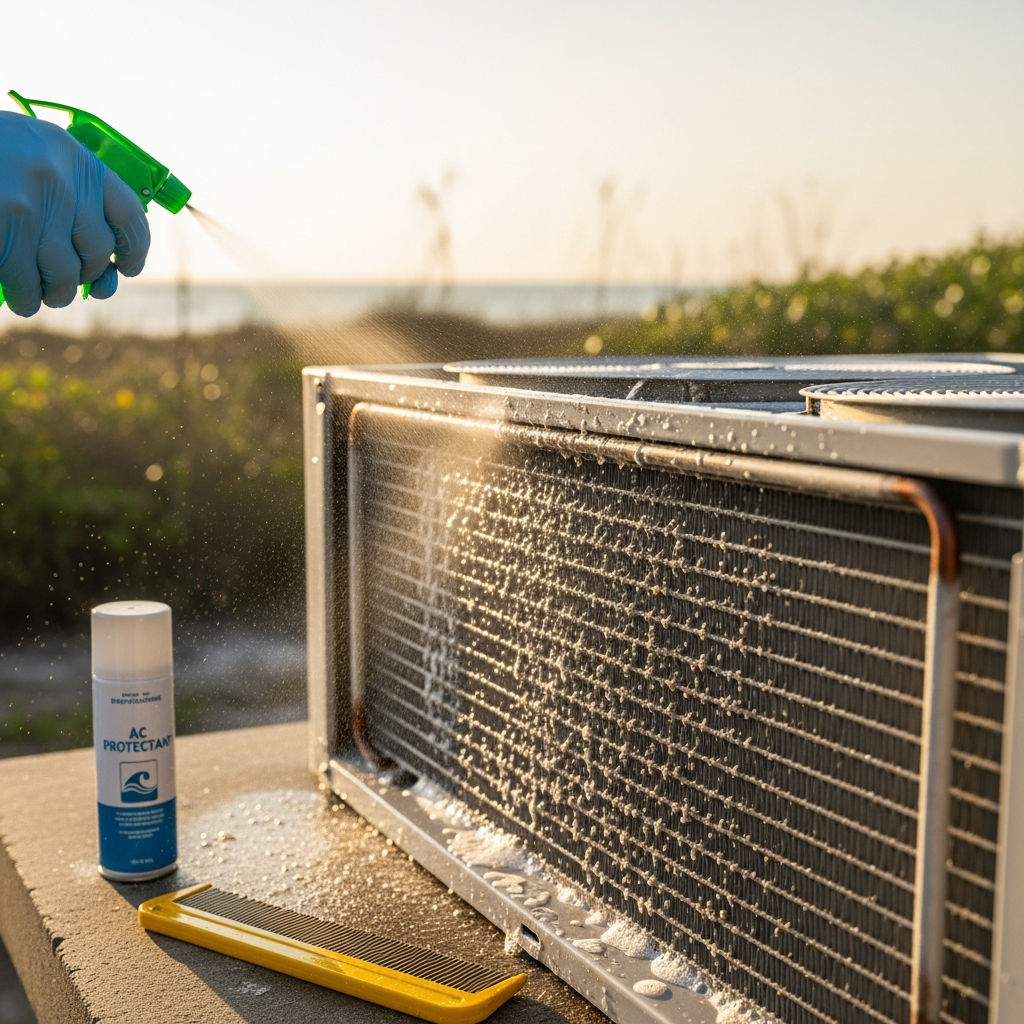
Ask any Malibu technician what makes our coastal service calls unique and you will hear a consistent theme: the ocean shapes everything. The same breeze that cools an afternoon along Zuma carries salt that settles into outdoor equipment, and the marine layer that softens morning light leaves surfaces damp long enough to encourage corrosion and growth. When you combine those factors with hillside homes, canyon dust, and architectural designs that open wide to the view, you get a distinct set of air conditioning maintenance issues. Understanding these patterns helps you spot early warning signs and schedule timely air conditioning maintenance before small quirks become big repairs.
One of the most common coastal problems is a condenser coil wrapped in a fine layer of salt and grit. Even when a unit looks clean from a few steps away, a close look between the fins often reveals a film that inhibits heat transfer. Left alone, the compressor works harder, run times lengthen, and energy use climbs. During maintenance, we use appropriate coil cleaners and low-pressure rinsing to remove buildup without bending fins. We also check for fin straightness and clear vegetation that has crept too close. In ocean-adjacent neighborhoods, that careful cleaning can be the single biggest driver of restored performance in one visit.
Corrosion—our constant coastal companion
Salt does not just sit on the surface; it invites corrosion everywhere air and moisture can migrate. We see it on fan guards, mounting hardware, service valves, and even the cabinet’s internal seams. Early corrosion often looks like harmless discoloration, but left to spread it can seize screws, weaken brackets, and make future service more invasive. Maintenance addresses it proactively: swap out rusted fasteners, apply anti-corrosion treatments to vulnerable points, and verify that galvanized or coated components remain intact. These small acts save hours of labor in later years and keep equipment accessible for routine work.
Electrical components feel the impact too. Contactors and capacitors exposed to moisture can pit and degrade, leading to hard starts, short cycles, or failures on hot afternoons. During a tune-up, we test microfarads on capacitors, inspect contactor faces for pitting, and check wire terminations for oxidation. Replacing a weakening part during routine service is infinitely better than waiting for the symptom to appear as a 7 PM no-cool call when the house is full.
Drainage difficulties from dew to downpour
Humidity in Malibu ebbs and flows with the marine layer. On foggy mornings, systems run in a dehumidification-heavy mode, producing more condensate than usual. If the primary drain line is partially obstructed with algae or debris, water can back up into the secondary pan or trip a float switch. Homeowners sometimes notice a faint musty odor or a small stain near an indoor unit only after the issue has lingered. Maintenance clears and flushes drain lines, verifies trap integrity, and tests safety switches so water goes where it should—outside, not into your ceiling.
In homes that close up for periods of travel, dry traps can also allow odor to creep back through the drain line when the system restarts. A quick priming and a review of trap design during maintenance prevents those unwelcome surprises. Where a condensate pump is used, we test flow, clean the reservoir, and verify check valves so the system starts the next cooling cycle without complaint.
Filter choices and airflow balance
California living encourages open doors and windows. That freedom brings in salt, pollen, and dust that quickly load filters. A common Malibu maintenance issue is a mismatch between filter MERV rating and the blower’s capability. Overly restrictive filters can starve airflow, leading to coil icing or reduced dehumidification. On the flip side, under-filtering lets particles reach the coil and blower wheel, dulling efficiency. During tune-ups we measure static pressure, size filters correctly, and look for bypass air around the filter rack. The goal is not simply “more filtering,” but the right filtering for your system’s design and your household’s sensitivities.
Duct leakage is a frequent companion to airflow problems, especially in older or architecturally distinctive homes. Leaky returns pull dusty attic or crawlspace air into the system, while leaky supplies waste cooled air in unconditioned spaces. Maintenance identifies telltales like dusty insulation near seams or suspicious temperature differences between rooms. From there, sealing and balancing bring the system back to harmony so every room feels like part of the same home again.
Thermostat quirks and sensor placement
In bright, glassy Malibu interiors, sunlight can play tricks on thermostats. A sensor catching late-afternoon sun may think the room is warmer than it feels, causing unnecessary runtime. Conversely, a thermostat in a cool hallway may undershoot comfort in living areas. During service, we verify calibration, check placement for radiant influences, and fine-tune settings such as cycle rate and minimum on-time. For multi-zone systems, we ensure dampers respond accurately so each area gets cooling when it truly needs it.
Smart thermostats bring their own set of maintenance checks. Firmware updates, Wi-Fi reliability, and integration with schedules matter. We review those elements and confirm that features like adaptive recovery and humidity controls align with the mechanical realities of your system. The promise of smart control is only realized when sensors and equipment communicate cleanly.
Wildfire smoke and seasonal particulates
Though Malibu’s ocean air often feels pristine, regional wildfire smoke can drift over the coast and linger. When that happens, filters load fast, and coils can pick up tacky residues. After a smoke event, a maintenance visit focused on filtration, coil cleanliness, and duct inspection helps restore indoor air quality. We also assess whether a temporary increase in filtration level made sense during the event should now be stepped back to preserve airflow. These are subtle choices best made with a clear view of system performance.
Coastal winds also drive sand and fine grit into outdoor units. Fan blades can become unbalanced, and motor bearings work harder. A simple rinse and inspection during maintenance, along with checking the pad for level and clearing debris from around the base, keep the condenser operating smoothly. On blustery properties, we sometimes recommend strategic wind screening that preserves airflow while reducing direct gusts through the coil.
Refrigerant realities
Low refrigerant symptoms are similar everywhere—long runtimes, poor cooling, possible icing—but Malibu adds a twist. Salt-related micro-corrosion can eventually affect coils or line sets, especially at flare connections or rubbed points. During maintenance, we look for oil stains, test performance parameters like superheat and subcooling, and inspect insulation on line sets to prevent UV degradation. Catching the earliest hint of a leak prevents both performance loss and environmental harm.
For systems upgraded or retrofitted over the years, we also verify that components are matched properly. A non-original coil paired with an older condenser, for instance, may work but not optimally. Maintenance brings those pairings into focus so you can plan thoughtful improvements when the time is right.
The payoff of proactive care
The common thread in all these Malibu-specific issues is timing. Problems whisper before they shout. A faint rattle, a drain that gurgles, a room that never quite cools after the marine layer lifts—each is a signal that maintenance can translate into action. Addressing issues when they are small keeps your home calm and comfortable and prevents peak-season breakdowns. It also lets you shape the character of your indoor environment, from the softness of airflow to the subtle sound of a well-tuned system.
As you consider your own home, think in terms of rhythms. A spring visit clears winter dust, resets airflow, and prepares for coastal heat. A late-summer check removes salt and grit, refreshes filters after heavy use, and validates safety controls before longer evenings return. Building that cadence around preventive air maintenance keeps your system ahead of the elements.
Frequently Asked Questions
Why does my outdoor unit rust so quickly? Salt air accelerates corrosion, especially on unprotected metal. Regular coil rinses, anti-corrosion treatments, and replacing rust-prone hardware slow the process significantly.
What causes water near my indoor unit? Often a partially clogged drain line or an unprimed trap. Maintenance clears blockages, tests float switches, and ensures proper slope so condensate exits safely.
Are higher MERV filters always better? Not necessarily. If a filter is too restrictive for your blower, airflow drops and comfort suffers. The best filter is one that balances capture efficiency with measured airflow.
How can I tell if my ductwork is leaking? Uneven room temperatures, dusty returns, and high static pressure are common clues. A maintenance visit can test and locate leaks for targeted sealing.
My AC runs but never feels cold enough after foggy mornings—why? A dirty coil, high airflow, or low refrigerant can reduce dehumidification and sensible cooling. Maintenance diagnoses and corrects the imbalance.
When you are ready to get ahead of these coastal challenges, schedule professional air maintenance with a Malibu-focused team and enjoy the smooth, quiet confidence of a system prepared for our oceanfront environment.