
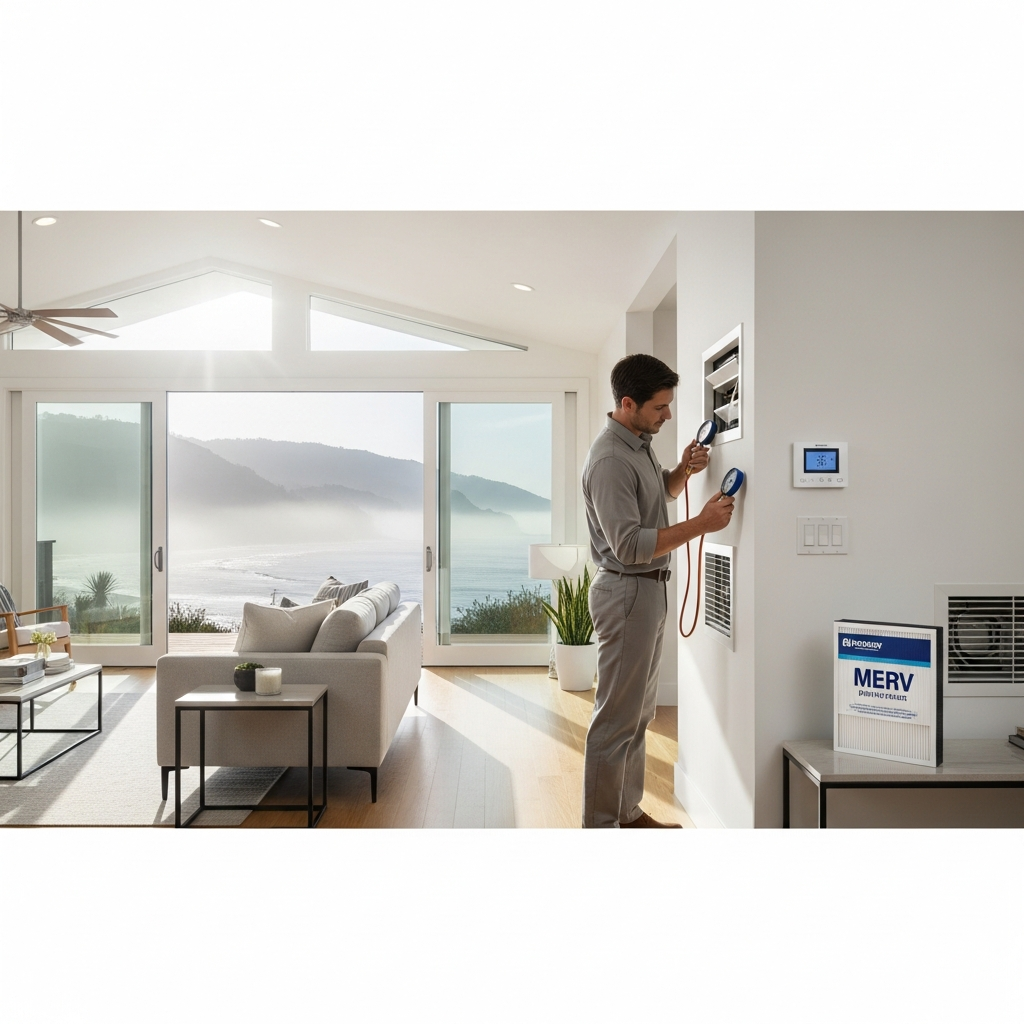
Spend a full year in Malibu and you quickly learn that our climate is shaped by contrasts. Cool, foggy mornings often give way to sun-warmed afternoons, and even a few miles can separate misty coastal pockets from canyons that heat up fast. In a place where homes open to sea air yet depend on steady indoor comfort, regular air conditioning maintenance is not a chore so much as a form of stewardship. It preserves the feel of your home, shields equipment from salt and sun, and ensures that when temperatures rise or winds gust from the east, your system responds quietly and reliably.
There is also a human rhythm to Malibu living—mornings that start with a beach walk, afternoons that stretch into surf checks or school pickups, and evenings when glass sliders close as the marine layer creeps back. Each transition nudges your AC in a different way. Without maintenance, small inefficiencies stack up: a slightly clogged filter here, a film of coastal salt on the outdoor coil there, and a blower that spins just a bit out of balance. Over time, those little drags turn into longer run times, uneven cooling, and a house that never quite feels settled. With maintenance, the opposite occurs. The system breathes freely, moves heat efficiently, and returns rooms to that easy, consistent comfort that lets you focus on living, not fiddling with the thermostat.
Salt air, sun, and Malibu’s maintenance mandate
By the ocean, metal works a little harder. You see it in patio hardware and you certainly see it on condensers that sit exposed to sea breeze. Salt accelerates corrosion, and when it builds up on coil fins, heat transfer slows. During routine service, technicians rinse the coil with appropriate cleaners, check fin alignment, and examine electrical connections for early signs of oxidation. Removing that salt layer returns efficiency immediately and, more importantly, prevents small issues from snowballing into leaks or seized hardware months later.
Sun exposure matters too. Condensers that face west endure radiant heat long after the air temperature begins to fall. Maintenance can’t move the sun, but it can make sure your unit is operating at peak efficiency to handle those loads. A correctly charged refrigerant circuit and a healthy condenser fan help the system shed heat even when late-day sunshine lingers on the casing. For Malibu homes with significant glass facing the ocean, technicians may also suggest tweaks to air distribution, so that afternoon sun pockets don’t overwork one part of the system.
Comfort you can feel and hear
Why does maintenance matter today, not just someday? Because comfort is immediate. After a careful tune-up—blower cleaned, coil cleared, drain line flushed, and thermostat calibrated—you feel the difference the next time the unit starts. Airflow becomes smoother, temperatures stabilize faster, and that faint rattle that had you turning up the TV often disappears. In many Malibu homes where open plans encourage conversation and music, a quieter AC restores the sonic character of your living space. You hear more waves and less machinery.
Balanced airflow is a hallmark of good maintenance. A technician will assess return paths, look for duct leakage, and test static pressure. Those steps ensure that cooled air arrives evenly throughout the home rather than dumping into one room while starving another. In hillside properties with unique architecture and long duct runs, small adjustments in dampers and registers can produce outsized gains. The result is a home that feels “of a piece,” with bedrooms and living areas cooperating rather than competing for comfort.
Prepared for the unexpected
Malibu’s beauty comes with wildcards—offshore winds, wildfire smoke, and the occasional heat spike that rolls in on a weekend when guests are visiting. Maintenance is your preparation. Technicians who get to know your system catch tired capacitors before they fail, clean sensors so thermostats read accurately, and verify that safety switches protect your property if a drain backs up. Those preemptive steps turn a late-night emergency into a non-event and keep your home livable when conditions outside feel anything but.
Air quality is part of that readiness. With maintenance, filters match blower capability, seals around filter racks prevent bypass, and coils stay free of biological growth that can thrive during foggy stretches. When smoke or heavy pollen comes through, your system is well positioned to clean the air rather than spread odors. For households with infants, seniors, or anyone who is sensitive to airborne irritants, that consistency builds day-to-day resilience.
Efficiency without sacrifice
There is a myth that saving energy means accepting less comfort. In practice, the opposite is true when an air conditioner is maintained. Correct refrigerant charge, proper superheat and subcooling, and a clean evaporator coil allow the system to remove more heat per minute of runtime. That means cooler rooms with steadier temperatures and less cycling. In Malibu, where windows and doors often open to the sound of the surf, maintenance also helps your system recover gracefully after you close everything back up in the evening. Instead of blasting cold air to catch up, a tuned system eases the temperature back to setpoint and keeps it there.
Maintenance also creates a better foundation for smart controls. When thermostats are calibrated and airflow is verified, features like adaptive recovery and humidity setpoints perform as intended. If you manage your home remotely or own a vacation property, that reliability brings peace of mind. You can set schedules confidently, knowing the system will behave predictably even after weeks of light use followed by a weekend of full occupancy.
Protecting equipment life and home value
Why does maintenance matter financially over the long term? Because Malibu’s environment pushes equipment harder than a typical inland suburb. Salt and moisture test every fastener and bearing. Routine service slows that process. Small practices—replacing aging contactors, adding anti-corrosion treatments, ensuring condensate lines are pitched and supported—extend life meaningfully. A system that runs smoothly for years avoids disruptive replacements and preserves the calm, well-kept feeling that buyers and appraisers notice when it is time to consider your home’s market position.
It is easy to delay maintenance when a system “seems fine.” Yet the difference between fine and fantastic in Malibu is usually a handful of measured adjustments. The reward is a home that feels right in every room, morning to night, fog to sunshine, weekday to weekend. As your routine settles in, it is smart to pair seasonal tune-ups with conversations about long-term preventive air maintenance so your system remains ready for whatever our coastline brings.
Local insight: Malibu’s microclimates and maintenance timing
Homes close to the water benefit from a spring tune as temperatures rise and before salt has months to accumulate. In the canyons, fall service catches dust and pollen that can mat filters and coat coils after the dry season. Cliffside properties exposed to steady wind often need extra attention to condenser fins and outdoor electrical components. Meanwhile, homes that close up for periods of travel should plan drain-line flushing and humidity checks before and after those gaps, preventing stale-air odors and moisture issues.
These patterns inform more than scheduling; they guide how we care for your specific system. Even identical models behave differently in a La Costa hillside compared to a beach-adjacent lot in the Colony. Maintenance honors those differences and brings each unit into harmony with its surroundings.
Frequently Asked Questions
How often should I schedule maintenance in Malibu? Twice a year is a smart baseline—spring and fall—adjusted for your home’s exposure to salt, sun, and canyon dust.
Will maintenance make my AC quieter? Yes. Cleaning the blower, securing panels, balancing airflow, and replacing worn electrical parts typically reduce vibration and cycling noises.
What about air quality when smoke drifts over the coast? Maintenance ensures the filter system seals properly and that coils remain clean so your unit removes particulates effectively without spreading odors.
Can newer systems skip maintenance for a few years? Skipping service risks voiding warranties and allows salt corrosion to take hold early. Light, consistent care protects performance from the start.
Is there a best time of day for service? Morning visits often work well near the coast when fog keeps surfaces cool and technicians can assess dehumidification performance as the marine layer lifts.
When you are ready to protect comfort and calm in your Malibu home, schedule professional air maintenance with a local team that understands our microclimates, and enjoy the steady, effortless cooling that follows.