
When you live and work in Malibu, you learn quickly that comfort depends on being a step ahead of the weather. Our mornings can start with a cool marine layer, shift to warm coastal sunshine by midday, and then dip again as the ocean breeze pushes inland after sunset. Your air conditioner doesn’t just handle heat; it manages moisture, salt-laden air, fine dust from canyon trails, and the occasional gusty burst that rattles patio umbrellas up and down the Pacific Coast Highway. That is why thoughtful, locally informed care matters, and why a reliable plan for air maintenance can make the difference between a serene seaside evening and a scramble to find emergency relief during a heat wave.
In Malibu, exposure is everything. Condensers near the water contend with salty mist that clings to fins and causes corrosion if left alone. Units tucked into hillside nooks are often surrounded by chaparral pollen in spring and grit from late-summer winds. I have opened enclosures after a Santa Ana event and found leaves and eucalyptus tufts plastered across the coil face like a windblown collage. These conditions don’t mean your equipment is fragile; they simply mean it needs care that anticipates what the coast throws at it. A well-maintained system runs quieter, cools faster, and uses less energy to do it, which you notice when the house settles into that just-right Malibu evening rhythm.
Start by paying attention to airflow, because every other improvement depends on it. Filters are the simplest gatekeeper, and choosing the right balance is key. In neighborhoods along Point Dume or La Costa, where sea fog and beach traffic bring a constant fine haze, I recommend checking the filter monthly during the busier season, even if you don’t replace it every time. Homes set back into the canyons can see higher dust and pollen in spring and during dry spells. If you notice room vents accumulating a film of dust faster than usual, it’s a sign your filter is past its prime or your return duct is drawing from a dusty zone. Steady airflow means coils stay cleaner, motors draw fewer amps, and the system’s rhythm remains smooth day after day.
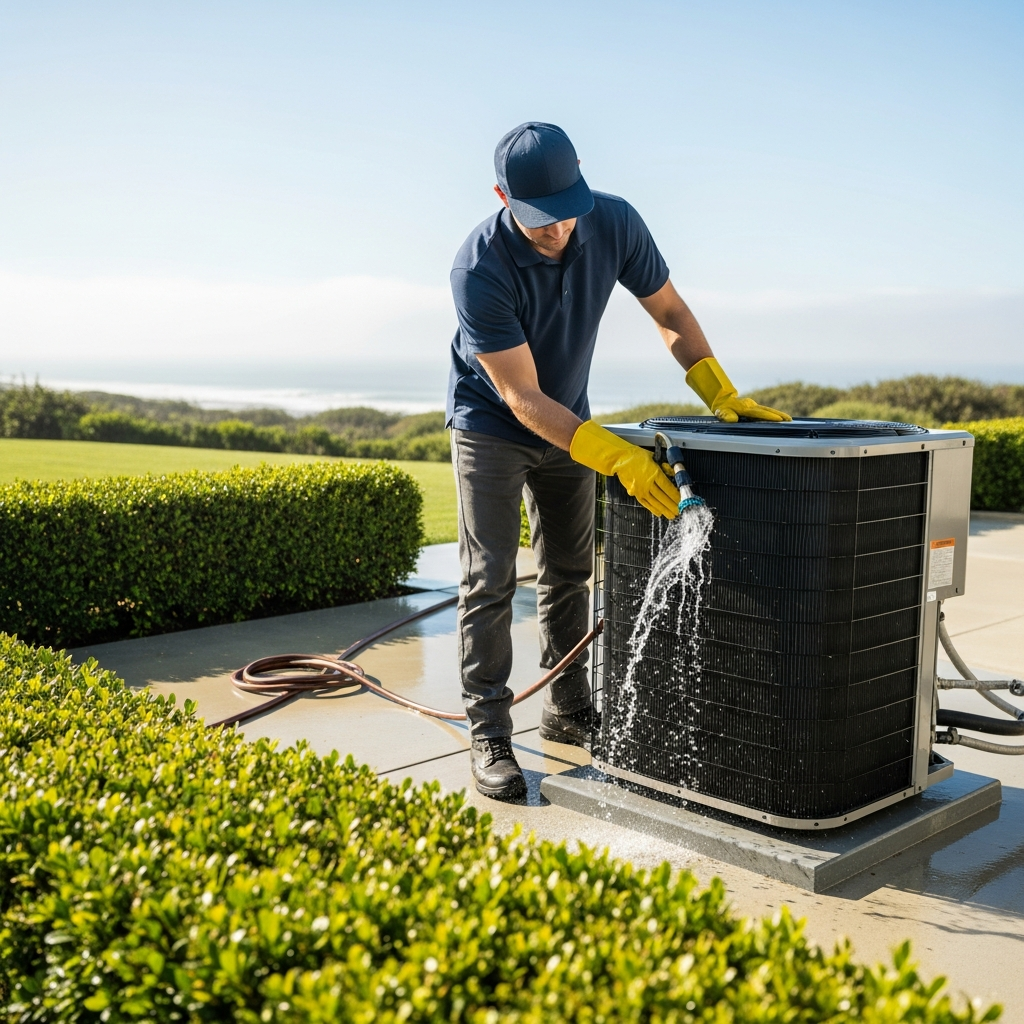
Coil cleanliness follows directly from airflow, and in Malibu the outdoor coil deserves special attention. Salt can create a sticky film on fins that quietly thickens until heat transfer drops. When that happens, the condenser runs longer, and you’ll hear the fan labor even if the thermostat setting hasn’t changed. A gentle rinse with low-pressure water and a non-acidic coil cleaner, performed by a qualified technician, restores the metal’s sheen and brings operating pressures back to normal. Avoid blasting water through the fins; that can fold the delicate metal and choke the coil. Instead, plan regular cleaning as part of your seasonal routine, especially if your condenser can “see” the ocean from its perch.
Location, too, makes a difference. I like to see a condenser sitting level, with at least a couple feet of breathing room on all sides and overhead clearance so exhaust air isn’t trapped by decking or balcony timbers. If your outdoor unit hugs a fence or a stucco wall, warm discharge air can recirculate into the coil, raising head pressure and accelerating wear. Simple repositioning, better fencing, or strategic landscaping can help redirect airflow and hide the unit tastefully without smothering it. In a town where sightlines and outdoor living matter, a smart layout keeps both comfort and curb appeal intact.
Indoors, pay attention to condensate management. The marine layer can be deceptively humid, and as that moisture condenses on your evaporator coil, it needs a clear path to drain. I have seen drip pans on Carbon Beach fill to the brim because algae made a miniature garden of the drain line. An annual vacuum and flush of that line, plus a tablet designed to discourage growth, prevents surprises like ceiling stains or water sensors shutting down your system on a sweltering afternoon. It’s the quiet kind of maintenance that you only notice when it’s been forgotten.
Thermostat calibration is another detail that pays dividends. Coastal homes can have warm glass and cool floors at the same time, and a slightly miscalibrated thermostat will hunt—overshooting, then correcting, then overshooting again. A modern, learning thermostat can tame those swings if it’s set up thoughtfully and placed where it senses the true average of the home, not the draft from a sliding door or the radiant warmth of a sunlit hallway. Even a simple re-location or the addition of a remote sensor can smooth the curve of your home’s temperature profile.
Refrigerant charge and electrical health complete the core picture. With a calibrated gauge and an understanding of local conditions, a technician can verify that your system is charged for Malibu’s mix of mild mornings and solar-warmed afternoons. Undercharge forces the compressor to work harder to pull heat through an anemic refrigerant stream; overcharge can flood the coil and slug performance. At the same time, testing capacitors, contactors, and wire terminations can avert intermittent outages that always seem to surface on the first truly hot weekend of July when every neighbor is hosting family on the deck.
One practice I recommend to nearly every Malibu homeowner is a “shoulder-season start.” In early spring, pick a cooler morning and run the AC for fifteen minutes. Listen for the startup song: condenser fan stabilizes smoothly, air handler ramps up without a shudder, supply vents push cool air without a musty tang. If anything sounds or smells off, you have time to tune up and clean long before the first heat wave pushes traffic onto PCH and makes last-minute appointments scarce. It’s a simple ritual that pairs well with testing smoke alarms or cleaning gutters after winter storms.
Ventilation deserves a local note, particularly when wildfire smoke from inland regions drifts west. In those rare but memorable periods, keep windows closed and step filters up a notch if your system can handle it. You don’t need to live with a filter permanently above your system’s capability, but having a higher-efficiency option on hand for smoky days means you can guard indoor air quality without suffocating airflow. After the air clears, swap back to your standard filter and schedule a quick check to ensure the coil remained clean.
Home layouts in Malibu vary wildly—from low-slung beachfront bungalows to multi-story hill homes hugging the slope. Duct design follows those shapes, which means your maintenance plan should, too. Long runs serving airy upstairs rooms can be sensitive to small leaks, while short, exposed runs in an underfloor crawl might be fine for years if they’re sealed well. If one room is stubbornly warmer than the rest, think of the duct as a river that may need its banks reshaped. Dampers can be adjusted, minor modifications made, and, in some cases, zoning added so your home behaves more like a set of harmonized suites than one monolithic space.
Midseason is when I like to revisit the fundamentals and check whether the changes you made in spring are holding. It’s also a good moment to recommit to consistent air maintenance habits. Walk around the outdoor unit on a breezy afternoon; notice whether nearby shrubs are shedding into the enclosure, and trim back anything that wants to cuddle the coil. Indoors, open a return grille and see if the filter is sagging or bowed. That subtle curve can allow bypass dust to reach the coil face, undoing weeks of clean operation.
As for sound, Malibu nights are quiet enough to hear when an air conditioner stops being itself. A rattle at startup often points to a weak capacitor or a loose panel; a whine can signal a bearing that’s asking for a drop of attention before it fails. Train your ear for the baseline hum of healthy operation, and you’ll catch little changes early. It’s the acoustic version of checking the surf—after enough mornings, you can tell at a glance whether the break is friendly or wild.
Power quality also deserves a quick mention. Coastal weather and hillside lines sometimes combine to create brief drops or spikes. Surge protection and tight connections at the disconnect keep sensitive components safer. During maintenance, having a pro measure voltage and amperage under load tells you how hard your system is working relative to its design. The closer it is to that design point, the more comfortable your home stays with the least effort.
If you own a rental or host guests, maintenance becomes part hospitality, part resilience. A thermostat with simple, intuitive controls cuts down on mysterious settings left behind by visitors. Clear guidance on where the main return is and when to leave doors open for circulation prevents hot spots from forming after a day at the beach. In between stays, a quick filter check and a look at the outdoor unit can spare you the awkward call about a stuffy bedroom on arrival.
For those considering upgrades, Malibu’s blend of moderate cooling needs and salty air makes efficiency and durability equally important. High-SEER equipment performs beautifully here when coils stay clean, filters are right-sized, and the outdoor unit breathes well. Materials and coatings on exterior components matter; a little more attention upfront can mean years of steady service even a few hundred feet from the spray line.
Think of maintenance as layers that reinforce one another. Airflow supports coil cleanliness; coil cleanliness protects compressors; good drainage preserves ceilings and closets; smart control placement calms temperature swings. No single step is dramatic on its own, yet together they form a quiet covenant with your home and with the climate we enjoy along this coastline.
When you weave these practices into the calendar—spring wake-up, midseason check, post-wind cleanup—you stop reacting and start guiding. That’s the sweet spot, where you know your system’s quirks as well as your favorite surf break and you anticipate what a week of onshore breeze will mean for filters and fins. In Malibu, that kind of attention doesn’t feel like work; it feels like living in rhythm with place.
And because the ocean gives us as much unpredictability as beauty, it’s reassuring to have a professional set of eyes on the details a few times a year. A seasoned technician knows when a pressure reading whispers that the coil wants a rinse or when a faint scorch mark on a contactor hints at a mid-summer no-cool call waiting to happen. Pair your own daily awareness with scheduled professional care and you’ll find your system aging gracefully, season after season.
Finally, remember that the goal isn’t to fuss over machinery—it’s to create steady, quiet comfort that lets the backdrop of Malibu do the talking. When the living room cools quickly after a sunny afternoon, when bedrooms sleep evenly and mornings feel fresh instead of damp, you’ve built the kind of invisible infrastructure that lets life here shine.
How often should Malibu homeowners schedule professional AC maintenance?
For most homes along the coast or tucked into nearby canyons, a professional tune-up in spring and a light midseason check are ideal. The spring visit resets your system after winter moisture and salt exposure; the midseason check confirms that filters, drainage, and coils are staying on track. If your condenser sits very close to the ocean or in a wind tunnel, consider one extra coil inspection late summer.
What filter strategy works best near the beach and during smoky periods?
Choose a filter that your system’s blower can handle comfortably for daily use, then keep a higher-efficiency option on hand for days when smoke or heavy pollen drifts through. Swap back after the air clears. Consistency is more important than an ultra-high rating that restricts airflow and strains the blower.
Does salt air really damage air conditioners?
Salt mist accelerates corrosion on unprotected metal, especially on condenser fins and fasteners. Regular rinsing, timely coil cleaning, and hardware with corrosion-resistant coatings slow that process dramatically. Placement and wind shielding also help, so the unit isn’t bathing in recirculated salty exhaust air.
Is it worth upgrading the thermostat in a Malibu home?
Often yes. A modern thermostat with remote sensors can average temperatures across rooms, steadying comfort when sun exposure varies hour by hour. Proper setup matters more than fancy features; place sensors thoughtfully and give the system a few days to learn your rhythms.
Why does one room stay warmer even after maintenance?
Persistent hot rooms usually point to duct balance or envelope factors rather than a failing unit. Adjusting dampers, sealing small leaks, adding a return, or addressing solar gain with shades can harmonize temperatures. A technician can test static pressure and airflows to find the simple tweaks that make the biggest difference.
Should I run the AC during cool spring mornings?
A brief spring test is smart. Running the system for ten to fifteen minutes lets you listen for clean starts, confirm drainage, and shake out any winter cobwebs. It’s preventative, not indulgent, and it often reveals minor issues before they become major.
What signs tell me my system needs immediate attention?
New noises, musty odors at startup, repeated short cycles, ice on refrigerant lines, or water near the air handler warrant a call. So does a thermostat that behaves erratically or a condenser fan that hesitates before spinning up. Early attention protects comfort and prevents collateral damage.
Ready to enjoy dependable Malibu comfort?
If you want a smoother season ahead, start with a clear plan for professional air maintenance, pair it with simple at-home habits, and schedule service before the next warm spell arrives. Your system will thank you with quieter operation, steadier temperatures, and the kind of effortless comfort that makes Malibu living feel as easy as the afternoon tide.