
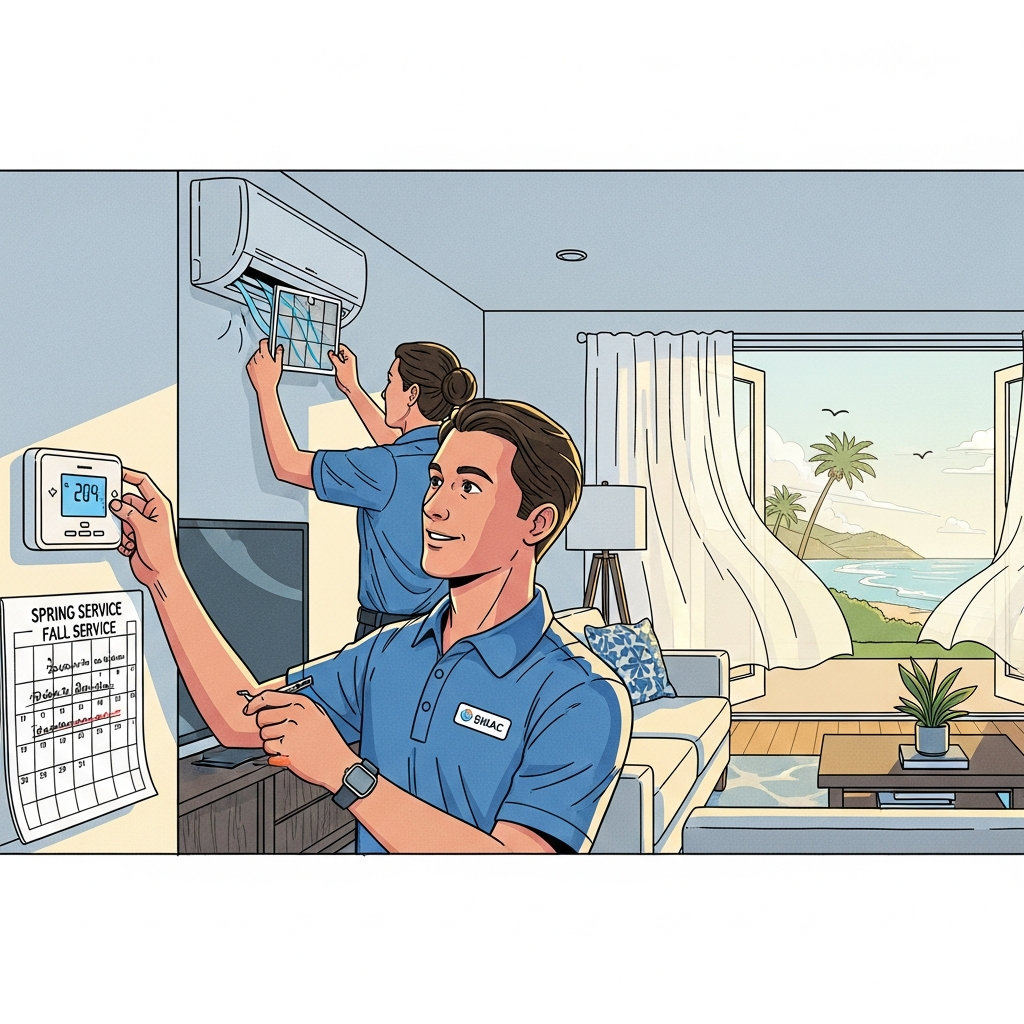
Ask ten Malibu homeowners how often they service their air conditioning, and you will hear everything from “every couple of years” to “twice a summer.” The truth lands somewhere more thoughtful, because Malibu’s weather is a kaleidoscope: marine layer mornings, sunny afternoons, late-day canyon winds, and the occasional week of Santa Ana heat. Layer in salt air, drifting pollen, beach sand that finds its way into living rooms, and seasonal wildfire smoke, and the frequency of maintenance stops being a simple number and starts becoming a strategy. In this guide, I will show you how to right-size your routine so your home feels steady and comfortable whether you are on the bluffs overlooking Surfrider or tucked into a Las Flores canyon. The goal is a rhythm that fits our coast, anchored by predictable steps like a spring air conditioning maintenance before the first true warm spell.
Let us start with how equipment lives here. The ocean’s influence means outdoor units battle fine salt crystals, morning moisture, and afternoon sun. In shaded courtyards, condensers sometimes breathe recirculated air if landscaping is too close. Indoors, air handlers and ducts run through hot attics or crawl spaces where temperatures can lag behind outdoor cooling. The upshot is that minor issues arrive earlier and linger longer. Because of this, Malibu benefits from a slightly more proactive schedule than inland cities.
The baseline: spring service with a fall check
For most Malibu homes, the baseline recommendation is professional service each spring, with a lighter fall check if your system also handles heating. Spring service prepares the system for summer demand: coils get cleaned, electrical connections tightened, refrigerant charge verified, and airflow measured. Fall is the time to verify that condensate drains are clear, filters are fresh, thermostats are updated, and that any summer wear on parts has not turned into a weakness heading into cooler nights. Think of it as a twice-yearly conversation with your system, tailored to coastal realities.
When to increase frequency
Some homes need more attention. Beachfront properties that taste the spray on windy days gather salt faster, which calls for more frequent outdoor coil rinsing. Homes used as short-term rentals, where doors and windows are opened often and laundry runs constantly, load up filters more quickly. Households with pets or allergy sensitivities should also step up filter checks. If you have experienced smoky days from nearby wildfires, plan immediate post-event inspections of filters and, if needed, indoor coils and blower wheels. For these scenarios, a mid-summer touchpoint—a quick once-over to confirm airflow, drain function, and outdoor unit cleanliness—pays dividends.
Monthly filter inspections during peak season
Filters do the heavy lifting between professional visits. Even with light occupancy, peek at them monthly in summer and during windy weeks. Malibu’s fine coastal dust and pollen ride the breeze, and it is natural for filters to change color faster than you would expect. When you see a mat of dust beginning to cake the face, replace it rather than waiting for a fixed date. Choose a filter that balances particulate capture with airflow; very dense filters can starve the system of air in return for marginal improvements in dust capture.
Coastal coil care: rinsing cadence matters
The outdoor coil is your system’s radiator, and Malibu asks a lot of it. In spring, a thorough, careful cleaning sets the stage. During summer, plan a gentle hose rinse once a month if you are within a few blocks of the beach or in an area where afternoon winds kick up. If the condenser sits under a balcony or near planters, watch for soil splash and leaf buildup. Each rinse is five minutes invested in lower pressures, cooler condensing temperatures, and less strain on your compressor.
After wildfire smoke: a special case
Wildfire smoke can travel miles and settle as ultra-fine dust. It clogs filters, coats return grilles, and sneaks onto blower blades. After any smoky stretch, check your filters immediately. If you notice persistent odor or find gray film on surfaces, plan a more detailed HVAC check to confirm that the indoor coil and blower are not accumulating residue. This is not a worry to dwell on—just a reason to bring your routine forward by a week or two when needed.
Attic and crawl space realities guide timing
If your air handler lives in the attic, the system experiences higher ambient temperatures for longer parts of the day. That extra heat accelerates wear on capacitors and dries foam insulation around refrigerant lines. If you have a crawl space system, moisture can settle in and invite corrosion on hangers and duct straps. These environments nudge your maintenance frequency upward—not dramatically, but noticeably. A mid-season check where a technician confirms amp draws, examines the blower wheel, and inspects the condensate safety switches helps you get ahead of surprises.
Matching service to occupancy patterns
Malibu homes see everything from year-round families to seasonal visits. If you leave for long stretches in shoulder seasons, schedule maintenance just before you return so your system is fresh for your stay. Rentals benefit from a routine that brackets peak demand: a spring service before summer guests arrive and a post-summer inspection to catch wear and refresh filters before fall bookings. Owner-occupied homes where doors open frequently to the patio or pool area will want monthly filter checks in summer because airflow paths change as the house comes to life.
What a “complete” visit includes
Because frequency is tied to effectiveness, it helps to define what a strong maintenance visit covers. Expect a thorough coil cleaning appropriate for coastal materials, verification of refrigerant charge by measuring superheat and subcooling, electrical testing of capacitors, contactors, and motor draws, inspection of line set insulation, confirmation that condensate drains and safety switches operate, and an airflow assessment. Duct leakage checks and static pressure measurements round out the picture, revealing if the system is laboring against hidden resistance. When these items are addressed, the system can ride through hot spells with ease.
Fine-tuning for microclimates
From Zuma to Carbon Beach, distances are short but microclimates matter. Beachfront homes feel more salt and fog, canyons enjoy cooler nights but occasionally trap smoke, and hillside homes bake in afternoon sun. If you wake to a damp deck each morning, lean into more frequent outdoor rinses. If your afternoons cook behind glass, you may need tighter spring service with attention to duct insulation and window-side thermostat placement. Customizing your routine is not overthinking; it is simply listening to where your home is set.
Recognizing signs you are overdue
There are gentle indicators when a maintenance visit could have come sooner: air that used to feel crisp now feels lukewarm, longer runtimes on mild days, new rattles near the air handler, and a fine gray film that reappears on supply registers. Outside, you may notice the condenser’s fan discharging warmer air than usual or a faint salty crust on the cabinet. Inside, a musty note near the return could mean a drain is slowing. These are not emergencies, but they are your system requesting attention.
Building a simple calendar that fits Malibu
Start a calendar with dates that match our seasons. Plan a full service in late spring before June’s warmer spells. Add a mid-summer quick check if you are near the ocean or run your system heavily. Mark an end-of-summer review to catch smoke residue and clear drains before cooler nights. Tuck in reminders to inspect filters monthly during summer and after windy or smoky days. Keep a small stash of filters so you can replace them without delay. This kind of cadence is low-effort and high-value, the backbone of a stress-free summer.
Why frequency beats emergency fixes
It is tempting to wait until something feels wrong. But in Malibu, small problems grow quietly because the system often idles in comfortable shoulder seasons. By the time the first August heat wave hits, a weak capacitor or dirty coil is a bottleneck. Routine timing prevents this domino effect by catching issues months earlier. You use less energy, hear fewer rattles, and avoid urgent calls on weekends when every neighbor seems to need help at once. Scheduling a midyear maintenance appointment also builds a service history that helps track wear patterns specific to your home.
Frequently asked questions
How often should Malibu homeowners schedule professional AC service? A solid baseline is once each spring with a lighter fall check, increasing touchpoints for beachfront properties, rentals, homes with pets, or those affected by wildfire smoke. Monthly filter inspections in summer are wise for all homes.
Do salty breezes really change the schedule? Yes. Salt accelerates coil and cabinet wear. Near the shore, plan monthly gentle rinses of the outdoor unit during summer and keep landscaping trimmed back for airflow.
Are high-MERV filters worth it? Use the highest efficiency filter your system can handle without raising static pressure too much. In many homes, a moderate MERV replaced more frequently performs better than an ultra-dense filter that chokes airflow.
Should I run the fan more often in summer? Running the fan in circulation mode can help mix air and push it through the filter during smoky days. Otherwise, focus on proper cooling cycles and clean filters to maintain air quality and comfort.
What about homes I only visit seasonally? Time a full service a week or two before you arrive, and perform a quick inspection before you leave: clean filters, clear drains, and rinse the outdoor coil so the system rests in good condition.
Is duct cleaning part of routine maintenance? Not always. It is useful after renovations or severe smoke events. Routine focus should be on filtration, coil cleanliness, and sealing any duct leaks that waste energy and reduce comfort.
Make a plan that matches the coast
Malibu’s seasons are gentle until they are not, and that is exactly why a clear schedule works. Put spring service on the calendar, watch filters in summer, and give the outdoor unit a little attention when the ocean air is strong. If you are ready to put an easy cadence in place, book your next AC maintenance so your home stays effortlessly comfortable through the warmest afternoons and the breeziest canyon nights.