
Keeping an air conditioner clean in Malibu is not just about appearances; it is the foundation of reliable comfort in a town where the atmosphere itself leaves a mark. We live with sea-salt sparkle on the morning breeze, fog that softens the views, and canyon winds that can carry pollen, dust, and, at times, smoke. Those same ingredients settle on your HVAC components. With the right approach, you can keep your system running smoothly from Broad Beach to Big Rock, protecting efficiency and extending equipment life. Think of this as your local handbook for practical, thorough care—starting with the simple step of booking seasonal air conditioning maintenance before the first real warm spell.
Cleaning and maintenance go hand in hand. One without the other leaves gaps: a spotless coil will not compensate for a sagging capacitor, and perfect electrical readings cannot push air through a lint-choked filter. Malibu’s environment demands attention to both. The good news is that thoughtful routines, carried out gently and consistently, feel far easier than emergency cleanups after the first August scorcher.
The outdoor condenser: Malibu’s front line
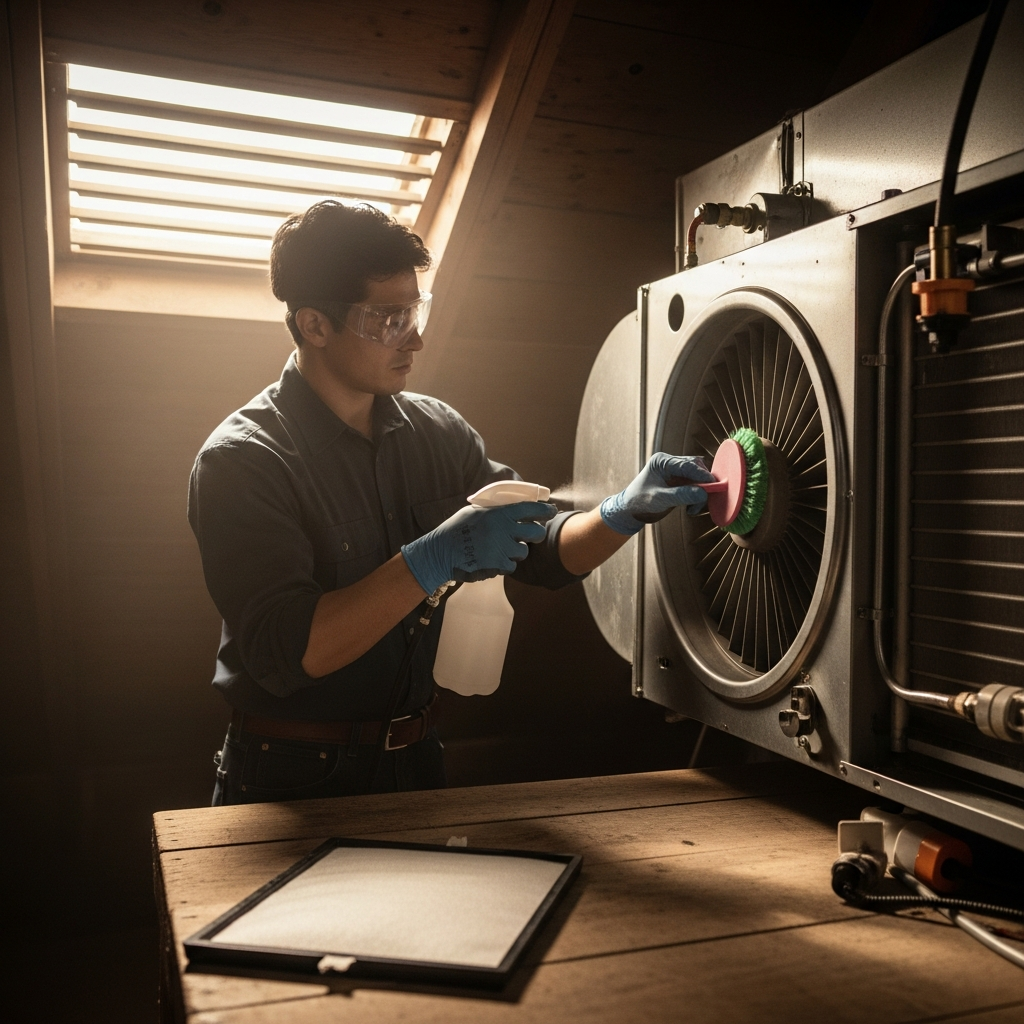
Your outdoor unit works in the thick of it. It rejects heat by moving air across an aluminum fin-and-tube coil, and that coil is a magnet for fine salt crystals and airborne debris. Over time, a rough, grayish film forms, which holds moisture and restricts airflow. The fix is not force—it is care. Turn off power at the disconnect. Remove the fan top if the design allows, taking care not to strain its wires. Rinse from the inside outward with a gentle stream until runoff clears. Apply a manufacturer-approved coil cleaner suitable for coastal environments, let it dwell, and rinse again. Do not use a pressure washer; it will flatten fins and drive water where it should not go. Once dry, consider a light application of corrosion inhibitor if your unit sits within strong onshore breezes.
Landscaping and placement matter along the coast. Trim vegetation to maintain clear intake on all sides and above. If the unit sits under a balcony, watch for trapped warm air and increased salt deposition. Avoid decorative screens that force the condenser to breathe its own exhaust. The goal is a free, fresh, and unimpeded flow of air, so the fan can do its job without strain.
Indoor coil and blower: the hidden heart
While the outdoor coil is obvious, the indoor coil and blower often do more than people realize. Malibu’s fine dust and occasional smoke can pass through filters and settle on these components over time, especially if filters are overdue. Signs of buildup include a musty odor when cooling starts and reduced airflow that you notice first in the rooms farthest from the air handler. Cleaning requires access: remove panels, inspect the coil face for a fuzzy mat, and check the blower wheel blades for film. Use approved cleaners and soft brushes, and protect surrounding components from drips. Reassemble with attention to sealing gaps so air goes where it should—through the coil, not around it.
Condensate care is equally vital in our humid mornings. Ensure the pan is clean and sloped, the drain line is clear, and any float switch interrupts power if water rises unexpectedly. A seasonal rinse with a mild vinegar solution helps keep slime and algae at bay. If your air handler sits in a tight closet or high attic over living space, that little float switch is an unsung hero—test it during spring service.
Filters: Malibu’s first defense
Filters are where household life meets the coastal environment. Open doors after the beach, sandy towels in the laundry, and pets lounging near returns all add to the story. Inspect filters monthly in summer and during windy or smoky stretches. Replace as soon as you see a matted surface. A high-MERV filter can be useful, but only if your system can breathe through it; otherwise, choose a moderate efficiency filter and change it more often. Check that the filter fits snugly—gaps let unfiltered air slip past and carry dust into the coil and blower.
Ductwork and airflow: keeping the path clear
Clean ducts are helpful, but sealed ducts are powerful. In many Malibu homes, ducts run through hot attics that hold heat well into the evening. Any leak steals cooled air and invites dusty attic air to enter the system. During maintenance, inspect joints for gaps, look for kinks in flexible runs, and confirm that insulation remains intact. Measuring static pressure gives a quick sense of system stress; high numbers suggest restrictions like dirty filters, clogged coils, or closed vents. Keep supply registers unobstructed by rugs or furniture so rooms balance naturally.
Electrical health in a salty, sunny climate
Corrosion is the quiet enemy of contacts, relays, and terminals. When you clean, also inspect. Look for discoloration, pitting on contactors, and swelling on capacitors. Confirm tight, clean terminations and verify proper voltage with the system under load. Malibu’s grid can fluctuate during wind events, so consider a quality surge protector. It is one of those components you do not notice until it quietly saves your control board during a gusty night.
Thermostats and sensible scheduling
Smart scheduling supports clean hardware. Malibu days often start cool enough to leave the system idle; as the sun takes over, you want a smooth ramp into comfort rather than a hard sprint. Program moderate setpoints that anticipate warmth. Avoid large setbacks that force long recovery periods; they make coils sweat more and can leave rooms clammy. Place the thermostat away from direct sun and drafts, especially near big glass walls that characterize many Malibu living rooms.
Coastal coatings and cabinet care
Beyond the coils, your cabinet and fasteners deserve attention. Wipe salt fog residue off panels regularly. When cleaning the outdoor unit, look at the base pan for rust starting at screw holes. Use manufacturer-recommended touch-up paint to seal any chips. For homes very close to the waterline, select equipment with coastal-rated finishes and stainless hardware when it comes time to replace. A little forethought extends the time between replacements in our environment.
Cleaning cadence you can live with
Turn maintenance into a rhythm. Plan a full spring service that includes thorough indoor and outdoor coil care, drain maintenance, electrical inspection, and airflow checks. During summer, keep filters fresh and give the outdoor unit a gentle rinse monthly if you are near the beach or after windy days. After any smoky period, bring inspections forward to catch residue before it hardens into a film. When routines are simple and seasonal, they are easier to keep—and your system responds with quiet, steady performance.
Common cleaning mistakes to avoid
Enthusiasm sometimes causes harm. Resist the pressure washer. Do not soak the electrical compartment. Avoid harsh cleaners that attack aluminum or paint. Do not brush fins aggressively; a simple fin comb and gentle water are safer. Do not close supply vents to “push” air elsewhere; it raises system pressure and invites noise. Finally, do not assume a single duct cleaning makes the system immune to dust. Start upstream with filters and coil cleanliness; then seal leaks so new dust does not accumulate.
What professional maintenance adds
While homeowners can do a lot, professional maintenance layers in measurements and experience. Technicians read superheat and subcooling to evaluate refrigerant charge, test the microfarads on capacitors, measure motor amp draws, and verify that airflow meets the system’s design. They carry coil cleaners selected for material compatibility, identify early signs of corrosion that are easy to miss, and adjust blower settings to match duct realities. In Malibu, where salt and moisture accelerate change, these professional eyes find and fix small issues before they grow. Scheduling a midseason maintenance check gives your system the best chance to glide through August without complaint.
Listening to your system
Cleaning is not just about looks; it is about sound and feel. New rattles, longer runtimes on mild days, warm air at the condenser discharge that seems hotter than usual, or a faint musty note when cooling starts—these are signals. They often point to airflow restrictions, coil films, or drains beginning to slow. A quick, calm response keeps comfort stable and avoids surprise weekends on the phone trying to find help.
Preparing for the shoulder seasons
Spring and fall are gifts in Malibu, but they also hide complacency. As the marine layer lingers, the AC may not run as often, but dust continues to drift through. Use these months to tidy filters, rinse the outdoor unit, and verify that smart thermostats still align with your living patterns after a season’s shift. If you have an integrated system that also handles heating, fall is the right time to confirm safe heat operation while refreshing the cooling side so it rests clean and ready for next year.
Frequently asked questions
How often should I clean the outdoor unit in Malibu? Perform a thorough cleaning each spring, then gently rinse monthly in summer if you are close to the water or after windy and smoky periods. Keep the area clear of vegetation and decorative screens that block airflow.
Can I clean the indoor coil myself? Access and safe cleaning can be challenging. Light dusting around accessible surfaces is fine, but deep cleaning is best handled during professional maintenance to avoid damaging fins, sensors, or condensate components.
Which filter should I use? Choose a filter that your system can breathe through—often a moderate MERV with a snug fit. Inspect monthly in summer and replace when the surface begins to mat with dust. Higher MERV is helpful only if your blower and ductwork can support it.
Is duct cleaning necessary every year? No. Reserve duct cleaning for post-renovation dust, smoke events, or when inspections reveal heavy buildup. Focus on filtration, coil cleanliness, and sealing leaks to keep ducts cleaner longer.
How does wildfire smoke change maintenance? Smoke loads filters quickly and can leave residue on coils and blower blades. After smoky spells, replace filters and consider a professional assessment to catch residue before it hardens and reduces airflow.
What is the safest way to rinse the condenser? Cut power, remove the top if possible, and rinse from inside out with gentle water. Protect electrical components, avoid pressure washers, and let the unit dry before restoring power.
Give your system the care our coast requires
Malibu’s climate is generous and demanding in equal measure. If you keep coils clean, filters fresh, drains clear, and airflow honest, your home will feel calm no matter what the afternoon brings. When you are ready to put that routine on autopilot, plan your next maintenance visit and enjoy a summer of quiet, effortless comfort—windows open to the view when you like, cool relief waiting when you need it.