
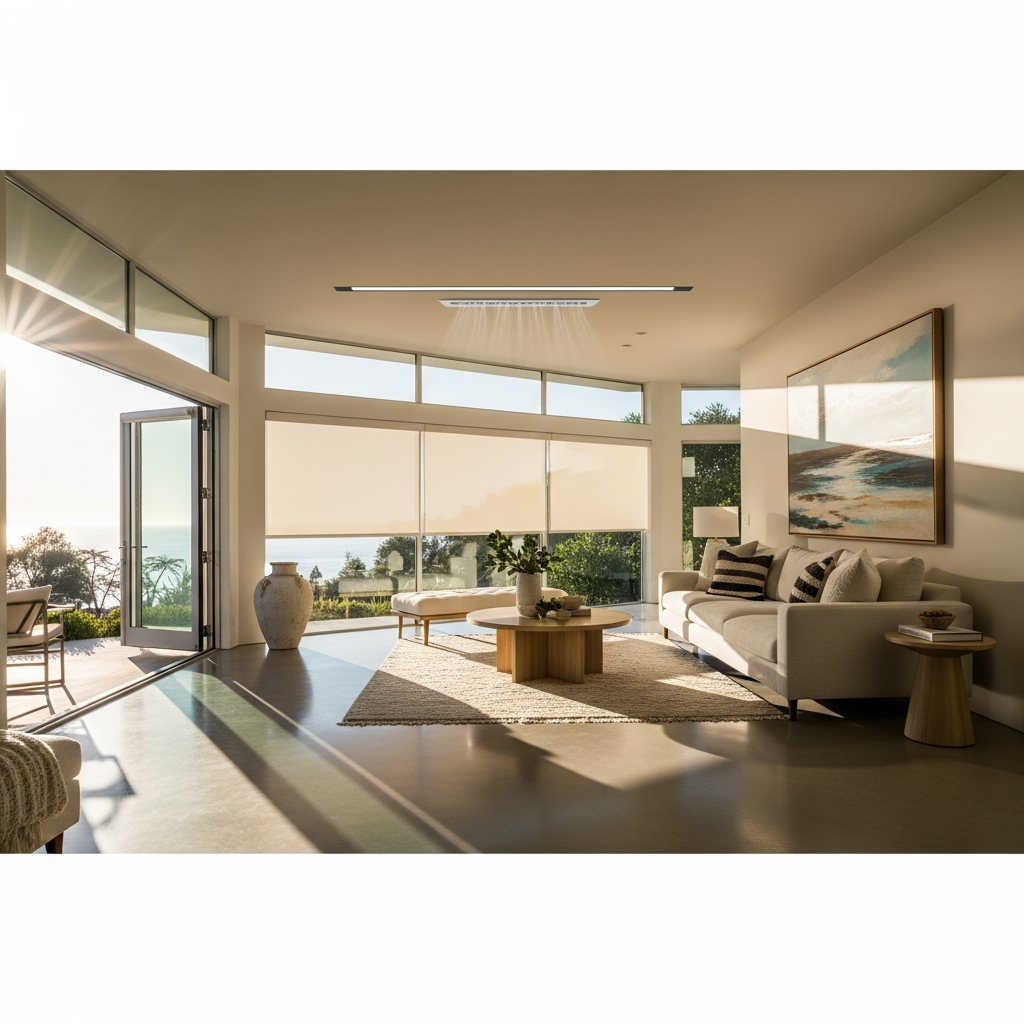
Summer in Malibu is a season of contrasts. Mornings can arrive wrapped in a marine layer that cools the shoreline, only to yield by early afternoon to radiant sunshine and shimmering heat over patios and glass-lined living rooms. Canyons funnel breezes in surprising ways, and hillside homes feel a distinctly different afternoon than beachside bungalows. In this mosaic of microclimates, reliable and nuanced air conditioning becomes as important as sunscreen and shade. It’s not merely about dropping the temperature; it’s about crafting an interior climate that keeps pace with summer’s quick shifts so your days flow naturally from surf to supper without a second thought about comfort.
Those who have spent a July or August here know the pattern. The fog retreats, the sun fully arrives, and west-facing rooms begin to store heat like batteries. By midafternoon, stairs and upper floors hold onto that stored energy, and by early evening, the house can still feel warm even as the outside air dips. Add lingering humidity from the morning’s ocean mist, and you have a recipe for restless nights. A Malibu-smart system anticipates this cycle, easing temperatures down before heat collects, subtly lowering humidity, and preserving quiet so naps and conversation don’t compete with mechanical noise.
Beating the radiant build-up
Glass is Malibu’s best friend for views and its biggest challenge in summer. When the sun slants across the Pacific and into a living room, the radiant load climbs fast. The importance of air conditioning here is not brute force but finesse: variable-speed operation that sidesteps the whiplash of hard-start cycles, long run times that sweep heat off glass surfaces, and diffuser placement that drifts cool air along ceilings so it gently falls where people are. This approach minimizes drafts, prevents cold spots, and makes the space feel naturally temperate rather than mechanically chilled.
Architectural shading, reflective roof finishes, and cross-ventilation design help, but they cannot tame every sunny afternoon. Smart cooling is the moderator, stepping in when passive strategies tap out. When designed to complement your home’s envelope, AC becomes an invisible collaborator with the architecture, not a counterpunch.
Humidity management for summer wellness
That classic Malibu morning—damp deck railings, a whisper of fog, salt in the air—can set the stage for sticky interiors later in the day if moisture isn’t managed. The importance of AC in summer is as much about drying as it is about cooling. When humidity lingers, sleep is tougher, fabrics feel heavy, and the home develops a faint mustiness. Systems optimized for our coast run long, light cycles that give coils time to condense moisture, leaving rooms crisp without being overcooled. The benefit is deeply felt at night when sheets feel cool to the touch and morning closets don’t greet you with a damp shrug.
For families, steady humidity control also means fewer flare-ups for sensitive sinuses and a kinder environment for musical instruments, art, and hardwoods. Summer here invites open doors, beach towels, and evening gatherings; a balanced indoor climate keeps everything feeling fresh.
Keeping pace with microclimates
From Broad Beach to Topanga Canyon, Malibu isn’t one summer—it’s several playing out at once. A home perched higher might enjoy cooler air with a relentless afternoon sun; a beach cottage may feel milder but saturated with moisture. The importance of adaptable cooling rises with that variety. Zoning allows south-facing rooms to receive focused attention while shaded guest rooms absorb minimal conditioning. Smart controls learn these patterns and tiptoe temperatures ahead of predictable spikes, smoothing summer’s jagged line into a gentle curve you barely notice.
In many homes, upstairs bedrooms take the brunt of late-day heat retention. A zone that trickles in cooling during the late afternoon prevents the “oven effect,” avoiding a nighttime scramble to force the temperature down and inadvertently overcool common areas.
Why quiet matters more in summer
Windows are open more often, patios are busy, and people drift between inside and out. Mechanical noise becomes more noticeable against that soundtrack of summer. The importance of quiet, steady AC grows: whisper-soft fans, inverter compressors modulating like a dimmer switch, and return paths sized for low velocity. With the right design, you can hear conversation and the ocean—without being aware of the system that’s quietly stabilizing the interior climate.
Outdoor placement matters too. Condensers tucked thoughtfully away from dining terraces and firepit lounges keep summer nights sociable. Acoustic screening and resilient pads add polish so even during higher output hours, ambience reigns.
Filtration during high-activity months
Summers bring open doors, beach gear, pollen on the breeze, and extra guests. Good filtration, paired with controlled ventilation, becomes essential. Filters with higher efficiency ratings can capture fine particulates without throttling air, and steady, low-speed circulation ensures that indoor air is continuously refreshed. The result is a home that smells as clean as it feels, even with a parade of sandy feet crossing thresholds.
For homes that occasionally experience regional haze or wind-driven particulates, a reliable cooling system doubles as an air quality guardian, keeping you comfortable without the temptation to open windows at the wrong moment. That’s comfort in the broadest sense—temperature, humidity, and purity working together.
Resilience on heat-wave days
Every Malibu summer brings a few days when the heat makes itself known. On those afternoons, the importance of AC is measured in how calm your home feels. Systems with capacity turndown can idle for most of the day and step up with composure when the mercury climbs. Pre-cooling strategies gently bank coolness in the thermal mass of the home, so rooms never feel like they are playing catch-up. Even with doors swinging open for barbecues, a tuned system re-stabilizes the interior quickly without that post-party, stuffy hangover.
And because our summer heat can be partnered with humidity, especially after foggy mornings, the ability to sustain dehumidification through long run times is what sets summer-ready systems apart. Dry air simply feels cooler, and comfort arrives at higher thermostat settings than you might expect.
Protecting finishes and furnishings
Summer sun can be harsh on fabrics and finishes, and humidity is a quiet antagonist. Air conditioning that moderates both temperature and moisture protects woven rugs, leathers, woods, and artworks from the seasonal swings that accelerate wear. If you’ve ever noticed a sticky drawer on a humid day or a guitar that seems to change its tuning routine with the weather, you’ve experienced what the right cooling strategy prevents. In Malibu, the importance of AC is also the importance of preservation.
Even stone and tile surfaces feel different when the air is balanced—cool underfoot without being clammy. That subtle distinction is what makes summer living feel genuinely luxurious rather than merely tolerable.
Supporting the summer schedule
Malibu summer days start early and end late. People surf at dawn, host friends at noon, and linger around tables well after sunset. A cooling system with smart scheduling and quick, quiet responsiveness keeps pace. Away modes hold gentle temperature and humidity targets while you’re out, then nudge conditions toward evening comfort as you head home. Guests can sleep soundly in rooms that are set to their liking without disturbing the balance in the rest of the house. There’s no heroic blast of cold at bedtime—just a room that was ready before the door even opened.
For second homes or rentals, remote access is invaluable. If a day runs long, you can still return to a fresh, comfortable interior without leaving the system to churn at full power all afternoon.
Mid-summer insight: planning around the marine layer
The marine layer is friend and foe. It cools the landscape but loads the air with moisture. By late morning, as the fog yields, the sun lights up surfaces that absorbed dampness at dawn. A summer-smart system responds by leaning into dehumidification first, then modulating toward sensible cooling as radiant gains climb. In the middle of your day, when the house is busiest, that choreography is the difference between a space that drifts into stickiness and one that stays effortlessly poised. It’s often during this daily pivot that a well-placed reminder to re-evaluate your air conditioning settings or zones can pay dividends in overall comfort.
Energy mindfulness without sacrifice
Many Malibu residents value resource stewardship, and summer offers opportunities to be comfortable and conscientious. Reflective roof finishes and well-considered shading lower the cooling burden, while variable-speed operation trims peaks and pairs gracefully with on-site solar. Zoning ensures that energy is directed where people are, not wasted in seldom-used rooms. And because dry air feels cooler, you can often keep setpoints a touch higher without losing an ounce of comfort—a small adjustment that adds up over the course of a season.
Commissioning matters too. A system that’s correctly charged, balanced, and controlled performs better and more quietly, so you enjoy both comfort and the satisfaction of good stewardship.
Comfort you can count on after sunset
Evenings are when the day’s choices reveal themselves. In homes where AC has been an afterthought, residual heat clings to upper floors and pushes bedtimes later. Where systems are tuned for Malibu summers, bedrooms are restful sanctuaries. The sheets feel crisp. The air feels light. Rather than blasting cold to overcome stored heat, the system coasts gently into a nighttime rhythm, prioritizing quiet and subtle drying. Wake up to a home that smells fresh, not like yesterday’s humidity.
For many, this is the moment when the importance of AC becomes unquestionable—not because the day was unbearable, but because the evening felt so effortlessly good.
Frequently Asked Questions
Q: Are Malibu summers really hot enough to justify serious AC?
A: Temperatures may not always spike like inland valleys, but radiant gains through glass, late-day heat retention, and persistent humidity make interior comfort a nuanced challenge. A capable system keeps spaces steady and dry, sidestepping the late-afternoon slump and promoting better sleep.
Q: How do microclimates affect my cooling plan?
A: Proximity to the ocean, elevation, and canyon orientation all change how heat and moisture behave in your home. Zoning and smart controls tailor conditioning to these patterns, allowing bright rooms to receive proactive attention while shaded spaces float along with minimal input.
Q: Can I rely on open windows instead of AC in summer?
A: Open windows are wonderful when outdoor air is ideal. But when humidity is high, pollen is active, or heat builds behind glass, windows alone often fall short. AC complements natural ventilation by stabilizing the interior when conditions outside are imperfect.
Q: What features make AC especially effective for Malibu summers?
A: Variable-speed compressors, long low-speed cycles for dehumidification, thoughtful diffuser placement near large glass, and intelligent zoning deliver the quiet, nuanced control that Malibu summers demand.
Q: Will a quiet system keep up during a heat wave?
A: Yes. Systems with capacity turndown can idle through mild periods and scale smoothly during heat waves, especially if they pre-cool and coordinate with shading. The experience is calm, not frantic.
Q: How does AC help with indoor air quality during busy summer months?
A: Continuous, gentle circulation paired with quality filtration removes fine particulates, pollen, and the subtle salt that rides the breeze. Balanced humidity makes interiors feel—and smell—cleaner even with frequent door openings.
If summer in Malibu is calling you to be outside more and worry less about the air inside, it may be time to refine your cooling plan. From quiet bedrooms to lively great rooms that resist sticky afternoons, your home can feel composed no matter what the day brings. Reach out to explore air conditioning options that are tuned to our coastline’s rhythms, and step into a season where comfort is the calm backdrop to every memory you make.