
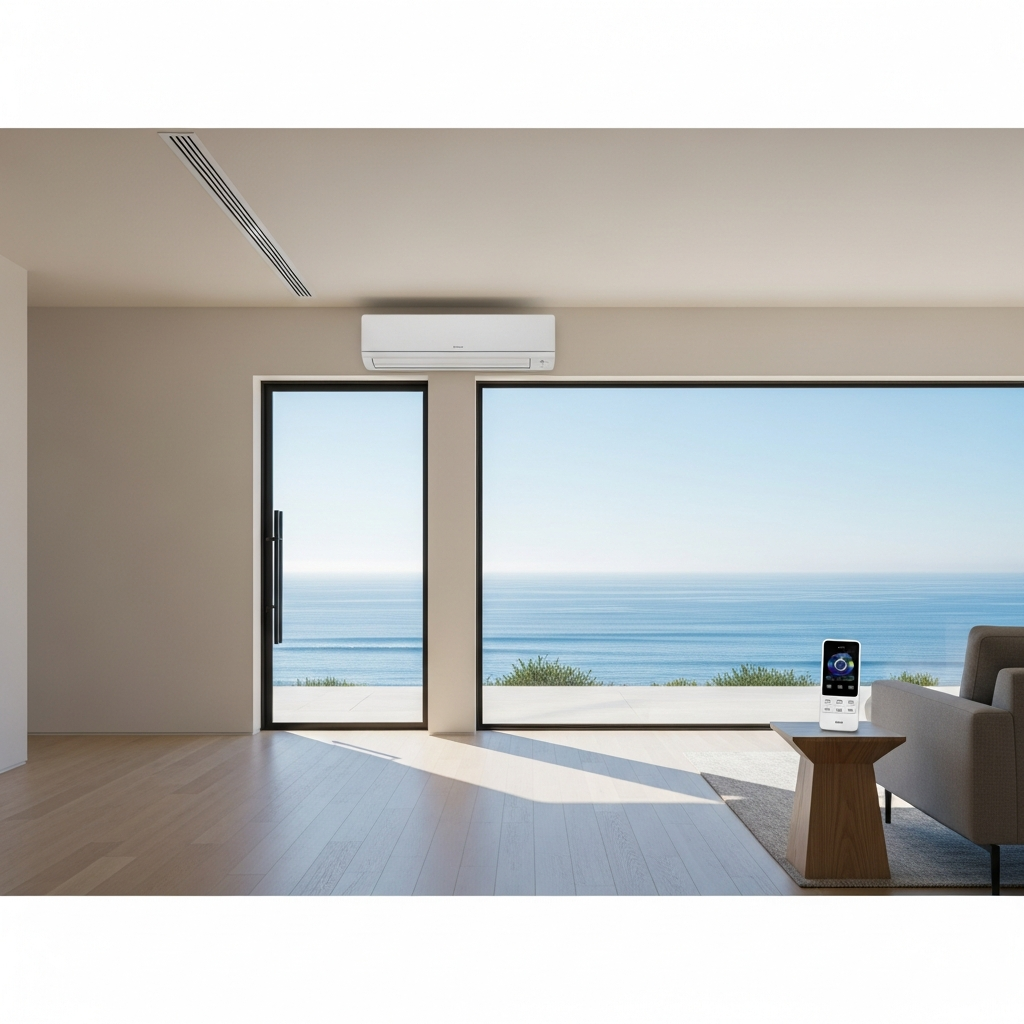
Walk any Malibu street and you’ll see the future of home comfort peeking out from behind native landscaping and sleek architectural lines. The beaches glitter, the canyons breathe, and inside, a quiet revolution is reshaping how we cool our spaces. Malibu’s needs are particular—salt air, glass-heavy design, and microclimates that swing from foggy mornings to sun-soaked afternoons. New air conditioning trends speak directly to these realities, emphasizing modulation over brute force, health and wellness over mere temperature, and integration over bolt-on solutions. The result is cooling that feels more like a living, learning companion to the home than a machine in the corner.
We’re seeing three ideas drive the shift: systems that adapt in real time, materials and designs that stand up to the coast, and controls that make comfort anticipatory rather than reactive. From Broad Beach to the hills above Pepperdine, homeowners are embracing this new toolkit to enhance daily life, protect finishes, and respect the quiet that Malibu living deserves.
Inverter-driven, variable capacity as the new baseline
If there’s a single trend redefining Malibu cooling, it’s modulation. Inverter-driven compressors and variable-speed air handlers can throttle anywhere from a whisper of output to robust performance, matching the home’s needs minute by minute. Why it matters here is simple: our climate demands long, low-speed cycles that dry the air without overcooling during foggy mornings, followed by poised ramp-ups when the sun energizes glass and stone. Modulation transforms comfort into a smooth curve rather than a jagged line of on/off swings.
These systems also speak softly—acoustically and electrically. Lower-speed operation is inherently quieter, and the energy profile pairs naturally with solar generation common on Malibu rooftops. In homes with multiple wings or detached studios, variable capacity keeps each space appropriately conditioned without the sense that anything is working hard.
Ductless and hybrid ducted designs
The clean lines of Malibu architecture invite solutions that either disappear or celebrate minimalism. Ductless mini-splits and slim ducted air handlers can tuck into tight soffits, float high on a wall like a considered design element, or vanish behind linear vents. The trend is to mix and match: ductless for glass-heavy rooms that benefit from direct, quiet delivery; compact ducted for bedrooms and hallways where concealed comfort preserves a gallery-like feel. The combination meets the needs of complex floor plans with fewer compromises.
In remodels, hybrid designs reduce invasive construction, preserving original details while improving performance. In new builds, teams are centering mechanical plans early, letting structure and duct runs coordinate so ceilings stay clean and views unobstructed. It’s comfort planned like cabinetry, not tacked on after the fact.
Coastal-grade materials and finishes
Salt is patient and persistent. Manufacturers now answer with coil coatings that bond at the molecular level, stainless or composite fasteners, and cabinets shaped to shed moisture. In Malibu, this isn’t an upgrade—it’s table stakes. We’re also seeing thoughtful details: UV-stable plastics that don’t chalk in the sun, gasket materials that keep their seal despite the ocean’s chemistry, and drain pans designed to resist biofilm growth. Indoors, aluminum or composite drain lines are replacing materials that corrode or clog easily in damp environments.
Installation practices are evolving with the hardware. Outdoor units are elevated above potential pooling, anchored for wind exposure, and shielded to avoid direct salt spray without starving airflow. The trend is toward a whole-system defense—materials, layout, and maintenance cadence working together to stretch lifespan.
IAQ-first thinking: filtration, purification, and balanced ventilation
Comfort is no longer just a number on a thermostat. Malibu homeowners ask for air that smells fresh after foggy mornings and feels vibrant after a day with the doors open. Higher-efficiency filters that don’t choke airflow, dedicated fresh air with energy recovery, and in-duct purification technologies are becoming standard. The winning combinations are subtle: enough filtration to capture fine salt and pollen, balanced ventilation that tempers incoming air, and purification that operates quietly in the background.
This wellness-forward approach matters in open-plan homes where air moves freely between spaces. With the right strategy, cooking smells clear faster, guest rooms remain inviting, and late-night reading nooks don’t feel stale by morning. It’s an upgrade you feel in your lungs and see in the way fabrics and finishes age more gracefully.
Smart, anticipatory controls and distributed sensing
Past systems waited for the thermostat to notice a problem. New systems listen to the home. Discreet wireless sensors in multiple rooms learn how sun, shade, and ocean breezes influence each zone. Algorithms anticipate heat spikes on west-facing glass and begin a low, quiet pre-cool before discomfort arrives. In shoulder seasons, they bias toward dehumidification after foggy mornings, then ease into light sensible cooling as the day clears. The home feels ready, not reactive.
Voice and app controls are now table stakes, but the deeper trend is orchestration. Shades, skylight actuators, and ventilation coordinate with cooling so comfort is achieved with the lightest touch. When you step into a room, it already feels right because the system understood the day’s narrative.
Electrification and heat pump dominance
Heat pumps have matured to the point that they are no-compromise solutions for Malibu’s temperate climate. Cooling in summer, gentle heating on cool mornings, and a single, elegant outdoor footprint are strong draws. The newest variable-refrigerant systems thrive in part-load conditions, which is where Malibu homes live most of the time. With thoughtful design, they deliver year-round comfort with a level of serenity that old equipment simply couldn’t match.
Electrification also aligns with rooftop solar and energy storage, allowing homeowners to move more of their comfort into daytime self-generation and reserve batteries for evening routines. The trend is a system that’s as future-proof as it is comfortable.
Low-GWP refrigerants and future-ready choices
Environmental responsibility is shaping equipment choices. Systems designed for lower global warming potential refrigerants—and service practices that minimize leaks—are gaining favor. Malibu homeowners appreciate solutions that perform beautifully today while aligning with long-term stewardship. Selecting platforms ready for next-generation refrigerants reduces future friction and keeps homes aligned with evolving codes.
Contractors are leaning into tight installation standards to reduce charge amounts and prevent leakage—good for the planet, reliability, and performance. The result is a cleaner mechanical room and a quieter relationship with maintenance.
Acoustic design: the sound of quiet
Noise has become a design variable. Projects now include early-stage coordination to place outdoor units away from terraces, to specify anti-vibration mounts, and to size returns generously for low airspeed. Indoors, registers are chosen for throw and diffusion characteristics that reduce draft sensation while keeping sound imperceptible. The new trend is a home where the soundtrack is waves, conversation, and music—not fan motors.
In bedroom zones, systems run at a trickle overnight, preserving humidity balance and temperature while keeping sound under the threshold of thought. Once you live with this quiet, it’s hard to go back.
Integration with architecture and art
Mechanical design is scaling the same aesthetic heights as cabinetry and lighting. Linear slot diffusers align with reveals; returns dissolve into shadow lines; service panels become part of millwork. This trend is especially visible in Malibu’s modern homes, where any mechanical intrusion is instantly noticeable. When the comfort system participates in the architecture, the home reads as more complete—every line purposeful, every surface calm.
For historic or character homes, slim ducted systems and carefully placed ductless heads respect existing details. Cooling becomes additive rather than disruptive, delivering comfort without erasing history.
Data, diagnostics, and longevity
Another trend shaping Malibu homes is predictive maintenance. Systems now report coil temperatures, fan speeds, and compressor modulation histories. Subtle deviations—the kind that precede a problem—trigger alerts long before comfort is affected. In a salt-air environment, this early warning can be the difference between a quick rinse and a component that suffers unnecessary wear. Maintenance becomes a steady cadence of small, effective touches.
This data-rich view also helps tune performance. If a west-side zone shows frequent afternoon ramp-ups, a shading tweak or diffuser adjustment may smooth the load. The home effectively teaches the system how to serve it better over time.
Resilience for wind and weather
Malibu homes inevitably encounter gusty afternoons and the occasional storm push. New installations consider wind baffles that maintain condenser airflow without inviting salt, raised pads that stay clear of pooling, and anchoring that resists movement. Indoors, drain safeties and float switches protect finishes from unseen clogs. Collectively, these details express a trend toward systems that take the coast in stride.
When a warm, dry wind spills over the mountains, a well-calibrated system modulates to maintain cool, balanced interiors without sounding alarmed. Resilience is as much about demeanor as it is about hardware.
Midstream upgrades during remodels
Remodels are Malibu’s heartbeat. The latest trend is integrating comfort conversations early—before framing locks in choices. Swapping a bulky trunk line for two slim runs can save a ceiling detail; placing a ductless head with an artful reveal can preserve a wall of glass. Builders, designers, and mechanical teams are collaborating from day one so the end result feels choreographed, not improvised. The payoff is a home that looks and feels better for decades.
When structural constraints exist, creative hybrids—mini-splits serving hard-to-duct rooms paired with a small, hidden ducted system—deliver clean aesthetics and precise control with minimal compromise.
The human experience at the center
Perhaps the most consequential trend is philosophical: comfort design is centering people, not equipment. That means mapping daily rituals—where you read in the morning, which rooms host sunset gatherings, how you sleep—and letting the system serve those rhythms. You notice it in the textures of summer: cool sheets without a draft, a great room that stays calm when thirty people come for a birthday, a studio that remains quietly focused when the fog hangs heavy outside.
Comfort also becomes social. Friends stay longer when the air is right. Homes welcome more often because preparation isn’t a scramble. There’s a sense that the house is always just a step ahead, setting the stage.
Frequently Asked Questions
Q: Are inverter systems worth it in Malibu’s mild climate?
A: Absolutely. Malibu isn’t extreme, but it is nuanced. Inverter systems excel in part-load conditions, which is where we live most of the time. They dry the air gently during foggy hours, then glide into quiet cooling when the sun hits—delivering steadier comfort and lower noise.
Q: Will ductless units clash with modern architecture?
A: Not when planned thoughtfully. Low-profile indoor units, color-matched casings, and slim ducted options let designers integrate or conceal equipment. Linear diffusers and shadow-line returns can make even ducted solutions nearly invisible.
Q: How do new trends address salt-air corrosion?
A: Through a combination of coil coatings, corrosion-resistant hardware, smart placement, and maintenance practices like gentle rinsing. The industry now treats coastal defense as a core requirement rather than a special request.
Q: Do I need energy recovery ventilation near the coast?
A: In many Malibu homes, balanced ventilation with energy recovery helps manage humidity and maintain fresh air without big temperature swings. It’s especially helpful in tighter, newer envelopes or homes with frequent entertaining.
Q: Can these systems work with solar and batteries?
A: Yes. Variable-capacity systems pair naturally with solar generation, smoothing loads and enabling smart operation when the house is producing energy. Controls can bias daytime operation to align with solar output, easing evening demand on batteries.
Q: Are smart sensors and data worth the complexity?
A: When used judiciously, yes. Distributed sensing and quiet automation remove daily fiddling and improve both comfort and longevity. The system feels more like an attentive butler than a machine—present when needed, invisible otherwise.
If you’re renovating or building—and even if you’re simply ready for a calmer, smarter interior climate—now is the moment to explore what today’s systems can do. Let’s map your routines, study your microclimate, and choreograph a solution that honors your architecture and your senses. Begin the conversation about air conditioning that’s trending for all the right reasons, and step into a Malibu home that feels quietly ahead of the weather every day.