
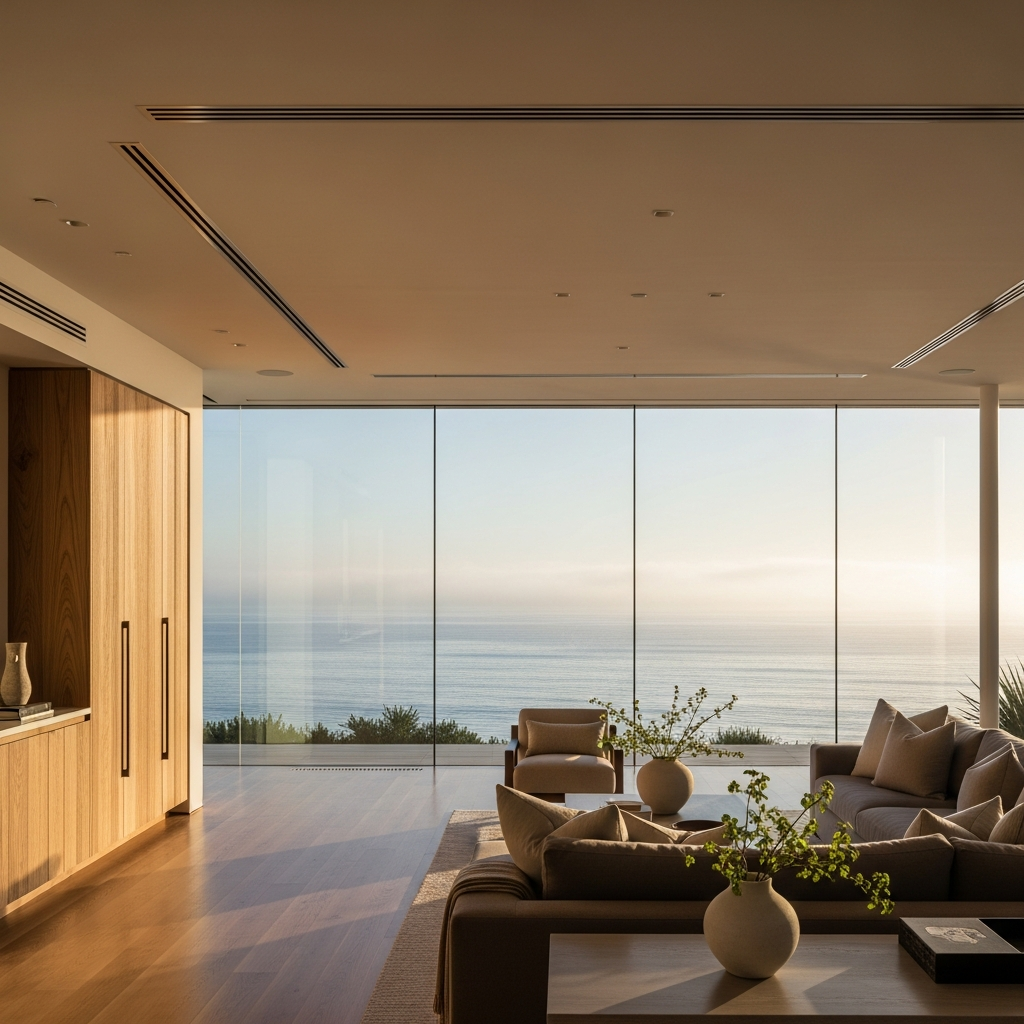
Step out on a Malibu deck at sunrise and you can almost taste the ocean in the air. That salt-kissed breeze and the familiar marine layer are part of why we love living here, from Carbon Beach to Point Dume and across the canyons that tumble toward the Pacific. Yet the same coastal charm that defines our days also creates unique demands inside our homes. The right air conditioning strategy doesn’t just cool a room; it safeguards finishes from salt-laden humidity, keeps living spaces comfortably dry, and provides an oasis of quiet, clean air when the winds howl or the afternoon sun draws heat into glassy great rooms. When thoughtfully designed for Malibu’s climate and architecture, AC becomes an essential ingredient in the coastal lifestyle rather than an afterthought.
Malibu homes are not generic boxes; they’re view-centric, breeze-friendly, and often open-concept sanctuaries that blur the line between indoors and out. Many are perched close to the shoreline where the marine layer rolls in like a soft blanket in the morning, only to burn off and yield to direct, intense sun by midday. That daily swing—cool, damp mornings followed by bright, radiant afternoons—creates a comfort puzzle that standard cooling approaches rarely solve well. The true benefit of a coastal-calibrated system is balance: precise temperature control, subtle humidity reduction, and an airflow pattern tuned to how you actually live in the space, not just to the square footage listed on a plan.
Humidity control that protects what you love
Ask any Malibu homeowner with original hardwood floors or artisan cabinetry and they will tell you the same story: humidity is as formidable an enemy as heat. Even when the temperature feels mild, elevated moisture from the ocean can nudge wood to swell, cause doors to stick, and encourage mold growth behind walls or in closets that don’t receive steady air circulation. A properly designed system excels at gently wringing excess moisture out of the indoor air without making the home feel chilly. That careful dehumidification preserves finishes, upholstery, and treasured artwork—quietly extending the life of materials that would otherwise suffer in a damp, saline microclimate.
In practical terms, this means favoring systems with variable-speed compressors and air handlers capable of long, low-power runs. Short, blast-cool cycles tend to leave humidity unchecked; long, even cycles invite the coils to stay at optimal conditions for moisture removal. The result is comfort that feels natural rather than mechanical, with fewer dramatic swings and none of the stickiness you notice after a day of open windows facing the ocean.
Acoustic peace in homes that prize serenity
Malibu’s soundscape is part of its magic: gentle waves, the muted rush of Pacific Coast Highway at a distance, the occasional offshore breeze. A hallmark benefit of a well-matched AC system is quiet performance that respects that serenity. Modern outdoor condensers with advanced fan profiles and inverter-driven compressors can be placed strategically to minimize noise near decks, meditation rooms, and bedroom patios. Indoors, carefully designed return paths and appropriate duct sizing soften air movement to a hush. For homeowners used to flinging open sliders to invite in ocean sounds, this kind of acoustic discretion makes mechanical cooling feel like a seamless extension of the environment.
Quiet doesn’t just feel better—it promotes better rest. When nighttime marine layers raise humidity, a silent, low-speed cooling mode can keep bedrooms crisp without the jarring on-off cycling of traditional systems. Restorative sleep is one of the most underrated benefits of the right system, particularly during late summer stretches when residual heat lingers in upper floors long after sunset.
Cleaner indoor air in a windswept environment
Living along the coast means dealing with a rotating cast of airborne guests: fine salt particles, pollen currents sliding down the canyons, dust after dry spells, and the occasional smoke drift when regional conditions change. Good AC brings filtration into the daily routine, constantly refreshing indoor air through high-quality filters designed to capture particulates without throttling airflow. Pairing filtration with balanced humidity gives allergens fewer opportunities to propagate, and properly sealed ducts prevent intrusion from attics or crawlspaces that may harbor coastal dampness.
Another subtle benefit is control over airflow direction. Many Malibu homes carry heat loads on the ocean-facing side because of large glass areas. Return placement and diffuser selection can nudge air patterns to sweep heat off these surfaces before it radiates deep into the interior, keeping common areas feeling light, bright, and fresh even in the afternoon sun.
Zoning that mirrors how you actually live
It’s common for Malibu homes to have complex floor plans: split levels, guest suites with separate entries, studios over garages, and expansive primary suites perched to capture the view. Zoning allows each of these areas to be treated as its own comfort microclimate. The benefit is twofold: daytime spaces receive quiet, steady conditioning when the sun is highest, while rooms that sit idle—perhaps a media room used mainly at night—don’t see unnecessary runtime. This tailored approach aligns cooling with your lifestyle rather than a single thermostat in the hallway making blunt decisions for the entire house.
In practice, zoning can be achieved with multiple air handlers or with ducted systems that use smart dampers to route airflow where it’s needed. Either way, people feel better and equipment doesn’t labor to meet the needs of spaces that don’t need attention at that moment. Over time, that gentler duty cycle helps components last longer in the salty coastal air.
Resilience against the coastal elements
Salt air is relentless, sneaking into metal housings, condensing on fins, and accelerating corrosion on anything unprotected. One of the quiet superpowers of today’s better systems is coastal-ready construction: protective coil coatings, marine-grade fasteners, and cabinets designed to shed moisture rather than trap it. Condensers can be sited to avoid direct blast from the ocean winds, with subtle screening that doesn’t interrupt airflow but reduces salt deposition. Rinsing schedules and simple exterior care keep the outdoor unit clean, while indoor components are selected with materials that resist the gentle, ever-present dampness of seaside living.
Placement itself is a benefit. A coastal-savvy design will raise equipment above areas prone to pooling water, minimize exposure to direct surf spray, and consider storm-driven debris. The payoff is reliability that feels invisible: your system simply works, without becoming a maintenance hobby.
Design harmony with Malibu’s architecture
Between historic bungalows and contemporary glass pavilions, Malibu architecture celebrates openness and artful restraint. A thoughtful cooling approach respects that aesthetic. Ductless heads are positioned to quietly skim air across glass walls without intruding on sightlines; linear diffusers vanish into ceiling details; return grilles are chosen for elegance rather than as an afterthought. Mechanical spaces are tucked away so as not to compromise view corridors, and outdoor equipment sits in harmony with landscaping, all while preserving the free-flowing ethos of indoor-outdoor living.
Homes with expansive sliding doors also benefit from systems that recover quickly after doors have been open for an hour of alfresco living. Here, variable capacity and intelligent controls shine, gently pulling the home back to setpoint without a loud rush or the discomfort of overcooling. It’s cooling that honors the way Malibu residents actually use their homes: joyfully, spontaneously, and with the ocean as a constant companion.
Smart controls that adapt to microclimates
From La Costa to Trancas, Malibu isn’t one climate; it’s a patchwork of microclimates shaped by elevation, canyon orientation, and proximity to the water. Smart thermostats and sensors learn how each zone behaves and adjust in advance of predictable shifts. If your hillside primary suite heats up quickly at 3 p.m., the system can coast the temperature down gently before peak sun, preventing a comfort dip. If cool marine air drifts in most mornings, the system extends dehumidification without overcooling.
These controls also serve your lifestyle. A quiet morning yoga session in the living room gets a slight bump in ventilation; an evening dinner party prompts a comfortable, unobtrusive uptick in airflow in the great room. The benefit isn’t just numerical efficiency; it’s the sense that the home is looking after you—whispering adjustments that keep the atmosphere exactly as you like it.
Energy stewardship that aligns with coastal values
Many Malibu homeowners prioritize stewardship—of the land, the ocean, and the resources we all share. Modern systems reward that mindset with variable-speed technology that sips energy rather than gulps it, especially when paired with smart zoning. High-performance envelopes, thoughtful shading, and reflective exterior finishes work hand-in-hand with efficient cooling to reduce overall demand. When integrated with solar and home battery systems, the cooling strategy can be tuned to take advantage of on-site generation, flattening peaks and maintaining comfort even during grid hiccups.
But energy stewardship also shows up at the micro level: tighter ducts mean fewer losses, careful commissioning reduces unnecessary run times, and a balanced system avoids the waste of reheating or recooling rooms because of poor control logic. The cumulative benefit is a home that feels effortless and responsible at the same time.
The wellness angle: comfort you can feel
Comfort is more than a number on a thermostat. It’s the sensation of crisp sheets on a summer night when the marine layer sneaks in, or the relief of a cool, dry living room after a beach day. By managing humidity and maintaining steady, quiet airflow, a well-designed system reduces that sluggish, heavy feeling that high moisture brings. For those sensitive to allergens, consistent filtration and balanced humidity translate to fewer flare-ups and a more vibrant daily experience. Even houseplants and musical instruments fare better when the air is stable and clean.
On high-heat afternoons, where the sun pours through west-facing glass, a responsive system prevents that late-day energy slump. In the evenings, it shifts into a restorative mode that supports deep sleep and cooler bedrooms without cold blasts. If you’ve ever awakened to a foggy morning with windows beaded in condensation, you know the subtle discomfort that comes with dampness. Proper conditioning addresses it with elegance.
Benefits during shoulder seasons
Malibu’s shoulder seasons can be deceiving. Spring mornings arrive with a brisk bite, and by lunchtime the sun has turned patios into pleasant lounges. In fall, offshore breezes can make late afternoons feel warmer than expected. A nuanced system handles these shoulder moments with feather-light touch: a whisper of cooling here, a focus on drying there. The less your system overshoots, the more you notice the absence of discomfort. That’s a benefit in itself—the luxury of not thinking about the air because it always feels right.
During these times, remote access proves practical too. If you’re away for the day and the conditions change quickly, a quick adjustment readies the home for your return. It’s one of those quiet conveniences you don’t realize you needed until you’ve had it for a while.
Mid-coast insight: the value of expertise
Malibu’s combination of salt, sun, wind, and architecture calls for guidance from professionals who understand the area. Everything from the height of a condenser pad to the placement of a discreet return can alter how the system feels in daily life. In the middle of a remodel, a small shift in duct routing can preserve a cherished ceiling detail or a sightline to the water. And when it comes to the living experience, the fine points—like diffuser selection over a glass wall or coil coatings suited to ocean exposure—make a world of difference. This is where a conversation about air conditioning becomes a conversation about how you actually inhabit your home.
Preserving privacy and views
Malibu homes are social by nature, but privacy matters—especially outdoors. Mechanical equipment that stays low-profile preserves garden vignettes and ocean glimpses from terraces. Indoors, grilles and registers that disappear into finishes allow artwork and architecture to speak without distraction. That harmony doesn’t simply look better; it’s easier to live with. You enjoy the space as intended while your system operates like a trusted stagehand, setting the scene, then stepping into the wings.
When the design supports it, systems can even pair with motorized shades to anticipate heat gain, softening the late-day load so cooling remains feather-light. The experience is one of integration, not imposition.
Peace of mind when the wind picks up
Coastal living occasionally brings gusty afternoons and evenings when the wind chases air through gaps and around door sweeps. A purposeful AC plan reduces infiltration by maintaining a slight pressure balance and ensuring doors open to a stable, conditioned interior. Sealed ducts and balanced return paths keep the home from becoming a wind instrument. It’s the sort of benefit you notice only in its absence: no whistling, no hot spots, no damp edges on cooler nights.
And after a windy day, a quick post-sunset dehumidification pass can make the house feel freshly laundered—crisp, calm, and ready for dinner with the doors closed to the chill.
Frequently Asked Questions
Q: Why is humidity control such a big deal in Malibu if temperatures are often mild?
A: Even when the thermometer reads comfortably, the ocean’s moisture drifts into our homes and lingers. That elevated humidity affects wood, fabrics, artwork, and even the way your skin feels. A system tuned for gentle, continuous moisture removal prevents swelling doors, musty closets, and condensation on cool mornings. The benefit is a home that feels fresh year-round without resorting to overcooling.
Q: What makes a system “coastal-ready”?
A: Coastal-ready systems use protective coil coatings, corrosion-resistant fasteners, and cabinet designs that channel water away from sensitive components. Placement matters too—locating outdoor units out of the direct salt wind path, elevating them above pooling water, and maintaining clear airflow with mindful screening. Coastal readiness is a package of materials, layout, and maintenance practices that collectively fight corrosion.
Q: Will a quiet system still keep up during hot afternoons with lots of glass?
A: Yes, provided it’s sized and designed for your home’s actual heat profile. Variable-speed compressors and air handlers run longer at lower volumes to quietly manage both heat and humidity. Combined with thoughtful diffuser placement near large glass areas and smart pre-cooling before peak sun, you’ll feel steady comfort without the roar of old-school, on-off equipment.
Q: Do I need separate systems for different wings or floors?
A: Not always. True zoning can be accomplished with multiple air handlers or a single ducted system using intelligent dampers and sensors. The right approach depends on layout, finishes, and how you use each space. The goal is to give each zone the autonomy it needs without complicating daily operation.
Q: How does AC help with indoor air quality near the coast?
A: Filtration is the front line, capturing salt micro-crystals, pollen, and fine particulates that ride the breeze. Humidity control is the second line, keeping moisture from creating a welcoming environment for mold. Properly sealed ducts prevent musty air from attics and crawlspaces from joining the party. Together, these elements deliver air that smells and feels noticeably cleaner.
Q: What about maintenance in salty air?
A: Regular rinsing of outdoor coils, timely filter changes, and periodic inspections of coated components go a long way. Keeping vegetation trimmed and ensuring free airflow maintain efficiency and longevity. Small, consistent attention is more effective than sporadic, major overhauls—especially in a climate where airborne salt never really takes a day off.
Whether you’re renovating a surfside bungalow or refining the comfort of a hillside retreat, the benefits of a Malibu-calibrated cooling plan are abundantly clear: quieter days, drier nights, fresher air, and finishes that stand the test of salt and sun. If you’re ready to align your home’s daily experience with the realities of our coast, let’s talk about systems, placement, and the details that make life feel effortless. For guidance tailored to your microclimate and architecture, start a conversation about air conditioning that honors the Malibu way of living. Your view will look the same—but the air will feel better in every season.