Debunking Myths About Salt Air AC Damage in Malibu
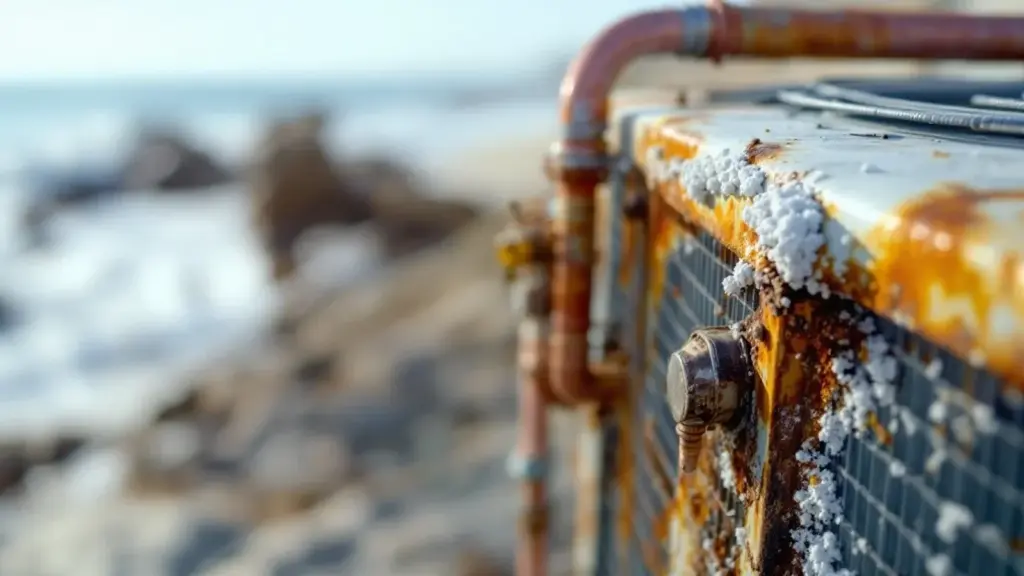
Research from materials science studies indicates that coastal environments can accelerate metal corrosion by up to ten times the rate of inland areas. In Malibu, California, where ocean breezes carry fine moisture droplets saturated with sodium chloride, this chemical reality impacts home comfort systems every single day. Outdoor condenser units are constantly bathed in a damp, salty mist that settled on delicate aluminum fins and copper coils, triggering an electrochemical reaction that degrades metal and hinders heat transfer.
Because the local microclimate is so distinct, homeowners along Pacific Coast Highway and up in the Malibu canyons often encounter conflicting advice about how to care for their cooling systems. Misunderstanding how ocean air interacts with mechanical components can lead to premature system failure, unnecessary utility expenses, and improper maintenance. To help clear the air, we investigate the most common misconceptions regarding salt air AC damage Malibu residents face, separating coastal science from common folklore.
The Malibu Coastal Microclimate and Your HVAC Unit
Malibu occupies a narrow strip of coastline where the Santa Monica Mountains meet the Pacific Ocean. This unique geography creates a persistent marine layer, high humidity levels, and steady onshore winds. The air carries microscopic salt particles, known as sea salt aerosols, which are highly hygroscopic, meaning they readily absorb moisture from the air. When these particles settle on the interior and exterior surfaces of an air conditioner, they form a highly corrosive electrolyte solution.
Standard residential air conditioning systems are designed with copper tubing and aluminum heat exchanger fins. When these two different metals are in physical contact and exposed to a conductive salt solution, galvanic corrosion occurs. The aluminum fins, which are thinner and more chemically active, act as an anode and sacrifice themselves, deteriorating into a white, powdery residue. As these fins crumble, the outdoor unit loses its ability to reject heat, causing the compressor to run longer, draw more electricity, and fail years before its expected lifespan.
Myth: Only Oceanfront Homes Face Salt Air AC Damage
Reality: While properties directly on Broad Beach or Malibu Road experience the most intense exposure to ocean spray, salt air AC damage Malibu issues do not stop at the beach side of Pacific Coast Highway. Winds carry corrosive sea salt aerosols several miles inland and up into the canyons, including Malibu Park, Point Dume, and Serra Retreat.
Elevated canyon areas often experience a daily thermal wind cycle. Cool, salt-laden marine air is drawn inland during the day, carrying aerosols up the hillsides where they deposit onto outdoor condensers. Even if your home does not have a direct view of the surf, your system is still subject to the same electrochemical degradation, albeit at a slightly slower rate than an oceanfront property. Regular inspections by a qualified HVAC contractor Malibu can identify these early deposits before they eat through your coils.
Myth: Washing Your AC Coils with a Hose Cures Salt Damage
Reality: Spraying down your outdoor unit with a standard garden hose is an excellent maintenance practice, but it is not a permanent cure or a complete substitute for professional care. In fact, if done incorrectly, high-pressure water can actually worsen the problem.
Using too much water pressure can bend the delicate aluminum fins, trapping salt deposits deep within the coil pack where they cannot be rinsed away. Furthermore, tap water contains minerals that can contribute to scale buildup. While a gentle, low-pressure rinse with clean water once a month helps wash away loose surface salt, it cannot remove the stubborn, chemically bonded corrosion products that have already begun to degrade the metal. If your system has already begun showing signs of surface degradation, you may require professional air conditioning repair Malibu to safely clean, treat, and restore heat transfer efficiency.
Myth: Any Aftermarket Coating Will Protect Coils Permanently
If you want it handled correctly the first time, consider professional hvac contractor in Malibu.
Reality: Protective anti-corrosion coatings are highly effective, but they are not a permanent, one-time cure-all. Many homeowners believe that spraying a generic aerosol protectant on their outdoor coils will shield them forever from the harsh Malibu salt air.
In reality, aftermarket coatings must be applied with extreme precision. If a coating is applied over existing salt deposits or dirt, it can trap the corrosive agents against the metal, actually accelerating the destruction of the coils underneath. Additionally, coatings slightly reduce the heat transfer efficiency of the metal fins. Professional-grade, factory-applied coatings or specialized field treatments are engineered to minimize this insulating effect while providing robust protection. However, these barriers wear down over time due to UV exposure and wind-borne sand, requiring professional assessment and reapplication as part of regular coastal HVAC maintenance protocols.
Myth: Turning Off the AC During the Winter Prevents Salt Build-Up
Reality: Leaving your air conditioner turned off during the cooler winter months does nothing to stop salt accumulation. Sea salt aerosols are carried by the wind year-round, and Malibu’s winter storms can bring heavy winds that carry saltwater spray even further inland.
In fact, an idle air conditioner can sometimes deteriorate faster than one in use. When a system is running, the vibrations, airflow, and heat generation can help shed loose debris and dry out residual moisture. When a unit sits dormant for months in a damp marine environment, moisture and salt sit undisturbed on the metal surfaces, creating an ideal environment for localized pitting corrosion. Homeowners should maintain a consistent, year-round maintenance routine rather than ignoring their outdoor systems when the cooling season ends.
Myth: Standard Manufacturer Warranties Cover Coastal Corrosion
Reality: This is one of the most costly misconceptions for local property owners. Most major HVAC manufacturers explicitly exclude damage caused by salt air, coastal environments, or airborne corrosive agents from their standard limited warranties.
Because salt-induced degradation is considered an environmental hazard rather than a defect in materials or workmanship, a standard warranty will not cover the cost of replacing corroded coils or a failed compressor. Some manufacturers offer specialized coastal units with enhanced warranties, but these must be selected specifically at the time of purchase. To protect your investment, it is critical to recognize the early signs of coastal AC failure so you can address small issues before they require a complete, out-of-pocket system replacement.
Myth: Installing a Barrier or Box Around the Unit Blocks Salt Air
Reality: Trying to shield your condenser by boxing it in with solid fences, dense landscaping, or plastic covers can severely damage your system by choking off essential airflow.
An outdoor air conditioning unit works by pulling a massive volume of air through its sides and blowing it out the top to release heat. If you restrict this airflow with tight wooden enclosures, solid walls, or thick bushes, the hot air discharged from the top will recirculate back into the sides. This causes the system to overheat, operate at extremely high pressures, and consume vastly more energy. While strategic landscaping can act as a windbreak to deflect direct sea spray, it must be designed with adequate clearance to allow free, unrestricted breathing space around the entire unit.
Many Malibu homeowners rely on expert hvac contractor in Malibu for exactly this.
Myth: High-MERV Air Filters Stop Salt Damage Inside the Home
Reality: High-efficiency particulate air (HEPA) or high-MERV filters are excellent for improving indoor air quality, but they do not protect the most vulnerable part of your cooling system from salt air damage.
The primary site of salt air corrosion is the outdoor condenser unit, which does not interact with your indoor air filter at all. The indoor air filter only treats the air circulating within your home’s ductwork. While it is true that salt particles can enter the indoor living space through open windows and affect the indoor evaporator coil, the outdoor coil remains the front line of defense and the most vulnerable to rapid degradation. Protecting your HVAC system requires a comprehensive approach that focuses on both the indoor air quality and the physical preservation of the outdoor machinery.
Frequently Asked Questions
How often should I rinse my outdoor AC unit in Malibu?
In Malibu, homeowners living within a mile of the ocean should gently rinse their outdoor condenser coils with a low-pressure garden hose once every two to four weeks. If you live further inland, a monthly rinse during the dry season is usually sufficient to help clear accumulated salt particles.
Can I coat my own AC coils to protect them from salt?
It is not recommended to apply DIY coatings to your AC coils, as improper application can trap salt deposits against the metal, accelerate corrosion, and insulate the coils, which reduces the system’s cooling efficiency. Protective coatings should be applied by a certified technician who can thoroughly clean and prepare the metal surfaces first.
How do I know if salt air is already damaging my air conditioner?
Signs of salt air damage include a white, powdery residue on the aluminum fins, flaking or crumbling metal on the outdoor unit, and a noticeable loss in cooling capacity. If you notice any of these signs, it is wise to schedule a professional inspection to determine if the coils can be cleaned or if they require repair.
Do coastal-rated air conditioners really make a difference?
Yes, specialized coastal air conditioners are manufactured with epoxy-coated coils, rust-resistant hardware, and treated cabinets designed to withstand marine environments. While they require an initial investment, they typically last significantly longer in Malibu than standard residential models.
Take Control of Your Coastal Comfort
Understanding the unique relationship between Malibu’s marine environment and your home’s air conditioning system is key to avoiding costly breakdowns. Salt air is a powerful force of nature, but with the right information and a proactive maintenance plan, you can protect your equipment and ensure your home stays comfortable throughout the warmest summer days.
If you suspect salt air has already started to affect your outdoor unit, or if you want to implement a professional defensive strategy for your HVAC system, we can help. For personalized guidance on maintaining, repairing, or selecting a new coastal-grade system for your home, explore our options for professional AC replacement Malibu to find the right long-term solution for your property.