
Selecting the Best Oceanfront Air Conditioners in Malibu: A Coastal HVAC Buying Guide
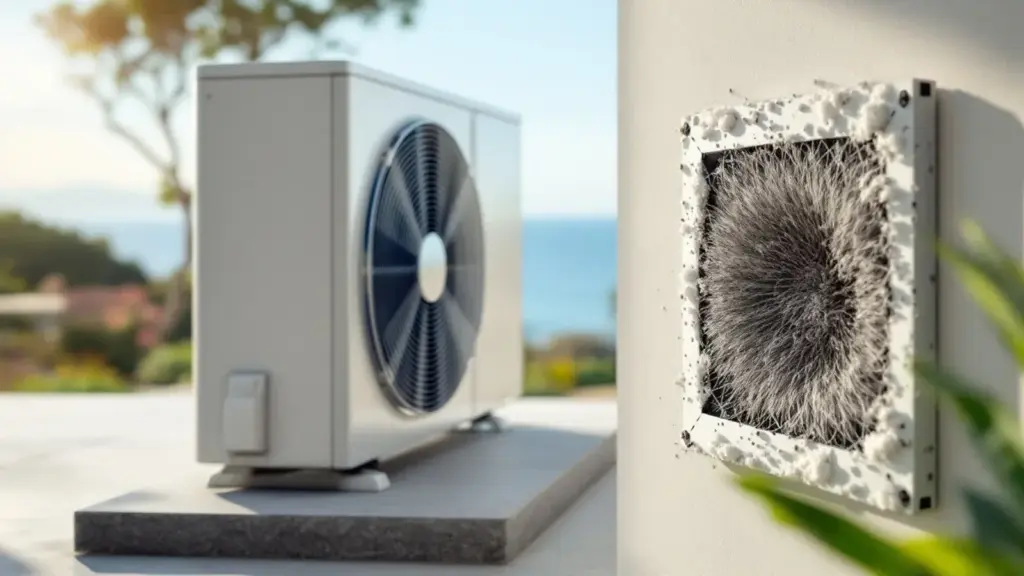
Ignoring the microscopic salt spray drifting off the Pacific Ocean can quietly destroy a standard residential cooling system in less than half its normal lifespan. In our coastal climate, salt-laden moisture settles on untreated metal surfaces, initiating galvanic corrosion that eats through aluminum fins, pits copper tubing, and causes premature refrigerant leaks. Without protective planning, Malibu homeowners often face rapid efficiency loss, escalating utility bills, and system failure years before expected. Choosing a system designed specifically to withstand this relentless environment is the only way to safeguard your home comfort and investment.
Selecting the best oceanfront air conditioners in Malibu requires looking beyond standard efficiency ratings. It demands an understanding of specialized metallurgy, marine-grade protective coatings, and tailored installation practices that can survive the damp, salt-rich air of the Southern California coast.
The Malibu Coastline Climate and Your Cooling System
The geography of Malibu, stretching along a narrow strip of coastline backed by the Santa Monica Mountains, creates a highly localized microclimate. Homes situated along Pacific Coast Highway or up on the immediate coastal bluffs experience high relative humidity, frequent morning fog, and constant onshore winds carrying atomized saltwater. This combination of salt, moisture, and oxygen is highly corrosive to standard outdoor condensing units.
Traditional air conditioners rely on thin aluminum fins pressed against copper tubing to dissipate heat. When salt deposits bridge the gap between these two different metals, moisture acts as an electrolyte, triggering galvanic corrosion. This process turns the aluminum fins into a white, powdery residue, destroying the system’s ability to transfer heat and forcing the compressor to run hotter and longer. To avoid frequent repairs, property owners must select equipment specifically engineered for these demanding marine conditions.
Before You Start: Coastal Equipment Requirements
Before purchasing a new cooling system for a beachside or blufftop home, compile the following specifications and considerations:
- Proximity to the High-Tide Line: Homes within 3,000 feet of the ocean require maximum corrosion protection.
- Existing Unit Footprint: Note the physical space available on your deck, side yard, or roof, as coastal units with protective coatings can sometimes feature slightly different cabinet dimensions.
- Electrical Service Capacity: Ensure your home’s panel can accommodate modern, high-efficiency variable-speed systems.
- Warranty Terms: Standard manufacturer warranties often contain exclusions for damage caused by salt air, making specialized coastal warranties essential.
- Maintenance Access: Ensure there is clear physical access around the outdoor unit for regular rinsing and inspection.
Step 1: Choose the Right Coil Metallurgy
The design of the outdoor condenser coil is your primary defense against salt air corrosion. Standard copper-tube, aluminum-fin coils are highly susceptible to galvanic decay in coastal zones. When shopping for the best oceanfront air conditioners in Malibu, look for systems that utilize all-aluminum microchannel coils or specialized copper-to-copper constructions. All-aluminum configurations eliminate the joining of dissimilar metals, removing the primary catalyst for galvanic action and significantly extending the physical integrity of the heat exchanger.
Step 2: Specify Marine-Grade Protective Coatings
If you want it handled correctly the first time, consider professional hvac contractor in Malibu.
Raw metal will not survive long near the beach. Ensure your selected cooling system features factory-applied, marine-grade epoxy or polyurethane coatings on the condenser coils. These specialized coatings, such as Heresite, Blygold, or manufacturer-proprietary dipped coatings, provide an impenetrable barrier over the metal surfaces without insulating the coils or reducing heat transfer efficiency. Pre-coated coils can withstand thousands of hours of salt spray testing, far outlasting standard untreated copper and aluminum.
Step 3: Select a Corrosive-Resistant Cabinet Design
The outer housing of your outdoor unit is exposed to the same harsh salt air as the internal coils. Look for cabinets constructed from heavy-gauge galvanized steel protected by a baked-on powder paint finish. Additionally, top-tier coastal systems often feature composite or plastic base pans rather than metal ones, which completely eliminates the risk of rust forming at the bottom of the unit where water and salt debris naturally pool.
Step 4: Evaluate Compressor and Fan Motor Protection
The moving parts inside the outdoor unit must be shielded from the coastal atmosphere. Ensure the fan motor is fully enclosed with a sealed shaft to prevent moisture penetration. The compressor should be protected by a weather-resistant sound blanket, which dampens operational noise while offering an extra physical barrier against salt-laden sea breezes. Fasteners, screws, and brackets on the unit exterior should be made of stainless steel or treated with specialized anti-corrosion coatings.
Step 5: Review the Coastal Warranty Fine Print
Read the manufacturer’s warranty carefully before finalizing your selection. Many standard warranties explicitly exclude coverage for rust and corrosion damage if the unit is installed within a certain distance of the coast (often within five miles of the ocean). Look for manufacturers that offer dedicated coastal warranties or those that do not void coverage for salt-air exposure when documented, routine maintenance is performed. Partnering with a qualified HVAC contractor Malibu ensures your equipment is registered correctly to preserve these vital protections.
Step 6: Plan the Physical Installation Location
Where you place the outdoor unit significantly influences its survival rate. Avoid positioning the condenser where it faces direct, unobstructed onshore winds. If possible, utilize natural architectural shielding, such as placing the unit on the leeward side of the home, behind a retaining wall, or within a well-ventilated alcove. Always maintain the manufacturer’s specified clearances around the unit to ensure unrestricted airflow and easy access for cleaning.
Step 7: Establish a Routine Maintenance and Rinse Protocol
Many Malibu homeowners rely on expert hvac contractor in Malibu for exactly this.
Even the most durable marine-grade systems require active upkeep to prevent salt accumulation. Establish a schedule to gently rinse the outdoor condenser coil with clean, low-pressure fresh water from a garden hose every month. This simple step washes away accumulated salt crystals before they can bond to the protective coatings. Avoid using high-pressure sprayers or pressure washers, as these can easily bend the delicate coil fins and force water into electrical components. For comprehensive system care, refer to our detailed guide on protecting Malibu AC systems from rust.
When to Call a Professional in Malibu
While routine freshwater rinsing is an excellent task for homeowners, physical system selection, electrical integration, and refrigerant charging must be performed by a licensed professional. Installing an air conditioner on a Malibu coastal property often involves navigating specific local structural requirements, especially for elevated decks or rooftop installations. A professional technician can properly calculate the heat load of your coastal home, verify that your ductwork is sealed, and apply post-installation protective sprays to electrical connections that standard factory coatings might miss. If you are noticing reduced cooling performance or visible rust on your current outdoor cabinet, it is time to consult an expert regarding coastal AC replacement cost factors to find a durable solution for your property.
Frequently Asked Questions
How long does a standard air conditioner last on the Malibu coast?
An untreated, standard air conditioner installed close to the beach may begin showing signs of severe corrosion within three to five years, often failing completely before its seventh year. In contrast, a system engineered with marine-grade coatings and properly maintained can last much longer, matching typical inland lifespans.
Can I apply protective coatings to my existing AC unit?
Yes, aftermarket protective sprays can be applied to existing coils, but they are generally less effective than factory-applied dipped coatings. Factory coatings are applied to the individual components before assembly, ensuring complete coverage of every nook and cranny that is impossible to reach once the unit is built.
How often should I wash my coastal air conditioner?
It is recommended to gently rinse the outdoor condenser coil with fresh water from a garden hose once a month. This prevents salt crust from building up on the coil fins and helps maintain optimal heat transfer efficiency throughout the year.
Does a coastal AC unit cost more than a standard unit?
Systems featuring marine-grade coatings, stainless steel hardware, and specialized cabinet materials carry a higher initial equipment cost. However, this investment is offset by preventing premature system replacement and avoiding the rapid efficiency loss associated with corroded coils.
Selecting the Right System for Long-Term Comfort
Investing in a system designed for marine environments is essential for coastal Malibu homeowners. By prioritizing coated coils, corrosion-resistant cabinets, and proper placement, you protect your home from the destructive effects of salt air. Keep your new investment running efficiently year after year by partnering with an experienced team for regular coastal HVAC maintenance to ensure your coastal home remains cool and comfortable through every season.