
How to Protect Outdoor AC from Salt Air Malibu Checklist
Step outside your home and you can feel the heavy, moisture-laden ocean breeze coming off the Pacific. While that refreshing coastal air makes living in Malibu spectacular, it is simultaneously working to destroy your heating and cooling system. The salt-rich moisture clings to metallic surfaces, triggering a rapid chemical reaction that eats away at critical components. Homeowners along the coast often watch their expensive outdoor condenser units degrade years ahead of schedule. Learning how to protect outdoor AC from salt air Malibu is the single most effective way to prevent premature system failure and keep your home comfortable year-round.
Without proactive care, the delicate aluminum fins on your condenser coil will disintegrate, reducing heat transfer and forcing your compressor to work twice as hard. This guide provides a highly practical, actionable checklist designed to stop salt-air corrosion in its tracks. For those facing advanced wear who need a professional assessment, reaching out to an experienced HVAC contractor Malibu is the best next step to evaluate whether your system requires targeted repairs or a complete coastal-grade upgrade.
Weekly Homeowner Maintenance Checklist
Consistent, simple actions can drastically slow down the accumulation of salt crystals on your outdoor unit before they have a chance to bond to the metal surfaces.
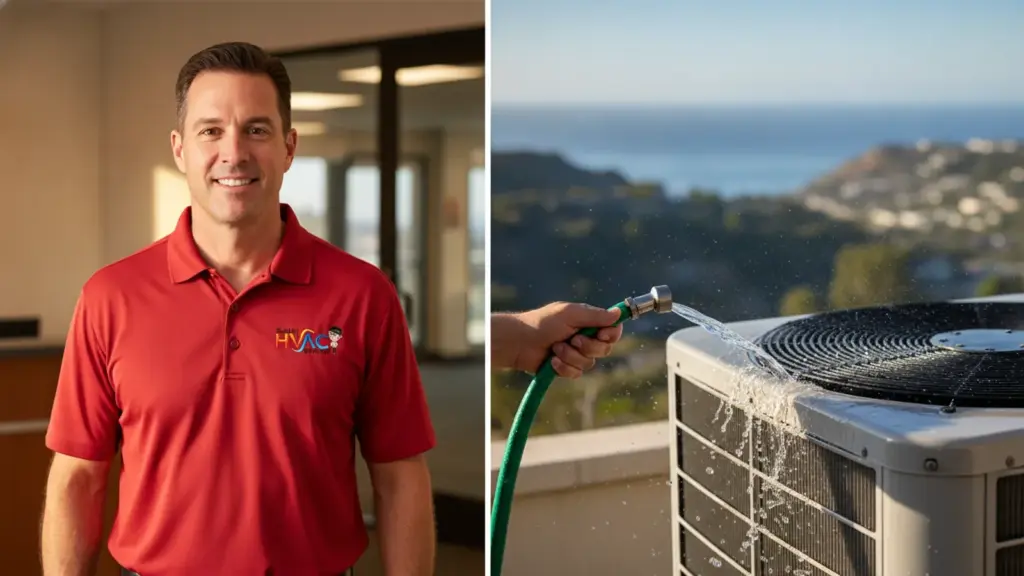
- Rinse the condenser coil weekly: Use a gentle garden hose to wash away salt crust from the exterior coil. Never use a high-pressure washer, as the force will bend the delicate aluminum fins, restricting vital airflow.
- Clear surrounding vegetation: Maintain at least a two-foot clearance around the outdoor unit. Trimming back coastal shrubs and vines prevents trapped moisture and salt-laden foliage from resting directly against the metal casing.
- Inspect the fan blades and motor housing: Look closely for early signs of pitting or white powdery residue, which indicates salt-air oxidation beginning to form on the moving components.
- Clear the base pan drain holes: Ensure the small weep holes at the bottom of the unit are free of sand, leaves, and debris so salty water drains away immediately instead of pooling under the compressor.
Monthly Protective Barriers Checklist
If you want it handled correctly the first time, consider professional hvac contractor in Malibu.
Applying protective barriers and checking seals on a monthly basis helps isolate vulnerable metal components from the corrosive Malibu atmosphere.
- Check the integrity of the cabinet paint: Inspect the exterior metal panels for chips, deep scratches, or bubbling paint. Treat exposed steel immediately with a rust-inhibiting primer to stop corrosion from spreading beneath the finish.
- Apply a specialized coil protectant: Use an approved, breathable corrosion-inhibiting spray designed specifically for HVAC coils to create a micro-thin barrier against moisture and salt.
- Verify the electrical disconnect box seal: Open the outer door of the disconnect box to ensure the rubber weather-stripping is intact, keeping salt air from corroding the electrical connections and wiring terminals.
- Wipe down exterior fan grilles: Use a damp microfiber cloth to remove salt crusting from the plastic-coated or painted steel fan guard to prevent the protective coating from peeling.
Malibu-Specific Environmental Considerations
The unique microclimate of Malibu, with its sheer cliffs, direct marine layer exposure, and shifting canyon winds, demands localized rust prevention strategies. Properties situated directly along the Pacific Coast Highway experience vastly different wear patterns than those tucked further up into the canyons.
- Assess marine layer exposure: Homes within 3,000 feet of the shoreline face a constant, heavy marine layer. These properties require daily to weekly coil rinsing because the fog carries highly concentrated salt particles that sit on the metal for hours.
- Manage wind-driven sand abrasion: Strong coastal winds blow abrasive sand against the outdoor unit. This sand acts like sandpaper, stripping away factory coatings and exposing bare metal to rapid oxidation, requiring physical windbreaks or strategic positioning.
- Account for canyon moisture runoff: Properties located near canyon mouths experience high humidity levels overnight. When combined with ocean breezes, this traps moisture inside the cabinet, making the use of specialized coastal-grade coil coatings essential.
- Review local coastal zone regulations: Be aware that placement of outdoor units or protective wind barriers may be subject to local Malibu building guidelines and coastal commission aesthetic rules.
Many Malibu homeowners rely on expert hvac contractor in Malibu for exactly this.
Professional Prevention & Preservation Checklist
Some protection tasks require specialized tools, certified chemical treatments, and technical expertise to avoid damaging the refrigeration system.
- Schedule bi-annual coil flushes: Have a technician perform a deep chemical flush using neutralizers that lift deeply embedded salt from between the tightly packed aluminum fins. This is a core component of professional coastal HVAC maintenance designed to keep operating pressures normal.
- Apply professional-grade post-manufacture coatings: Opt for certified epoxy or polyurethane coil coatings during maintenance visits to seal the aluminum-to-copper joints where galvanic corrosion most commonly starts.
- Install sacrificial zinc anodes: Secure marine-grade zinc anodes to the copper lines or cabinet base. The salt air will attack the highly active zinc first, sparing your expensive copper and steel components from destructive oxidation.
- Perform electrical terminal treating: Treat all outdoor terminal blocks, contactors, and capacitors with non-conductive, moisture-repelling grease to prevent high-resistance connections and premature electrical failure.
- Verify system operating pressures: Monitor the system operating temperatures to ensure that any physical protective shields or windbreaks installed around the unit are not causing hot exhaust air to recirculate back into the condenser.
For homeowners who discover that salt air has already caused irreversible damage to their systems, understanding your options is critical. You can learn about selecting durable, marine-grade replacement systems in our Malibu AC replacement guide.
Frequently Asked Questions
Ready for the next step? Learn how hvac contractor services in Malibu can help and reach out to the team.
Can I cover my outdoor AC unit with a tarp to protect it from the salt air?
No, you should never wrap your outdoor unit in a plastic tarp or non-breathable cover. This traps humidity and salty moisture inside the cabinet, creating a highly corrosive greenhouse effect that accelerates rust much faster than if the unit were left exposed to natural airflow.
How often should I rinse my outdoor AC unit if I live right on the beach in Malibu?
If you live directly on the beachfront or within a mile of the ocean, you should rinse your condenser coils with a gentle stream of fresh water once a week. For homes located further inland or up in the Malibu canyons, a thorough rinse once or twice a month is typically sufficient to prevent salt buildup.
What is a sacrificial anode, and does my air conditioner need one?
A sacrificial anode is a piece of highly active metal, usually zinc, attached to your AC unit to draw corrosion away from the vital copper and steel parts. It acts as an sacrificial barrier, meaning the salt air corrodes the zinc first, which significantly extends the lifespan of your condenser coil and compressor cabinet in harsh marine environments.
Protect Your Investment From Coastal Wear
Consistently executing these maintenance steps will help shield your system from the aggressive Pacific air, ensuring your home stays cool and your energy bills remain manageable. If you suspect salt air has already compromised your system or if you want to set up a professional protective coating plan, contact a licensed professional to inspect your outdoor unit and safeguard your home comfort.