
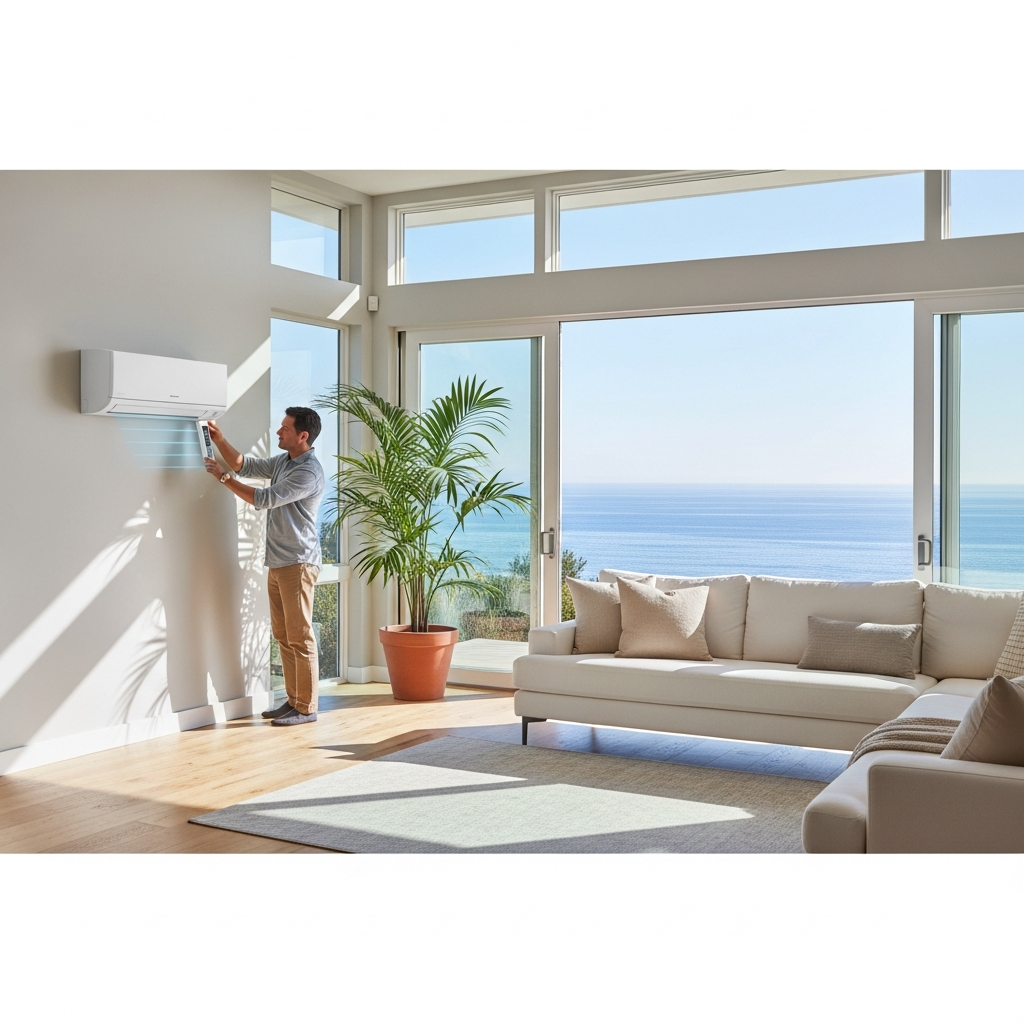
There is a particular joy in stepping into a Malibu room chilled just enough to take the edge off a sunlit afternoon, with no roar of hidden ductwork and no heavy draft—just smooth, quiet comfort. That is the promise of ductless air conditioning, and it fits our coastal lifestyle in surprising ways. Whether you are converting a garage into a studio, modernizing a mid-century home with limited attic space, or cooling a glassy great room that refuses to behave, ductless systems give you precision control without the disruption of adding ducts. As someone who has installed and serviced these systems from Malibu Road to Encinal Bluffs, I have seen ductless transform spaces that once felt impossible to tame. If you are curious about the options and how they play with salty air, wind, and Malibu’s design sensibilities, this guide is for you—and it starts with respect for the craft of air conditioning in our coastal environment.
Why Ductless Makes Sense In Malibu
Malibu’s homes are diverse. Some offer straightforward mechanical rooms and simple duct paths; many do not. Ductless systems, often called mini-splits, shine in spaces where traditional ducts are impractical or would compromise the architecture. They are also wonderfully efficient, thanks to inverter-driven compressors that match output to real-time demand. That means rooms that face the ocean with expansive glass can receive exactly the right amount of cooling when the afternoon sun arrives, without overcooling the rest of the house. For accessory dwelling units, guest suites above garages, and studios tucked into hillside lots, ductless is often the fastest path to comfort with minimal construction.
Single-Zone Versus Multi-Zone Systems
At the simplest, a single-zone system pairs one outdoor unit with one indoor unit, dedicating full attention to a specific room or area. This is ideal for a home office, guest room, or gym. Multi-zone systems connect several indoor units to a single outdoor condenser, giving each space independent control. In Malibu homes where an addition was built or where upstairs bedrooms bake while downstairs remains cool, multi-zone ductless provides targeted relief without opening ceilings to run new ducts. The choice between single and multi-zone often comes down to layout, aesthetics, and how you plan to use the spaces day to day.
Indoor Unit Styles: Beyond The Wall Cassette
When people think of ductless, they picture the familiar high-wall unit. It is popular for good reason: quick to install, easy to service, and excellent at mixing air. But other options exist and can be delightful in the right room. Low-wall consoles mount near the floor and resemble sleek radiators, ideal where wall space is limited by art or windows. Ceiling cassettes recess into the ceiling and distribute air through discreet grilles, preserving clean wall lines in modern interiors. In older homes with exposed beams or in creative studios where ceiling space is precious, slim-ducted indoor units can serve two small rooms from a hidden chase, striking a balance between ductless simplicity and architectural subtlety.
Aesthetics And Placement
Malibu design values light and line. We pay attention to where indoor units land, balancing performance with sightlines. In rooms with floor-to-ceiling glass, we aim for locations that allow free airflow without clashing with the view. For ceiling cassettes, we coordinate with lighting and sprinklers to avoid clutter. Line sets—the insulated copper pipes that connect indoor and outdoor units—are routed cleanly, often within walls during remodels or inside paintable line-hide channels outside. The result should look intentional, calm, and effortless, as if the room was designed around the system from the start.
Outdoor Units In Salt And Wind
Coastal placement is both science and art. We choose outdoor locations that minimize direct salt exposure and avoid wind tunnels created by side yards or tight spaces between structures. Clearances matter for service and airflow, and so does how the unit sheds water. We often elevate condensers on composite pads or brackets to keep them out of splash zones and plant with intention—greenery can filter salt but must not crowd the coil. Corrosion-resistant coatings and hardware add years of life when the Pacific is in view.
Noise is part of the outdoor conversation too. Ductless systems are inherently quiet, but we still respect bedrooms, neighbors, and patios. Placing units where their gentle hum blends with ocean sounds keeps the outdoor experience serene.
Controls, Sensors, And Everyday Use
Modern ductless controls allow granular comfort. Each indoor unit has its own setpoint, and many models accept remote sensors that sense temperature away from the unit, smoothing out room conditions. Schedules adapt to Malibu rhythms—cool a home office during the day, a bedroom in the evening, and let the rest of the home drift. Humidity control, particularly welcome on foggy mornings, keeps spaces crisp without overcooling. Integration with whole-home systems is increasingly seamless, allowing ductless to play nicely alongside central air or radiant heat.
Performance And Efficiency
The inverter-driven heart of ductless systems delivers efficiency you can feel, not just read on a spec sheet. Instead of slamming on and off, the compressor gently modulates, shaving energy use and creating a chilled, velvety flow that never feels abrupt. In rooms that face late-day sun or in studios filled with equipment that adds internal heat, ductless units quietly track the load. Pair that with proper placement and you have a solution that stays comfortable through the afternoon shift when the breeze turns warm and the sun pours across the water.
Installation Experience
For most rooms, installation is a one-day experience. We protect furnishings, confirm locations, drill a small, well-sealed penetration for the line set and drain, and mount the indoor unit with precision. Outside, the condenser is set level, lines are connected, and we pressure-test, evacuate, and charge with care. Line-hide channels are fitted and caulked for a clean finish. Commissioning follows—verifying airflow, mode changes, and temperature performance—so you are left with a system that feels finished, not just installed.
Maintenance For The Coast
Ductless needs little but benefits greatly from consistent care. Filters on the indoor units are easy to access and should be cleaned regularly, especially in spaces that see sand, pets, or art projects. Outdoor coils appreciate a gentle rinse a few times a season, and annual professional service verifies electrical health and refrigerant performance. In Malibu’s salty air, a little attention keeps everything running whisper-quiet year after year.
Combining Ductless With Central Air
Many Malibu homes pair a central system for the main living areas with ductless units for challenging zones—glass-heavy great rooms, guest suites, or studios. This hybrid approach avoids oversizing the central system to handle the worst-behaved room and gives you fine control where you need it most. During design, we coordinate controls so you are not fighting between systems and so that comfort remains consistent as the day unfolds.
In the middle of planning or renovations, it is easy to lose sight of the simple goal: rooms that feel like they belong in Malibu, comfortable without effort, serene without fuss. Ductless solutions help you achieve that by dropping precision where ducts will not go and by delivering the kind of gentle, efficient air conditioning that makes afternoons glide.
FAQ: Ductless Air Conditioning In Malibu
Q: Will a ductless unit look out of place in my home? A: With thoughtful placement and the right indoor style—wall, console, cassette, or slim-duct—ductless can blend into both modern and traditional interiors. Careful routing of line sets keeps the look clean.
Q: How many rooms can one outdoor unit serve? A: Multi-zone condensers commonly support two to five indoor units, depending on capacity and layout. Design balances each room’s needs with the total system to ensure steady comfort.
Q: Is ductless efficient in Malibu’s climate? A: Extremely. Inverter-driven compressors modulate output to match demand, providing quiet, steady cooling that uses less energy than traditional, single-speed systems.
Q: What about maintenance? A: Clean or rinse indoor filters regularly, keep the outdoor unit clear, and schedule annual professional service. In coastal locations, gentle coil rinsing and corrosion checks preserve longevity.
Q: Can ductless provide heat as well? A: Many ductless systems are heat pumps and provide efficient heating in Malibu’s mild winters, making them a flexible, year-round solution.
Q: Are there HOA or design restrictions? A: Some neighborhoods have guidelines on visibility and noise. Early coordination helps place equipment discreetly and in compliance, without sacrificing performance.
Bring Quiet Comfort To Your Space
If you are ready to cool the room that never behaves or want to add flexible comfort to a new studio or guest suite, let us help you design the right ductless solution. We will guide placement, aesthetics, and performance so that the finished space feels calm and intentional. Start now with local, design-forward air conditioning expertise, and enjoy Malibu days that are cooler, quieter, and entirely your own.