
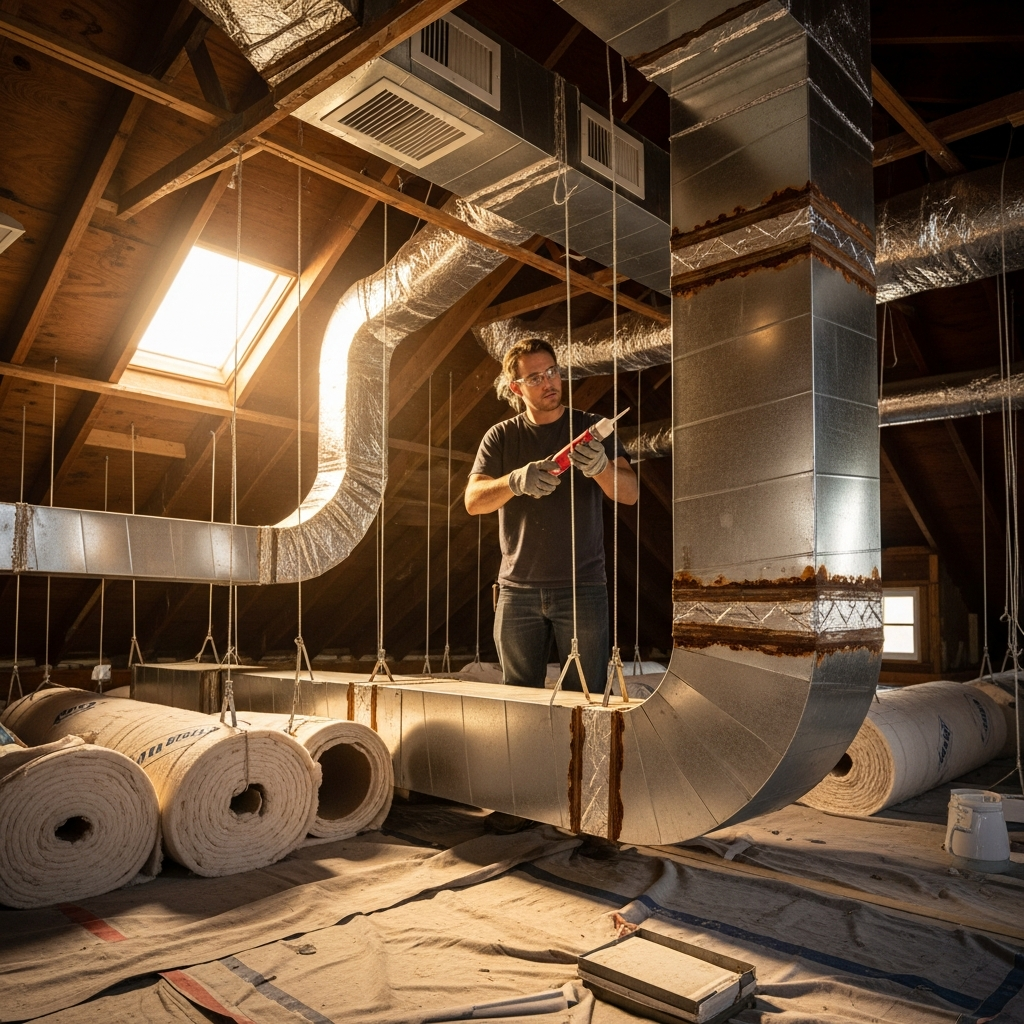
When Malibu homeowners start thinking seriously about duct replacement, the conversation almost always turns to what drives the overall investment of time and effort. While exact numbers vary from home to home and are best confirmed during an in-person evaluation, the underlying factors are consistent. After years of working in Malibu’s microclimates—from oceanfront properties where morning marine layers keep surfaces damp, to hillside homes up Las Flores and Corral canyons that bake in afternoon sun—I have seen how site conditions, design choices, and code requirements shape the project from the first walkthrough to the final air balance.
The short version is that ducts are not just hollow tubes; they are the circulatory system of your HVAC. The way these pathways are sized, insulated, sealed, and routed through your attic, crawlspace, or soffits will influence comfort, indoor air quality, and energy performance. In Malibu, those decisions are also shaped by salt air, seasonal winds, wildfire smoke events, and the unique ways homes have been built and remodeled over the decades. Understanding the key factors prepares you for a smoother process and better results, without surprises late in the project.
How Malibu’s Environment Influences Duct Work
Coastal living is a gift, but it asks more of every building system. Salt-laden air can corrode exposed metal components in attics with gable vents, while persistent marine layers keep materials slightly humid, encouraging condensation where insulation is thin or seams are loose. I often begin a consultation by looking for rust bloom on hangers and fasteners, UV-brittling on older flex duct in vented attics, and any signs that insulation jackets have been compromised. Malibu’s canyons add another layer: steep rooflines, segmented attic bays, and long runs that snake around structural members can challenge airflow and make sealing more complex.
Seasonal realities also matter. Santa Ana winds can drive fine particulates into older roof vents and leaky duct systems, leaving a thin dusting inside return trunks. During wildfire events, homeowners are rightly concerned about infiltration and filtration. Modern duct systems with tight joints, robust insulation, and well-designed returns do a better job protecting indoor air, working in concert with filtration strategies that your HVAC professional can tailor to your household’s needs.
Home Layout, Access, and Construction Details
Beyond the climate, the character of your home plays a central role. Malibu offers an architectural sampler platter: single-story ranch homes along flatter lots, split-level hillside designs on stilts, mid-century moderns with low-slope roofs, and contemporary builds with soaring ceilings. Each presents a different routing puzzle. Attics with low clearances force compromises in duct size and turns, while cathedral ceilings might push ducts into soffits that share space with plumbing and electrical. Crawlspaces under older homes can be tight and sandy, sometimes requiring specialized protection and staging to work safely and neatly.
Access is a factor many homeowners overlook. A generous attic hatch and decent working room reduce disruption and accelerate progress. Conversely, a tiny hatch over a closet shelf, or numerous tight trusses, slow careful technicians and may require creative solutions. On steep hillside properties with limited parking or long carries from the driveway, site logistics affect day-to-day efficiency and material handling, which in turn shapes the project timeline.
System Design: Sizing, Balancing, and Comfort Priorities
Good duct design begins with accurate airflow targets and finishes with meticulous sealing and balancing. We look at room-by-room needs, influenced by solar exposure, window area, insulation, and ceiling height. Malibu’s varied microclimates mean a guest bedroom that faces south over the water may heat quickly in afternoon sun, while a primary suite shaded by oaks stays cooler. The design should reflect those differences, not just rely on a uniform trunk and random branches. Carefully selected duct diameters reduce noise and improve comfort, while thoughtful return placement lowers static pressure and supports cleaner filtration.
Balanced airflow is more than comfort; it is also about system longevity. Undersized or overly convoluted returns can strain blowers, especially in systems paired with higher-efficiency filters. During a replacement, pros will evaluate whether adding a second return or enlarging an existing one makes sense. That is often where homeowners feel the biggest day-to-day improvement: more even temperatures, quieter operation, and fewer drafts when doors open and close.
Materials and Insulation Choices for Coastal Performance
Material selection in Malibu often prioritizes durability and resistance to moisture. High-quality insulated flex duct can be appropriate for runs with gentle bends, while rigid metal ductwork shines in longer, straight sections where low resistance and longevity matter. The insulation jacket should be robust, with attention to vapor barriers that resist the latent effects of marine air. Connections matter every bit as much as the main duct material: metal fittings, mastic-sealed seams, and proper strapping prevent sagging and air leakage that slowly erode performance over time.
Insulation levels are tailored to attic conditions. In vented attics, we want a combination of duct insulation and well-sealed building insulation so ducts are less exposed to temperature swings. In semi-conditioned or sealed attics, a different strategy may be appropriate. Your contractor should explain the reasoning behind each material choice and show examples from similar Malibu homes, so you can feel how your project reflects experience rather than guesswork.
Code, Testing, and Documentation
California’s energy code sets quality standards for duct leakage, insulation, and system performance. In Los Angeles County and the City of Malibu, permits and third-party verification help ensure that what is promised is delivered. Expect duct leakage testing using a calibrated fan setup, with results that demonstrate a tight system. Expect visual confirmation of sealing at boots, plenums, and joints. And expect a final balancing process, where registers are adjusted so rooms receive the intended airflow. These steps are not just paperwork; they are the difference between a loud, drafty system and a calm, comfortable home.
Documentation helps you for years to come. Photographs of key junctions, notes on damper positions, and the as-built route map make maintenance and future upgrades easier. With Malibu homes often undergoing phased improvements—new windows one year, a heat pump the next—good records protect your investment and ensure successive tradespeople understand what is inside the walls and ceilings.
Timing, Phasing, and Living Through the Work
Many homeowners in Malibu ask how to minimize disruption. The answer lies in planning and phasing. For occupied homes, we often stage rooms so sleeping spaces are restored each evening. For homes undergoing larger remodels, we coordinate closely with general contractors to sequence ceiling closures, painting, and flooring so each trade hands off a clean slate to the next. Oceanfront properties can introduce special timing considerations because of coastal weather and morning fog, which can add drying time for sealants or coatings. A local crew that knows these rhythms will build them into the schedule rather than let them cause surprises.
Communication is essential. A clear plan for protection—floor coverings, dust control, and clean-up routines—keeps the home feeling livable. Malibu residents value craftsmanship and discretion; the best teams treat every ceiling cut and register boot as a finish detail, not an afterthought.
Middle-of-Project Considerations and Adjustments
Even with careful design, real-world framing can reveal surprises once old ducts are removed. Beams may be larger than drawings suggested, or soffits may hide plumbing offsets. This is where experience pays off. I like to walk clients through any mid-course adjustments, explaining how a slightly different routing, an added radius elbow, or a moved return will preserve airflow and acoustics. Mid-project transparency avoids last-minute compromises and keeps performance on target, especially in homes with complex layouts.
It is also around this stage that homeowners frequently revisit accessory decisions. If you have ever considered adding zoning to separate the primary suite from the great room, or upgrading to a filtration solution that better manages wildfire smoke, the middle of a duct replacement project is the right moment to implement those choices. Doing so later can mean re-opening ceilings or rebalancing a system that was tuned for a different configuration.
What “Quality” Looks Like When You Peek Above the Ceiling
When I invite clients to take a quick look at the work-in-progress, I point out the small details that distinguish a well-installed system. Ducts should be supported at the correct intervals, with a gentle sag that respects manufacturer guidelines, not draped like catenary lines. Bends should be smooth; crushed flex is a red flag. Mastic should be applied evenly, not thinly smeared. Boots should meet the ceiling plane squarely, with airtight transitions to the drywall or plaster. These details rarely show in finished glamour photos, but they account for the quiet confidence you feel when the system runs and simply disappears into the background of daily life.
Another marker of quality is how the system sounds. Malibu homes often have open plans where sound travels. Properly sized returns with lined duct, well-chosen register styles, and sleeves that reduce turbulence all contribute to a soft airflow whisper rather than a hiss. If you have ever felt a cold blast at the couch while the bedroom lagged behind, you know how much these refinements matter.
Indoor Air Quality and Malibu Realities
We cannot talk about ducts here without talking about air quality. Onshore breezes sweep freshness into the city, but they also carry salt and moisture. Inland days can be dusty, and wildfire seasons have taught every homeowner the value of a well-sealed home. A new duct system is your chance to reduce pathways for unfiltered air and to support filtration tuned to your sensitivities. Families with allergies often report that, after replacement and balancing, they notice fewer morning sniffles and less dust collecting on furniture. That is not an accident; it is the result of attention to sealing, returns, and filter access designed for regular, easy changes.
Ventilation strategies also come into play. While Malibu’s benign climate invites windows-open living, there are days when you will rely on your HVAC to keep the home comfortable and clean. Ducts that encourage steady, moderate airflow help your system dehumidify effectively when marine layers linger, and they distribute heat evenly on cool evenings when the ocean breeze picks up.
Choosing the Right Partner
Homeowners often ask what to look for in a contractor. Beyond licensing and insurance, which are non-negotiable, look for familiarity with Malibu’s permitting and inspection processes, sensitivity to your architectural style, and a portfolio that includes homes like yours. Ask how they test ducts, how they photograph and document hidden work, and how they will protect finishes. In a market where craftsmanship is prized, you deserve a team that treats your attic and crawlspace with the same respect as your living room.
Clear communication is equally important. A good partner explains tradeoffs—why a slightly larger register improves acoustics, why moving a return solves a hot spot, why a particular insulation jacket suits the marine layer—and then invites your input. The best outcomes happen when homeowners feel enrolled in the design, not simply sold to.
Frequently Asked Questions
Q: How do I know it is time to replace my ducts rather than repair them?
A: Telltale signs include widespread air leaks, brittle or crushed flex, visible rust on metal components, persistent temperature imbalances room to room, and ducts that are undersized for your current equipment. An inspection with airflow measurements and a leakage test offers clear evidence to guide the decision.
Q: My home is near the beach. Are there special materials I should request?
A: In coastal zones, we prioritize components that resist corrosion and moisture. That can include quality insulation jackets with solid vapor barriers, durable strapping, and metal fittings sealed with mastic. The best choice depends on your specific attic or crawlspace conditions.
Q: Will replacing ducts make my home quieter?
A: Often, yes. Correct sizing reduces air velocity, lined returns dampen sound, and careful layout avoids sharp turns that create turbulence. Many homeowners notice a softer, more even airflow after a professionally designed replacement.
Q: What role does testing play in quality assurance?
A: Testing confirms that the system meets tightness and performance goals. Duct leakage tests, static pressure readings, and final balancing verify that design intent became reality, protecting comfort and energy performance.
Q: Can I phase the project?
A: In some homes, phasing works well—tackling one wing at a time or pairing duct replacement with other scheduled renovations. Your contractor can help you choose a sequence that minimizes disruption while maintaining comfort between phases.
Q: How long does a typical project take?
A: Timelines vary with home size, access, and complexity. A clear schedule, agreed upon before work begins, helps set expectations. The key is not rushing the balancing and testing that ensure long-term performance.
Q: Will new ducts help during wildfire smoke events?
A: A well-sealed, properly filtered system reduces infiltration and allows you to maintain cleaner indoor air when outdoor conditions are poor. Many homeowners pair new ducts with an upgraded filtration approach tailored to their sensitivities.
Ready to Improve Comfort in Your Malibu Home?
If you are weighing your options and want clarity on design, materials, and a realistic project plan tailored to your property, this is a great moment to speak with a local specialist. Thoughtful planning, careful installation, and thorough testing will pay you back every day in comfort and peace of mind. Start the conversation about duct replacement today, and feel the difference the right design can make in your Malibu home.